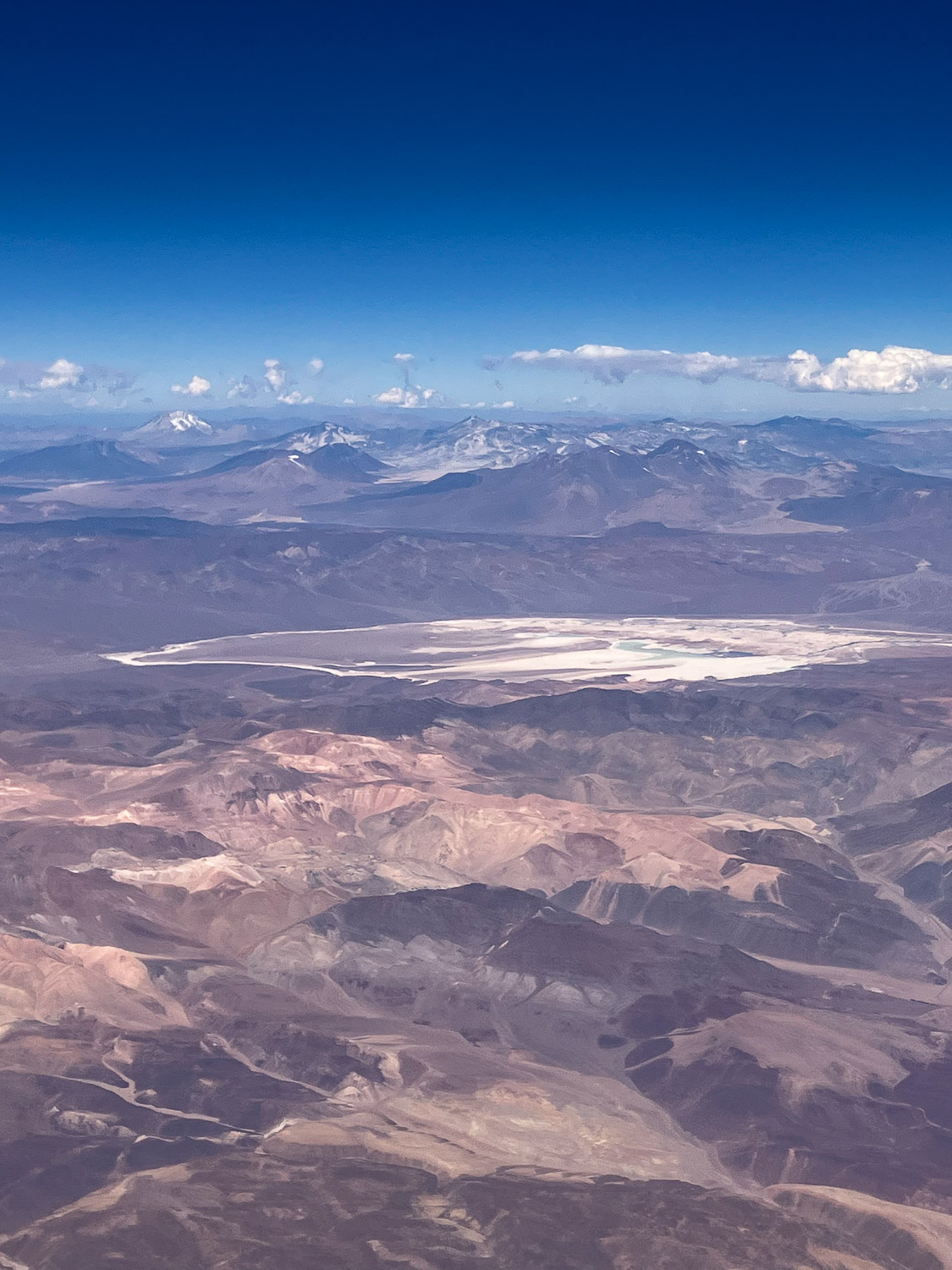
We were picked up from Matetic Vineyards and driven back to Santiago for the flight to El Loa Airport in Calama. The flight took us over some spectacular scenery. At the airport, we were met by Chris from Awasi Atacama who was to be our guide for the week. We immediately warmed to him because he put on Pink Floyd in the car – a perfect match for the landscape. He introduced us to some South American music too, notably Awatiñas and Los Jaivas.
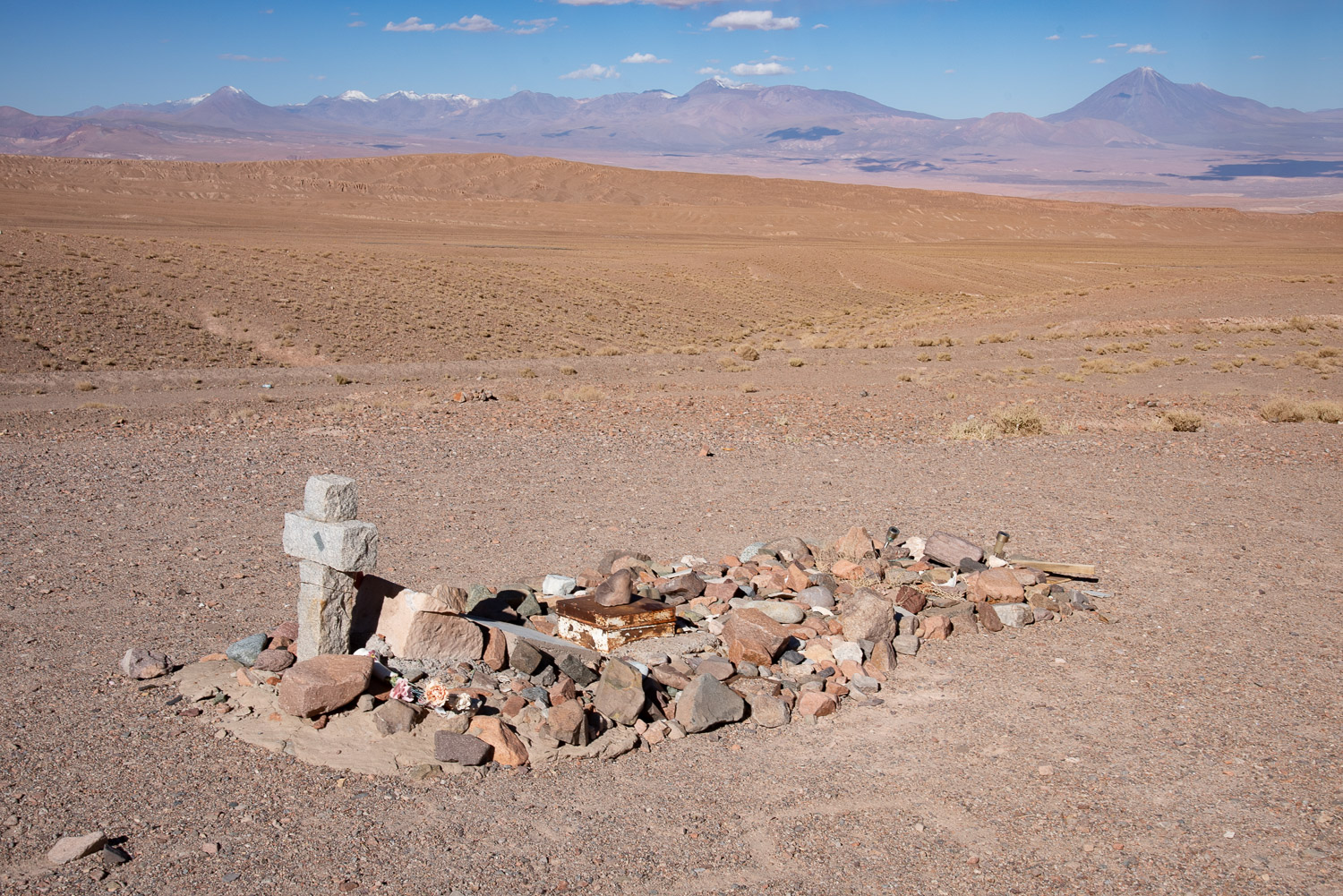
Our first stop on the way to San Pedro de Atacama was the lonely grave of Dr Sydney Ewart Hollingworth, an English geologist.
Awasi Atacama
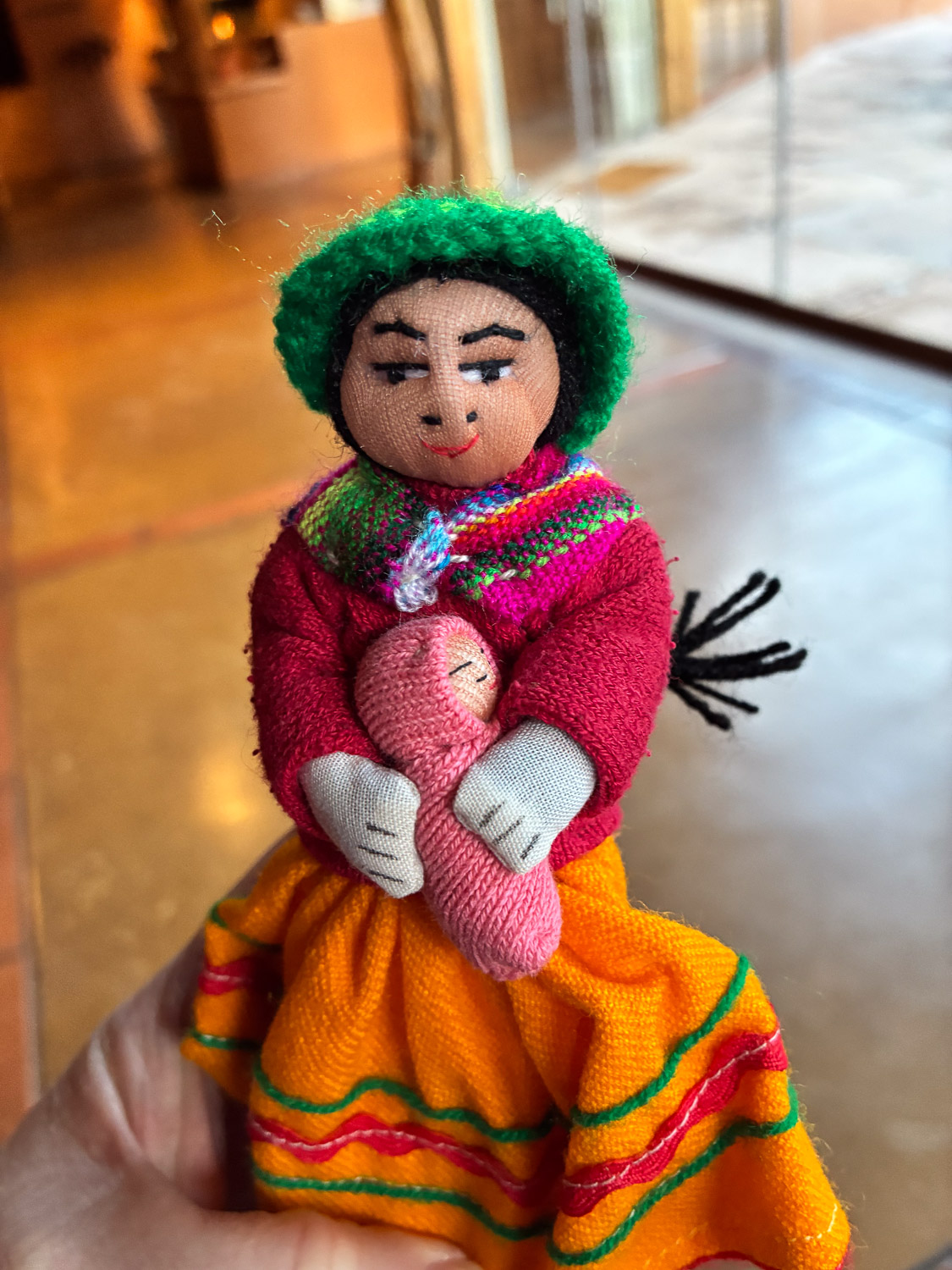
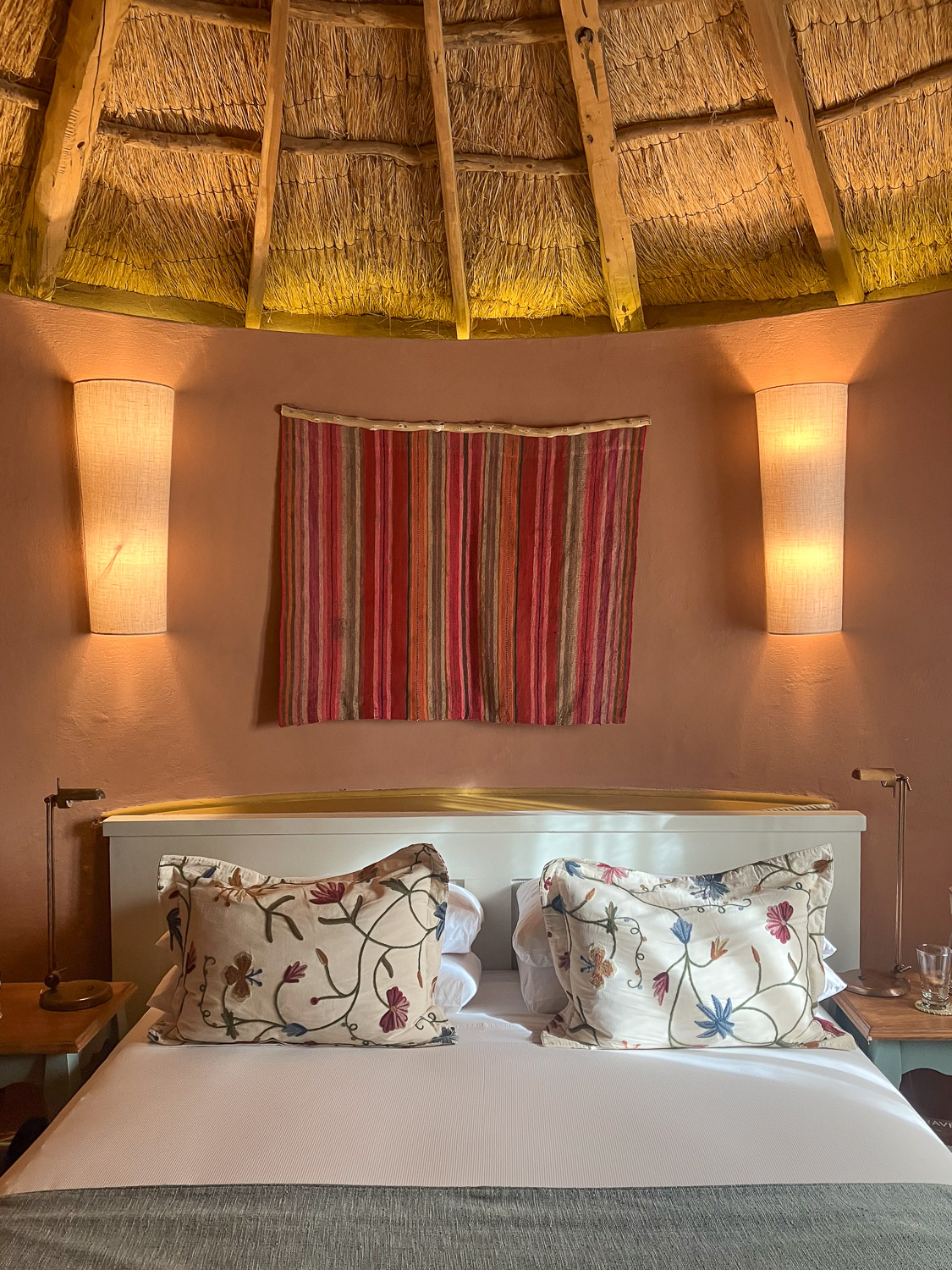
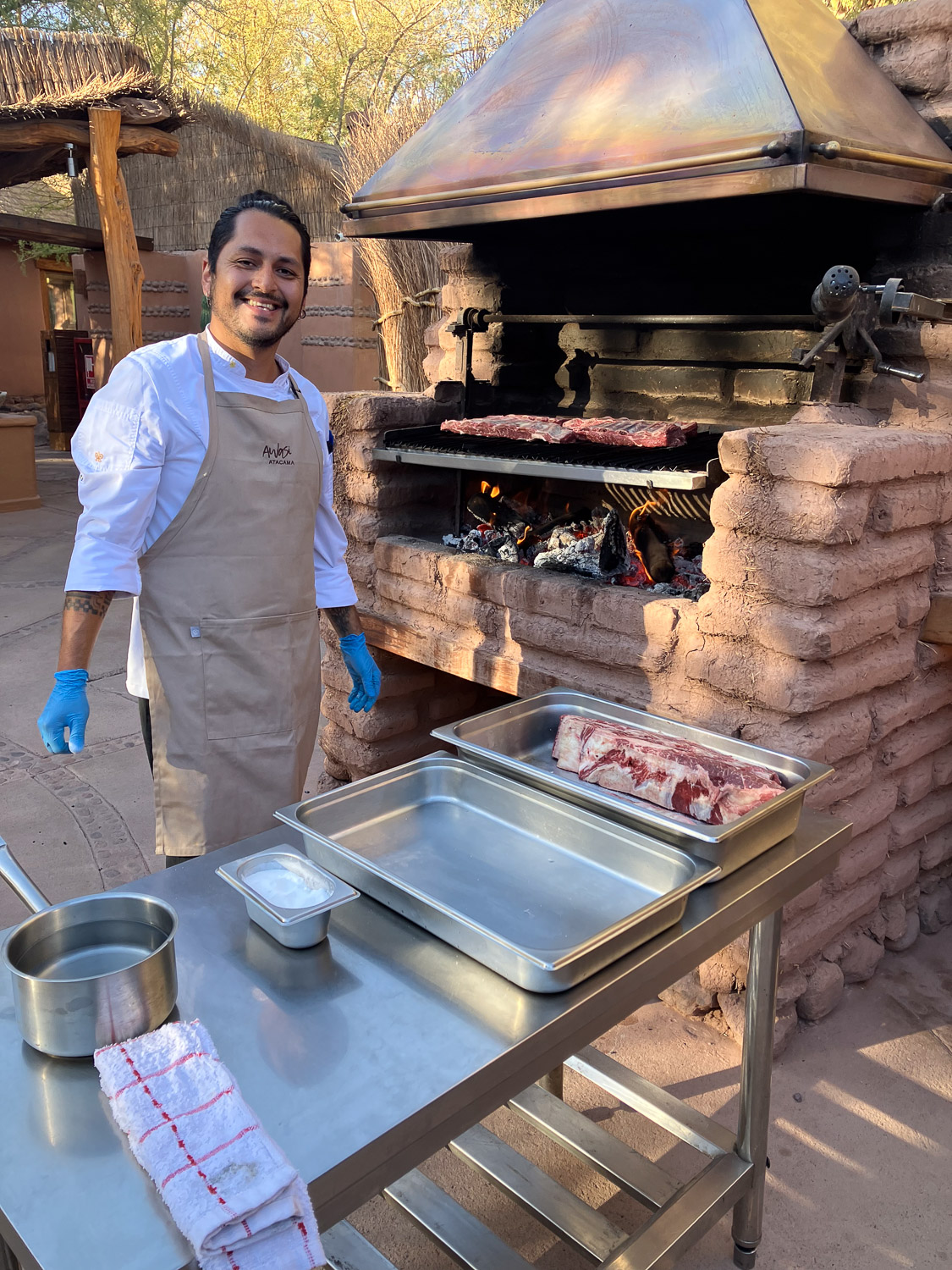
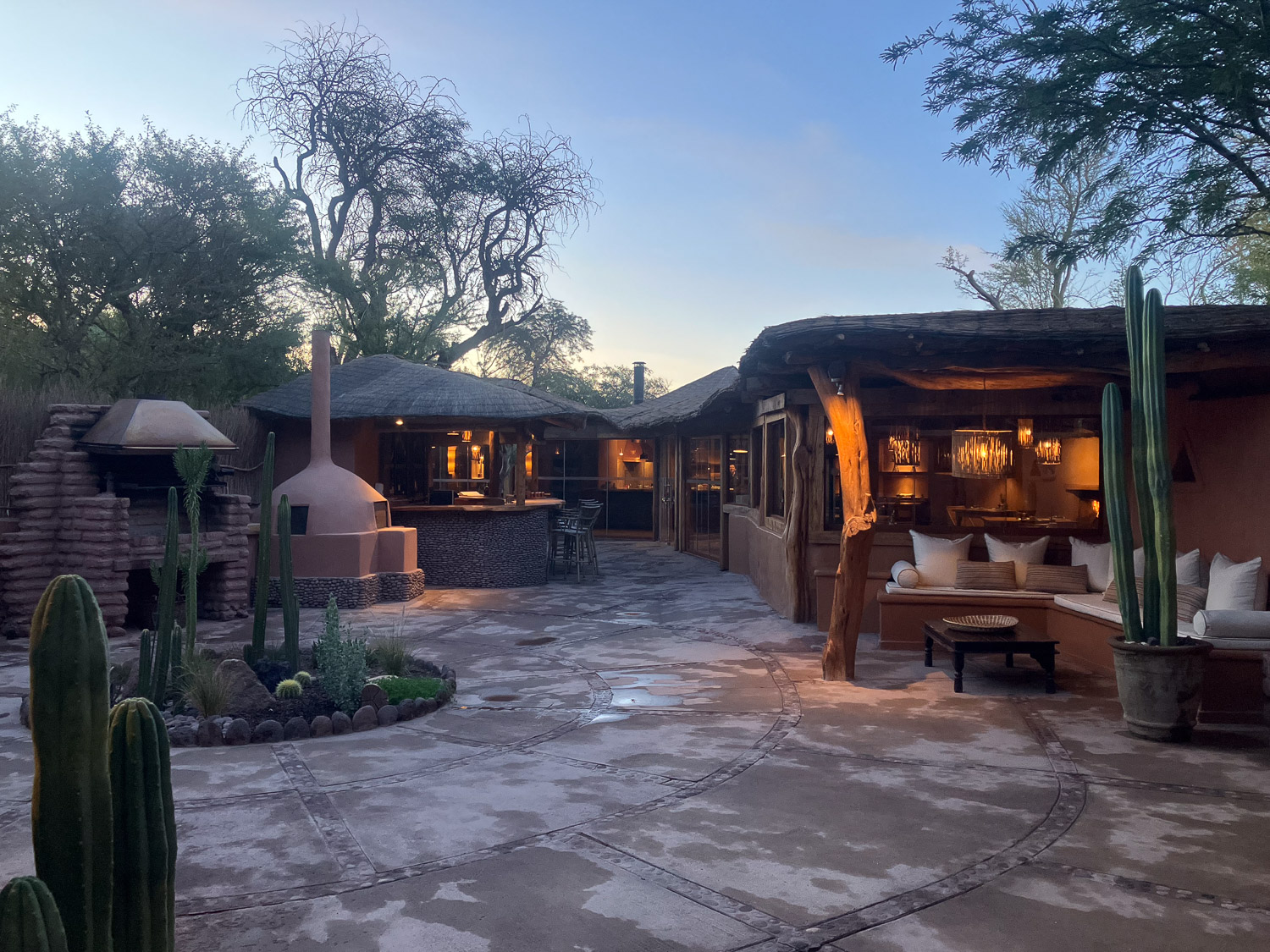
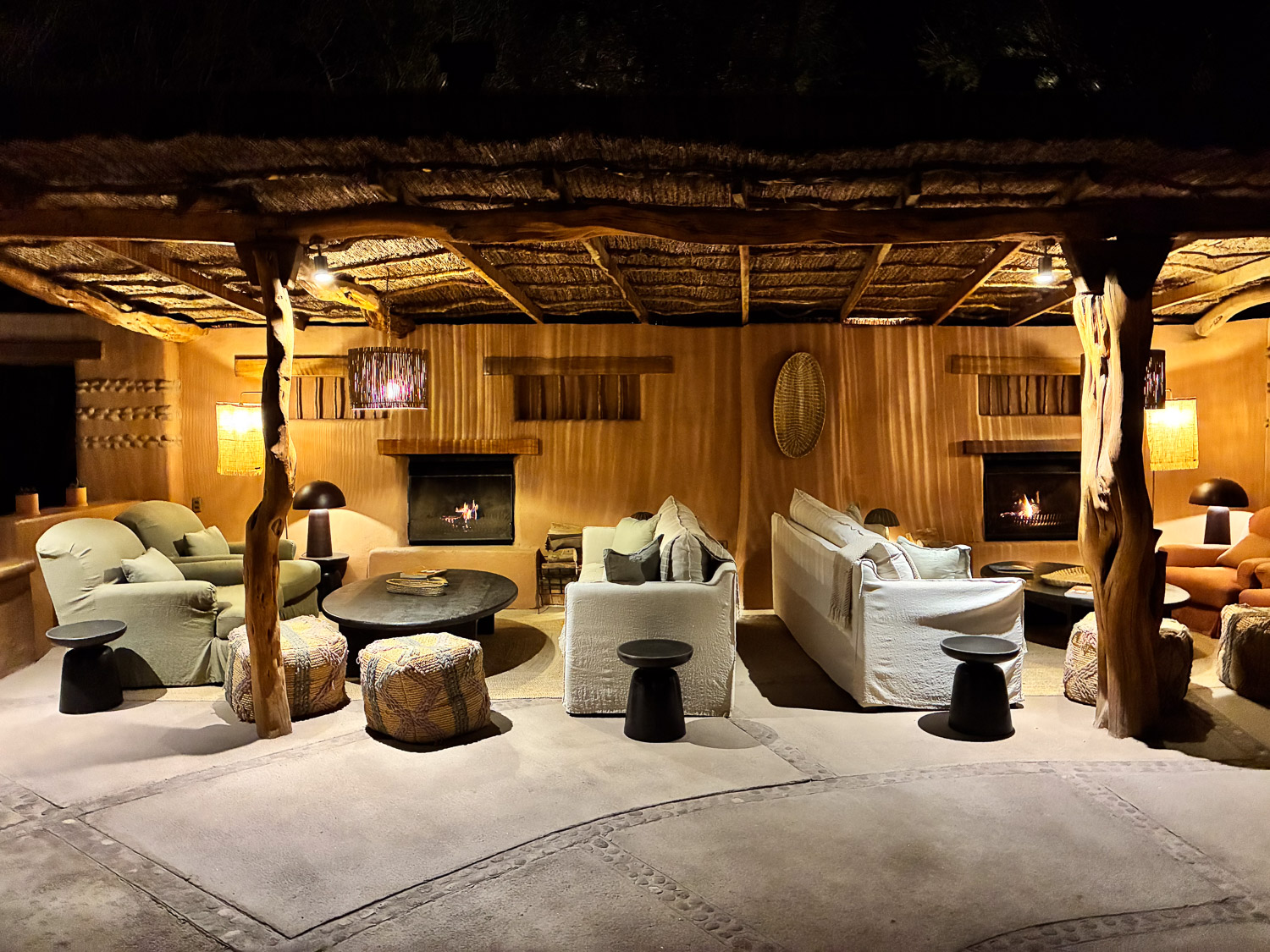
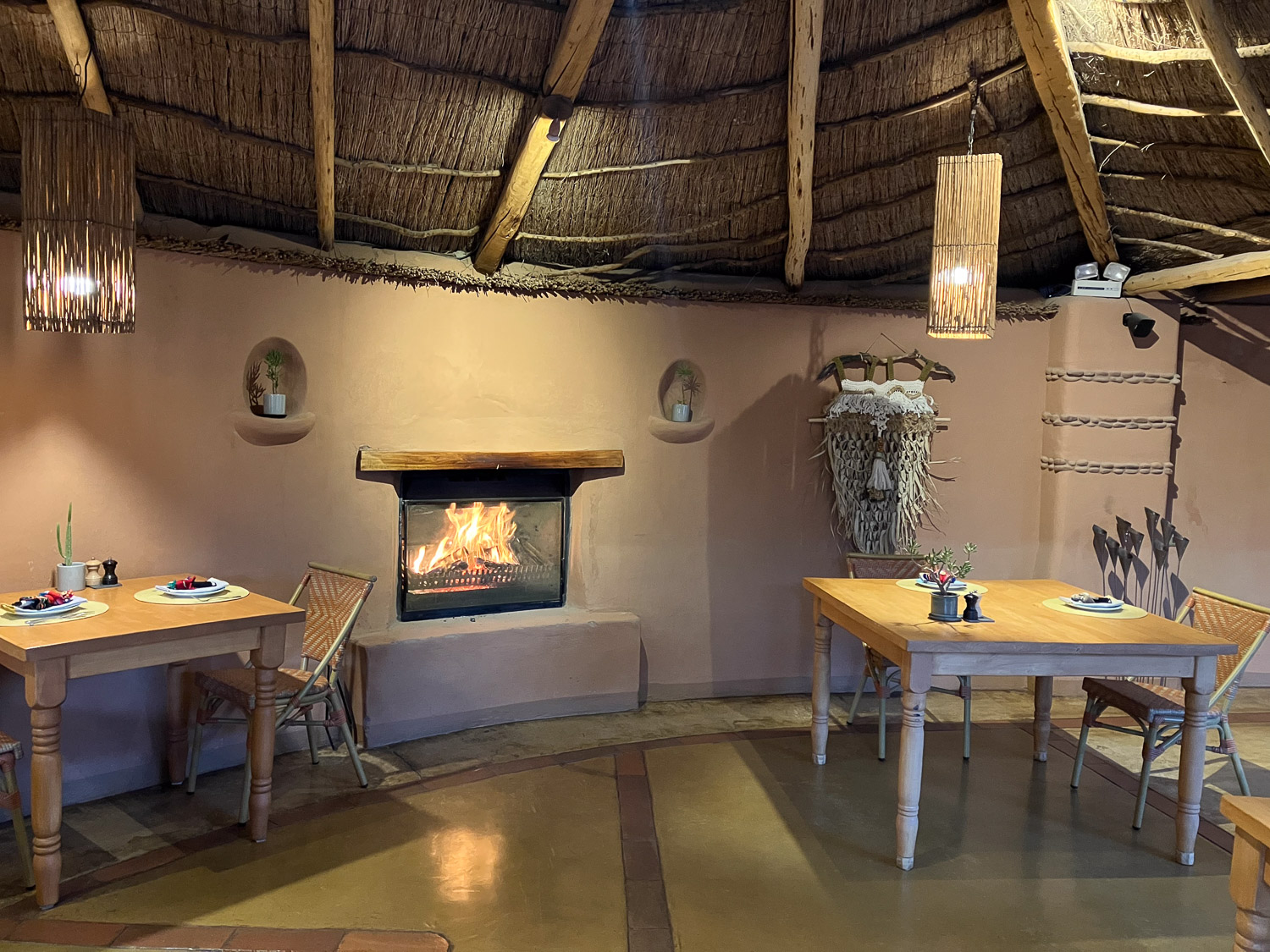
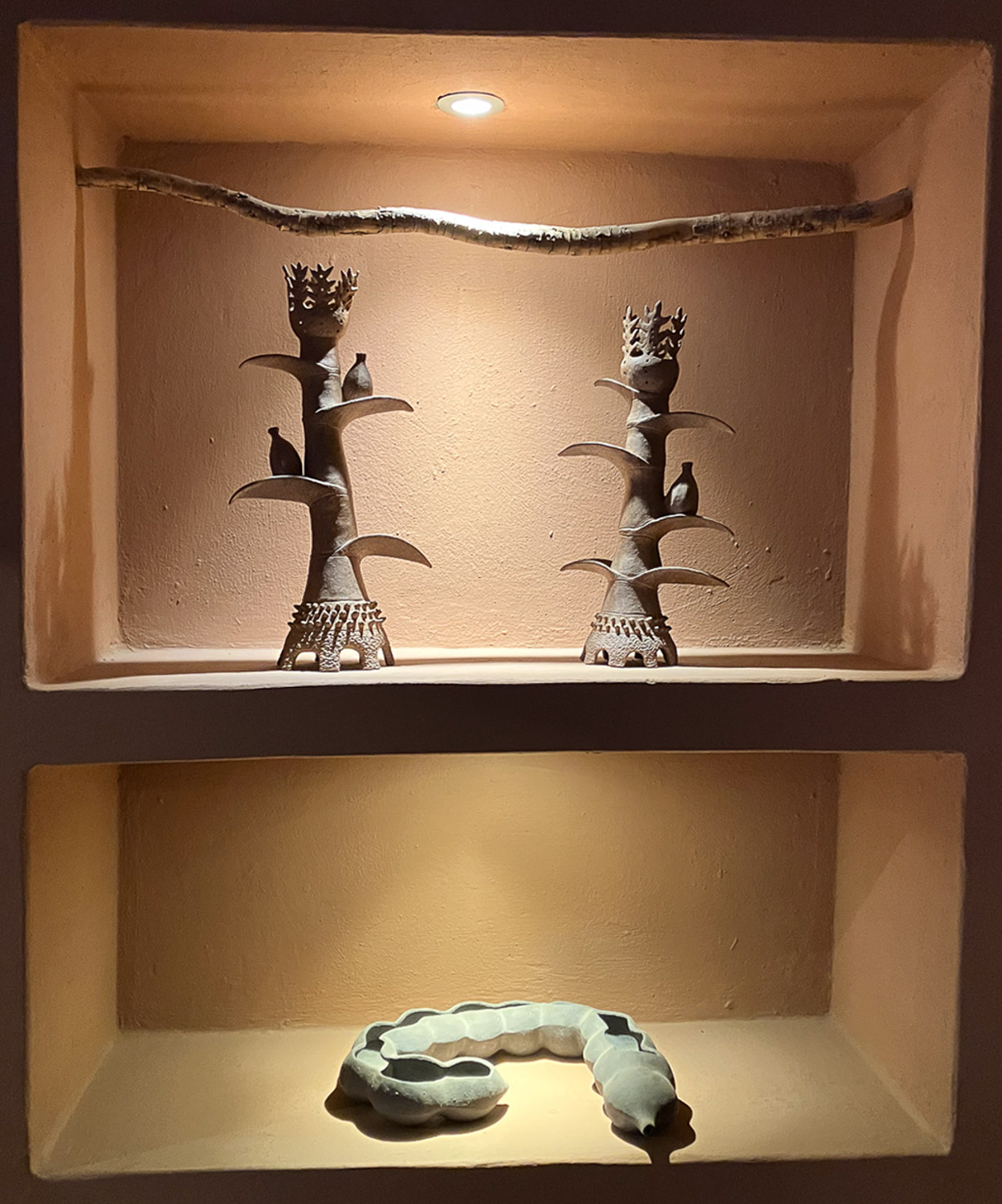
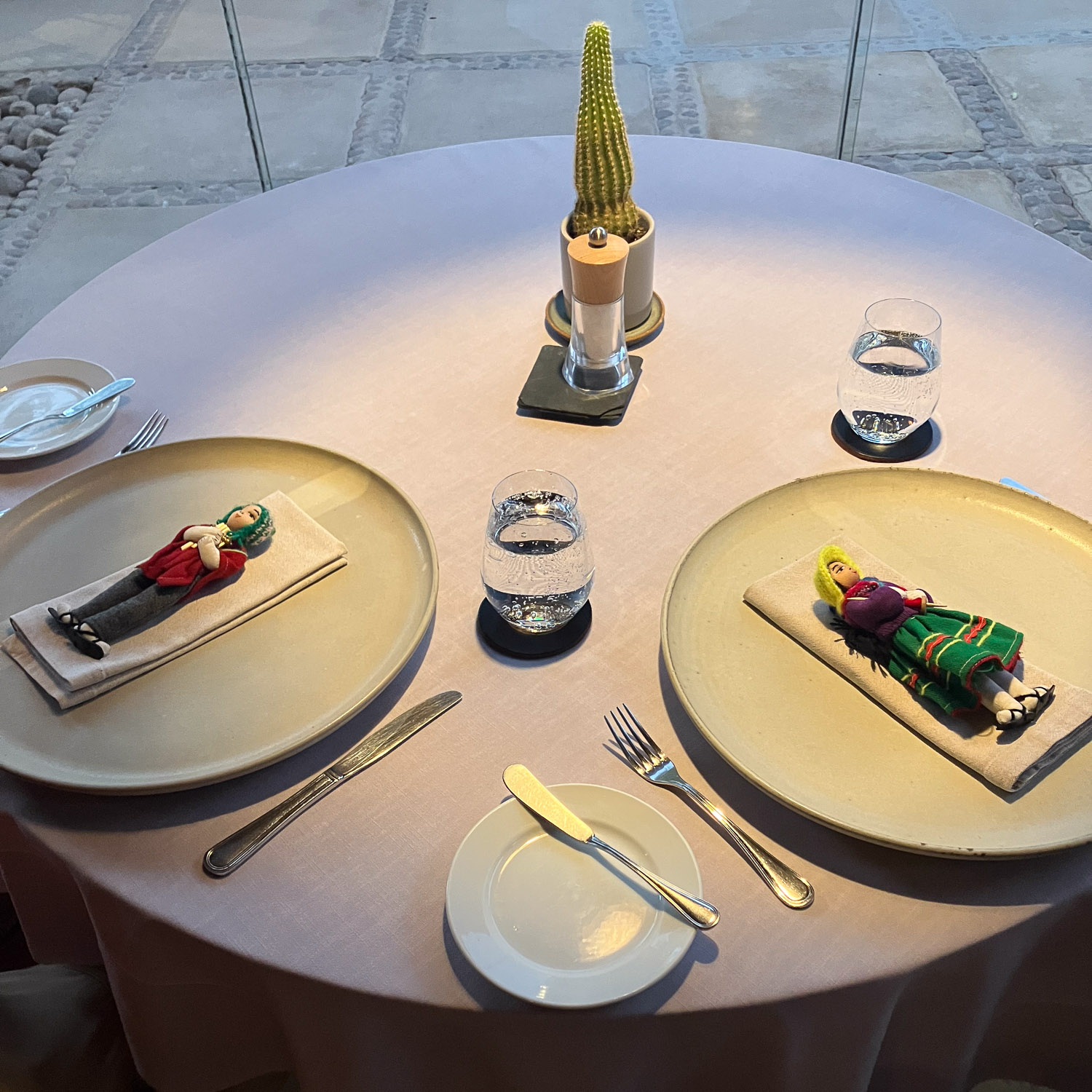
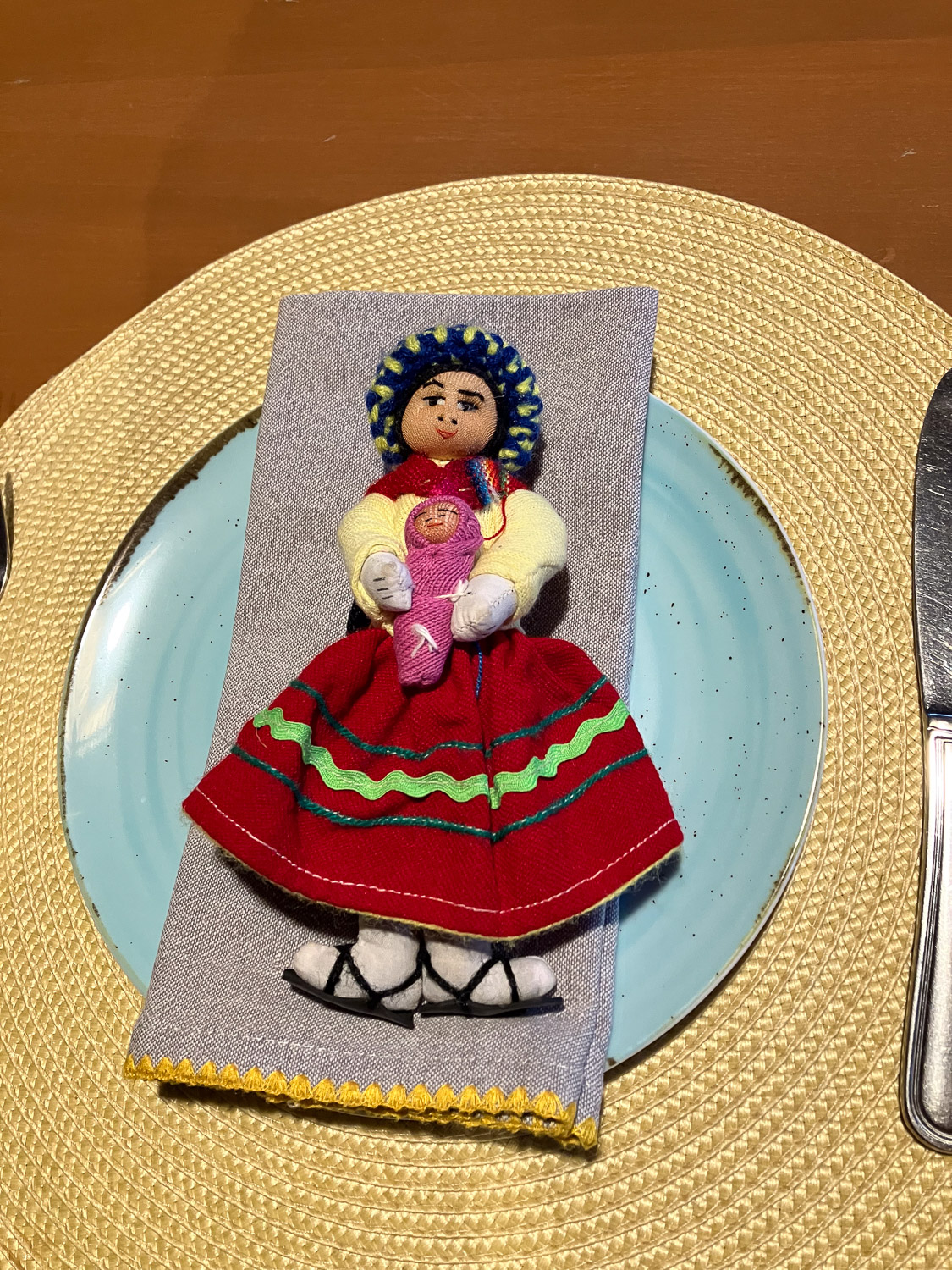
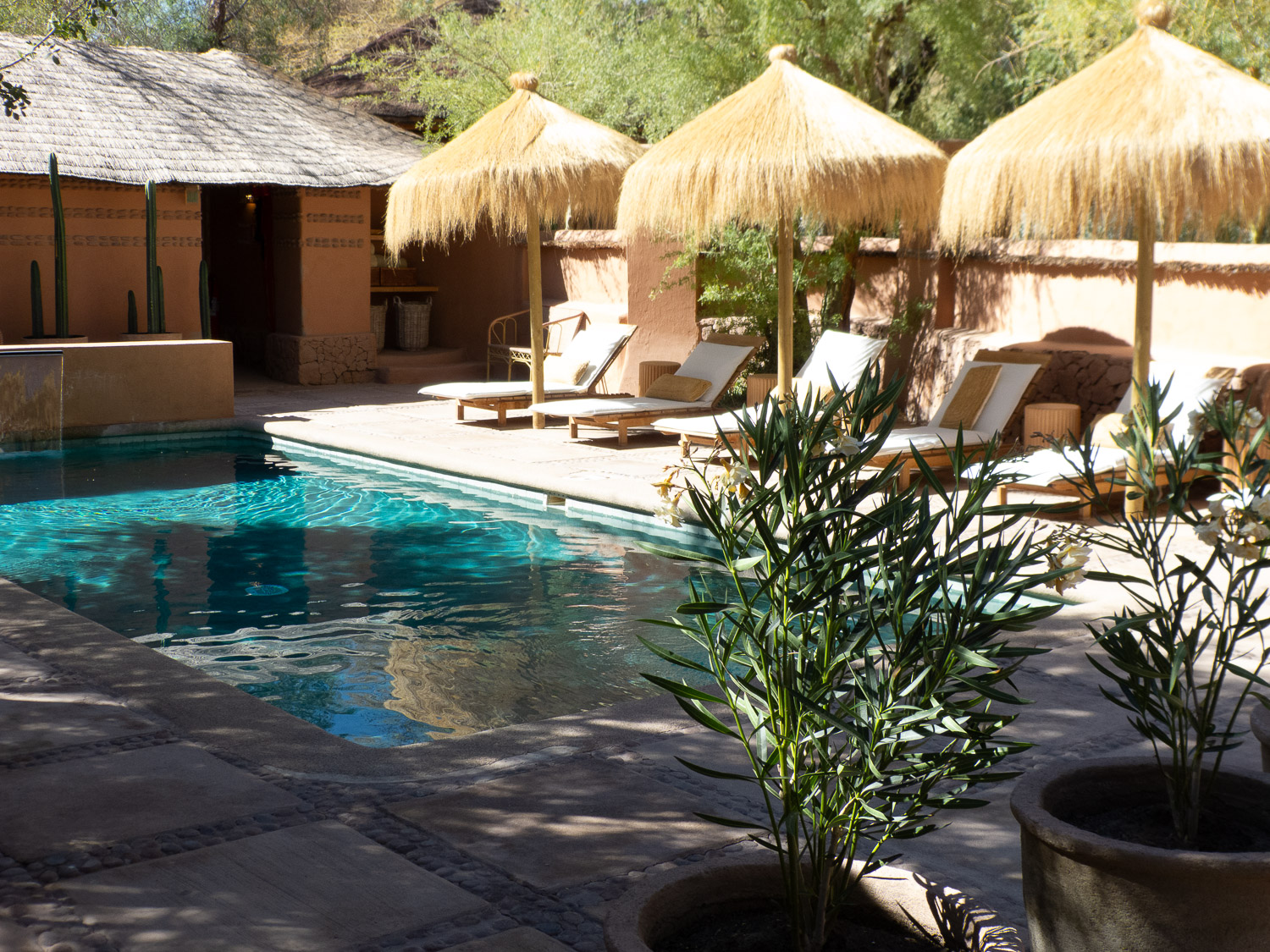
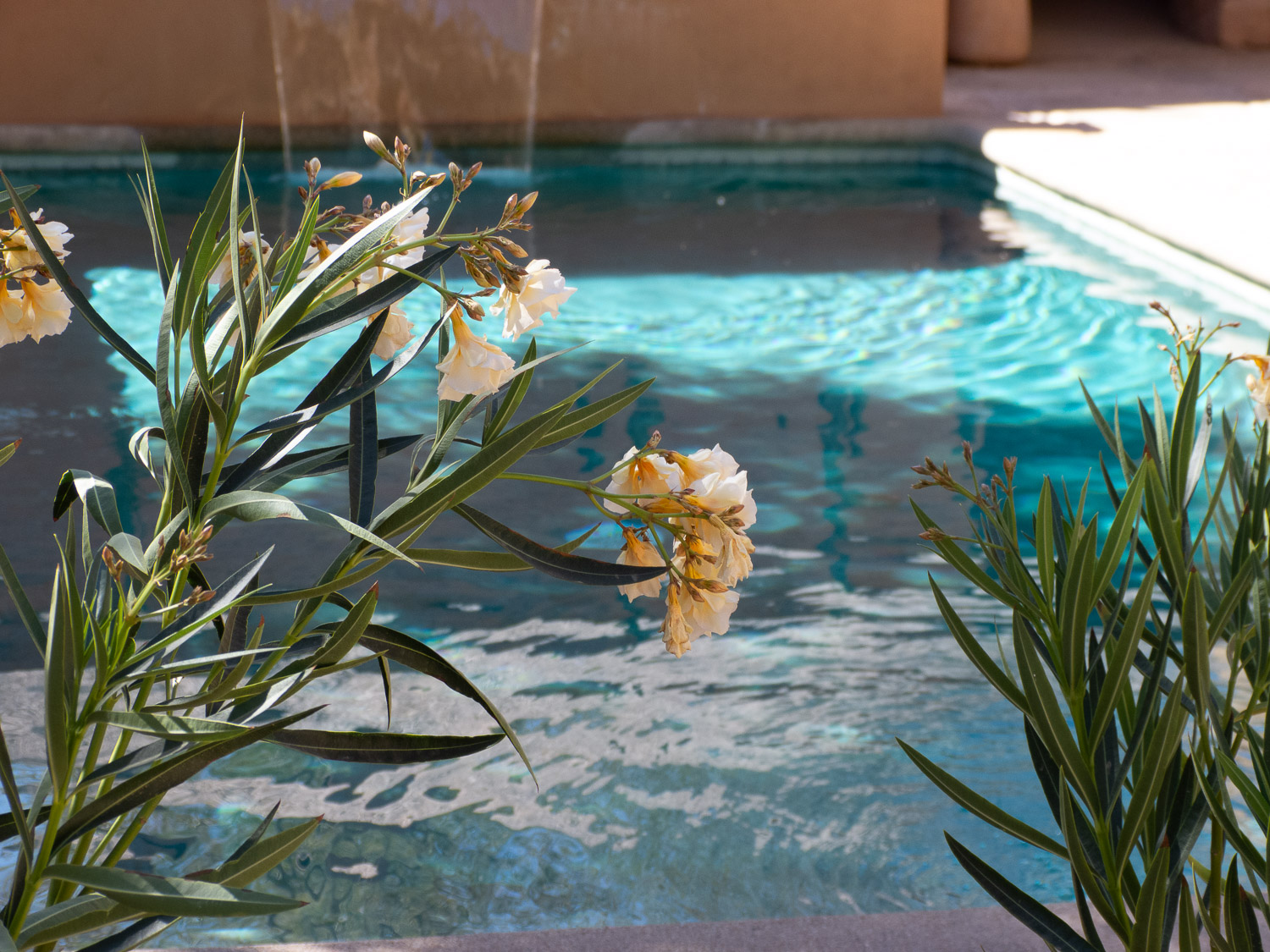
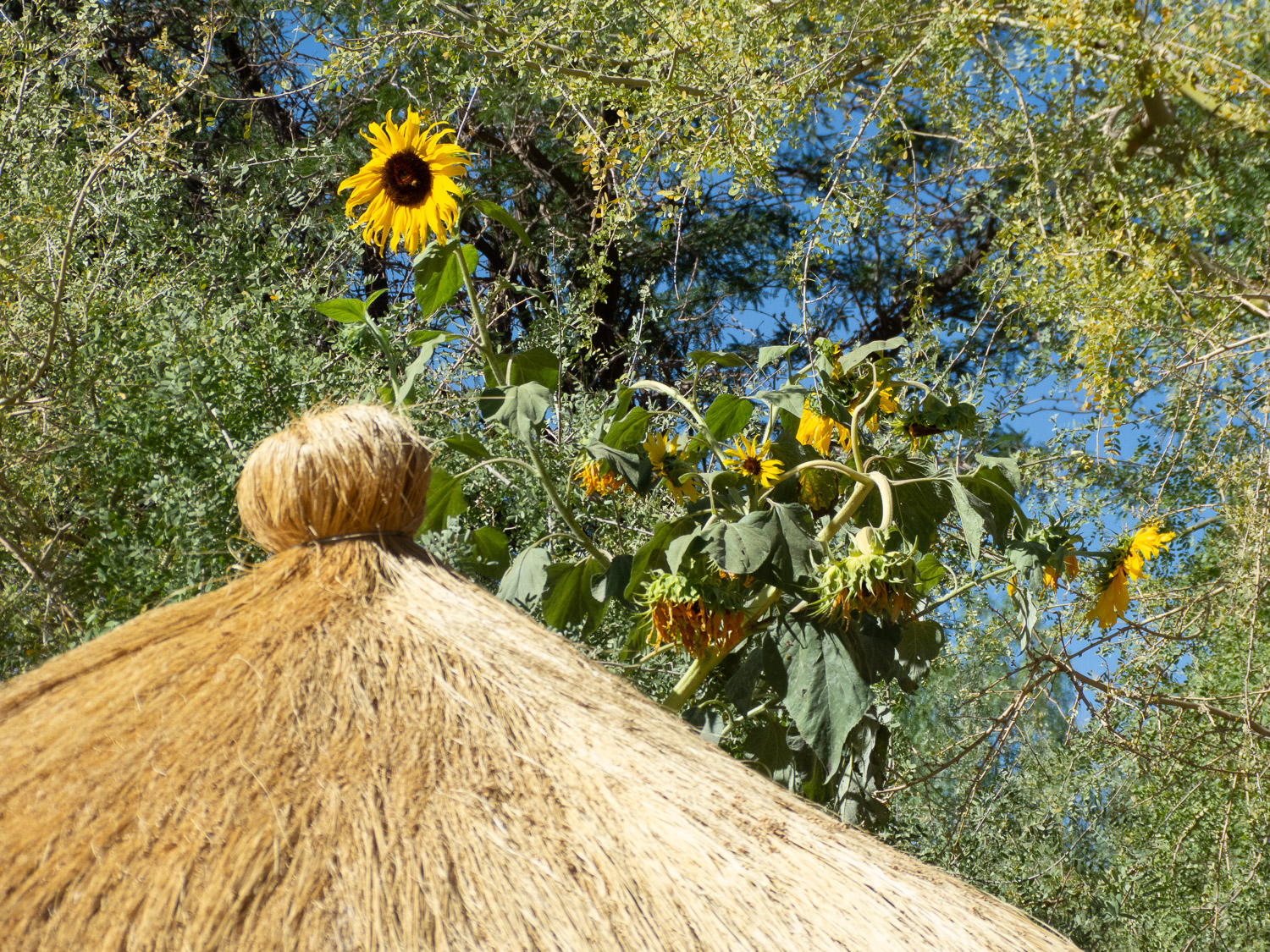
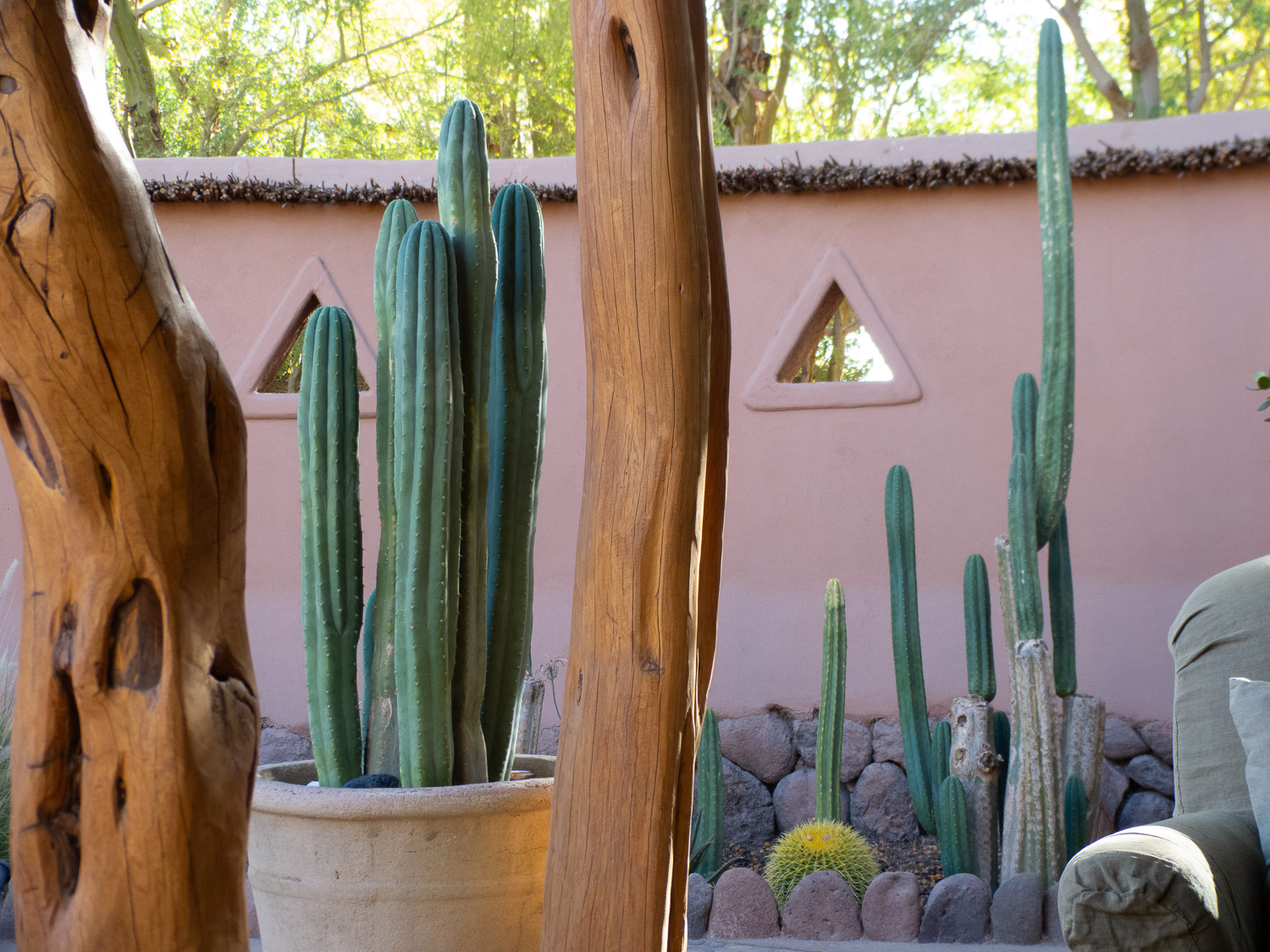
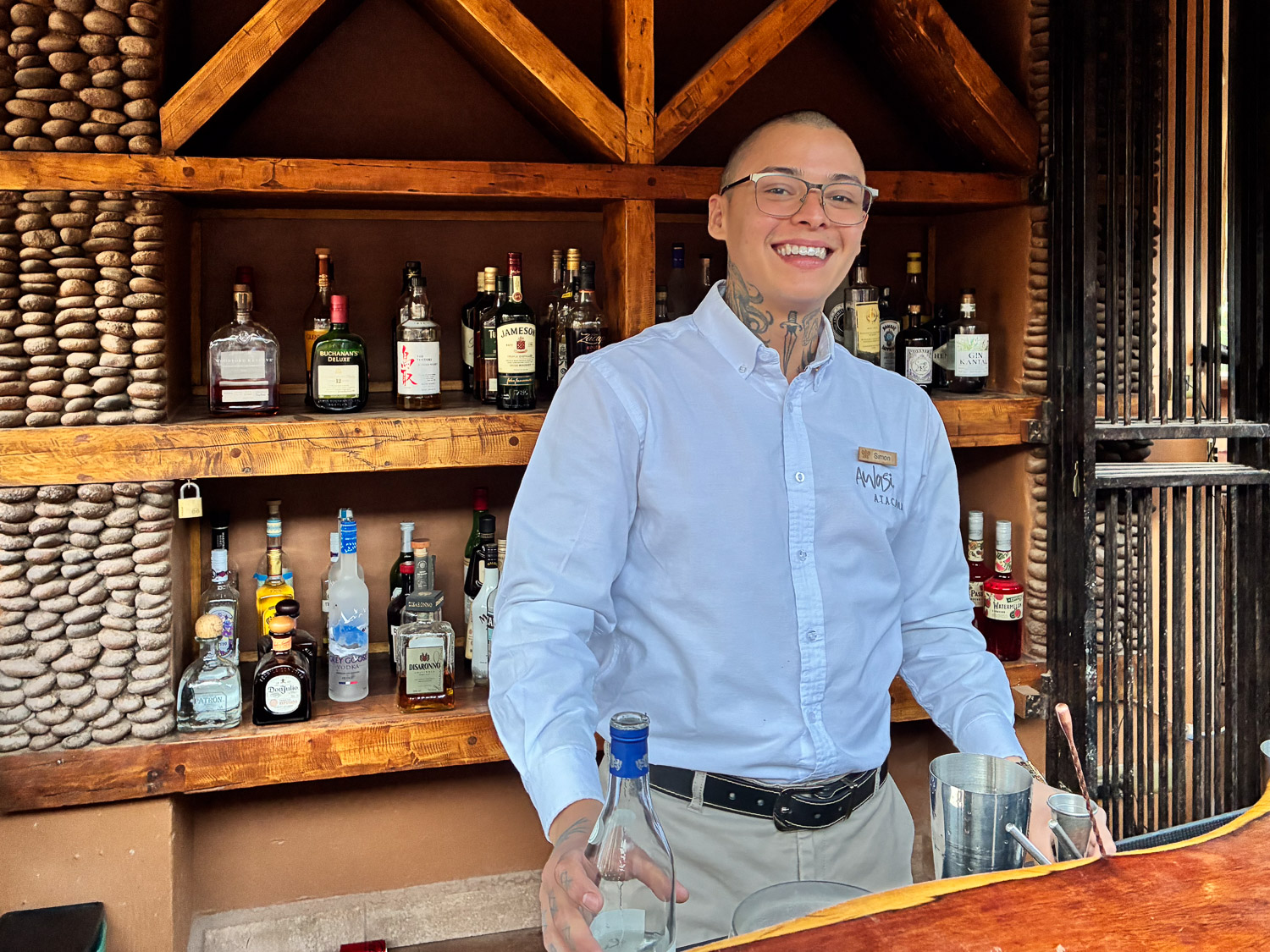
Awasi Atacama is a stunning small hotel in San Pedro (the tourist hub for the Atacama Desert). There are twelve adobe-style rooms. The place reminded me of hotels in Morocco (and it also had a bit of a safari camp vibe, despite actually being in the town). Service is very attentive and personal. We loved the artwork on display – and the little Andean dolls that were part of the place settings in the restaurant. Given the altitude, we knew that drinking too much would be unwise, but it was difficult to resist the enticing offers from the barman and the sommelier…
Annette found the altitude quite difficult (San Pedro is only 2400 metres, but some of the excursions went on 4000 metres). The air was extremely dry, so eye drops and copious amounts of moisturiser were required.
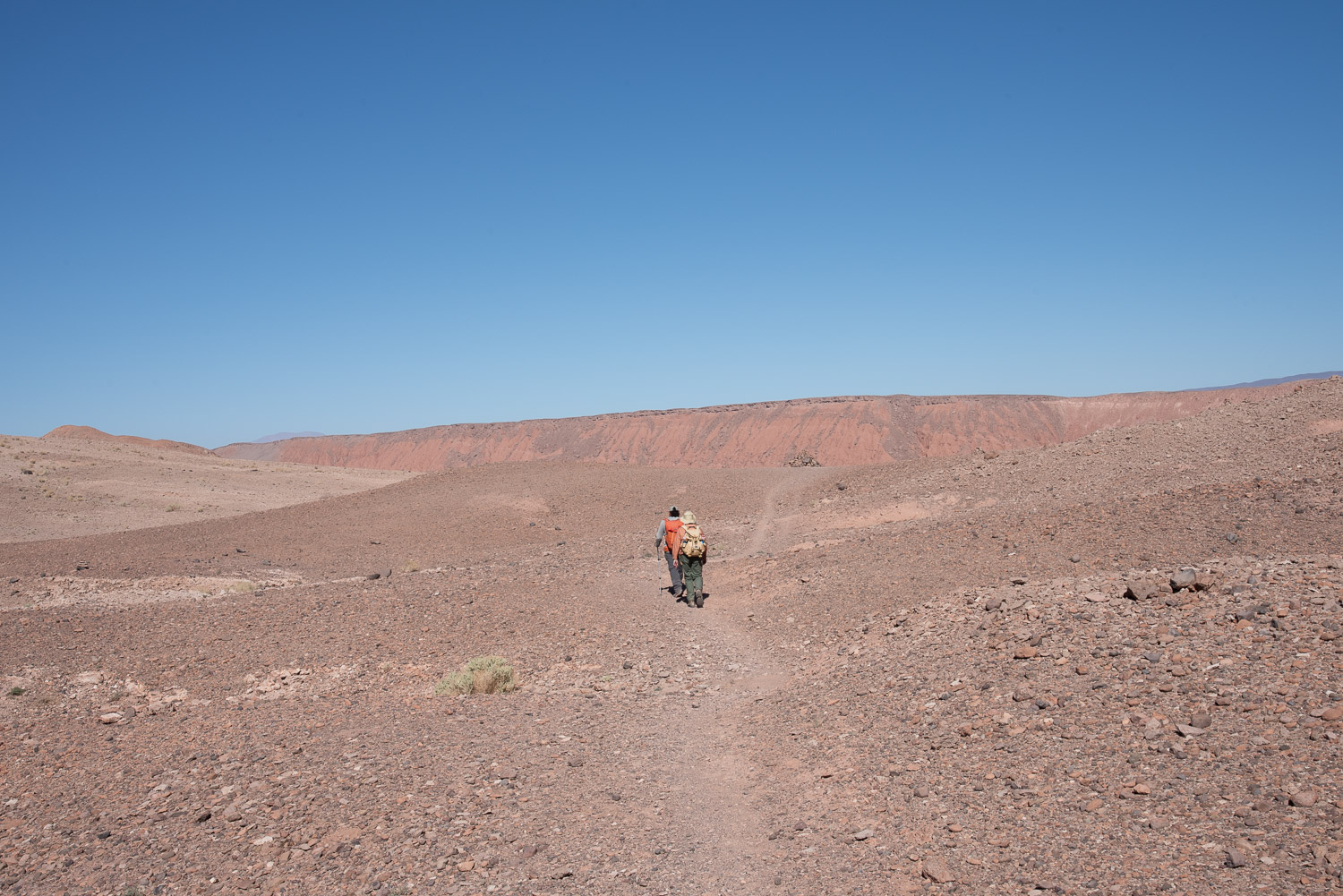
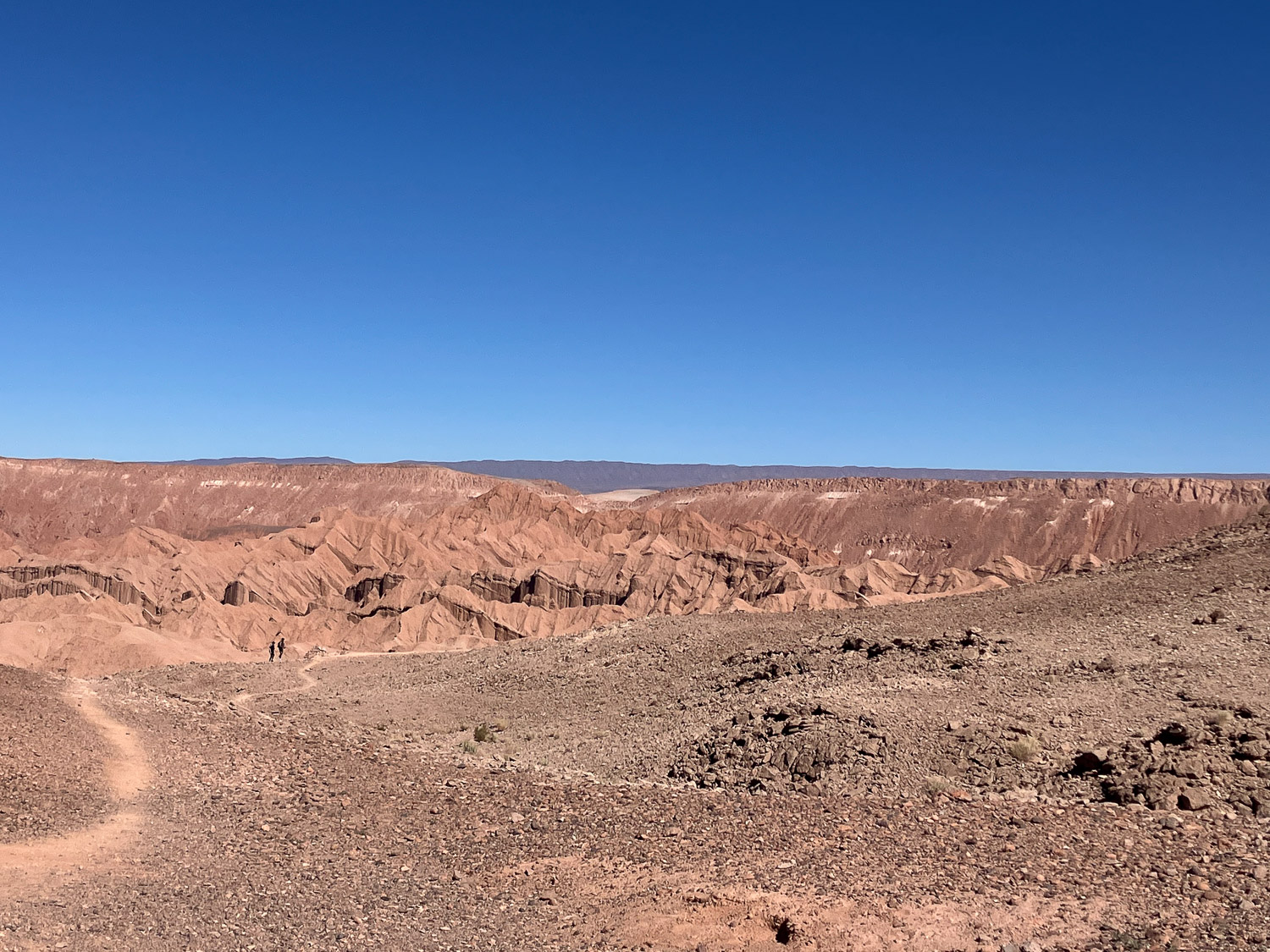
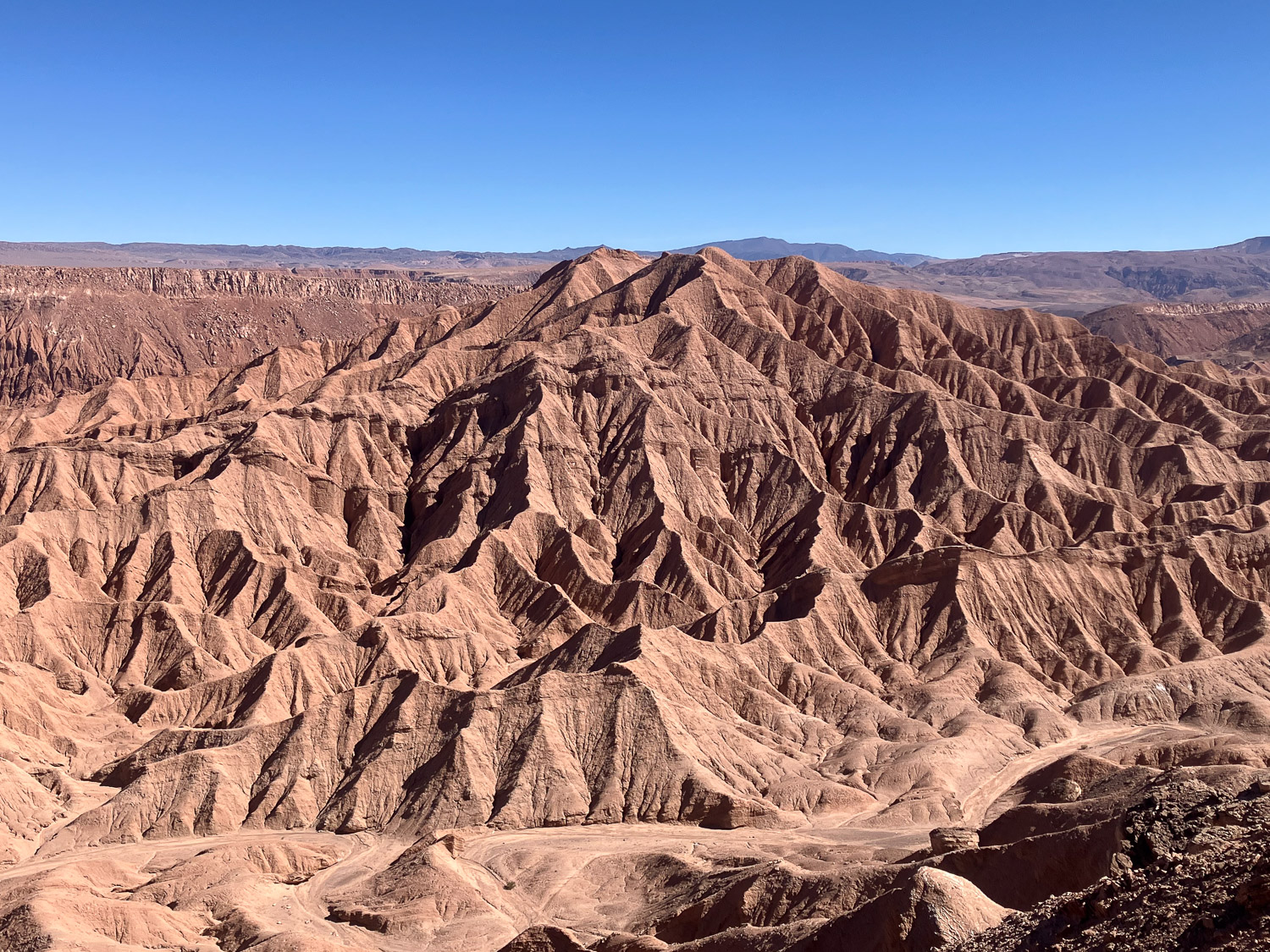
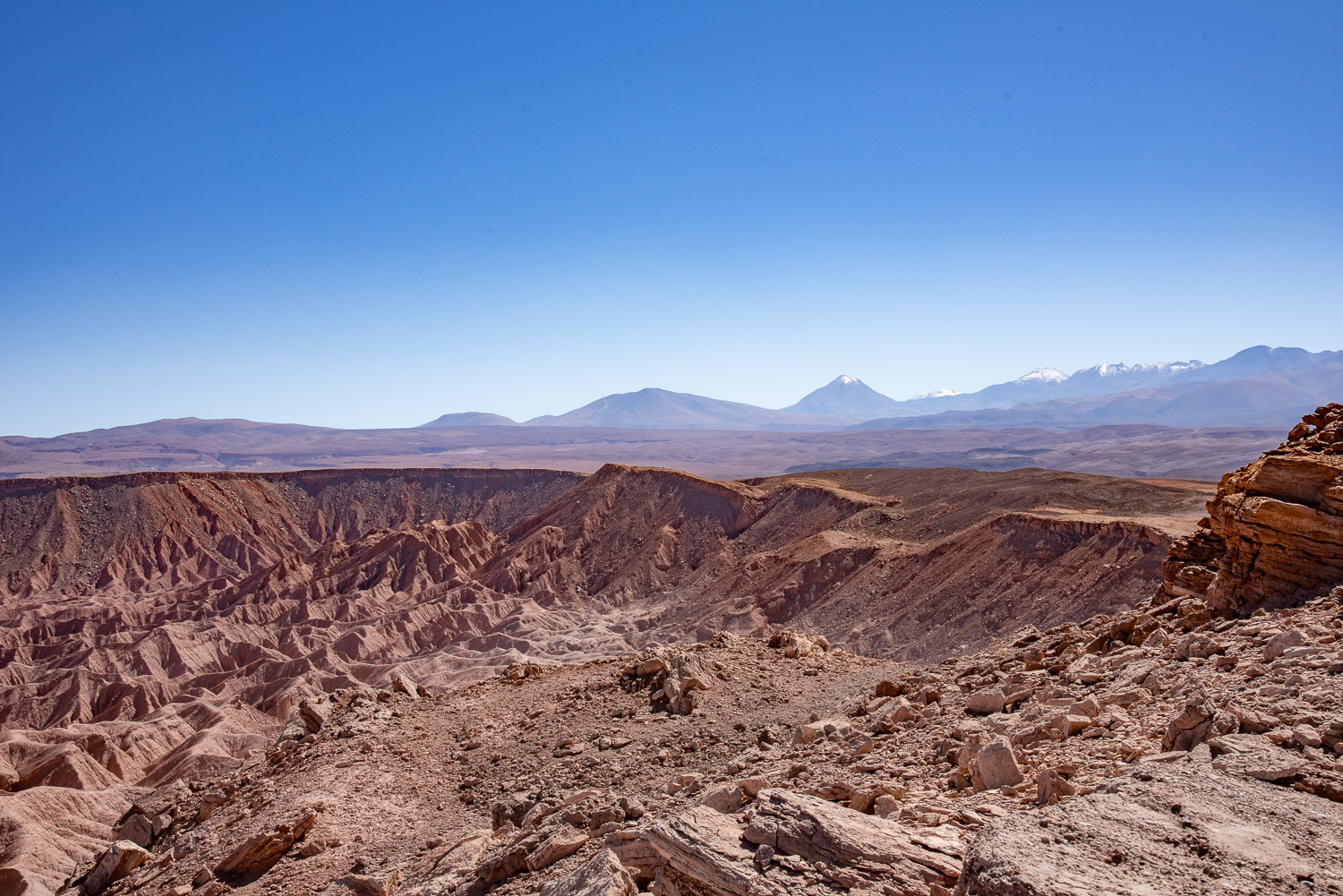
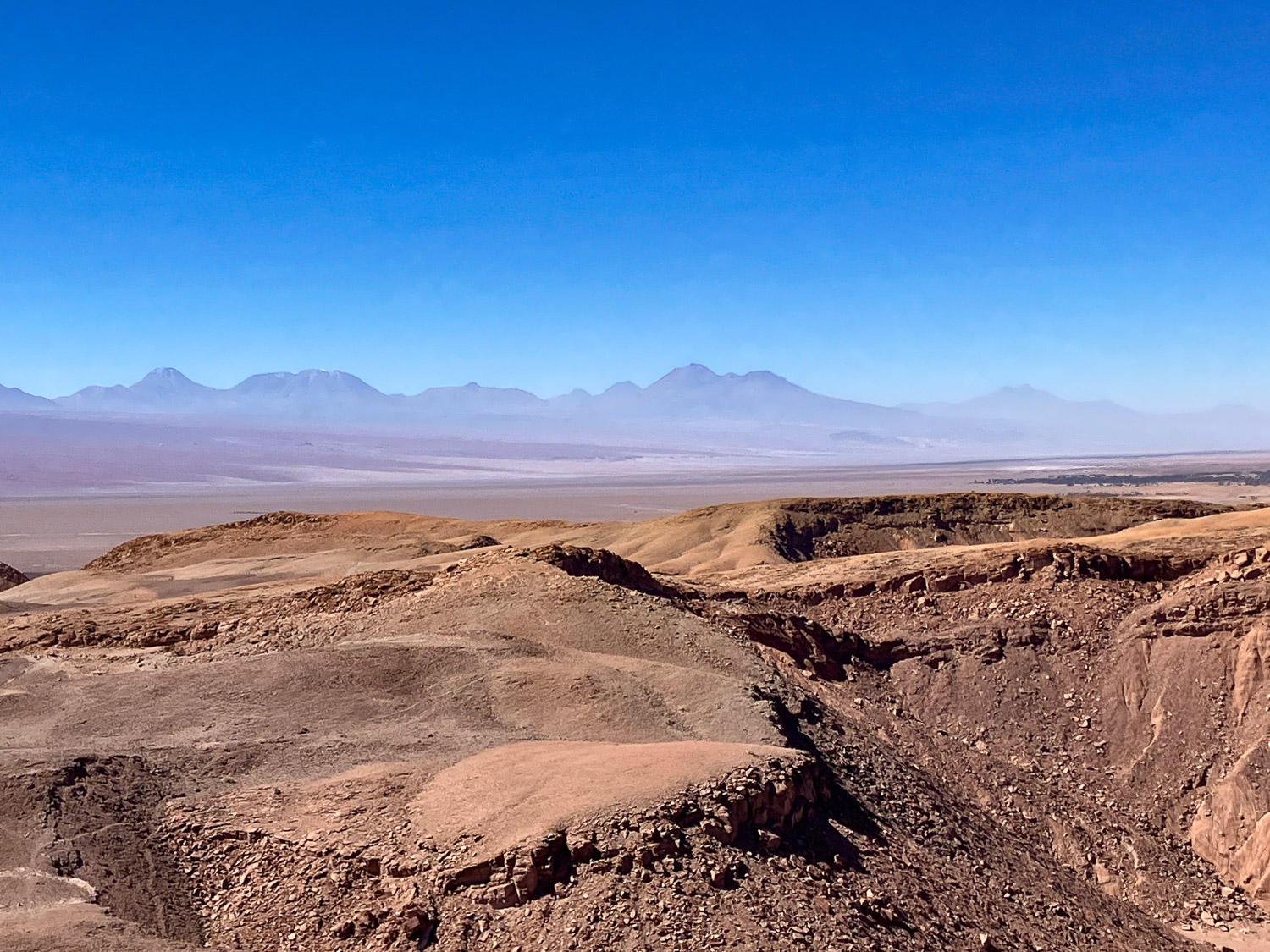
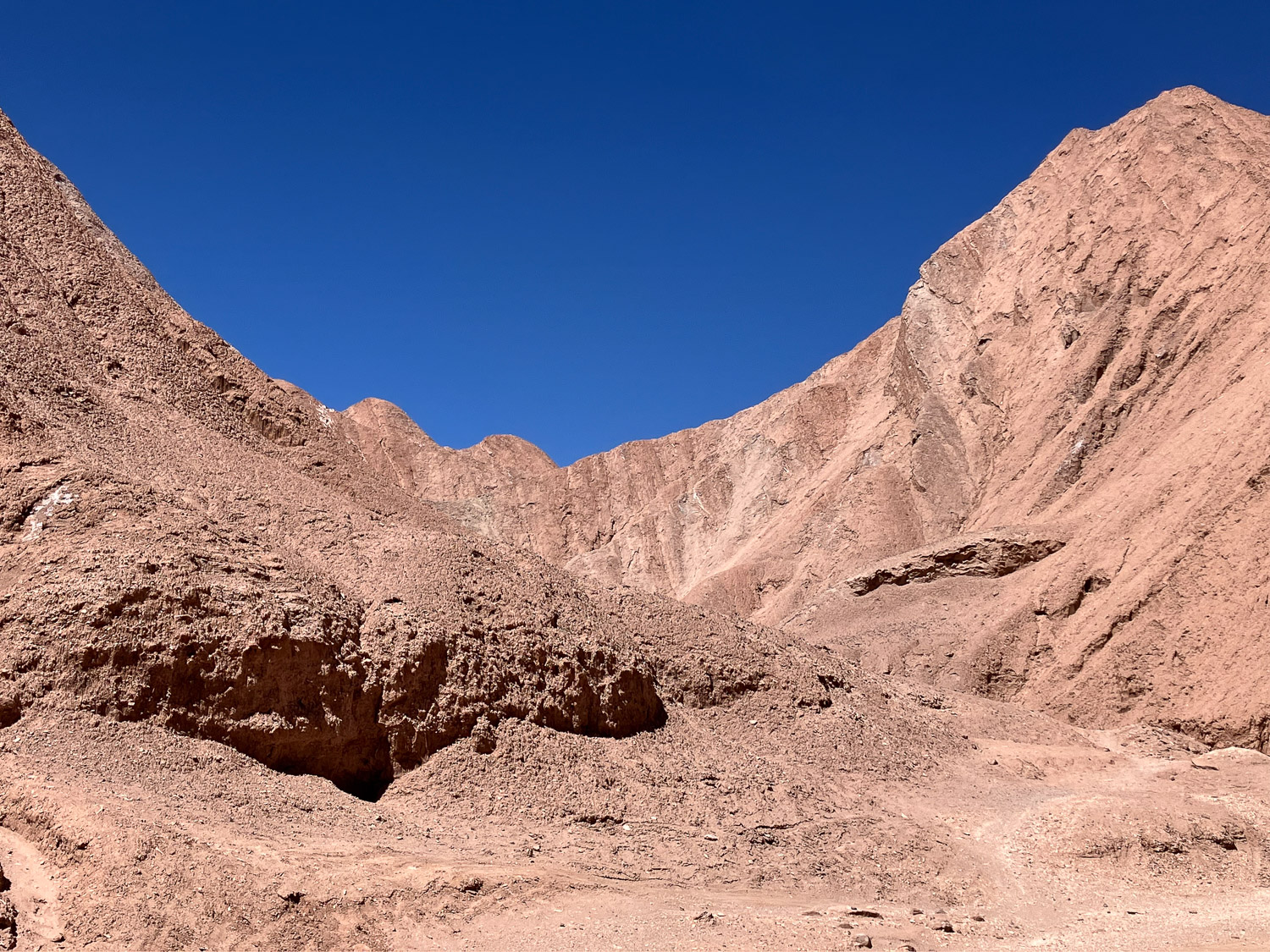
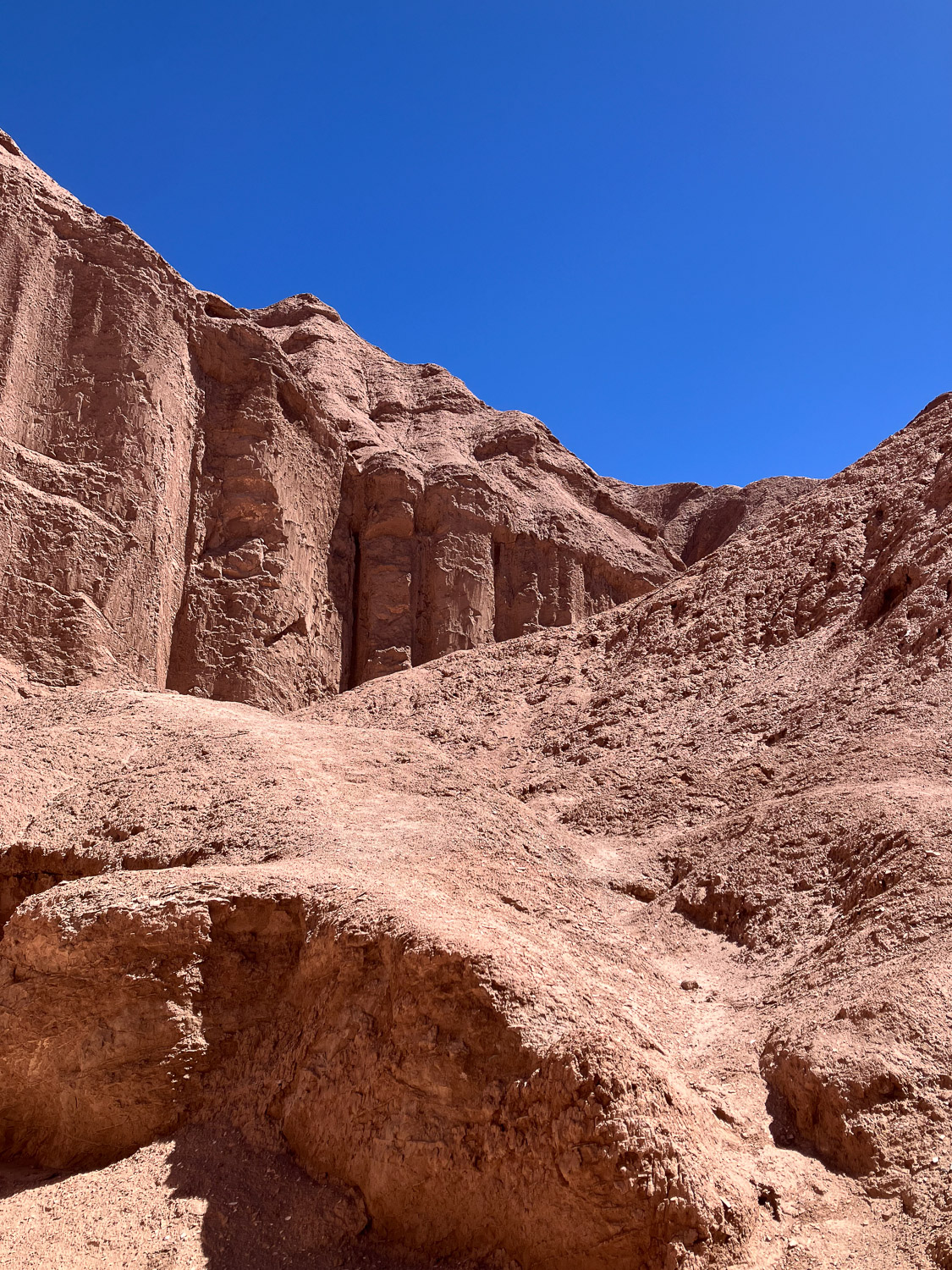
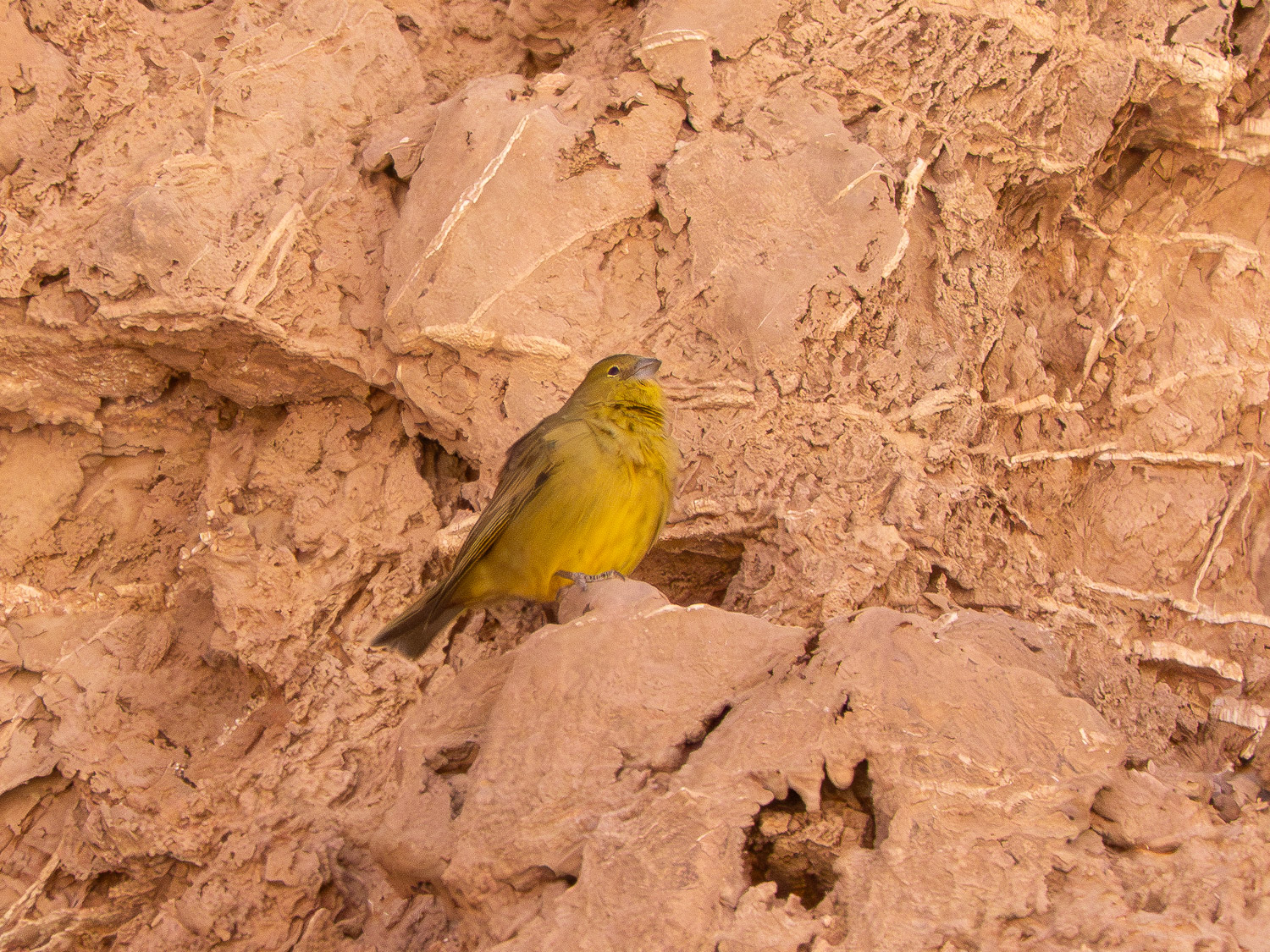
Garganta del Diablo
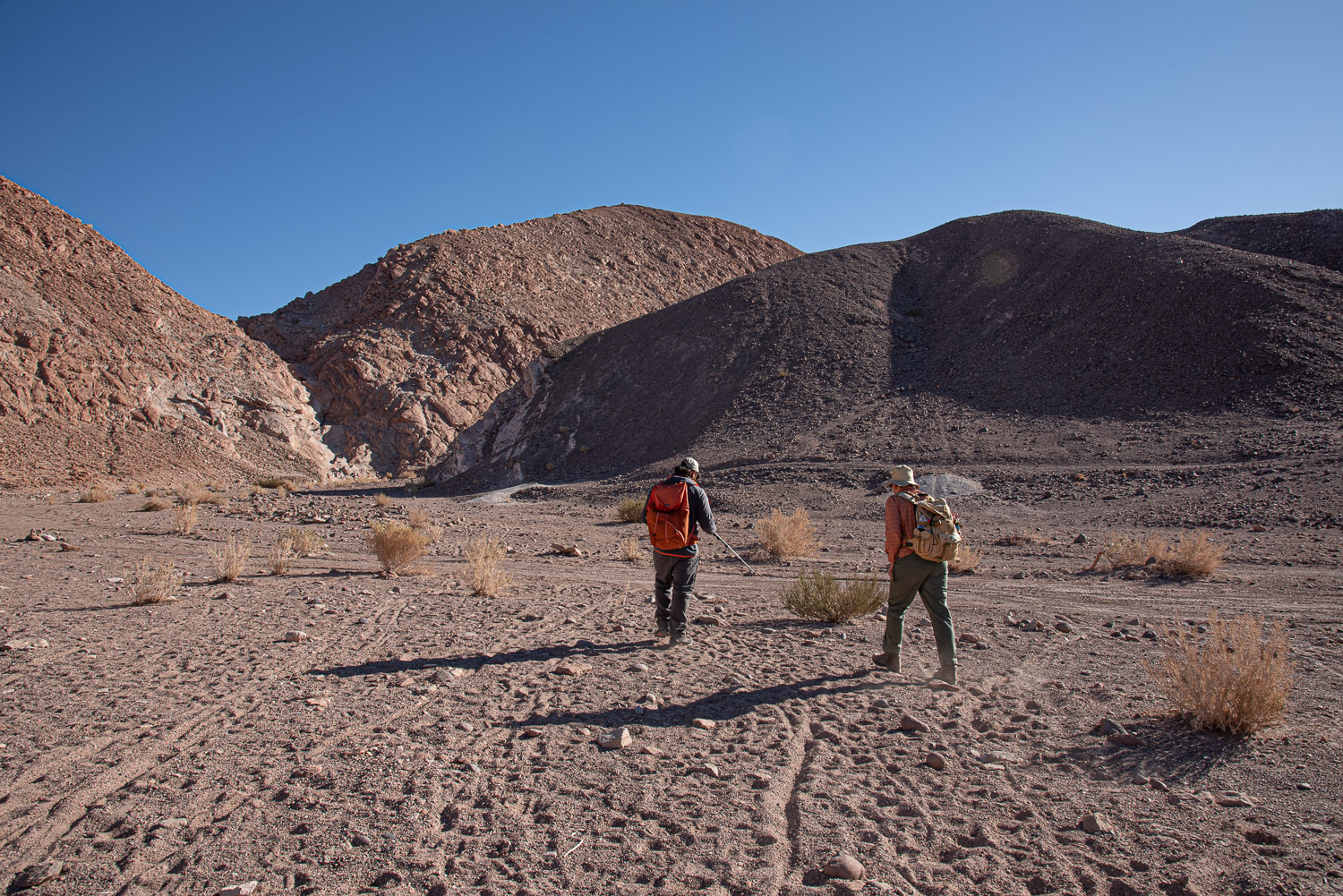
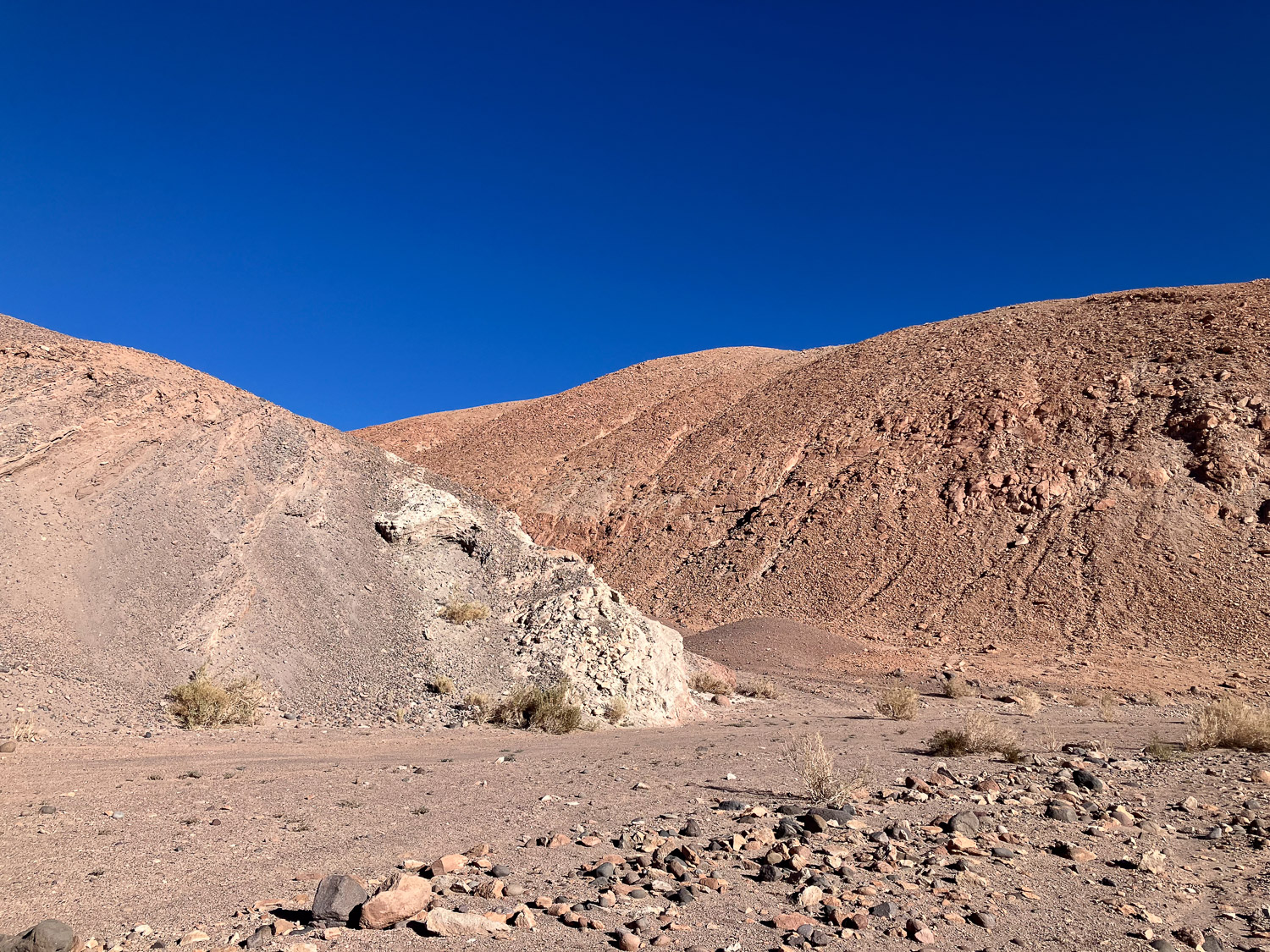
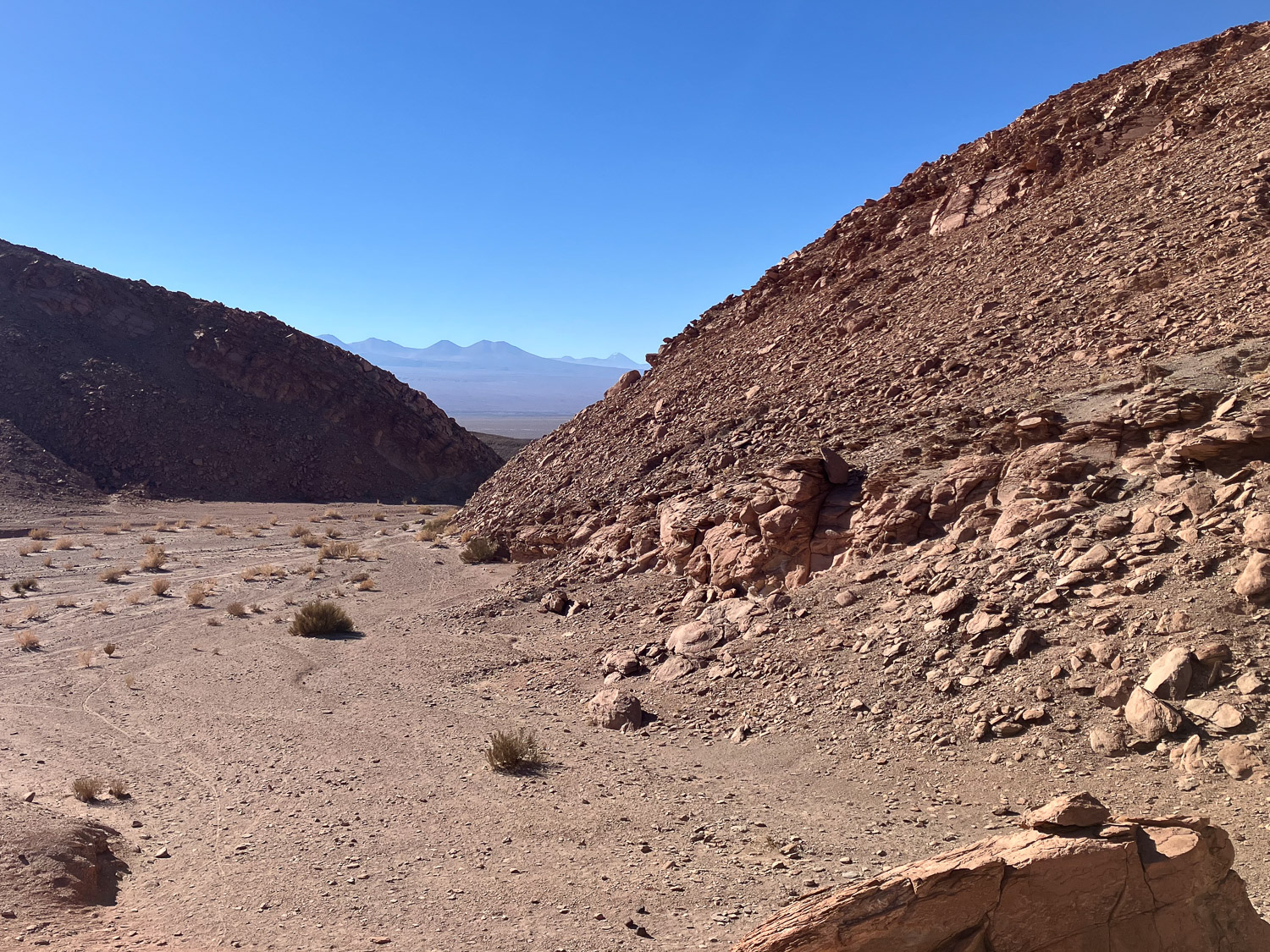
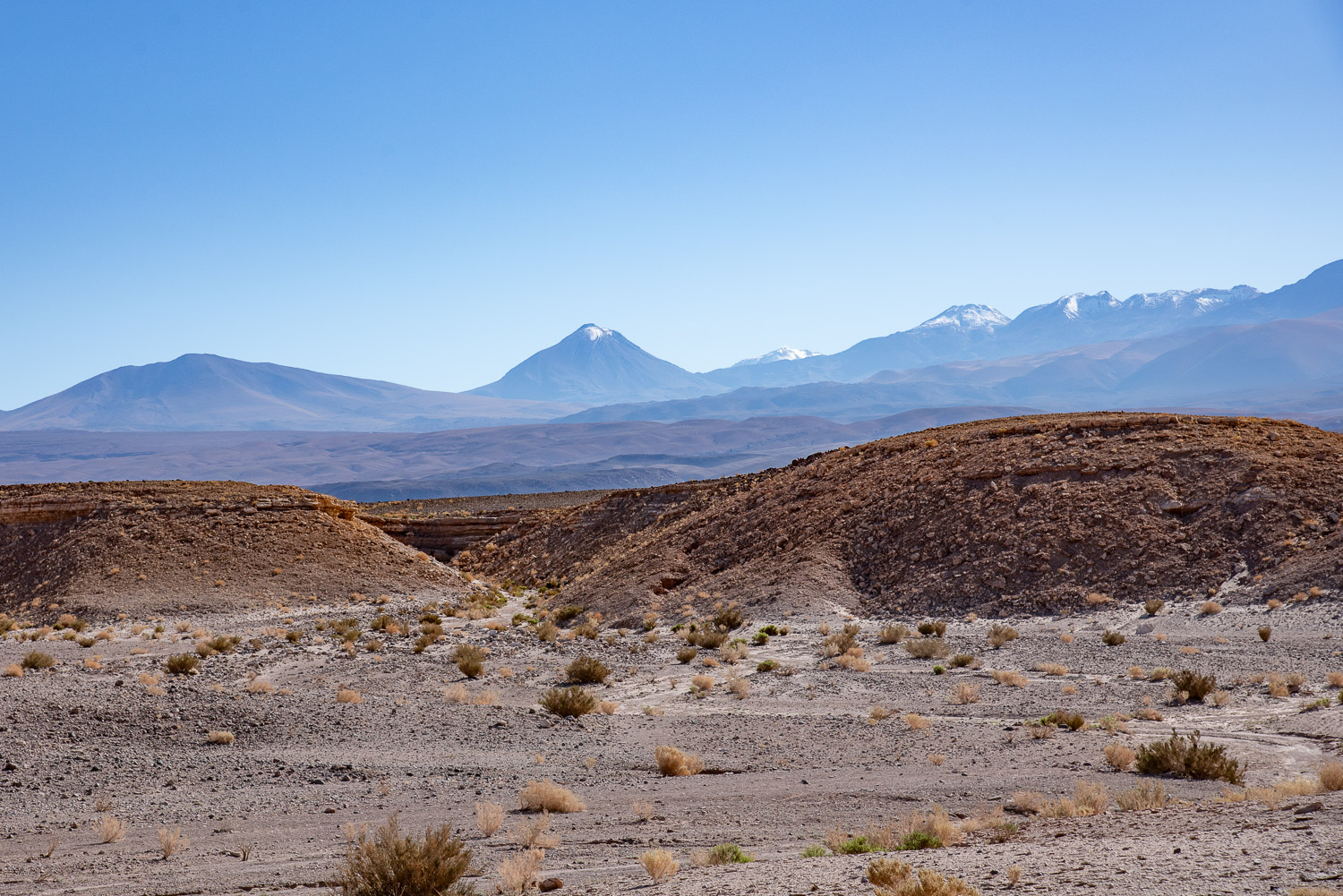
Our first walk was to the ‘Devil’s Throat’. The landscape here reminded us a bit of Jordan – but with a backdrop of some pretty serious volcanoes!
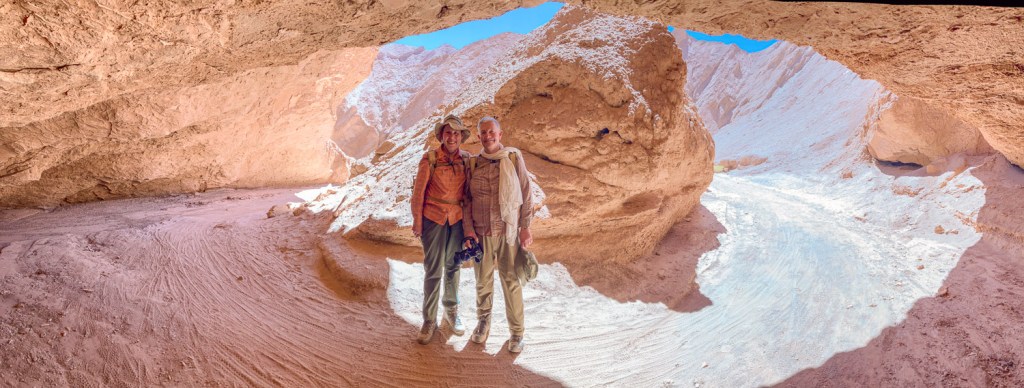
Chaxa Lagoon
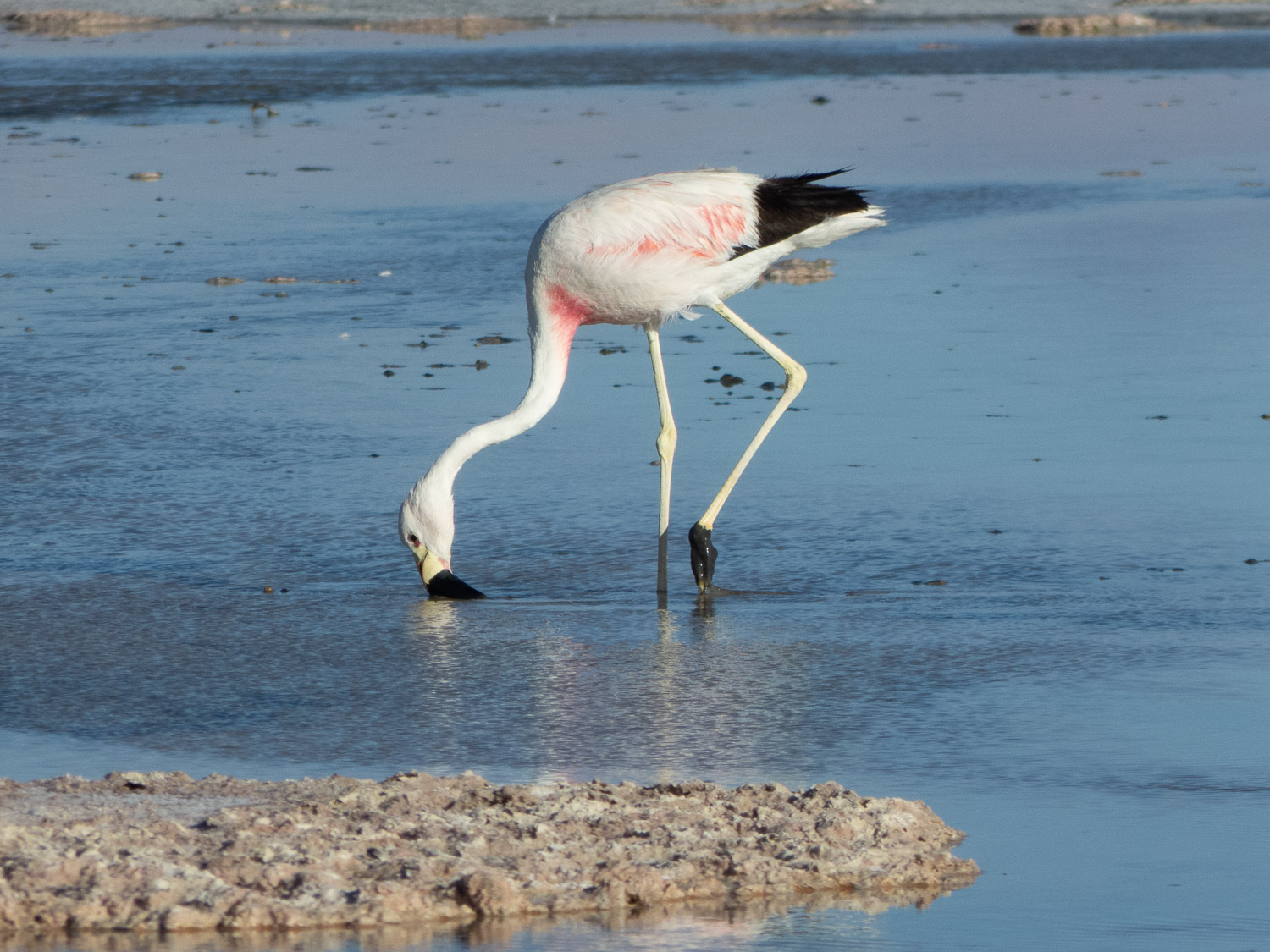
Late afternoon excursion to Chaxa Lagoon to see flamingoes.
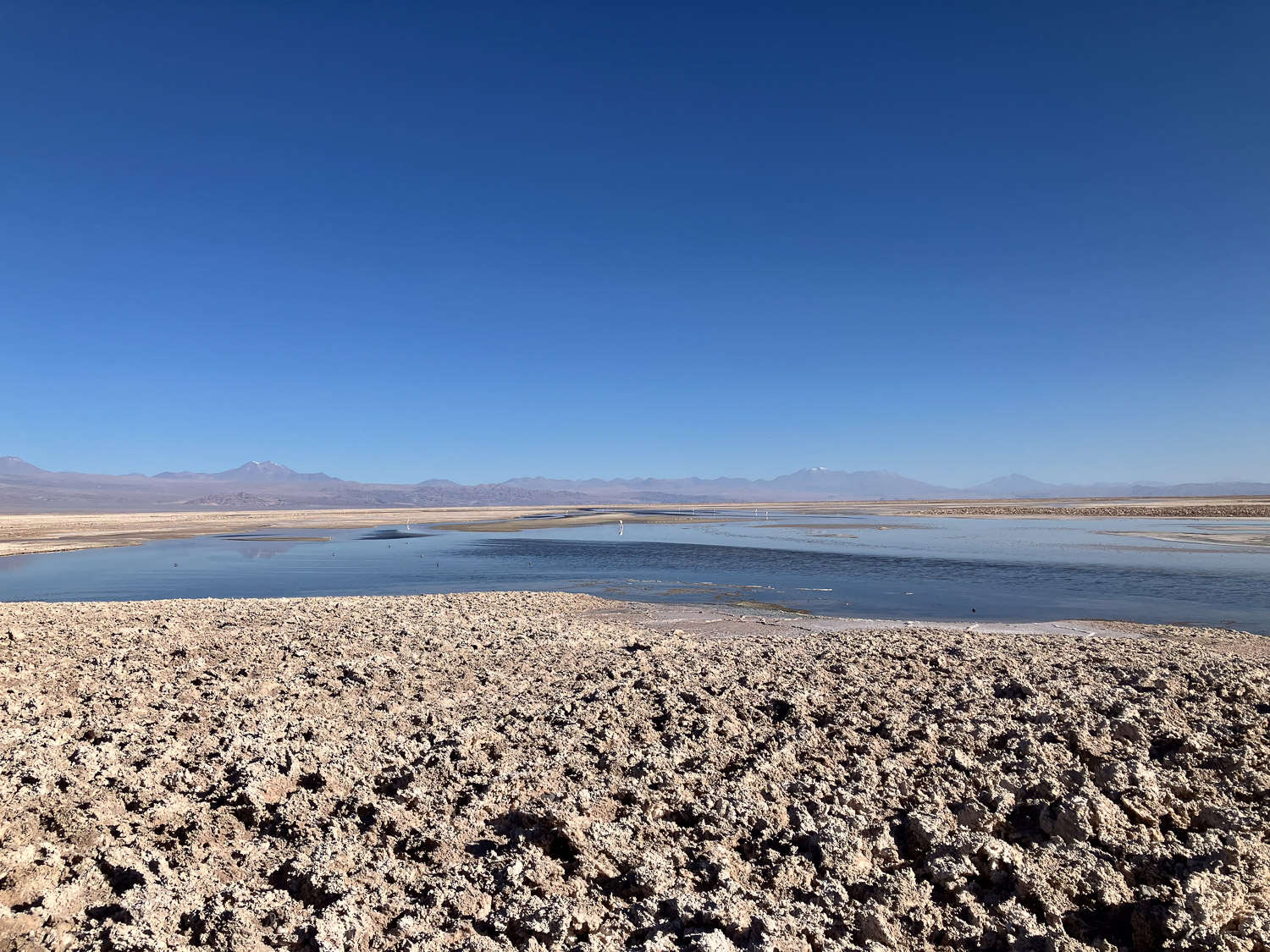
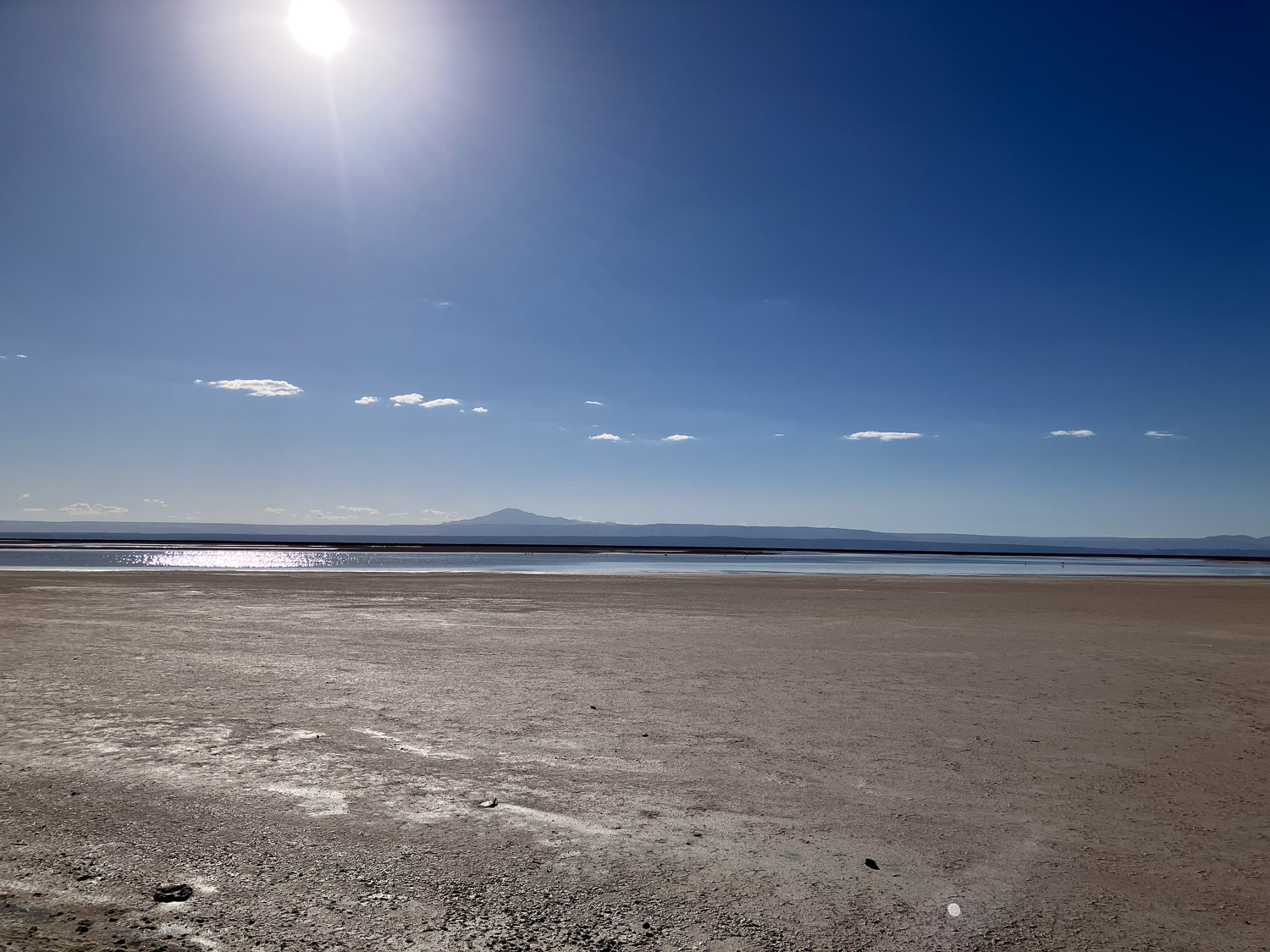
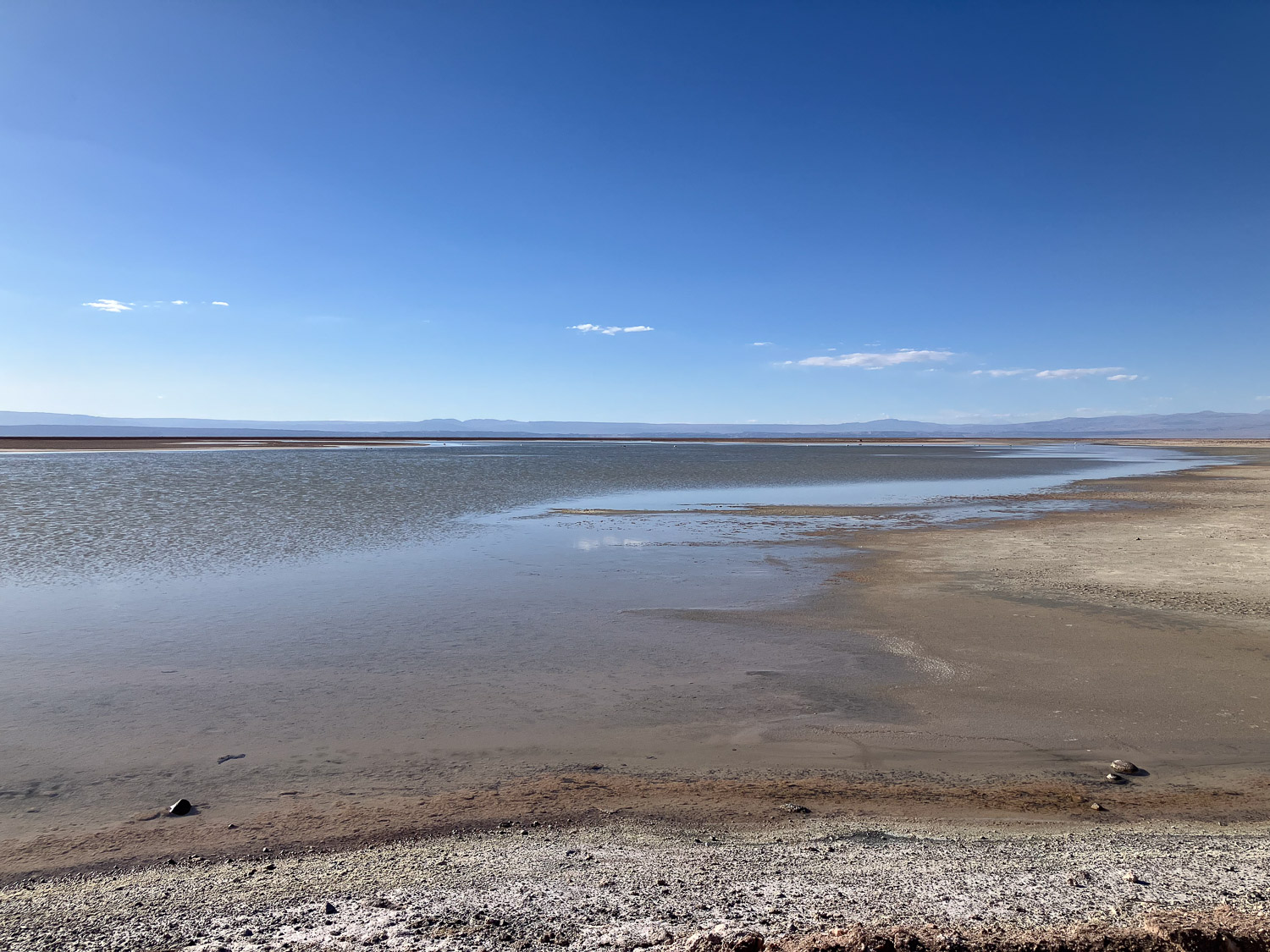
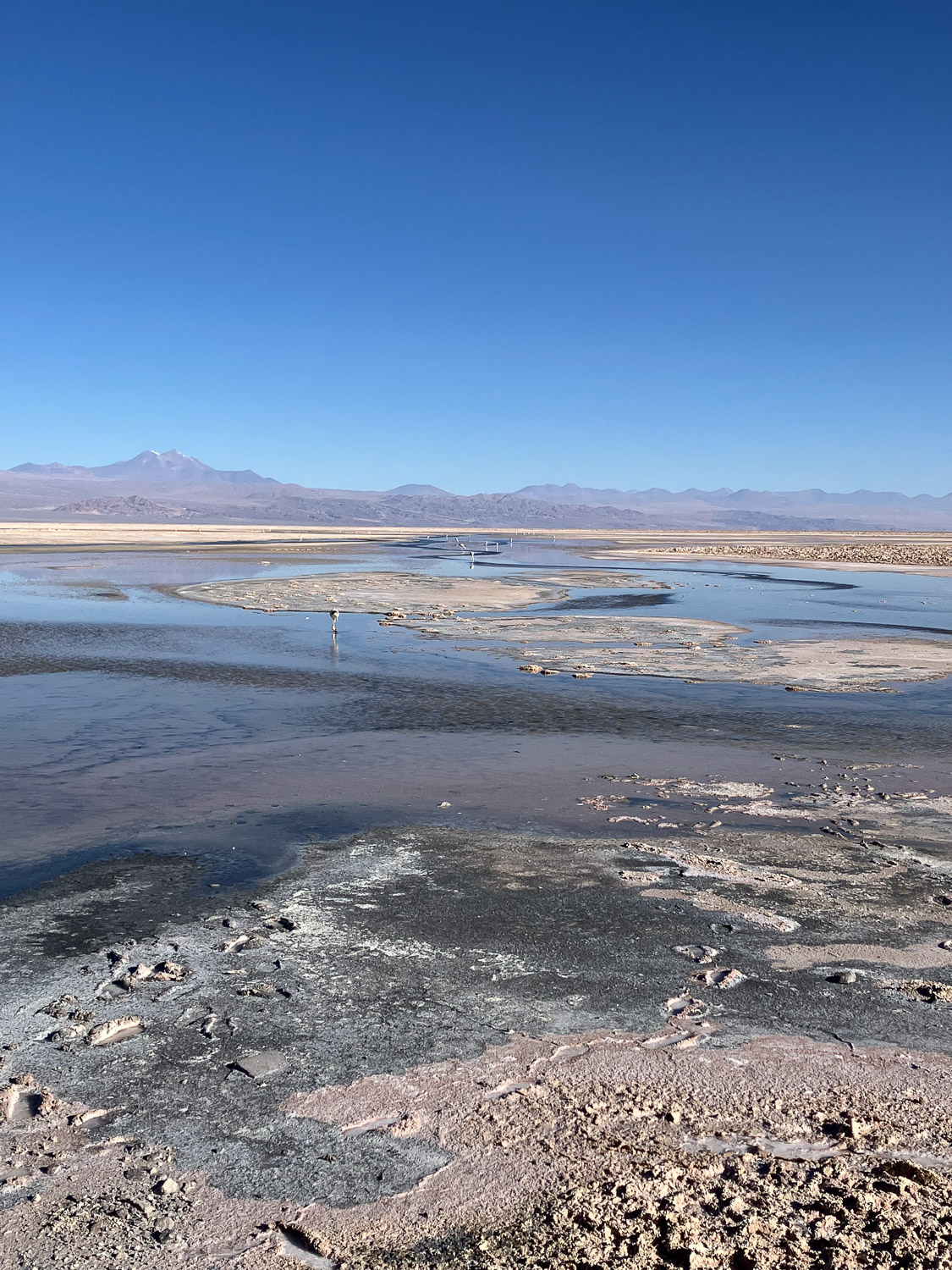
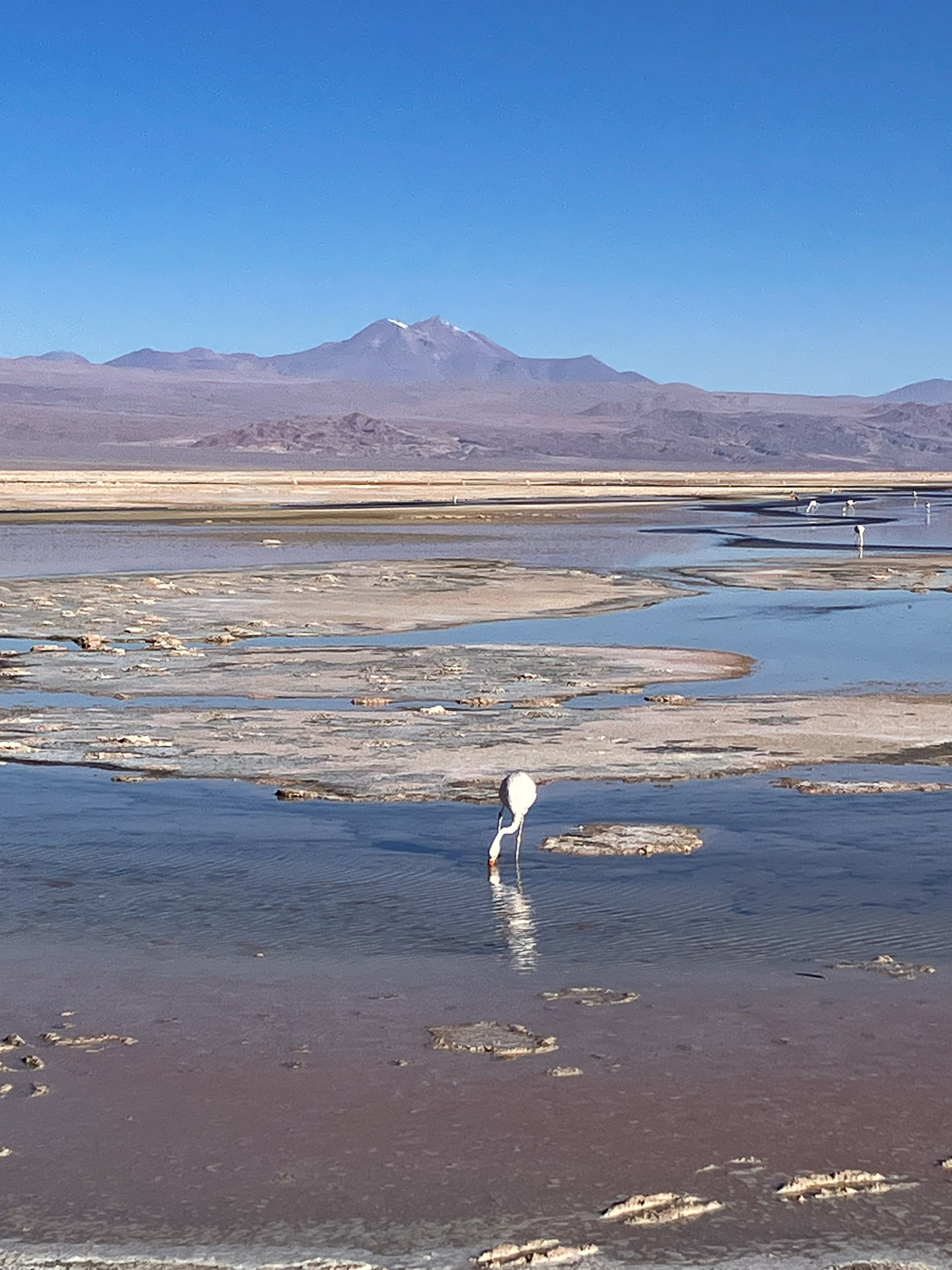
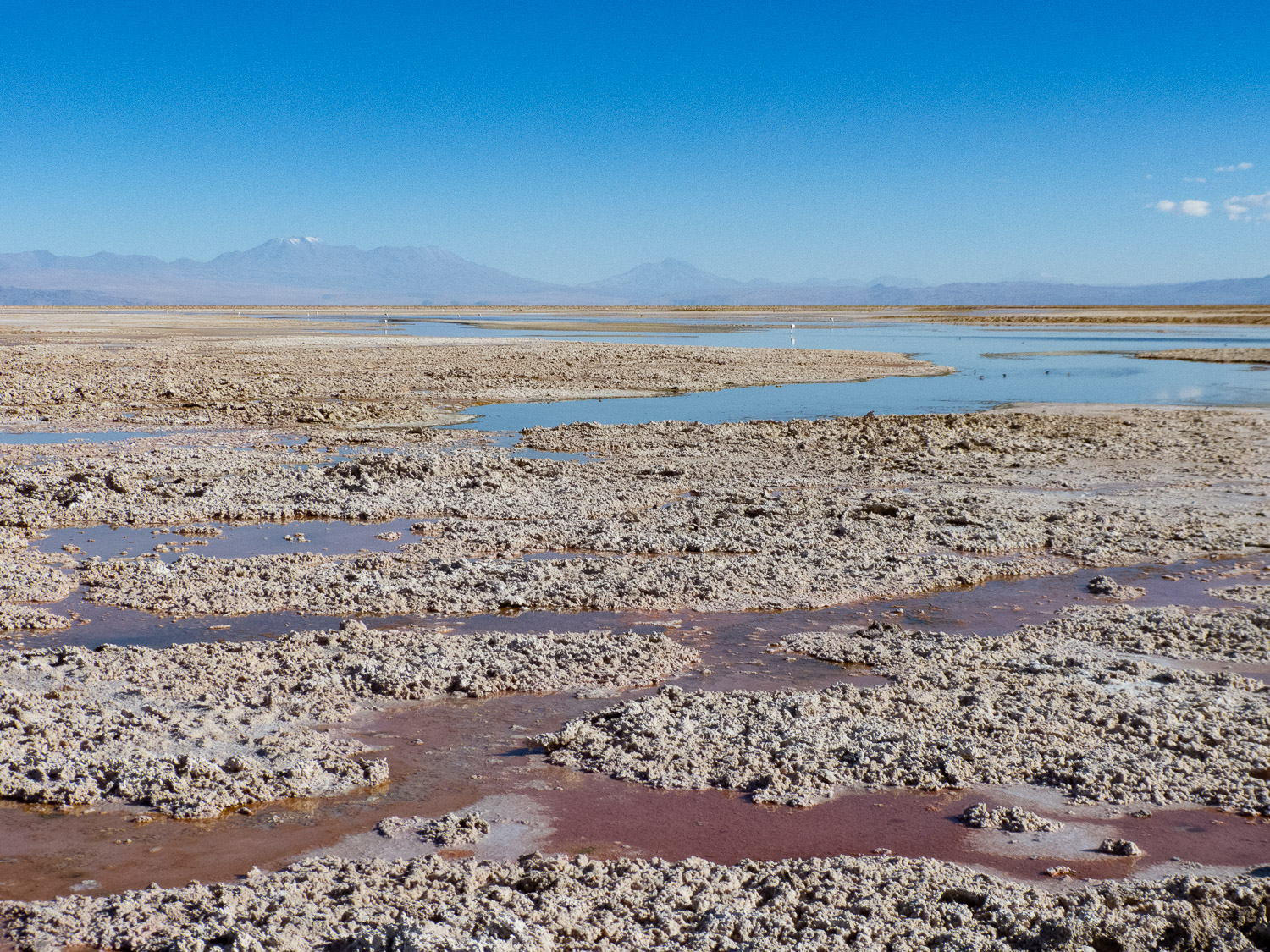
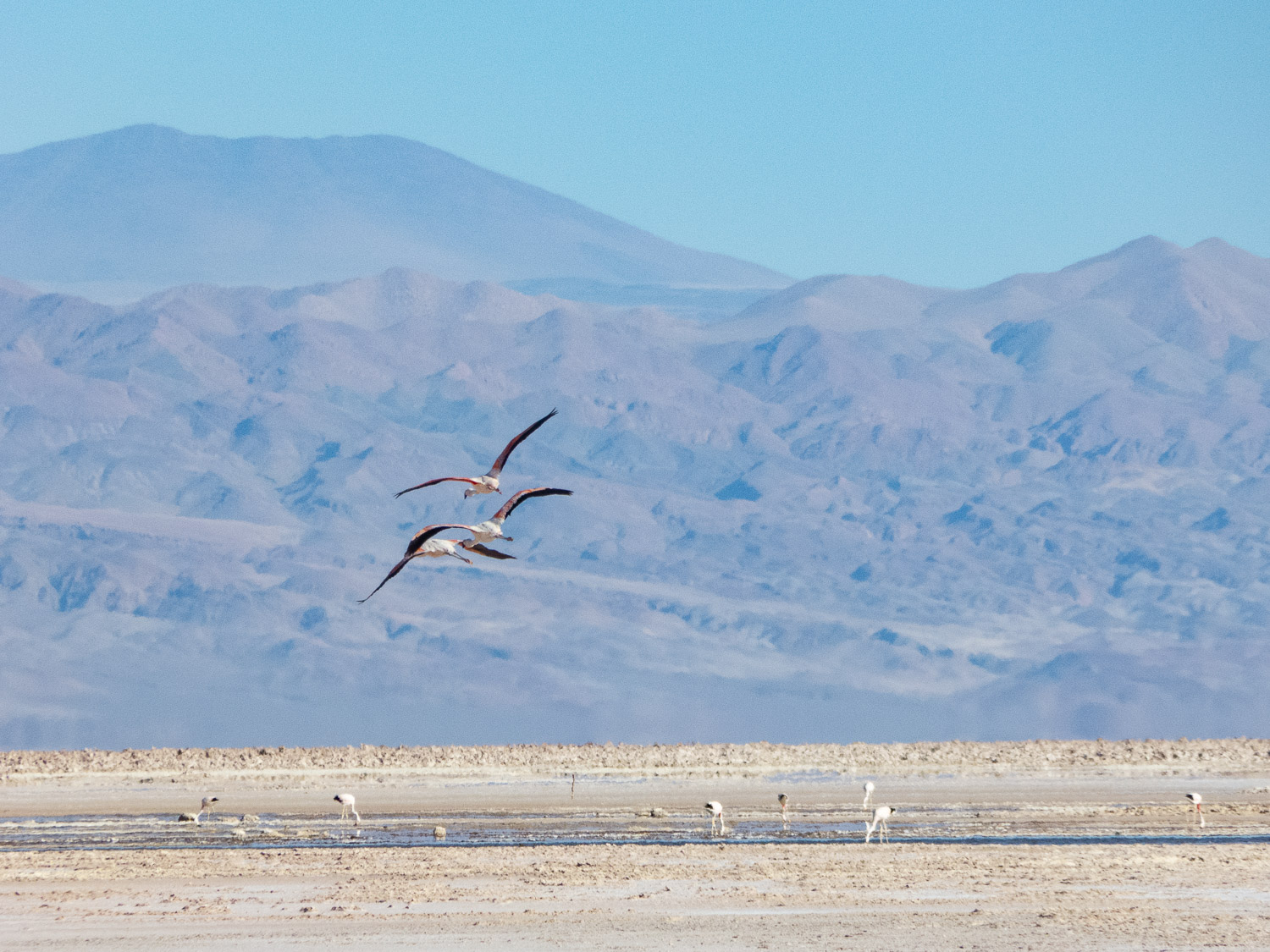
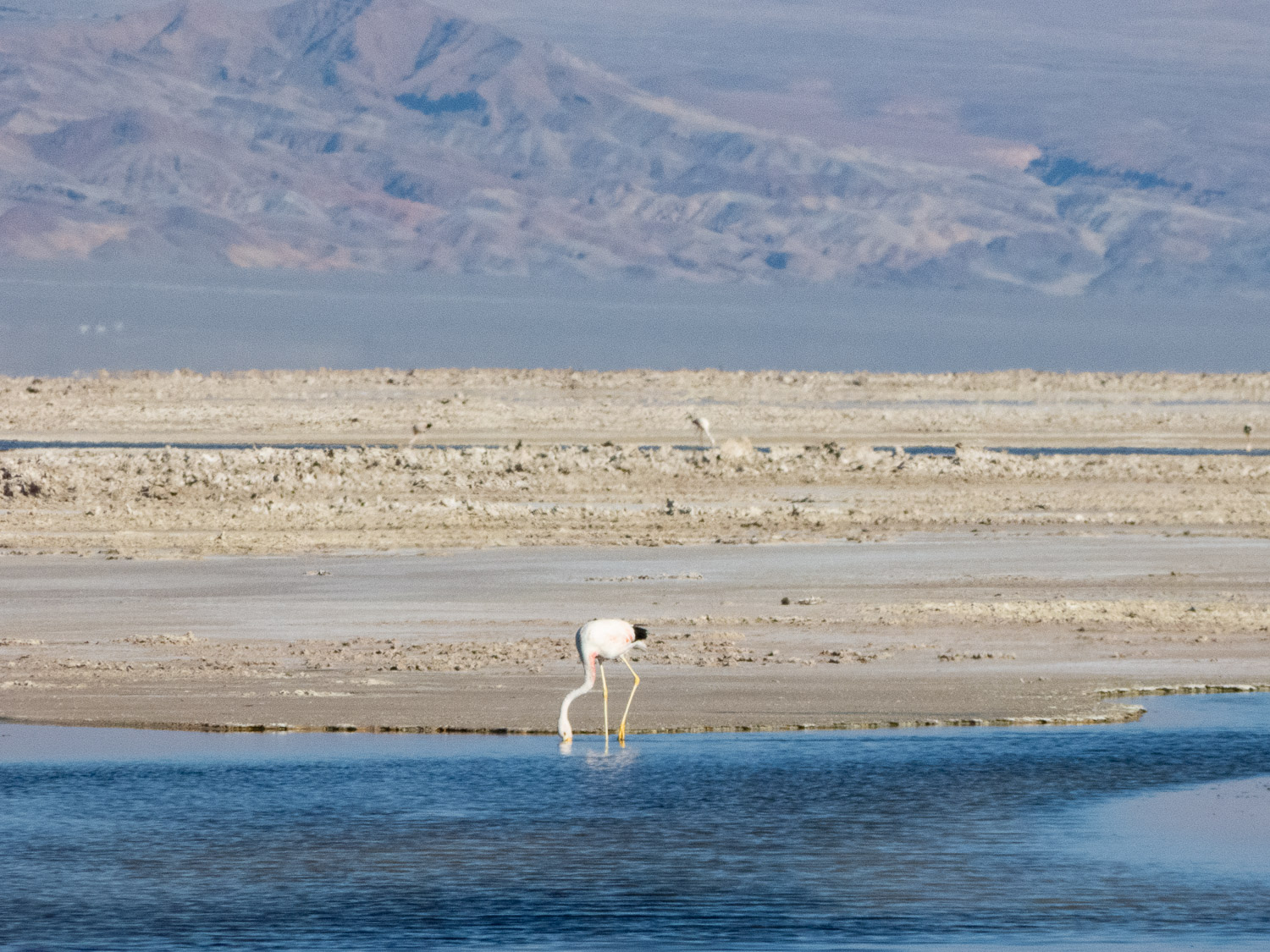
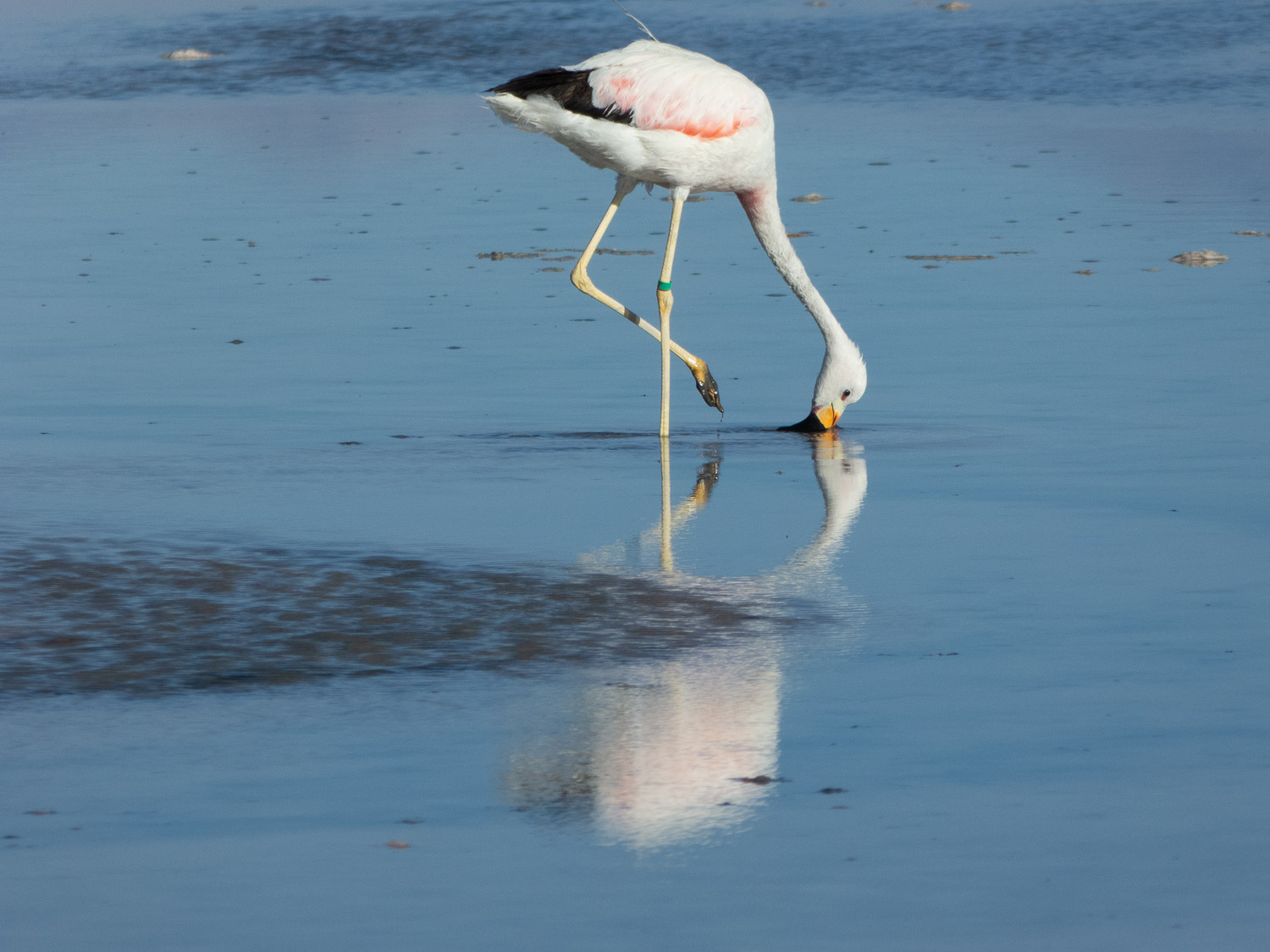
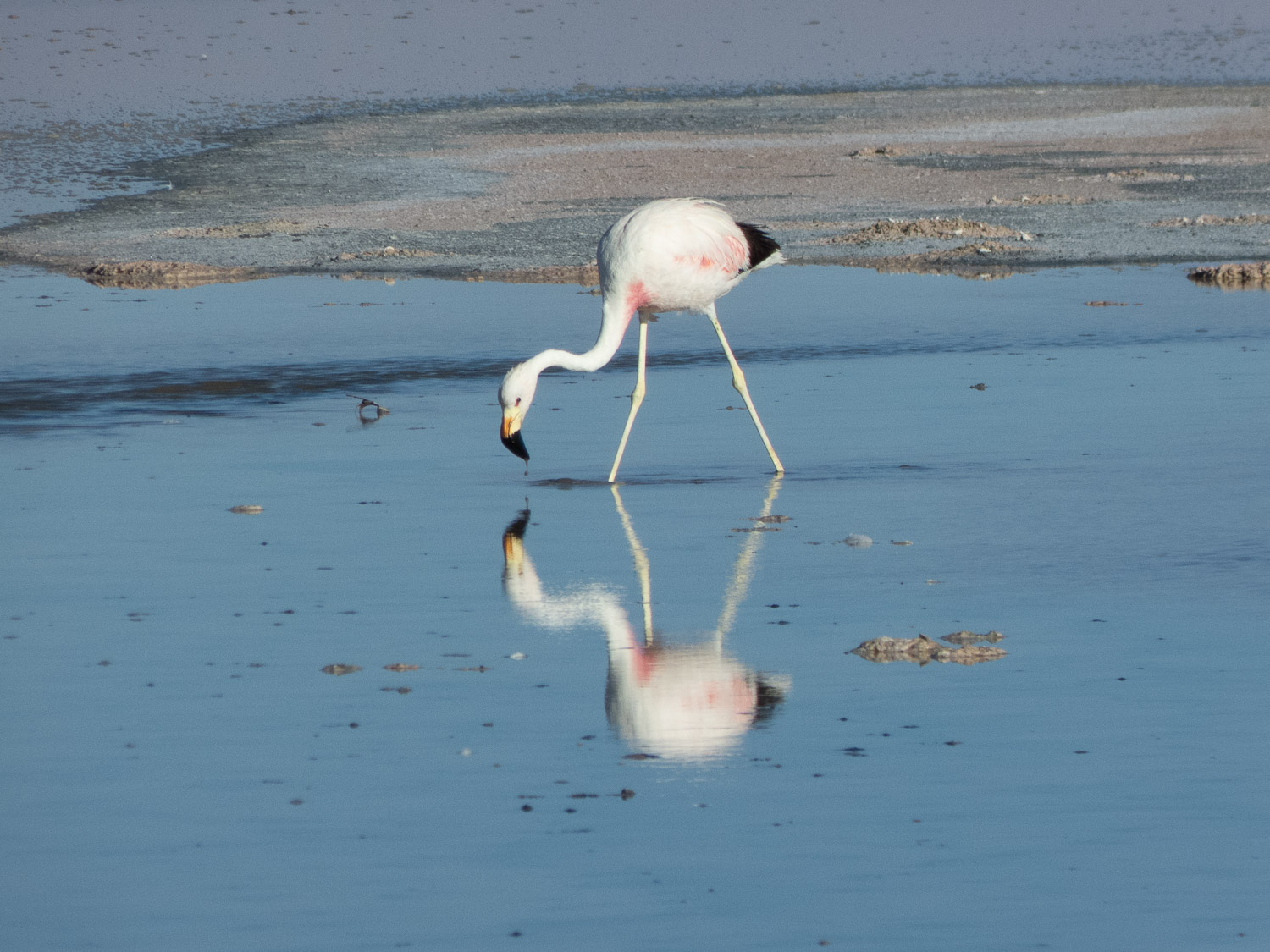
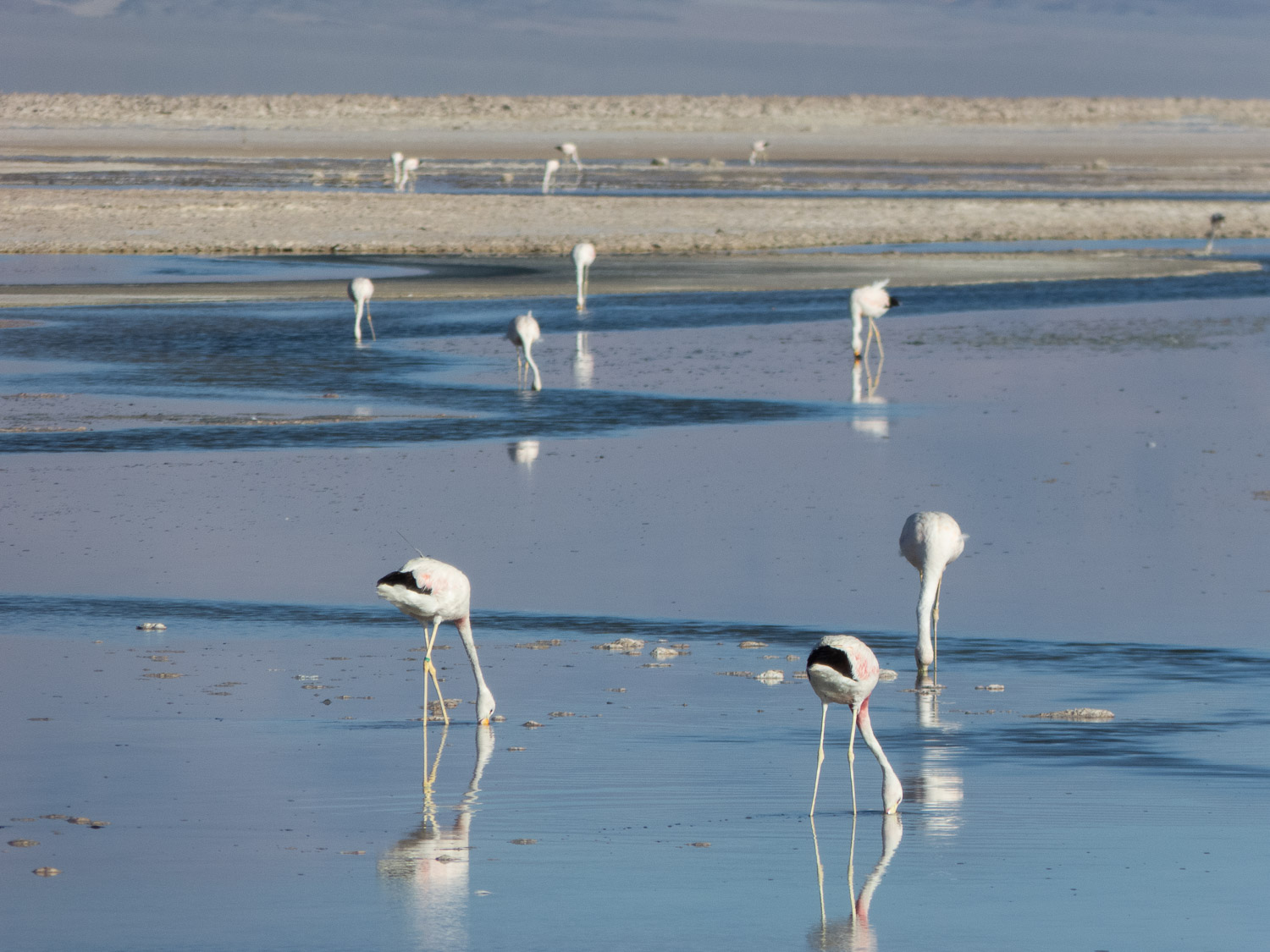
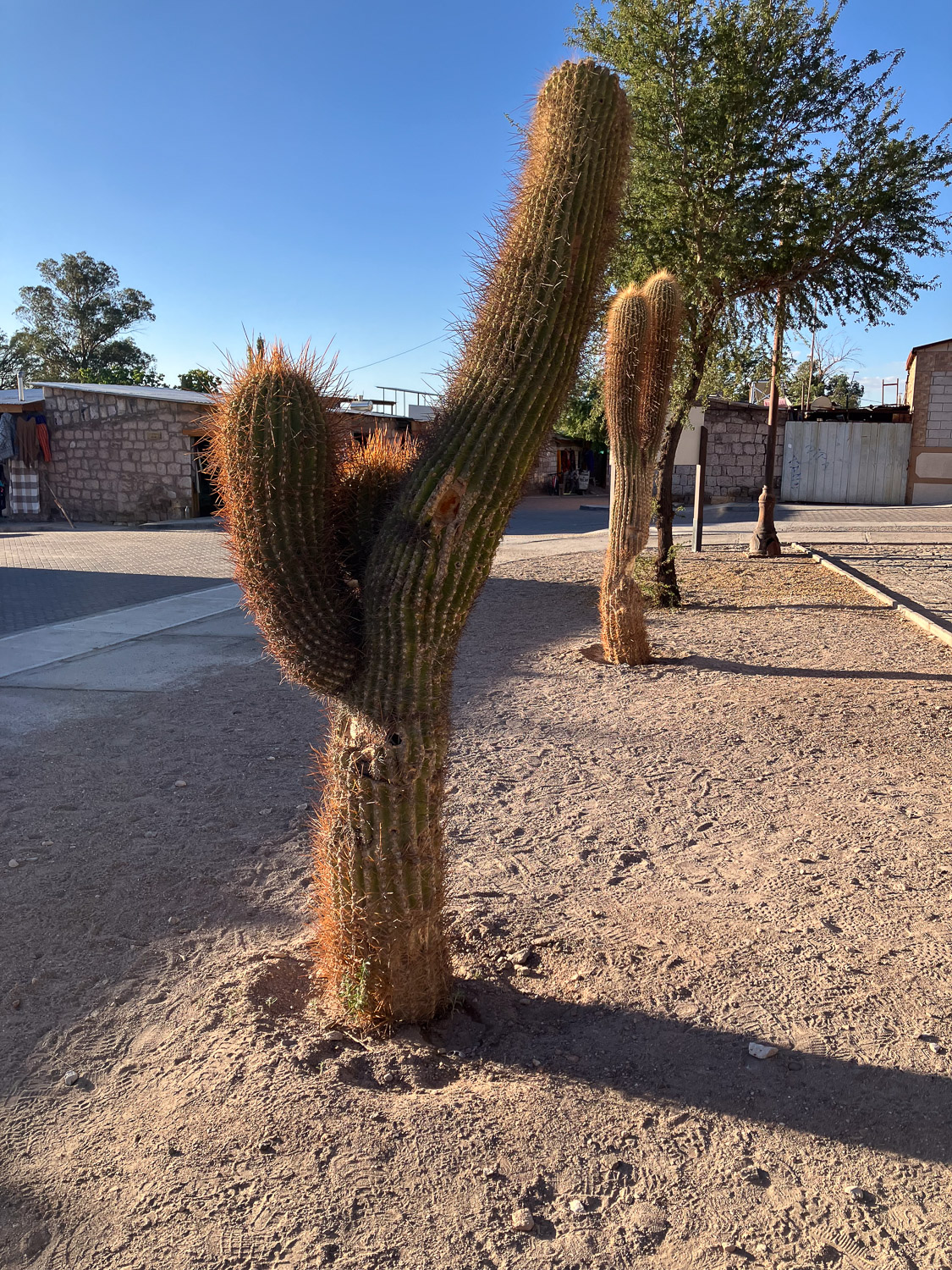
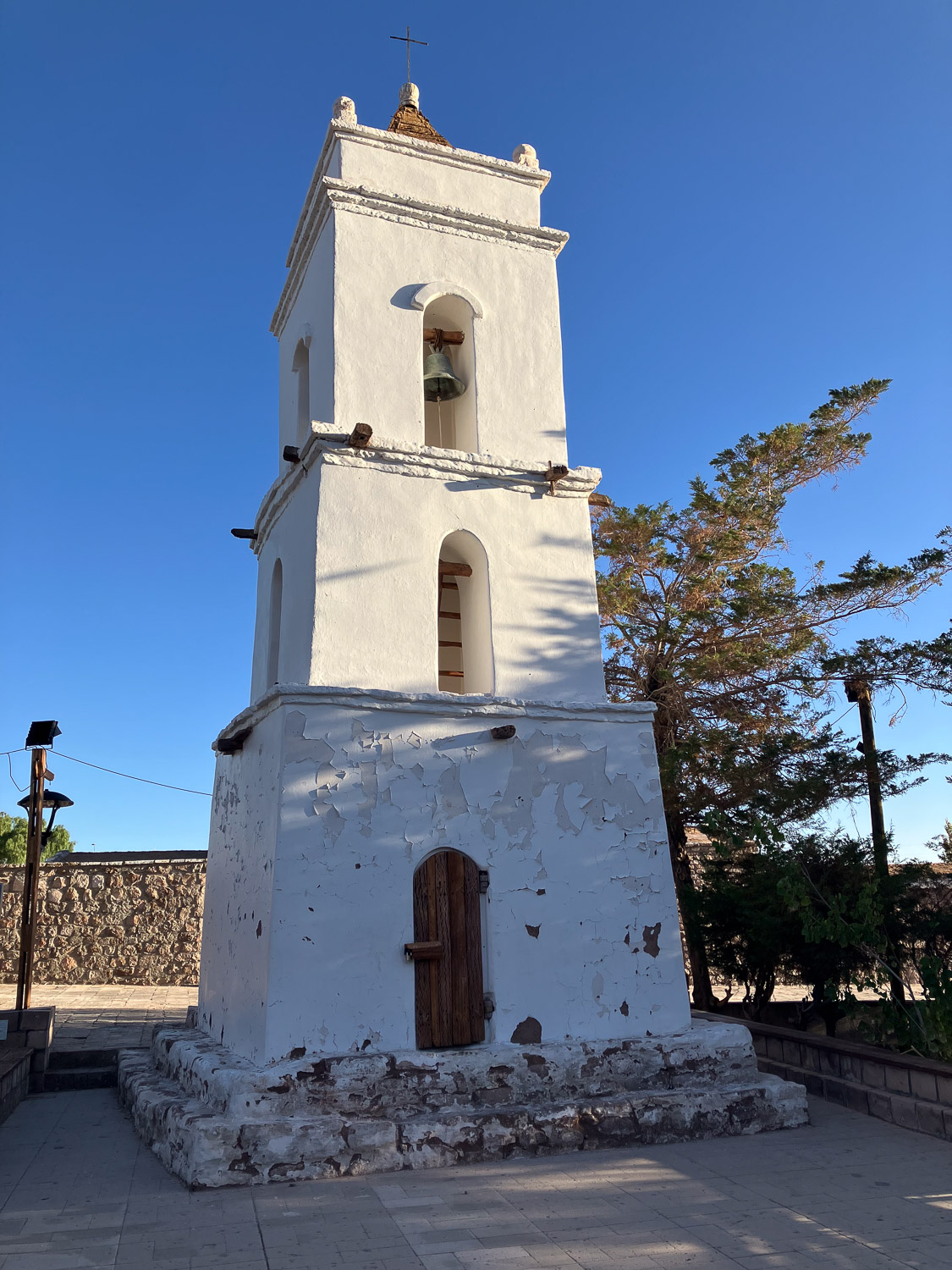
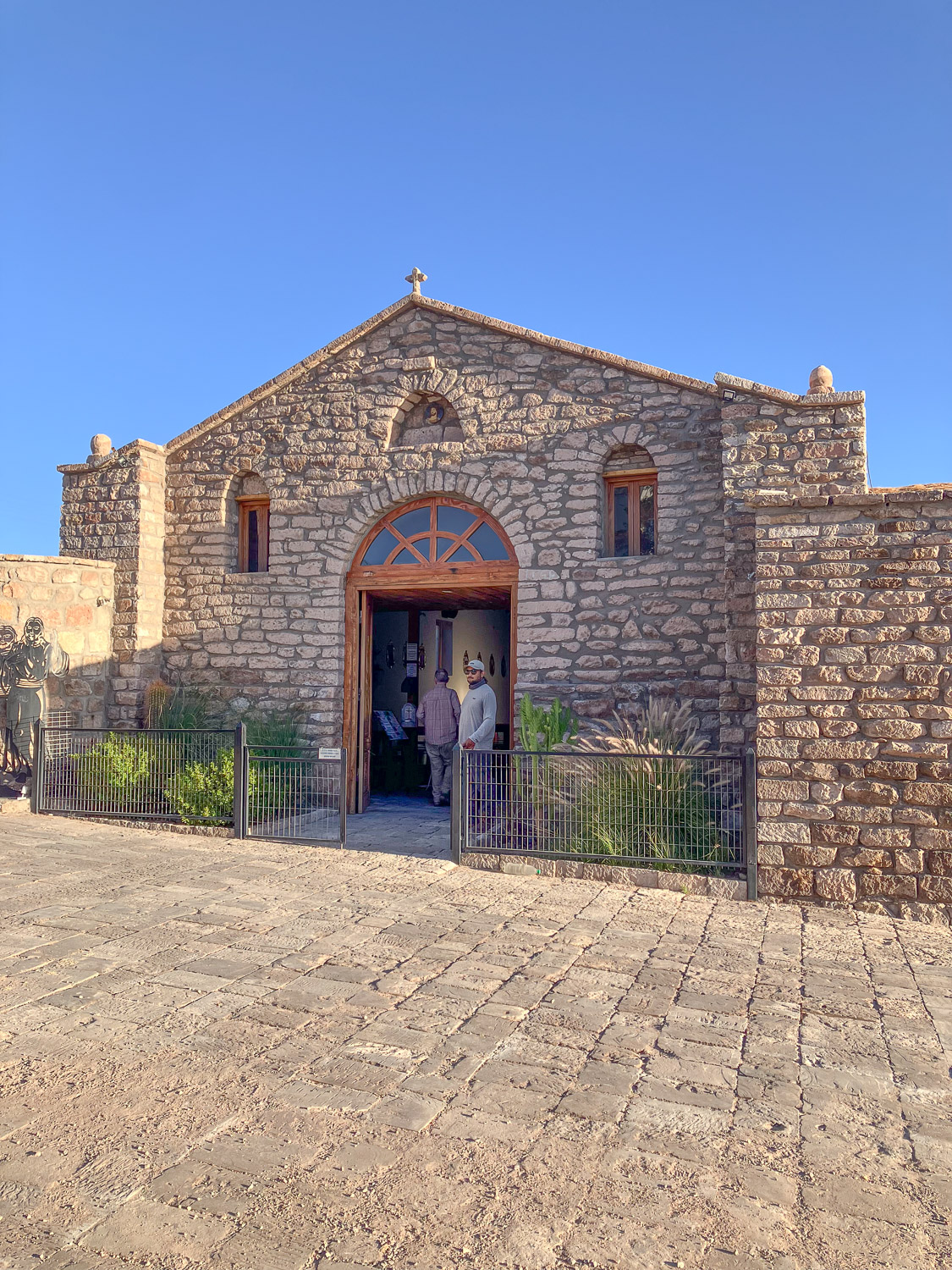
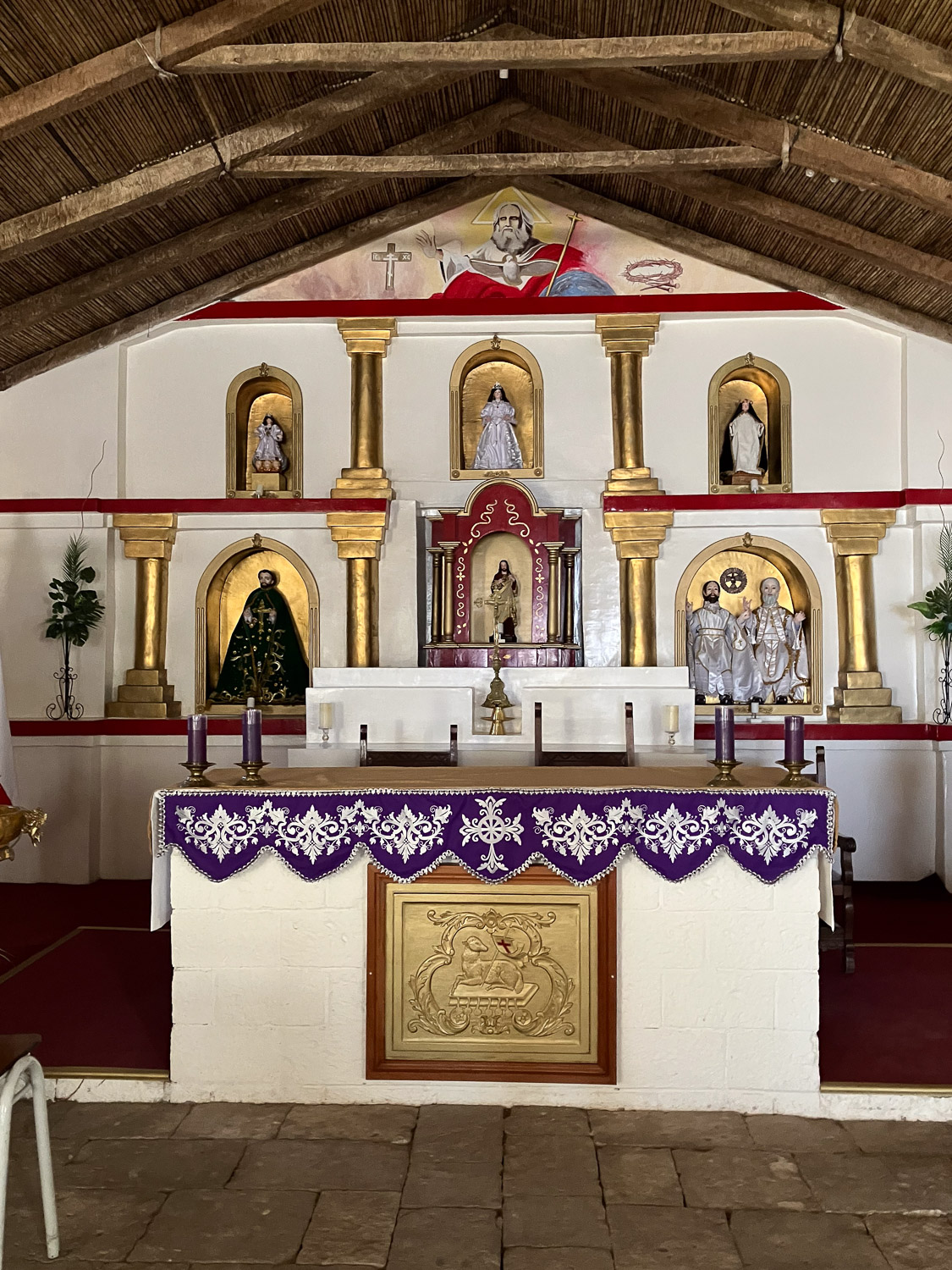
On the way back from the Chaxa Lagoon to San Pedro, we stopped at the oasis town of Toconao to enjoy the beautiful old church (from 1744) with its detached bell tower.
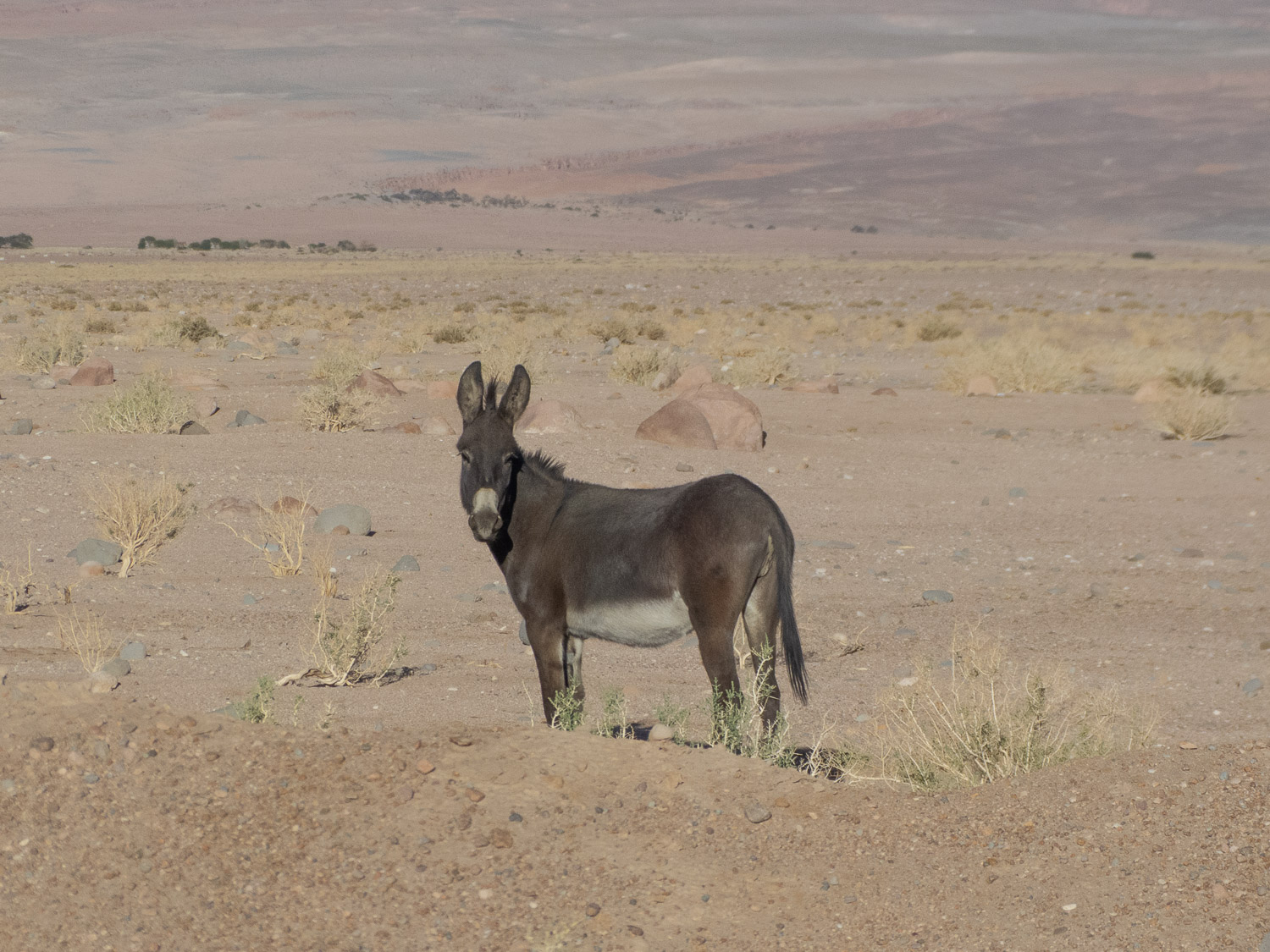
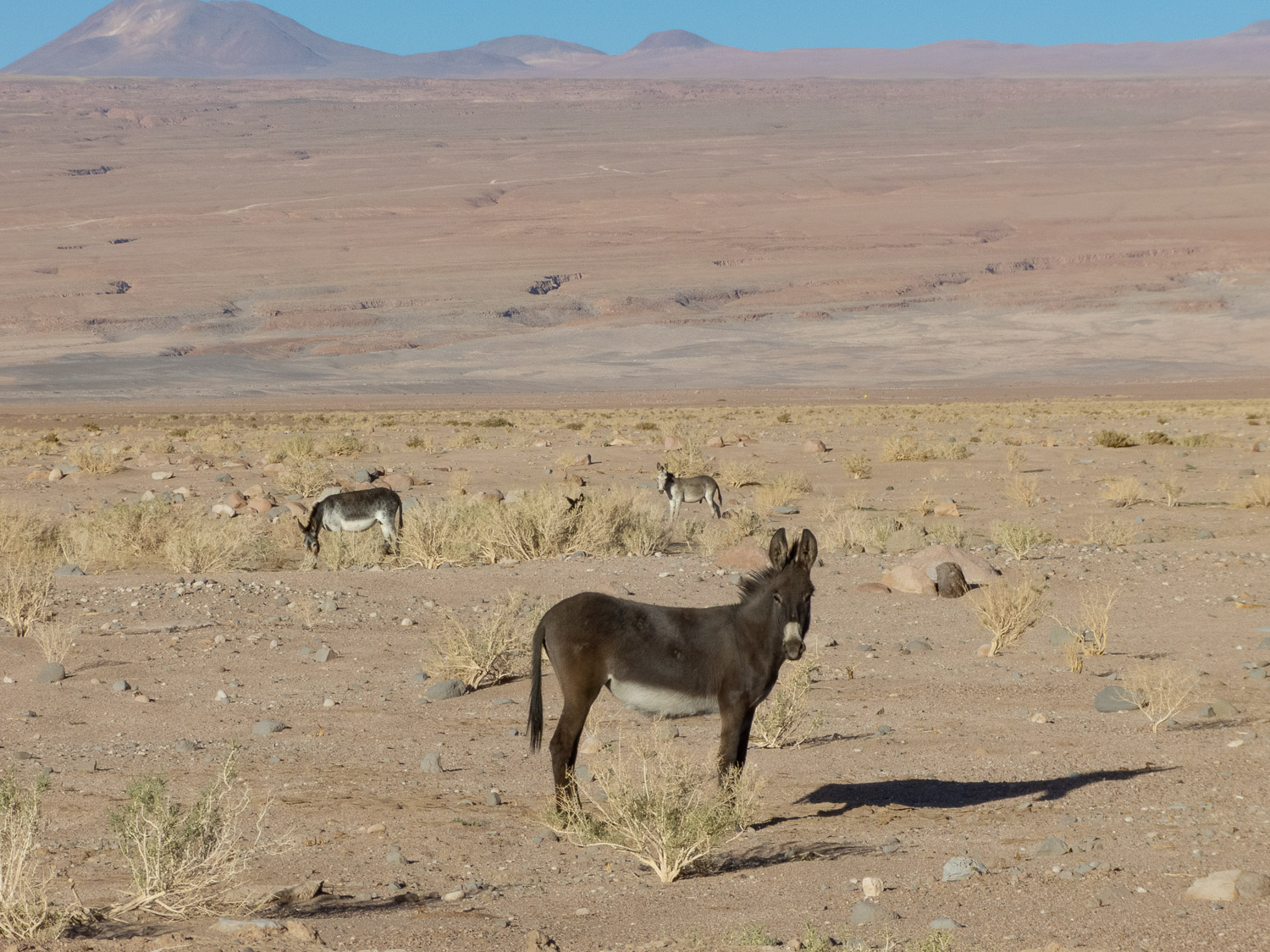
Wild donkeys by the road.
Stargazing
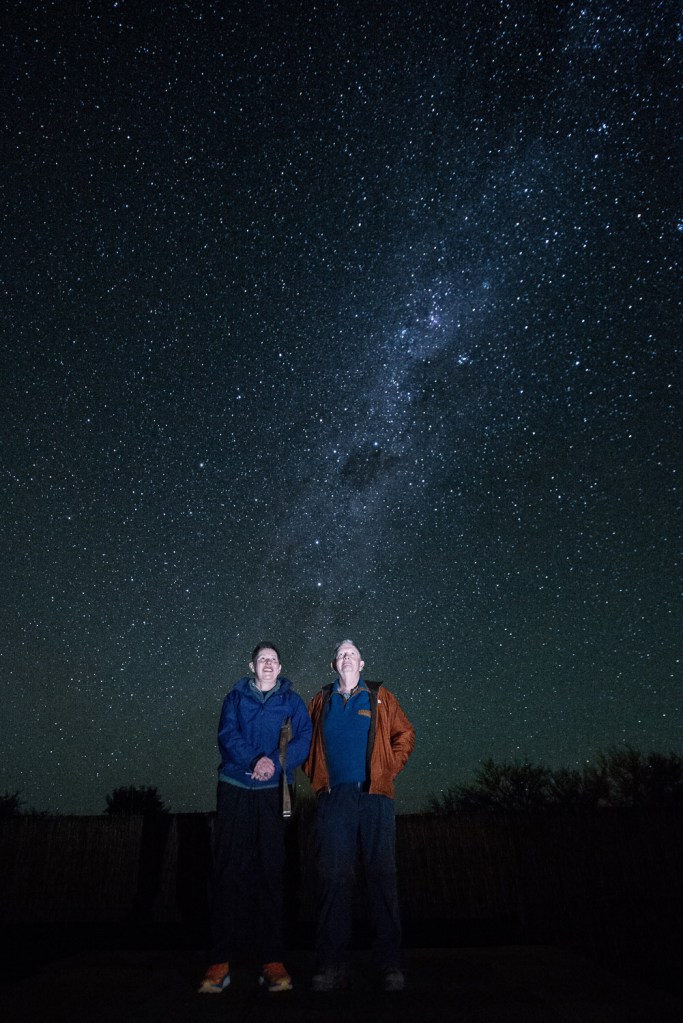
At the end of our first long day in the Atacama, we had our stargazing experience. The skies were so clear that we could see another galaxy (the Magellanic Nebula) with the naked eye. With the added benefit of some fairly serious telescopes, we were also able to see the patterns on Jupiter and two of its moons; the Tarantula Nebula; and Omega Centauri, one of the most spectacular deep-sky objects.
Cejar Lagoon
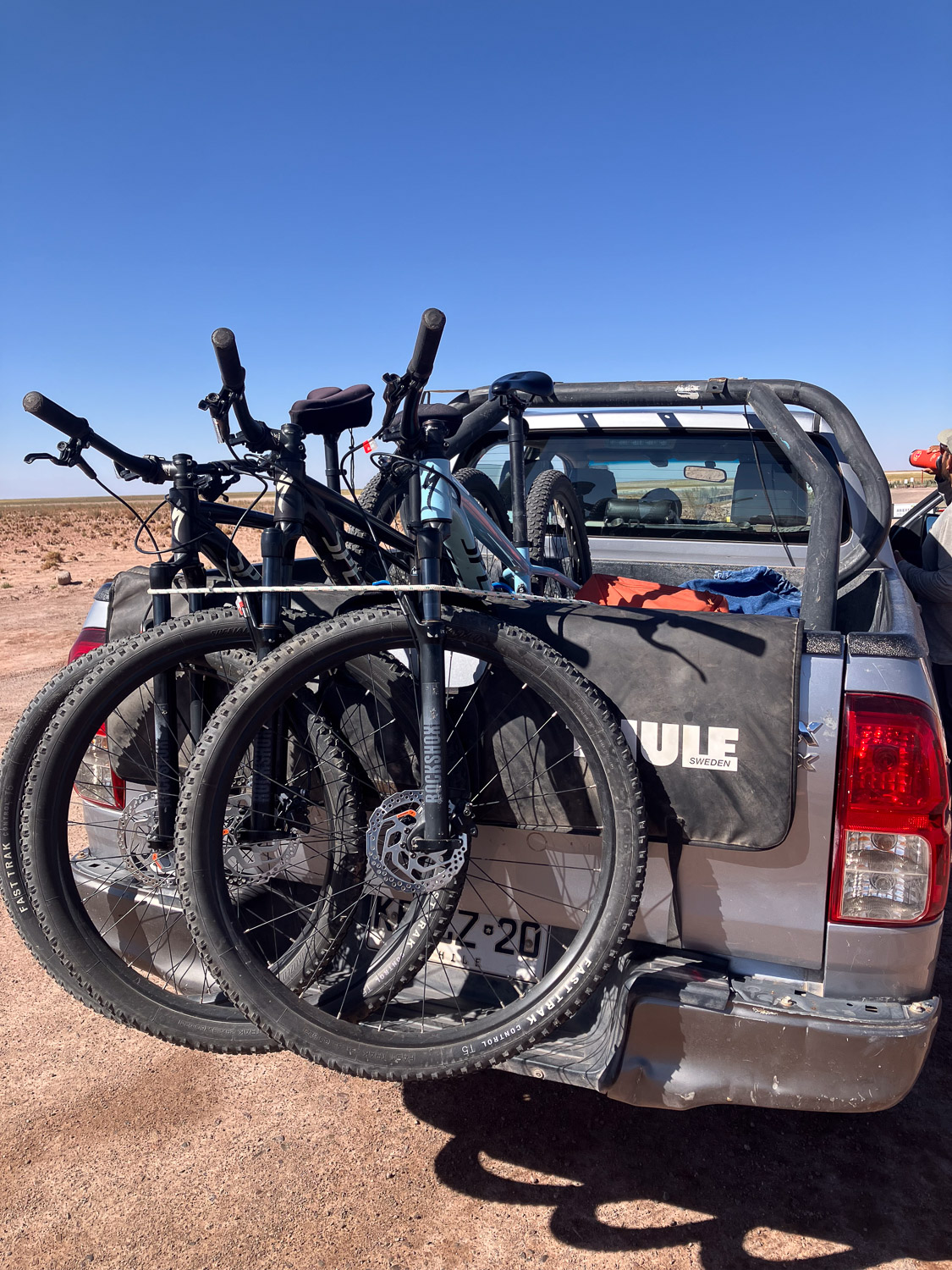
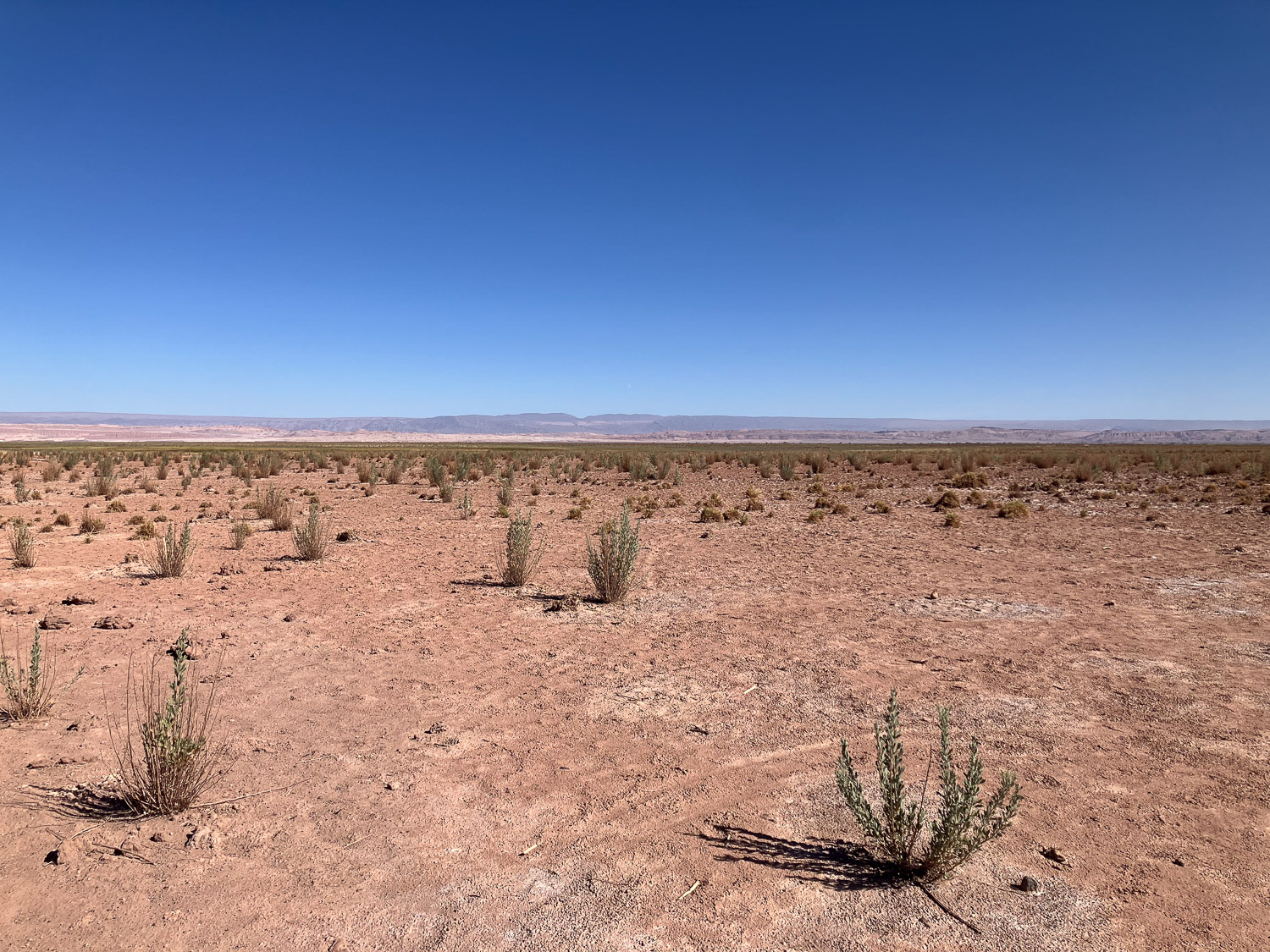
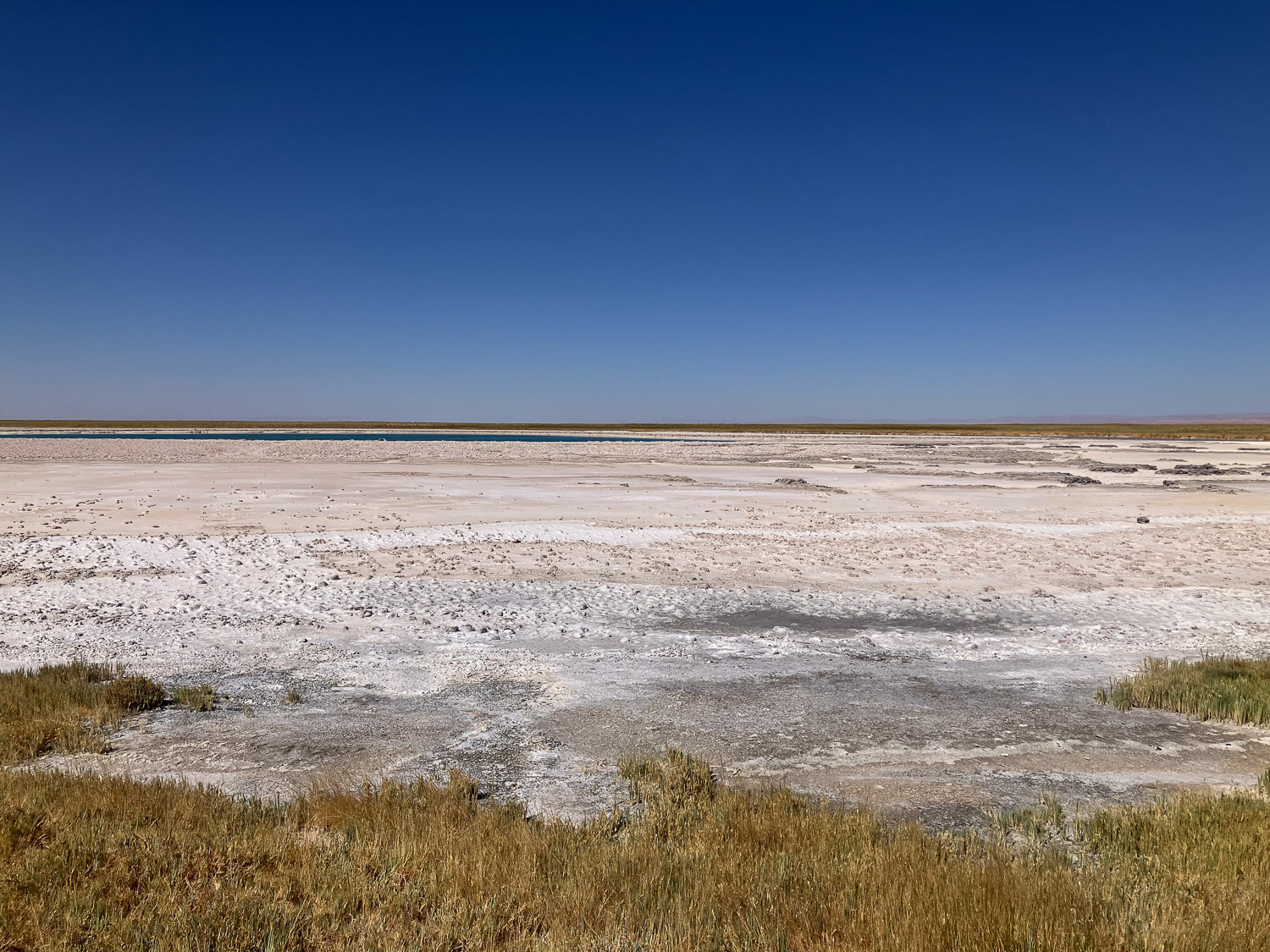
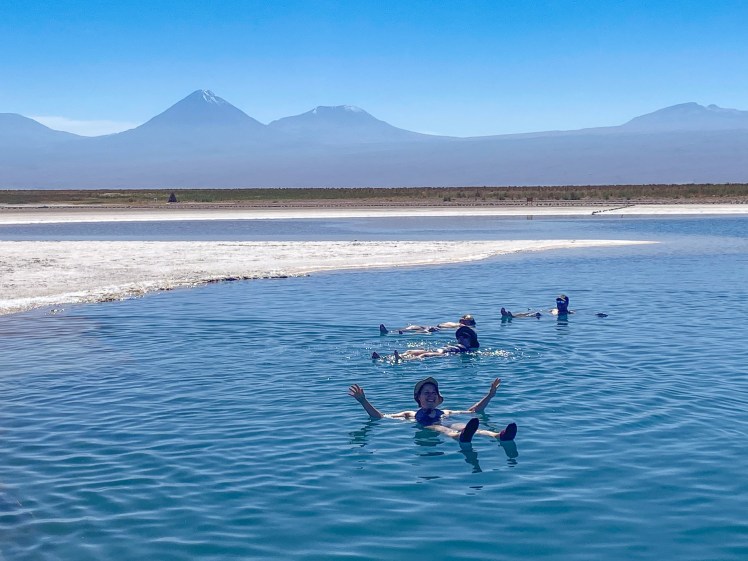
A combination of driving and cycling took us to the very salty Cejar Lagoon for a stinging float. However, as it was not quite as salty as the Dead Sea, it was reasonably easy to move one’s body around.
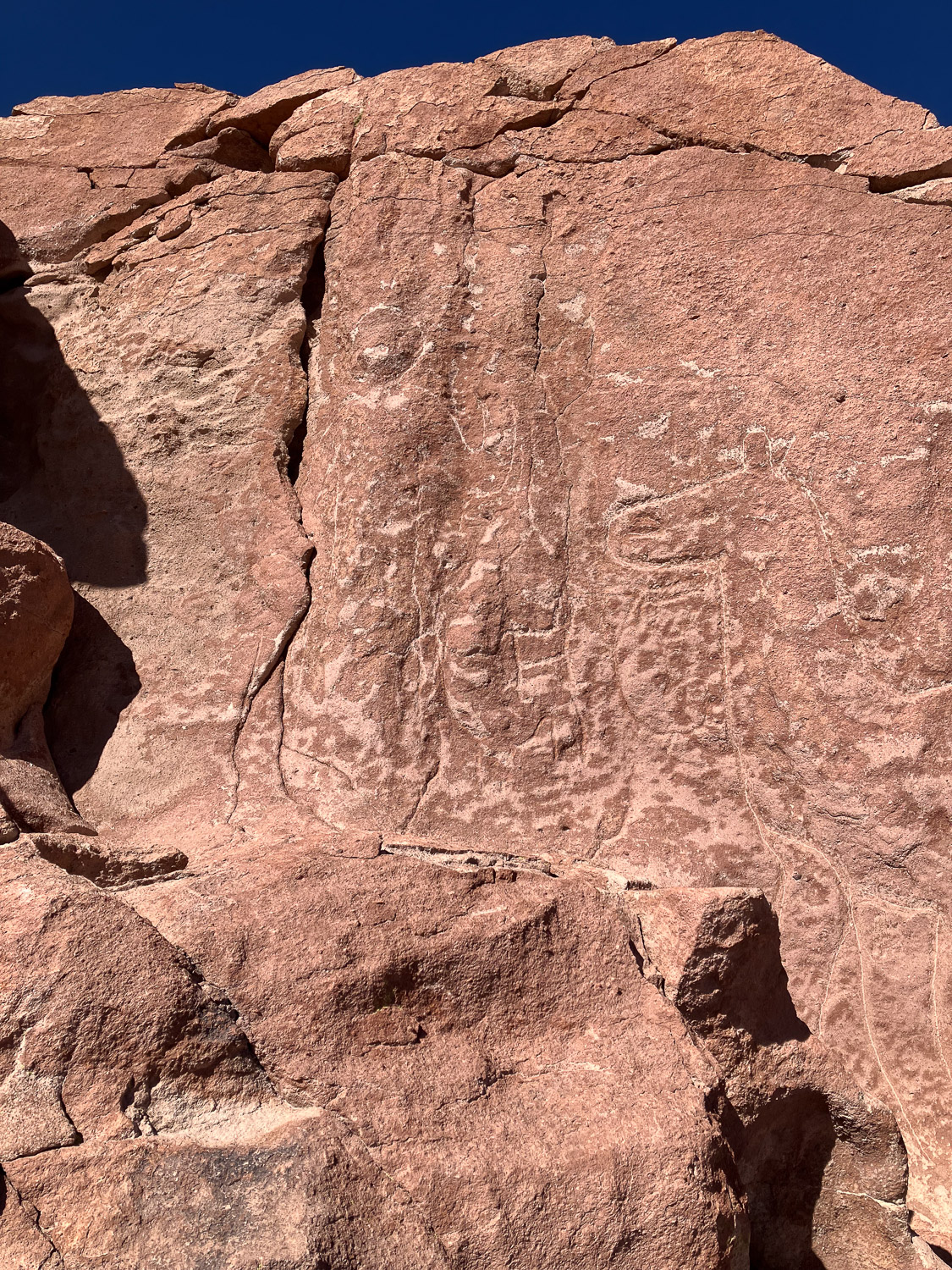
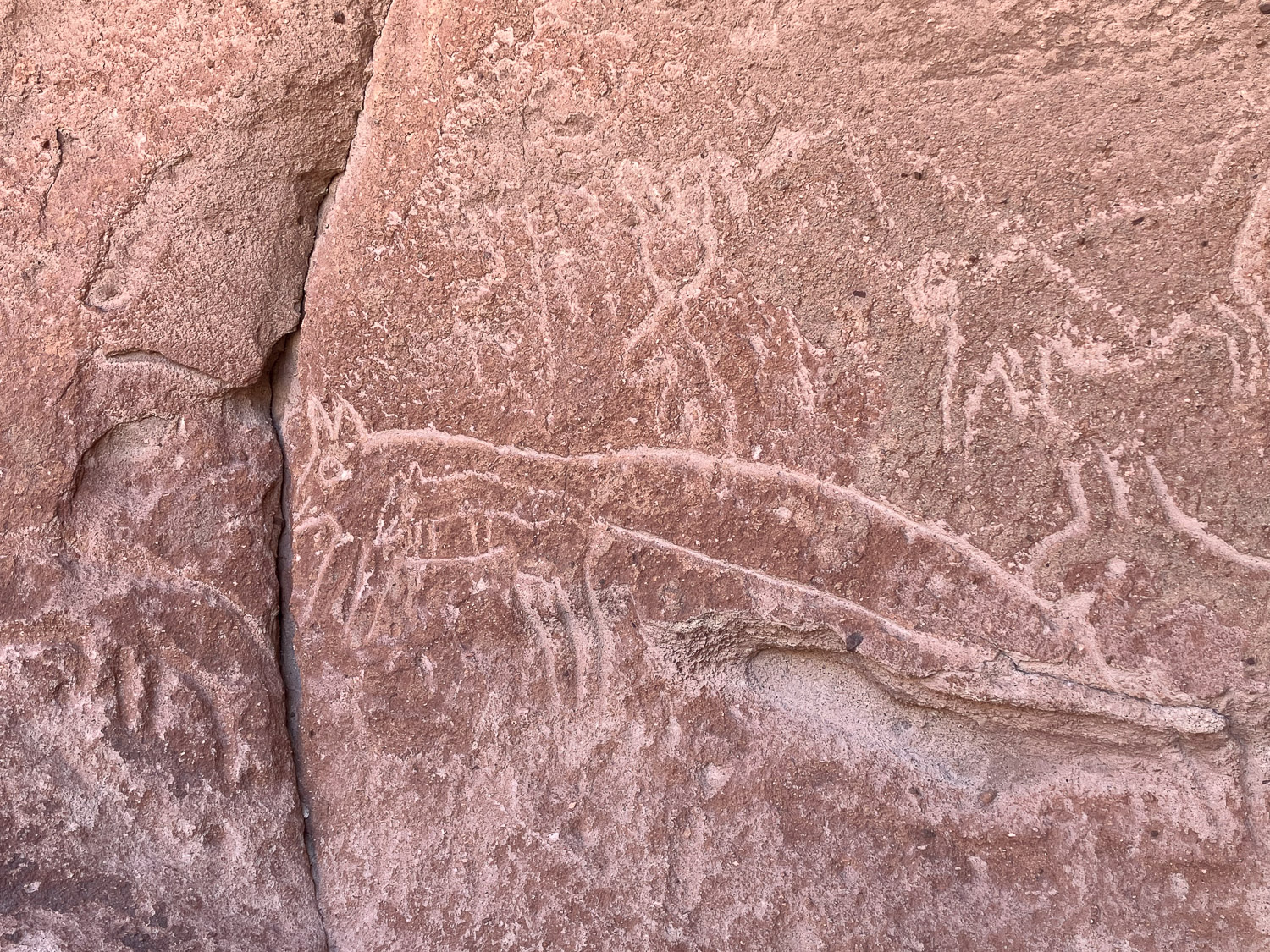
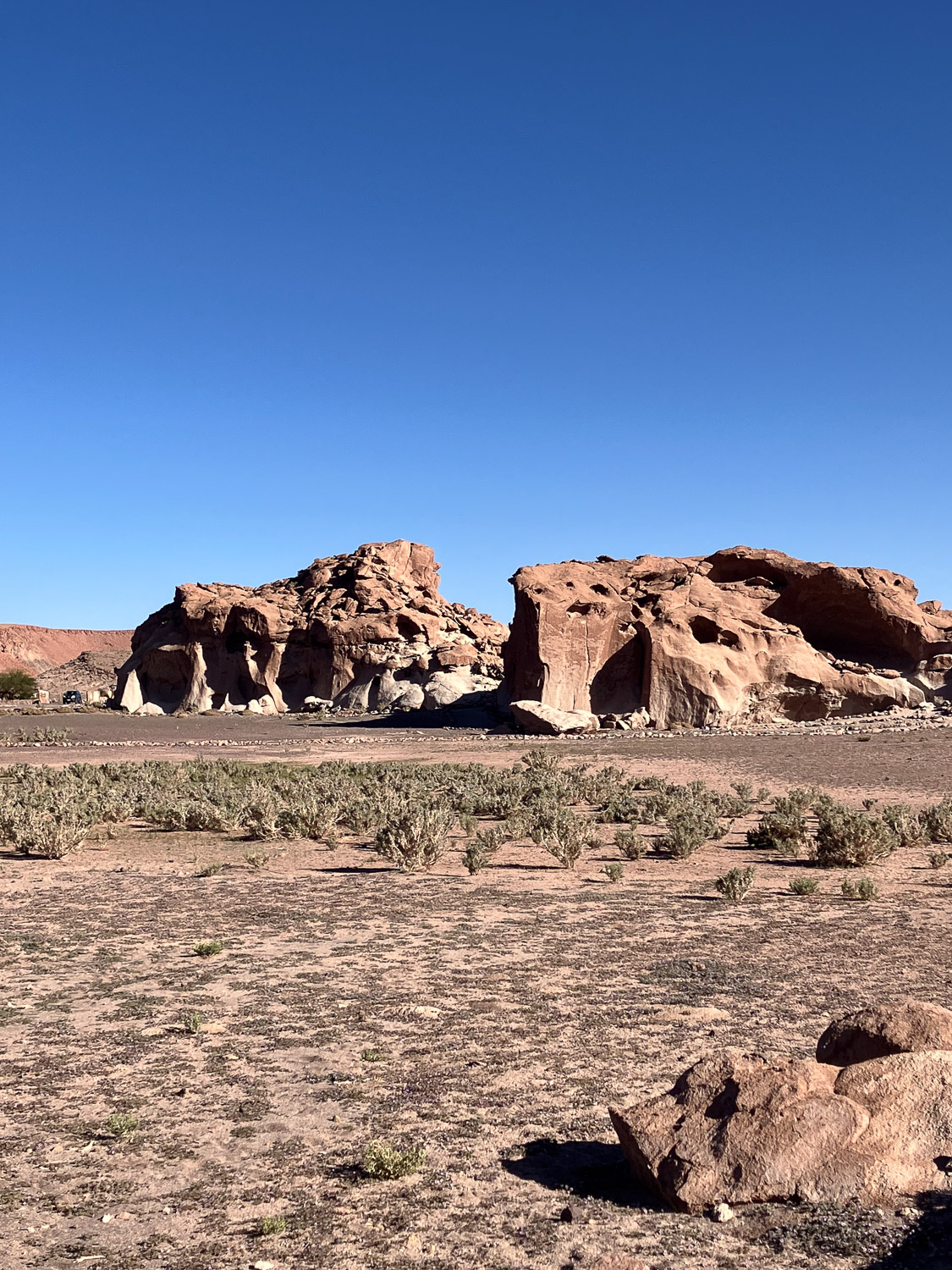
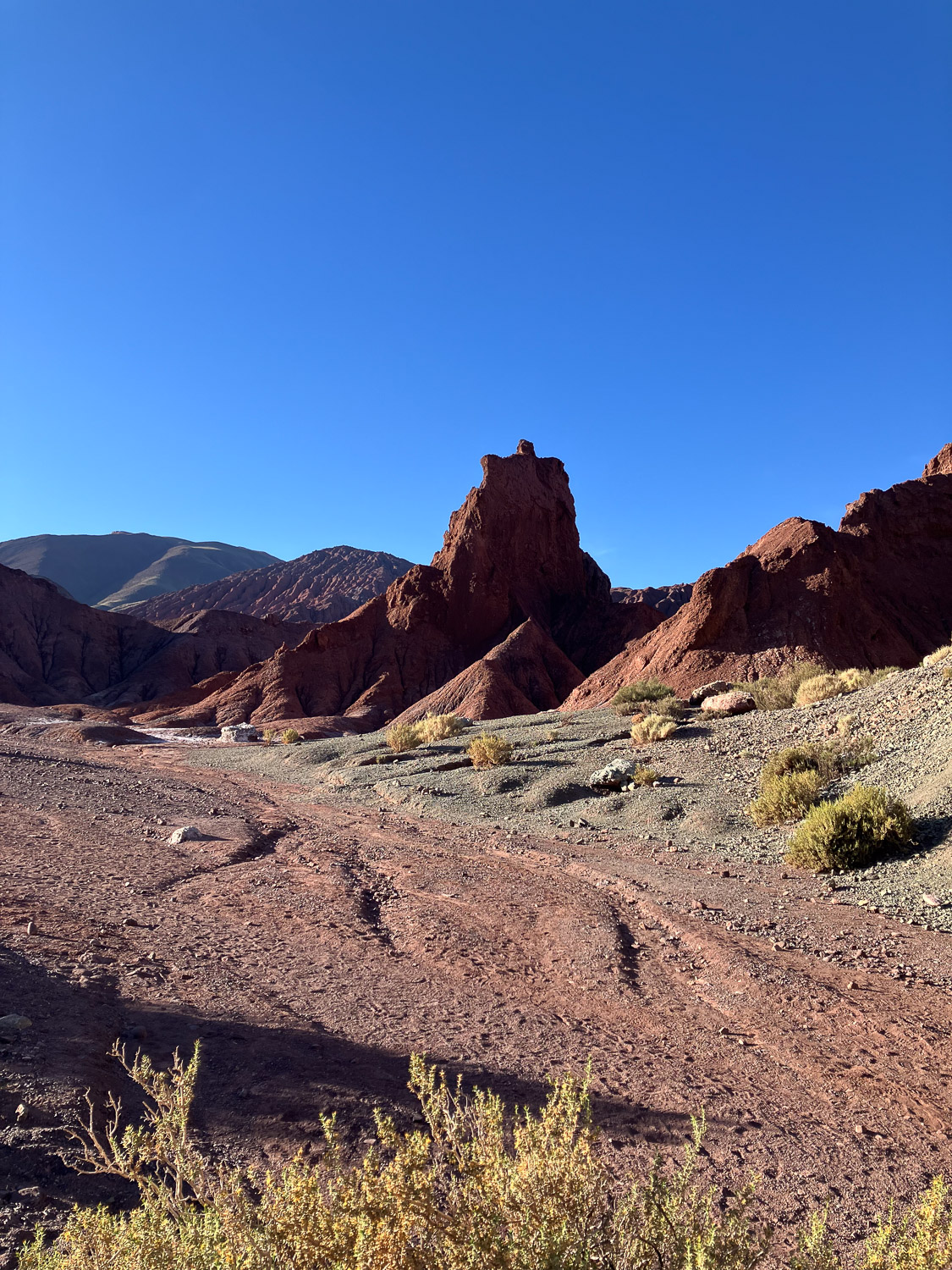
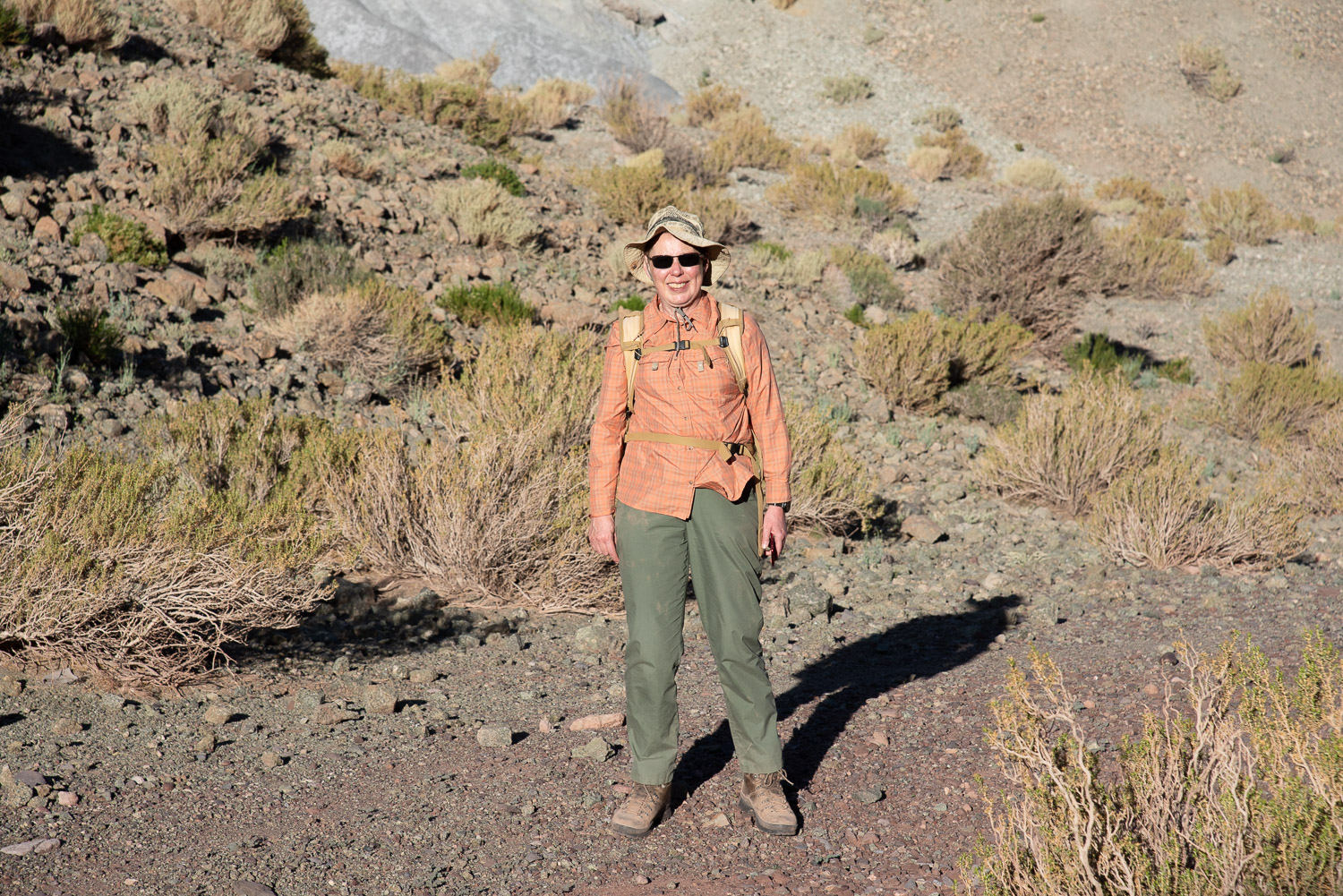
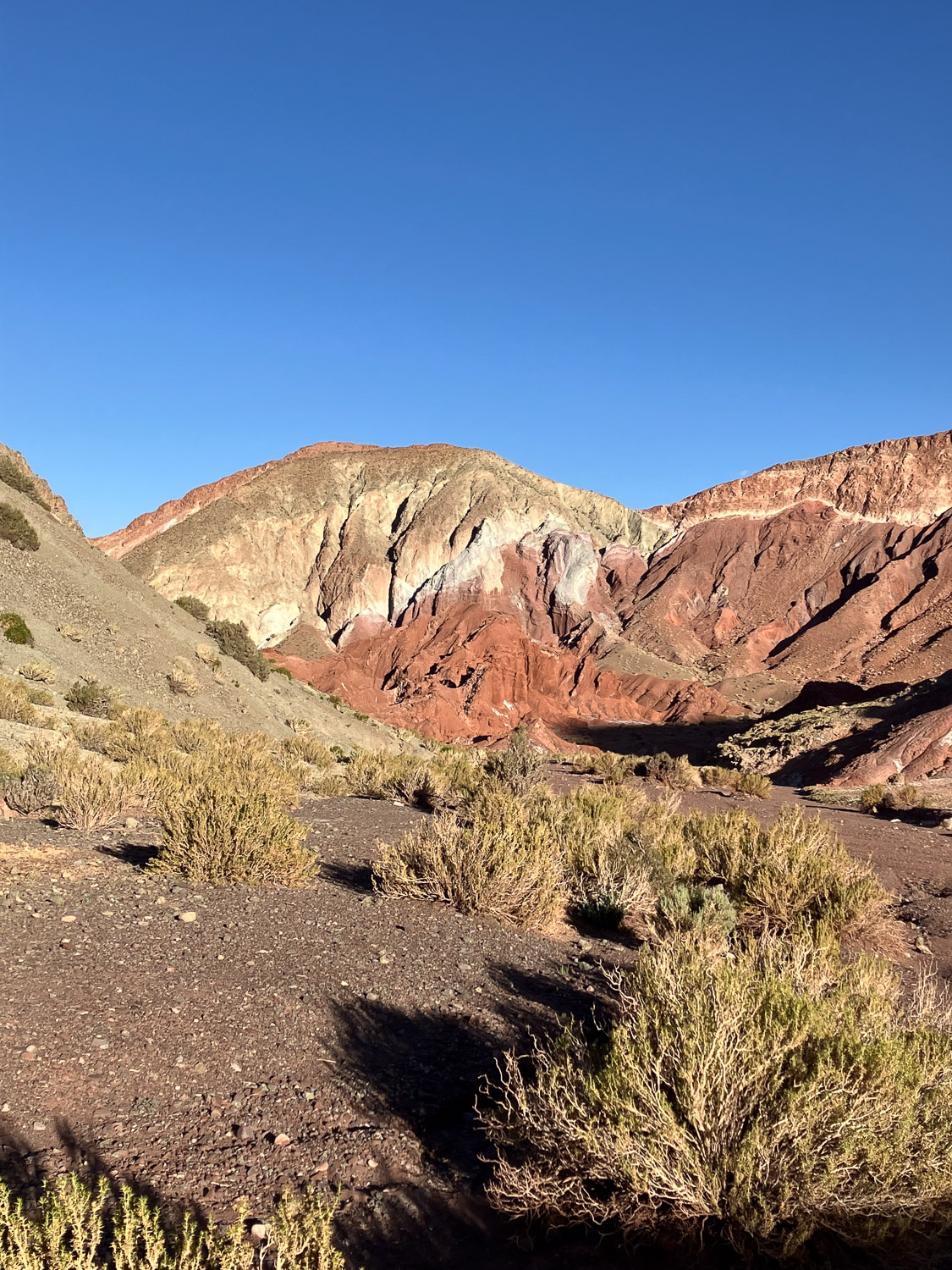
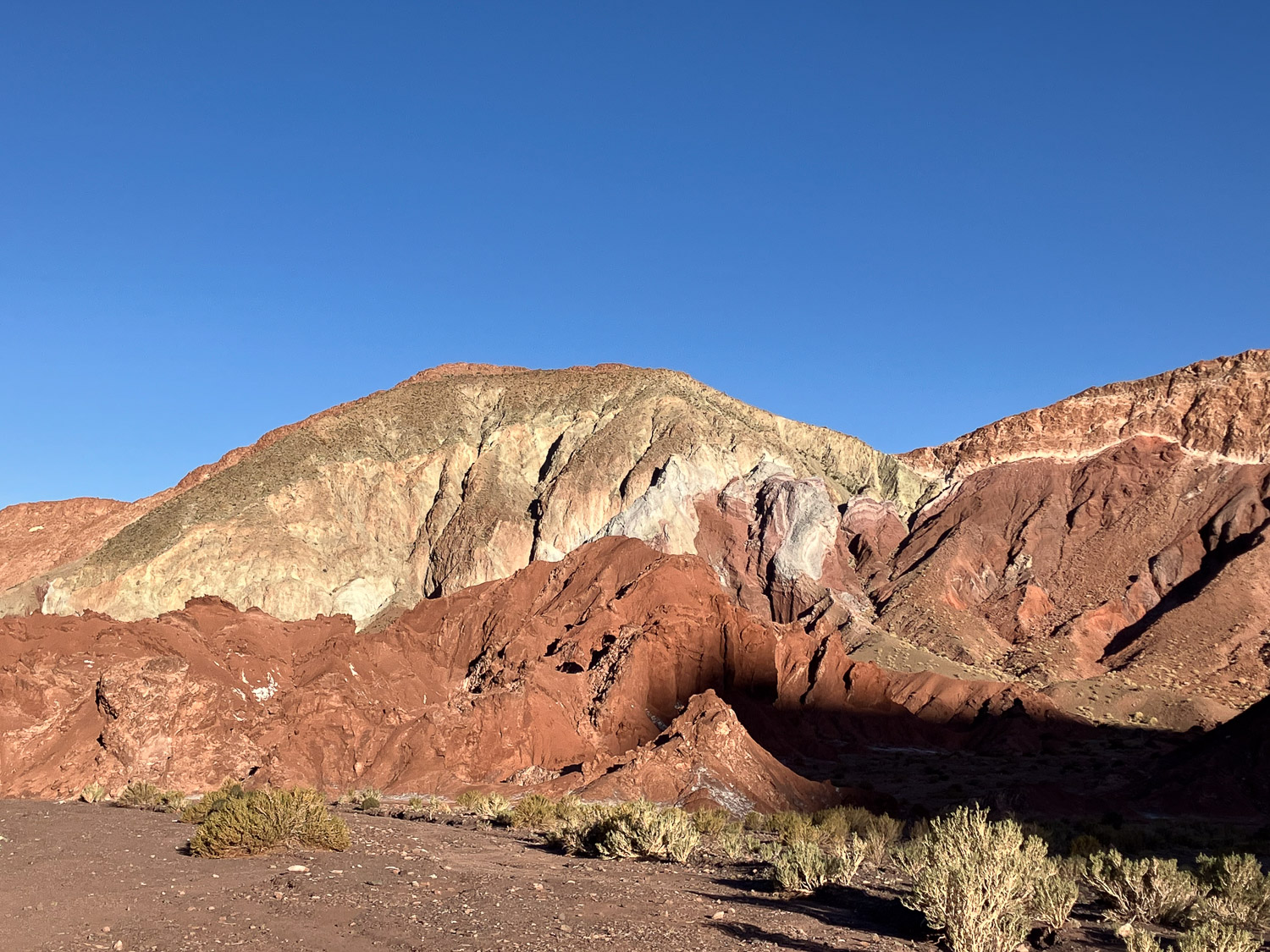
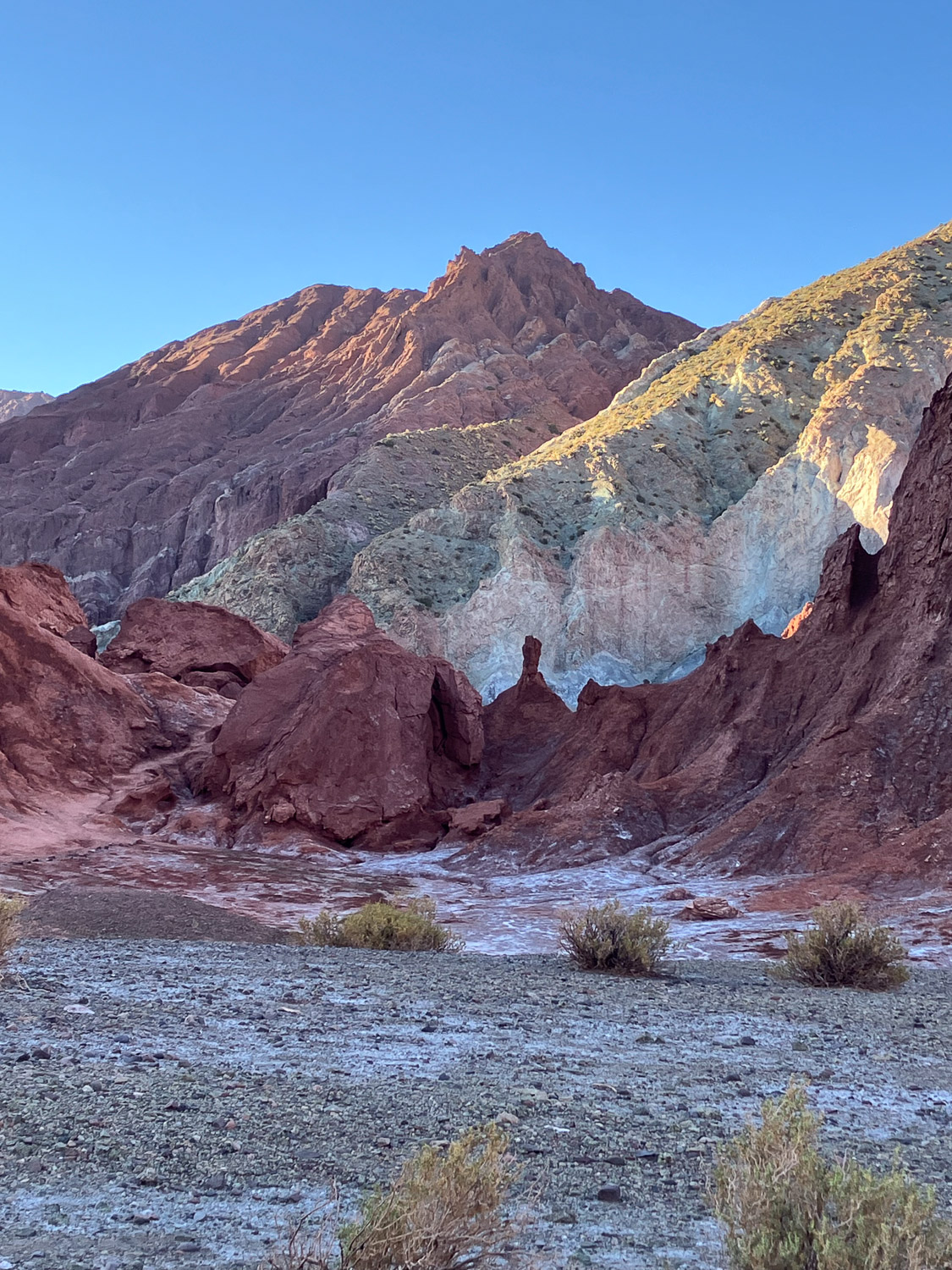
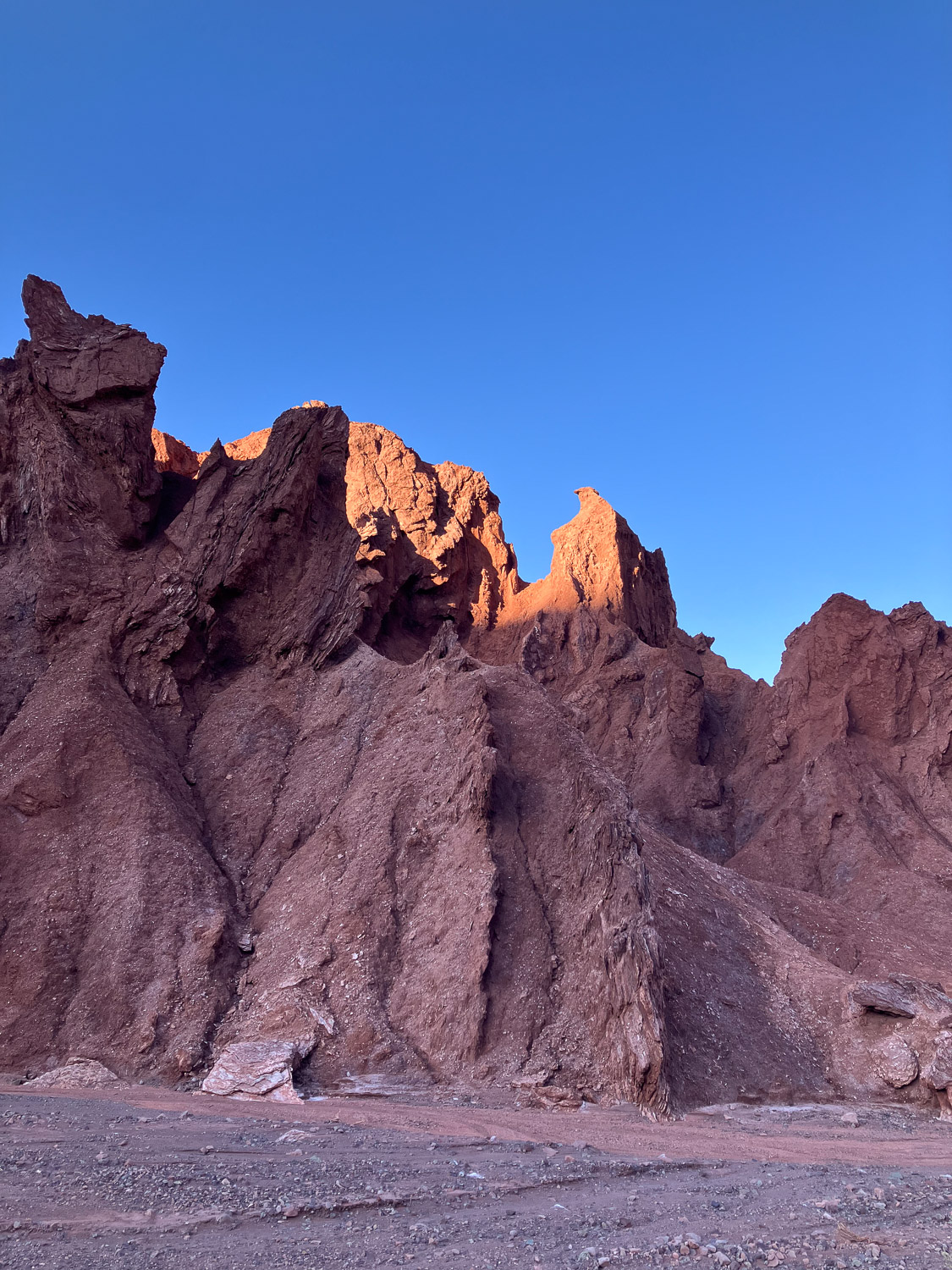
Rainbow Valley
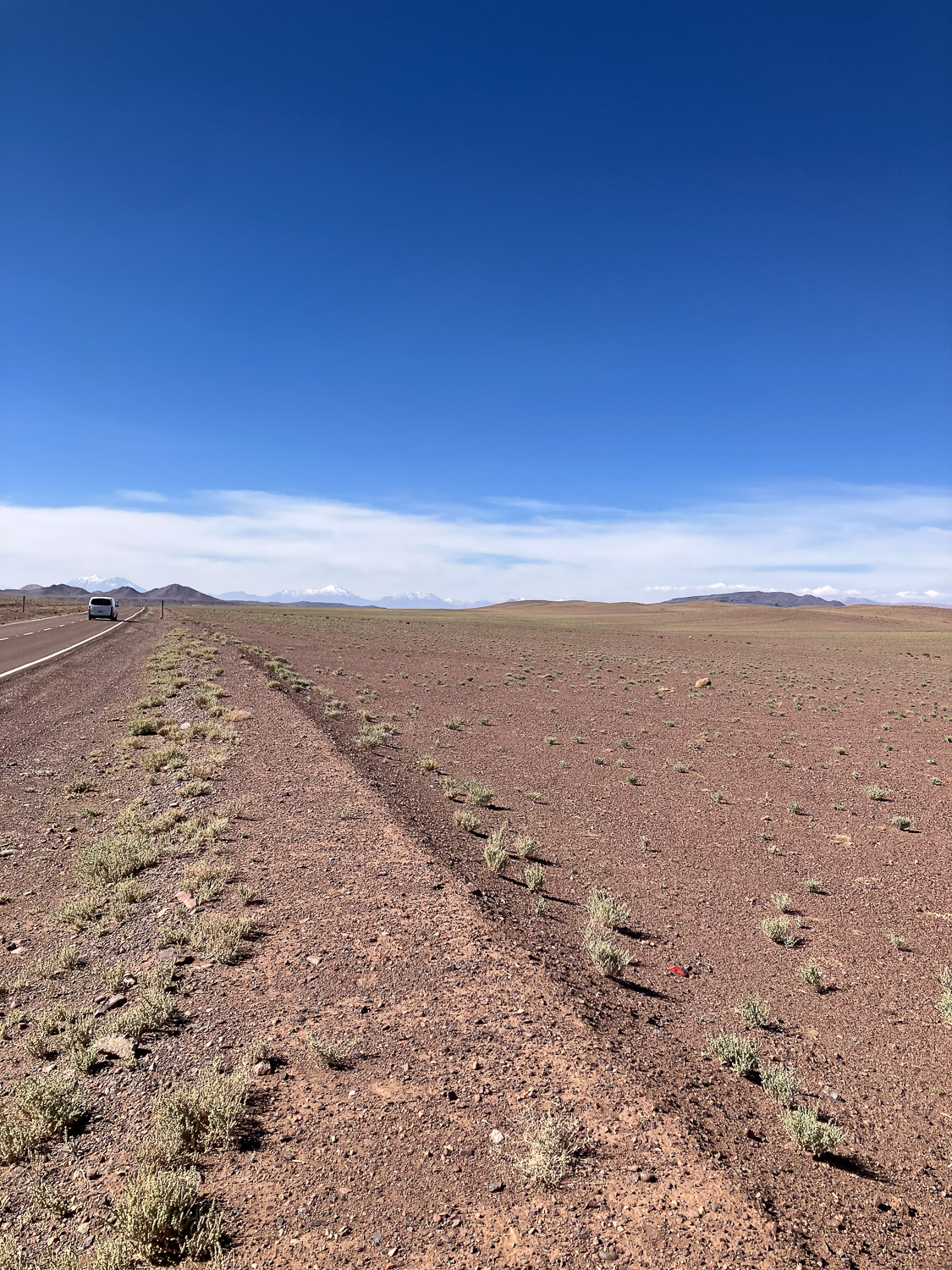
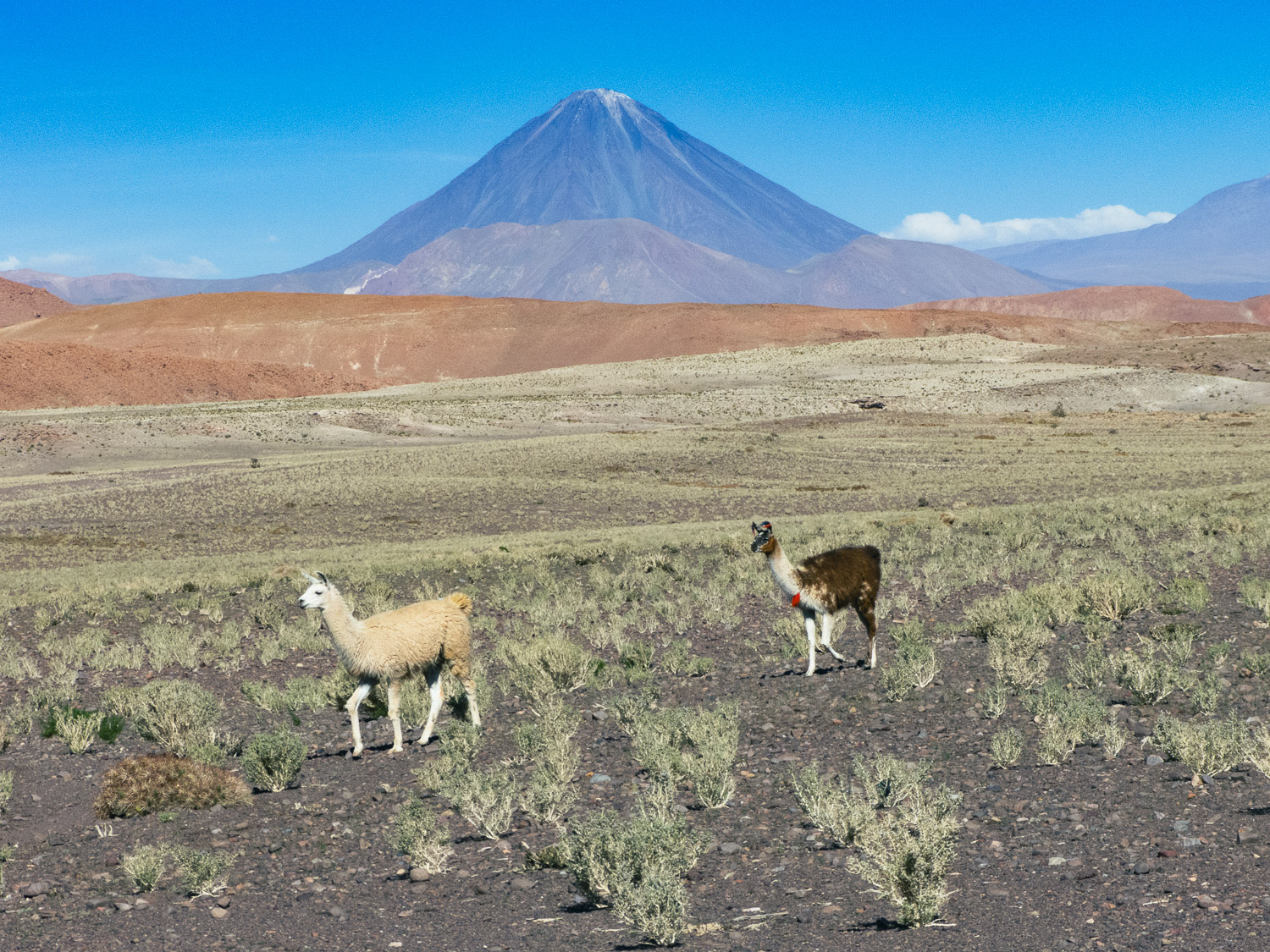
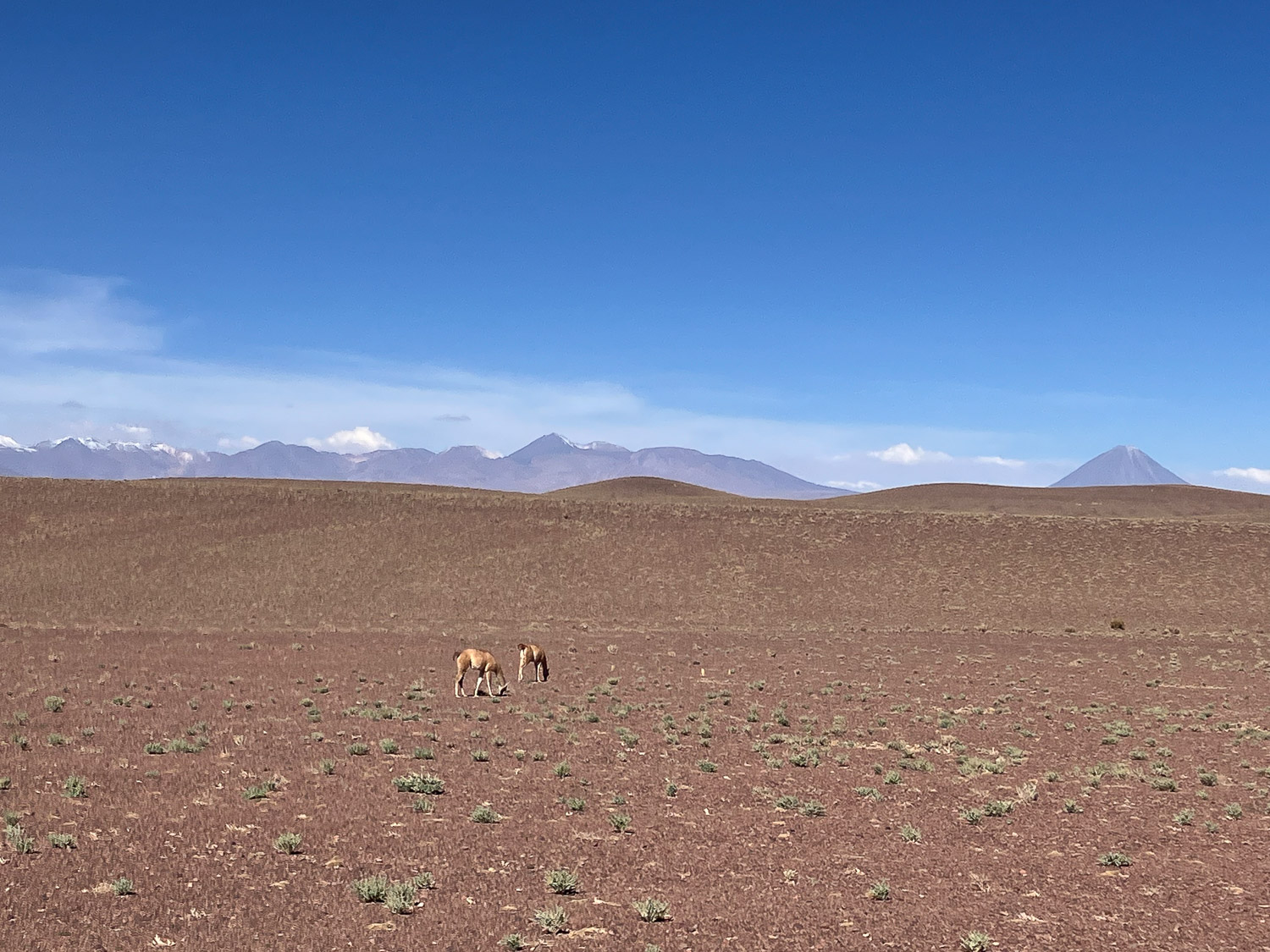
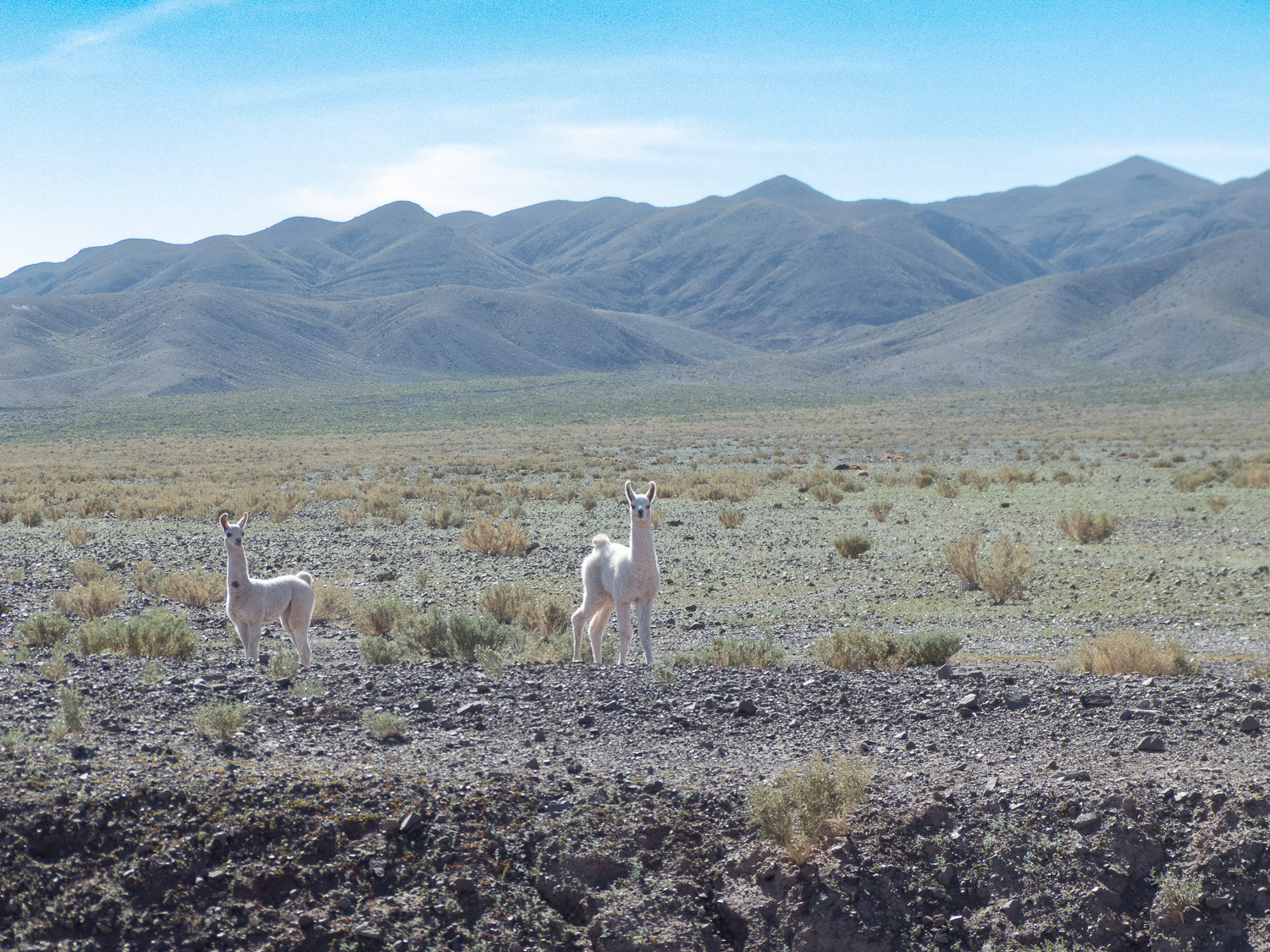
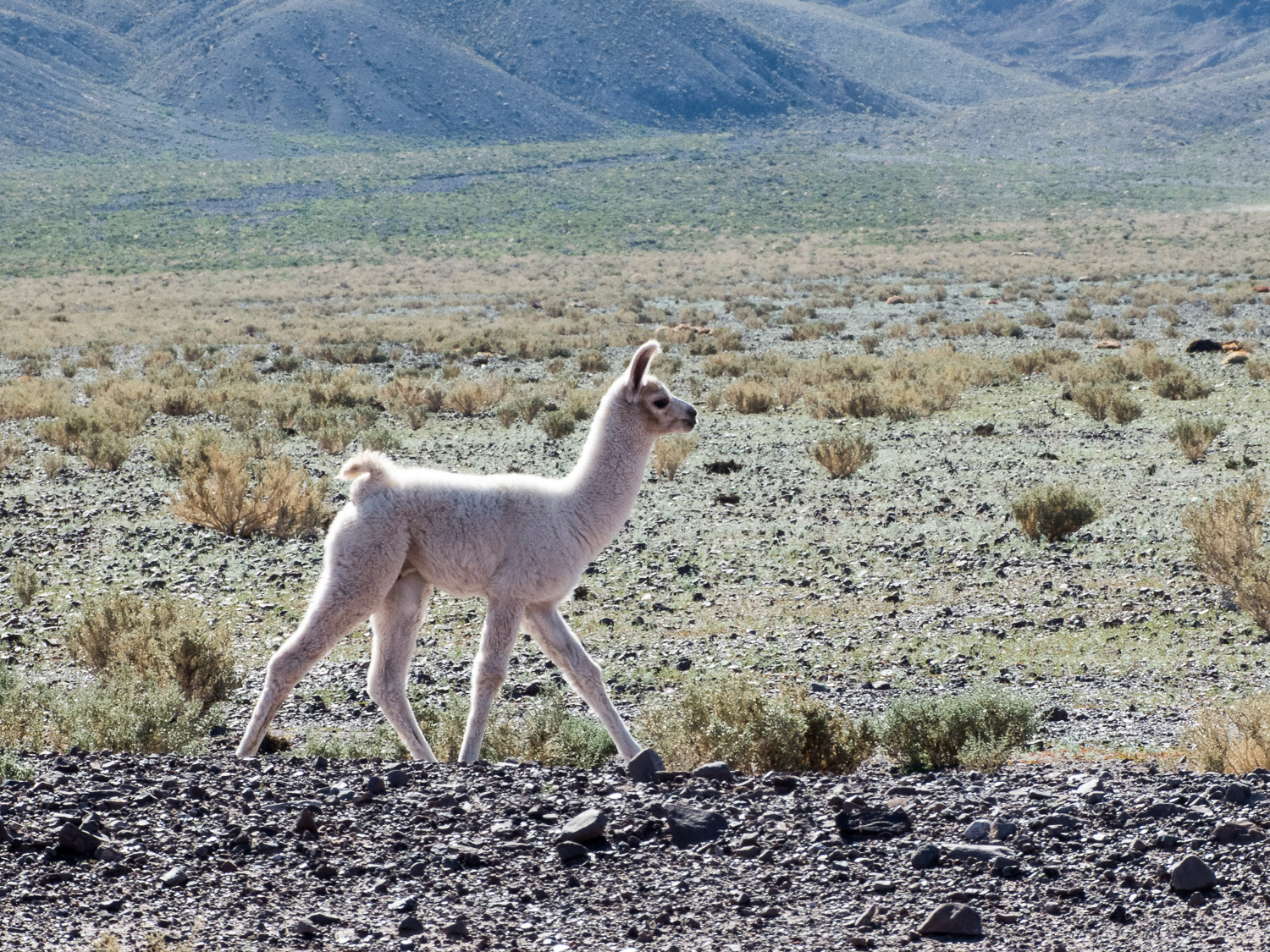
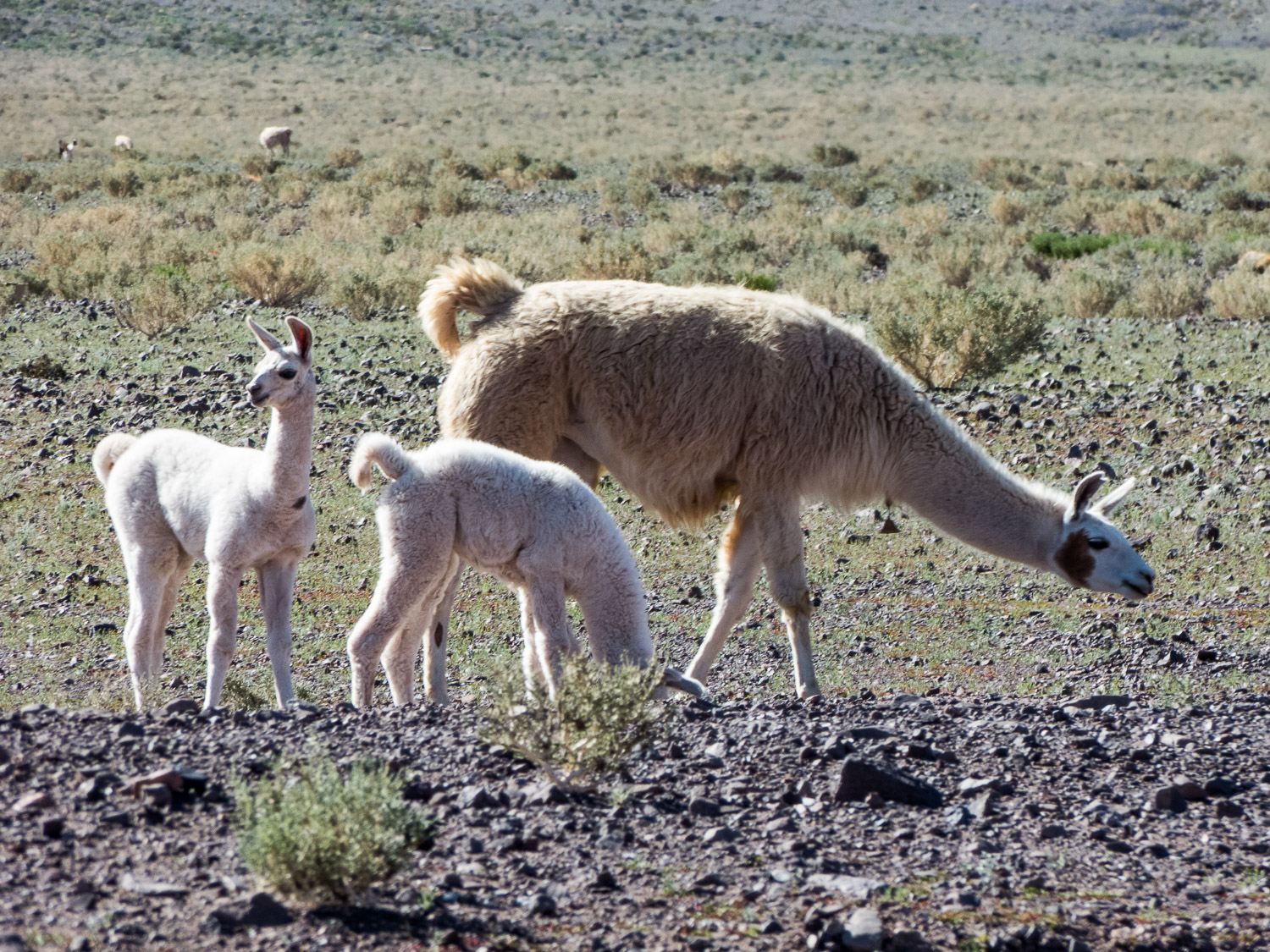
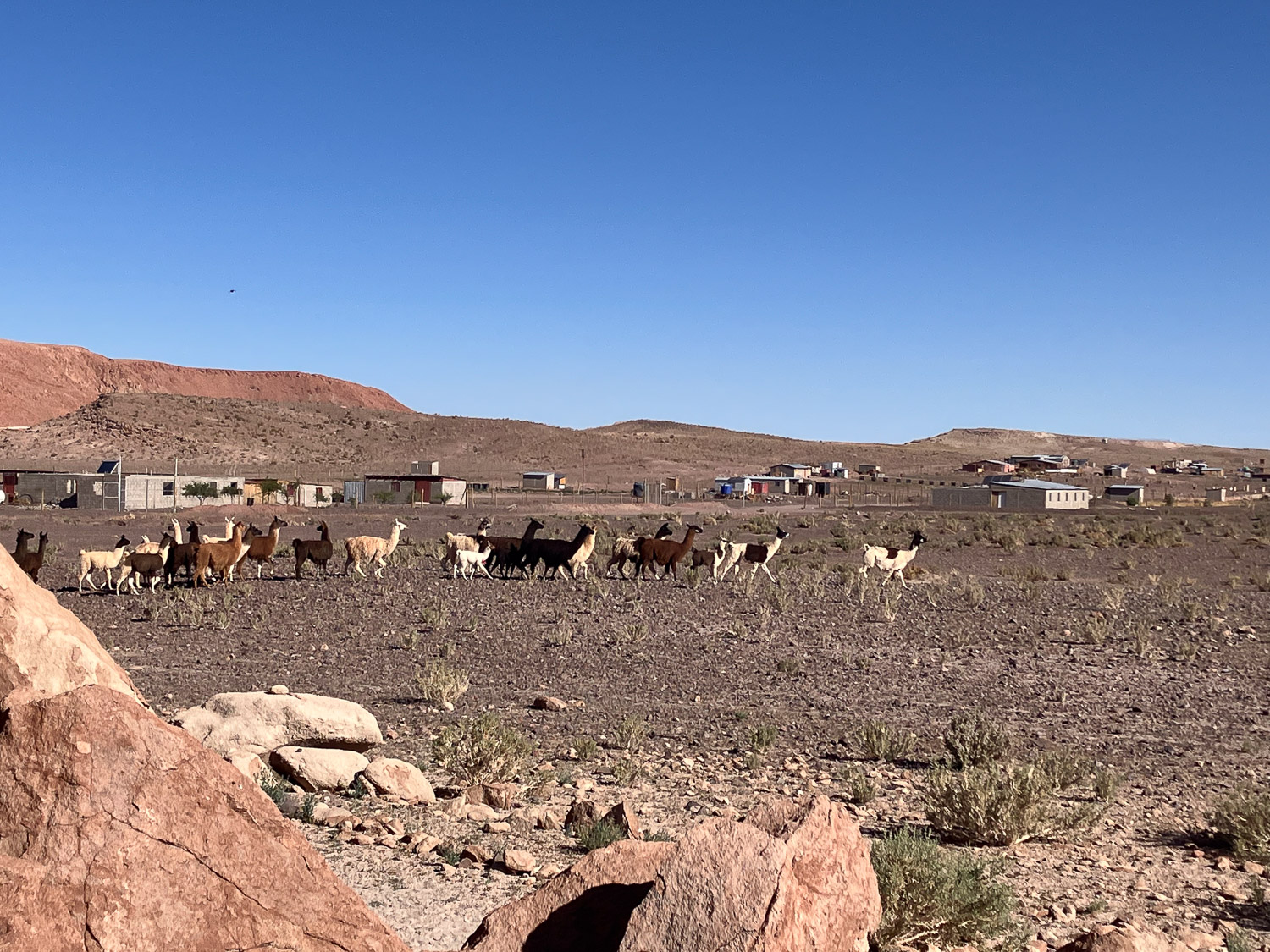
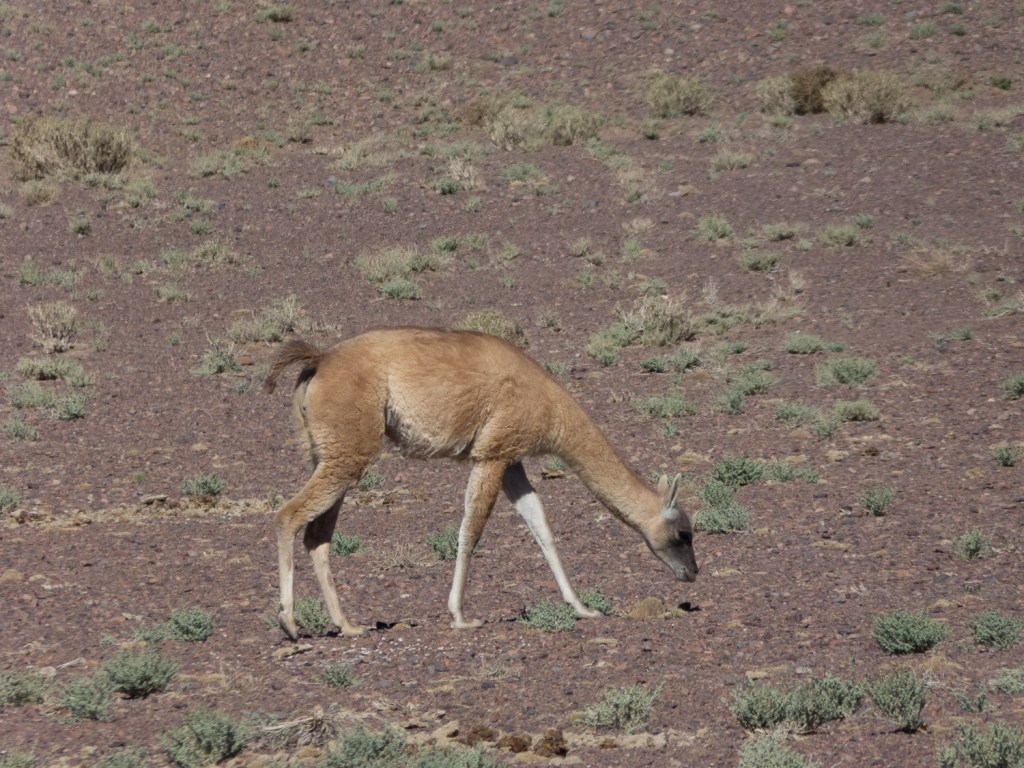
The drive to Rainbow Valley took us past quite a lot of guanacos (wild relatives of llamas).
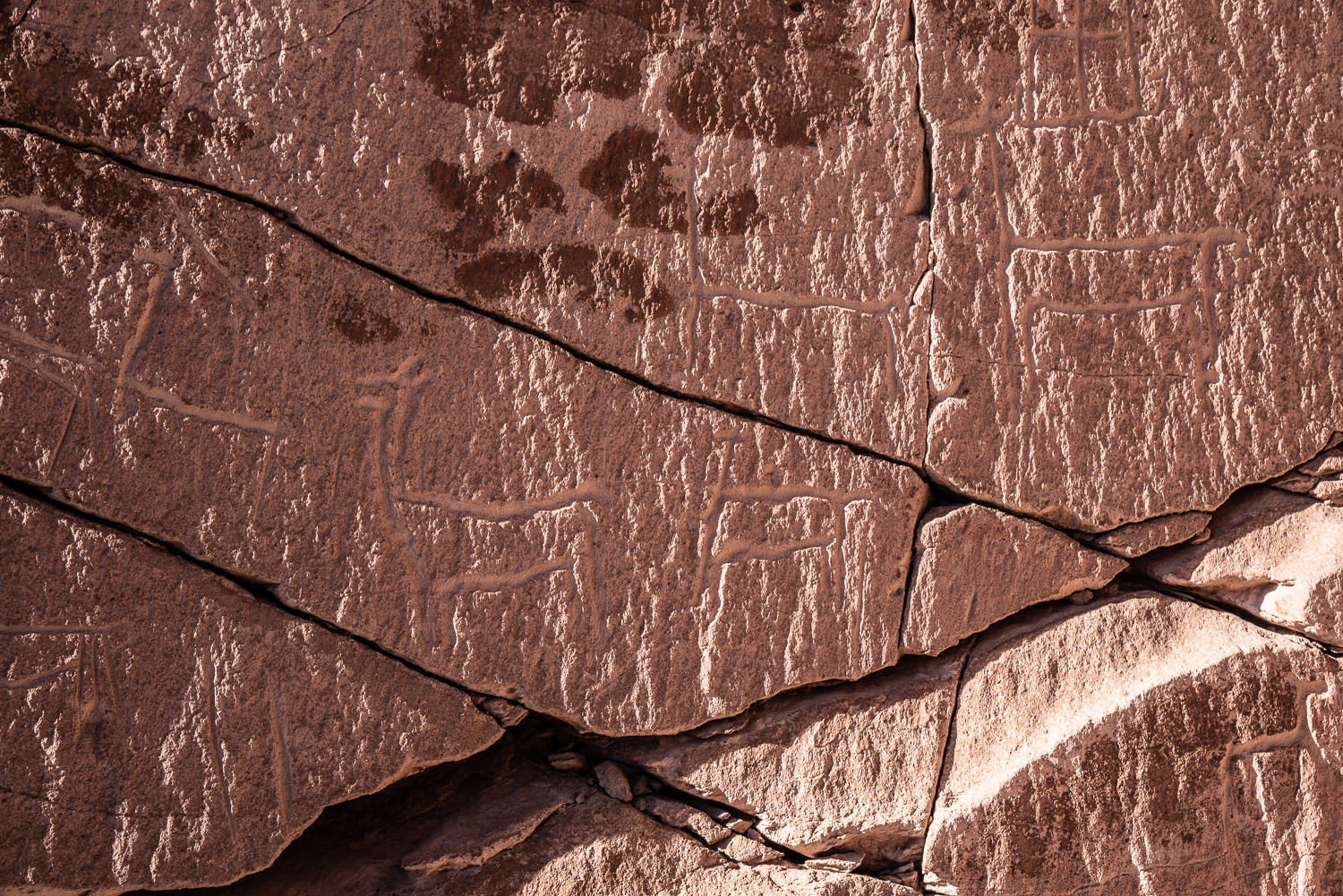
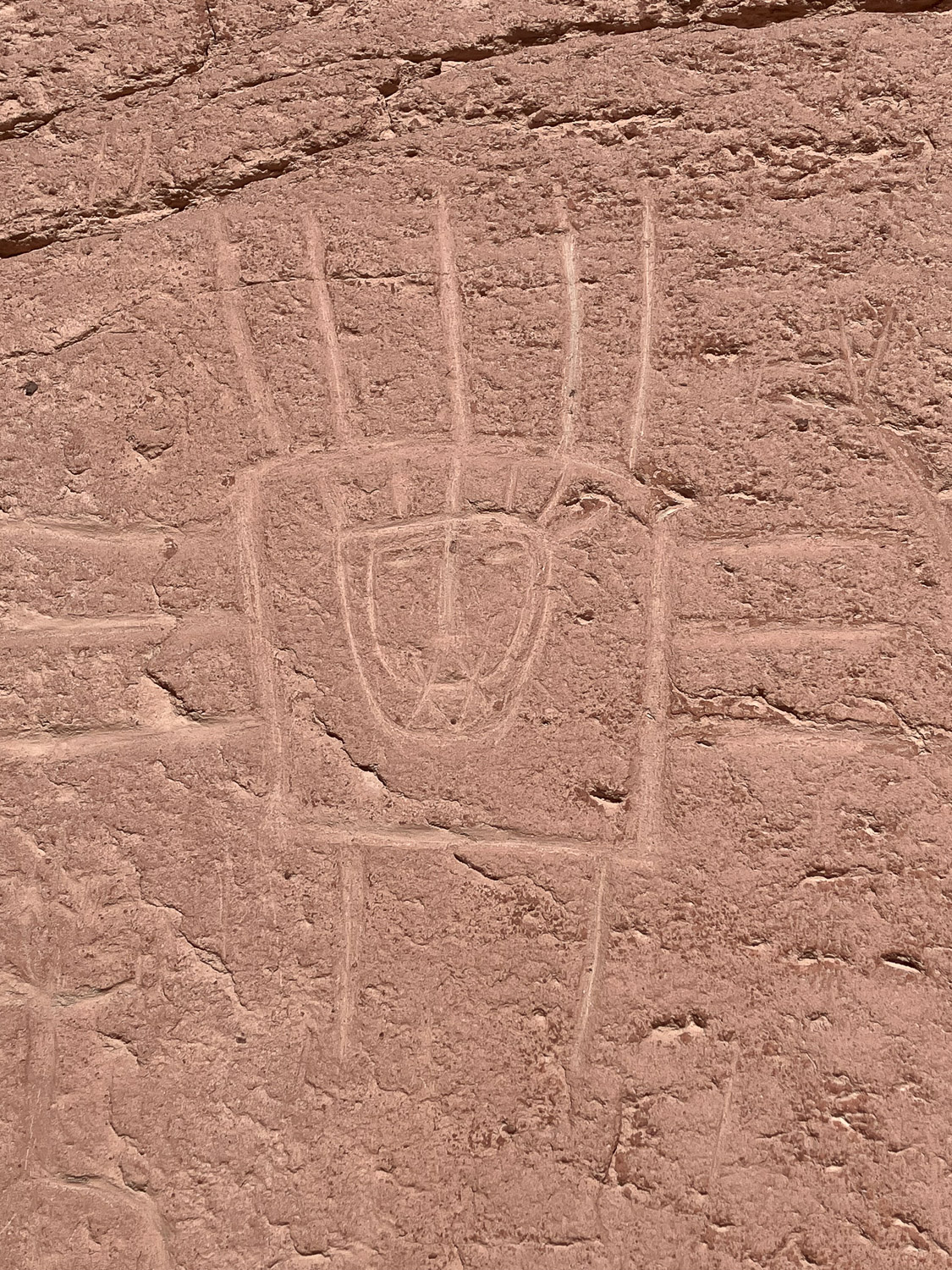
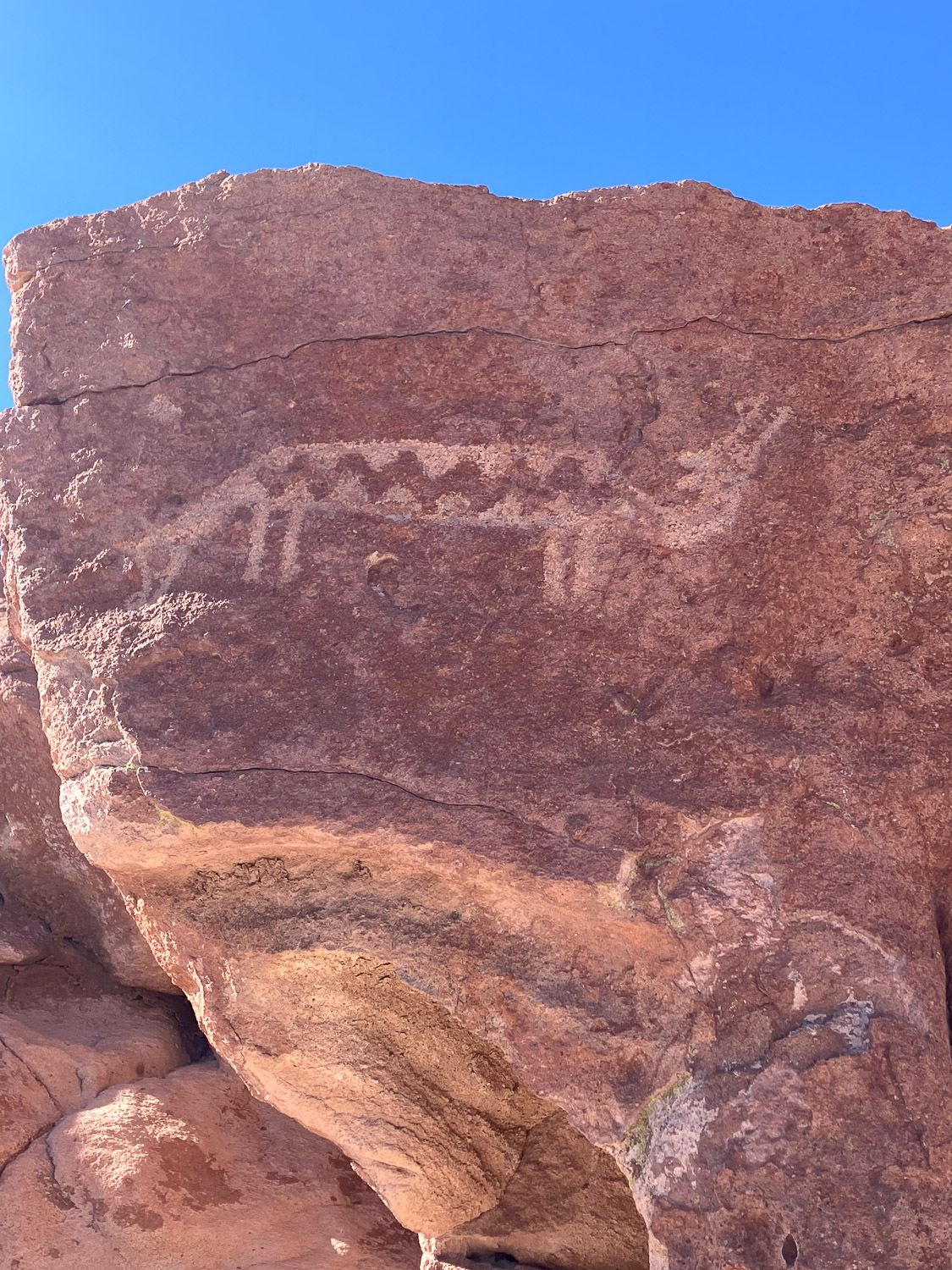
There were a lot of petroglyphs, including a two-headed (pushme-pullyou) llama and a pregnant fox.
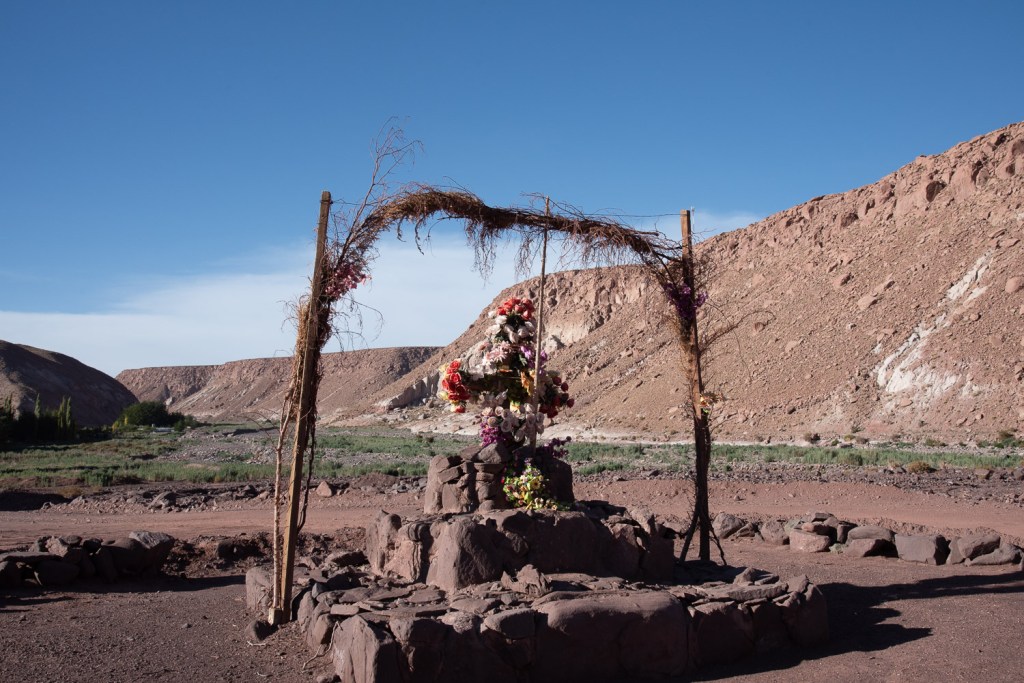
An apecheta or roadside cairn typical of the Andes. These mounds served as sacred altars and traditional road markers.
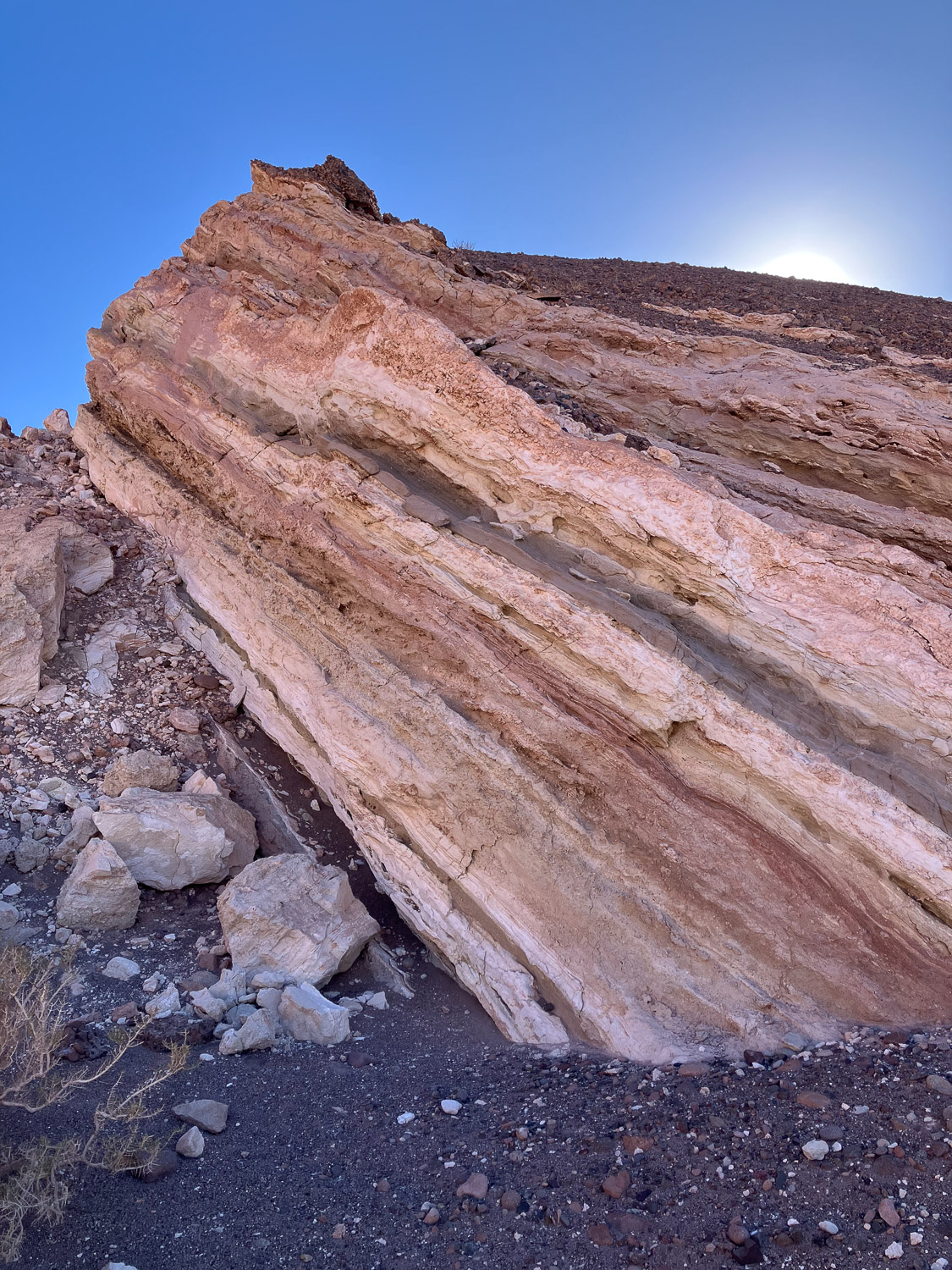
The colours in the rocks explain the name of this area.
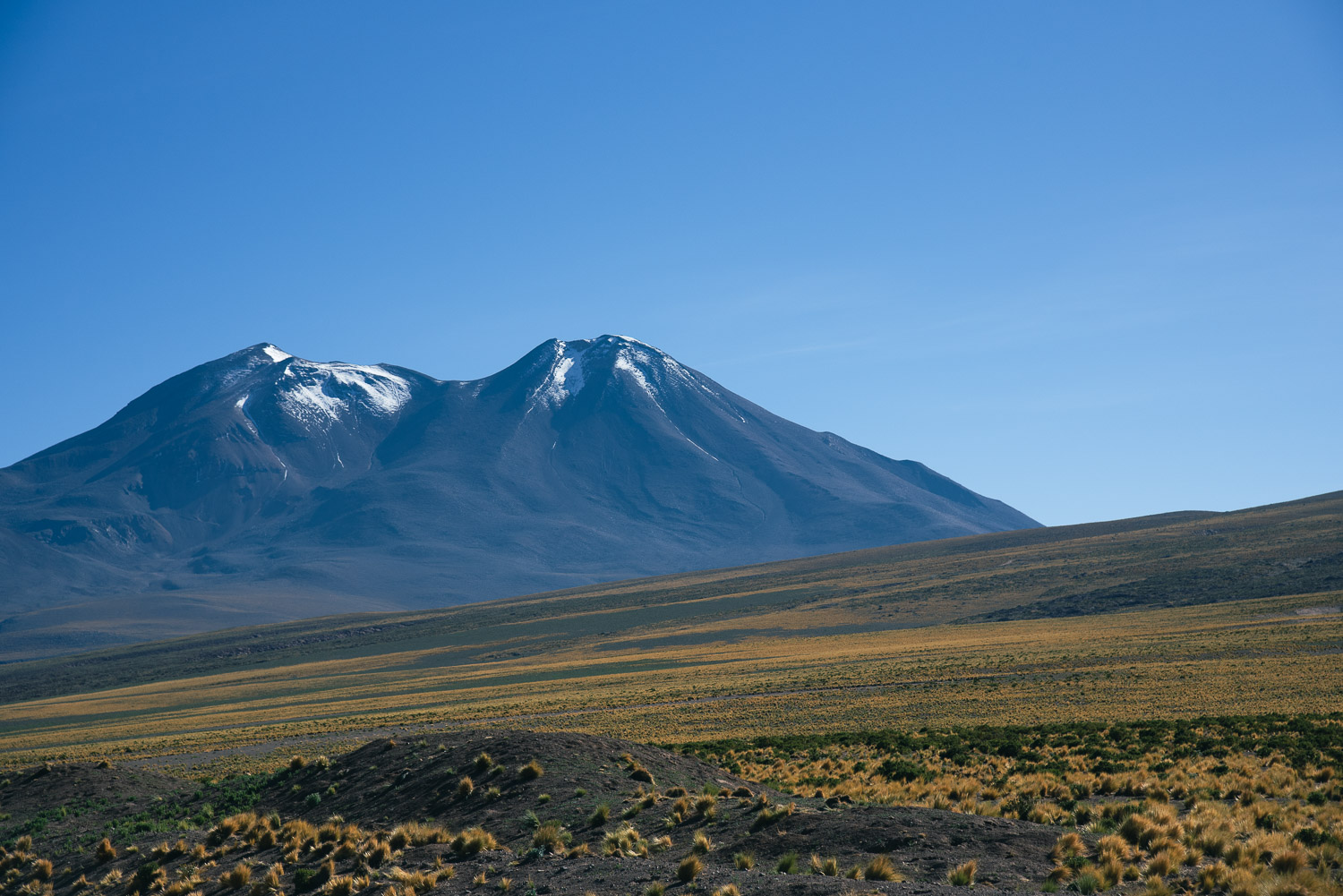
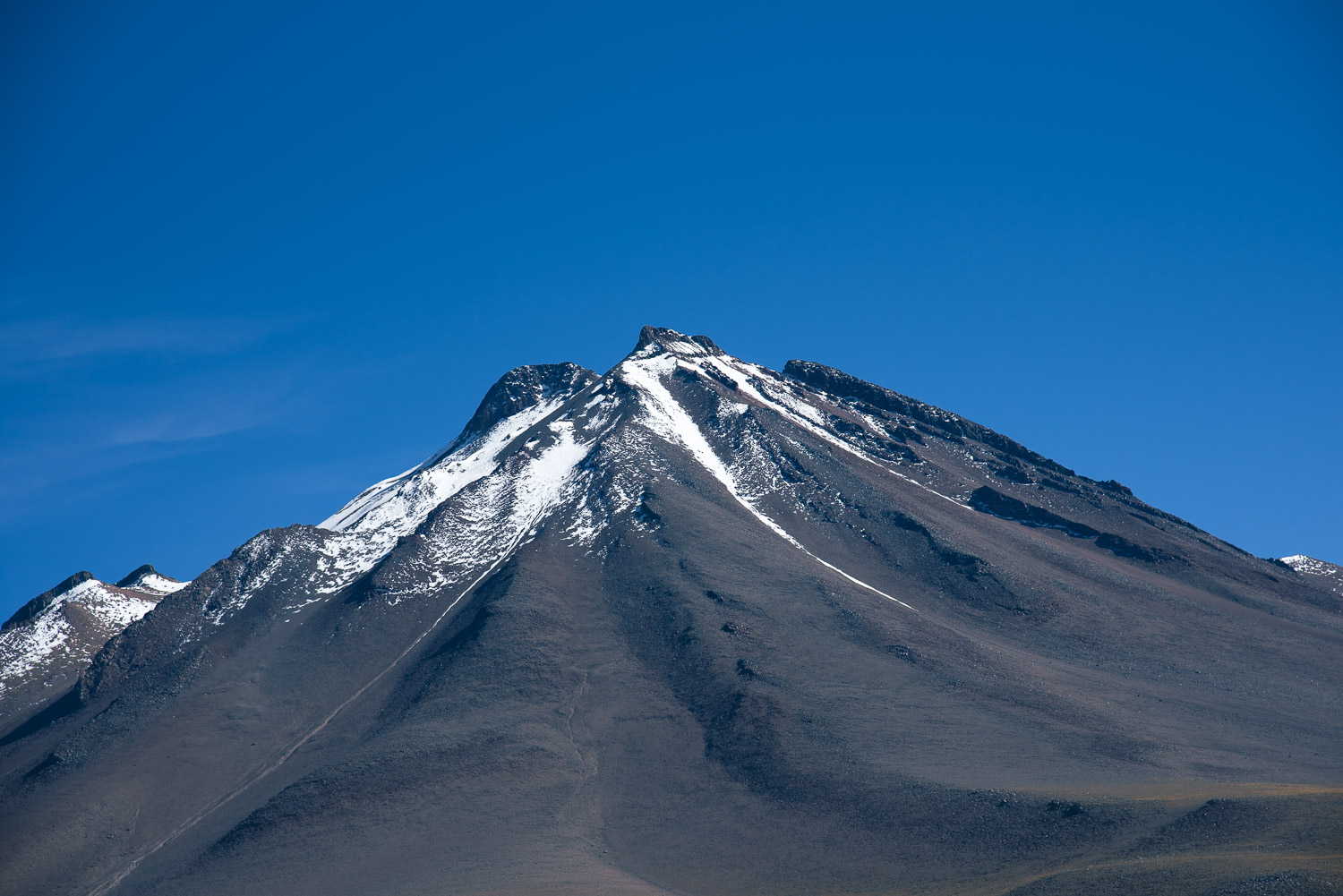
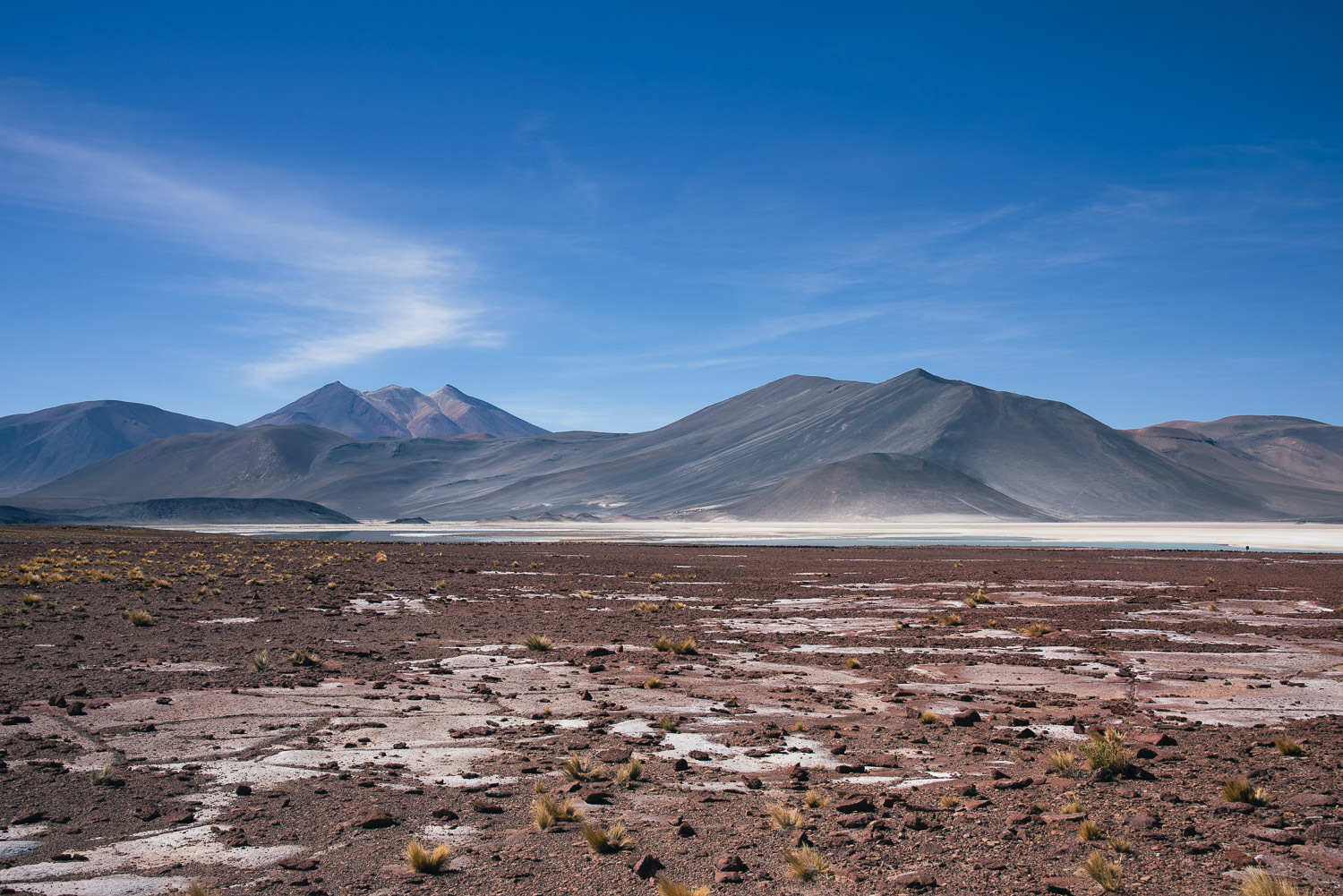
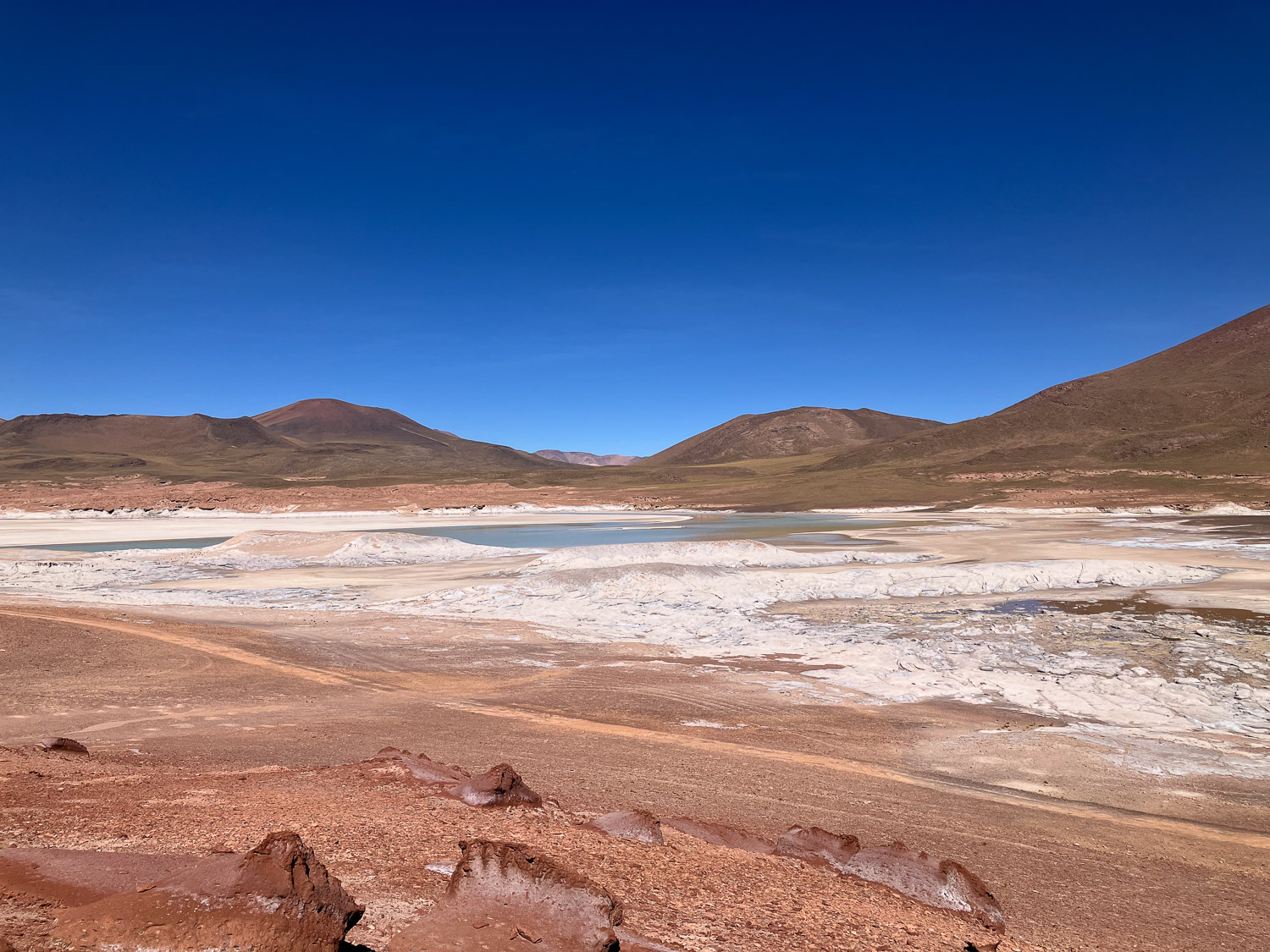
Lagunas Altiplanicas
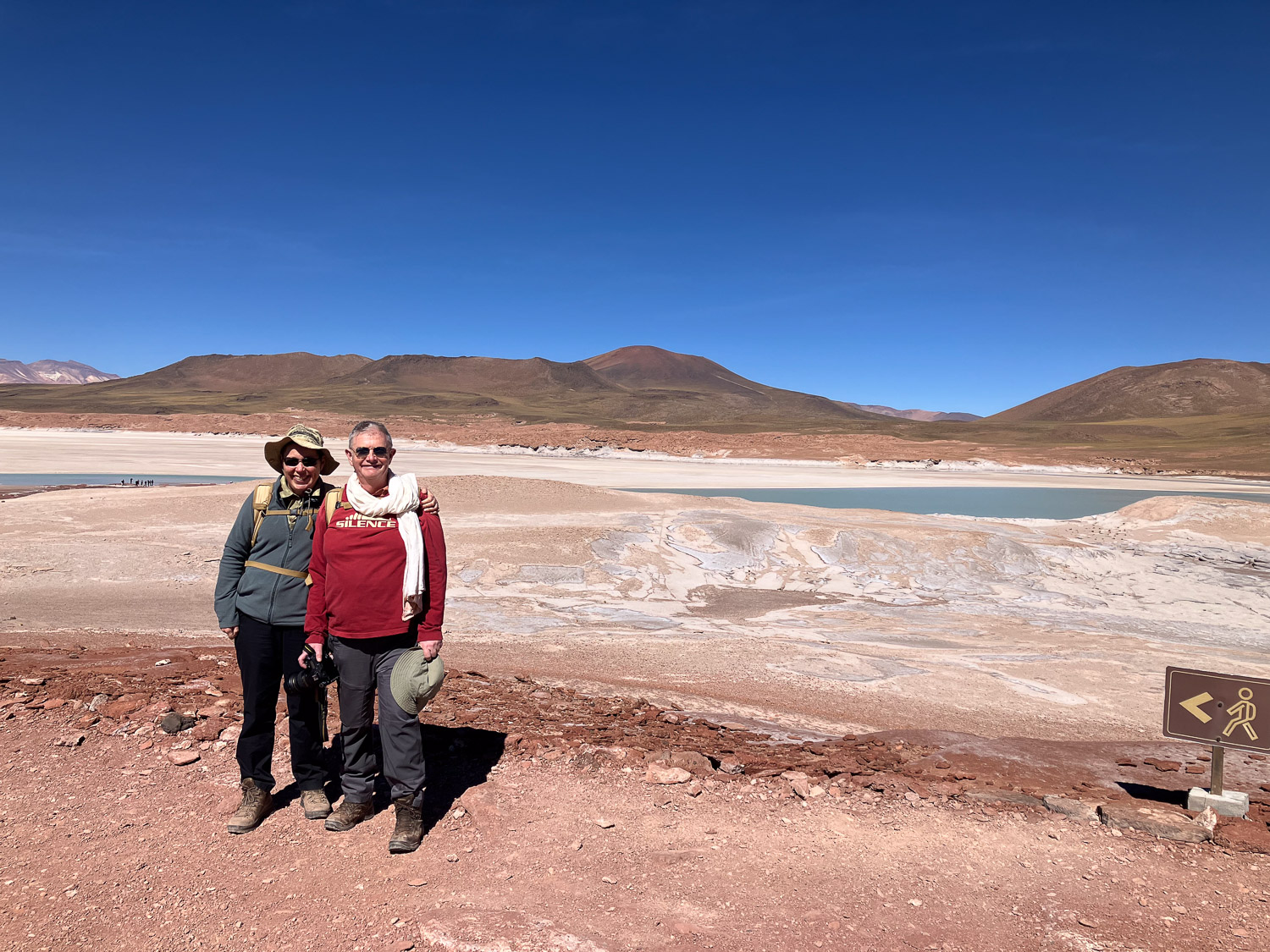
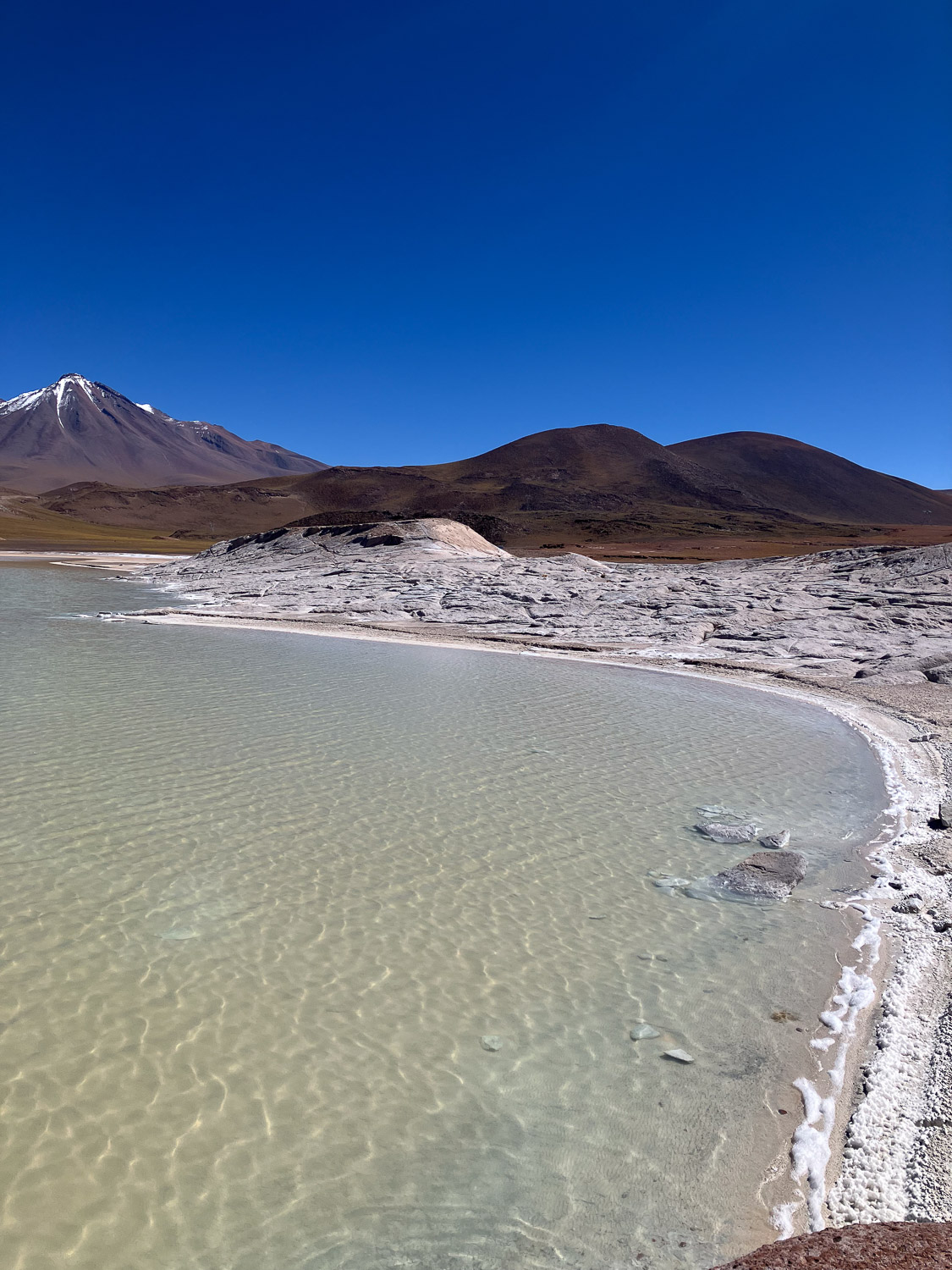
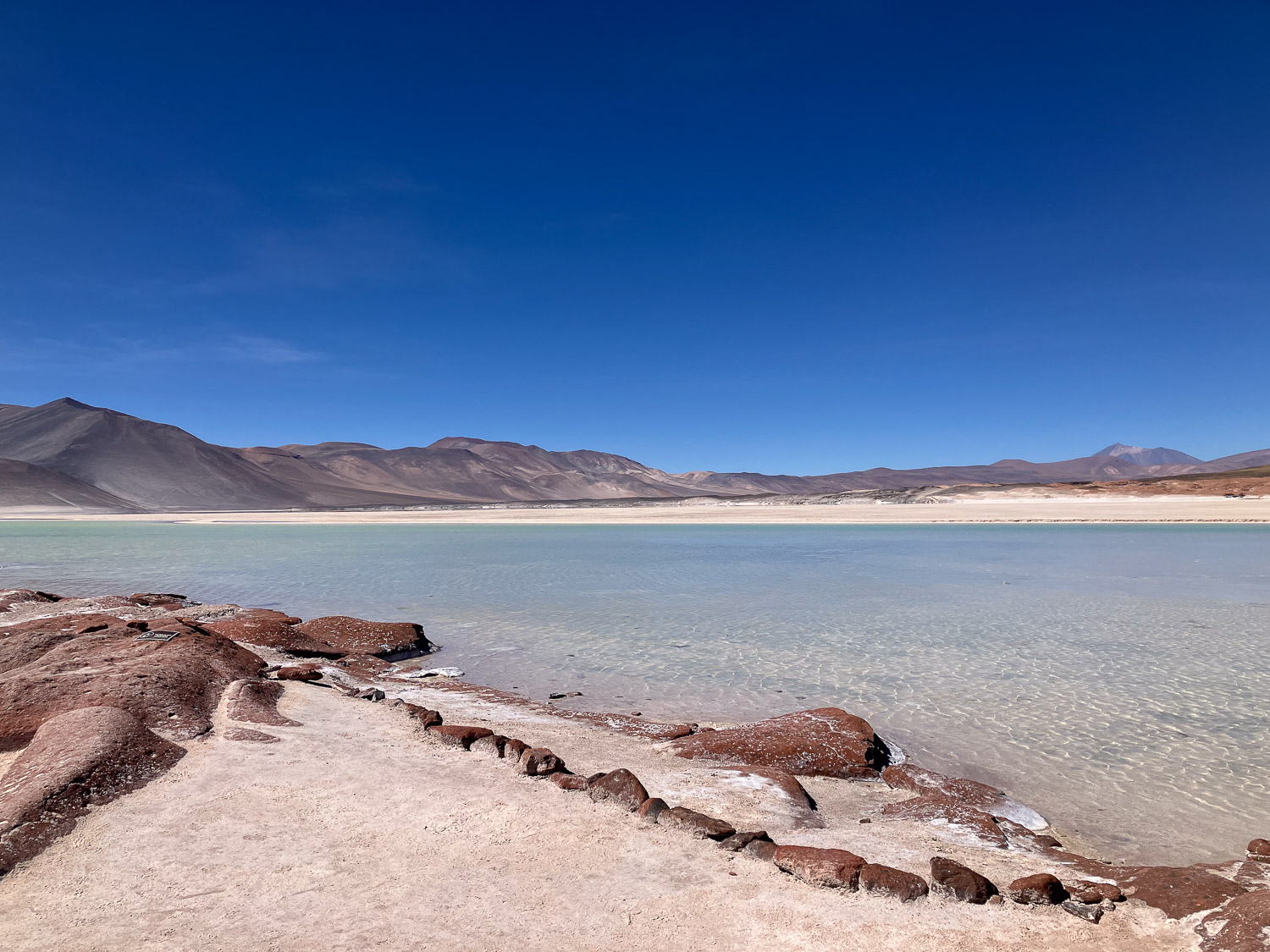
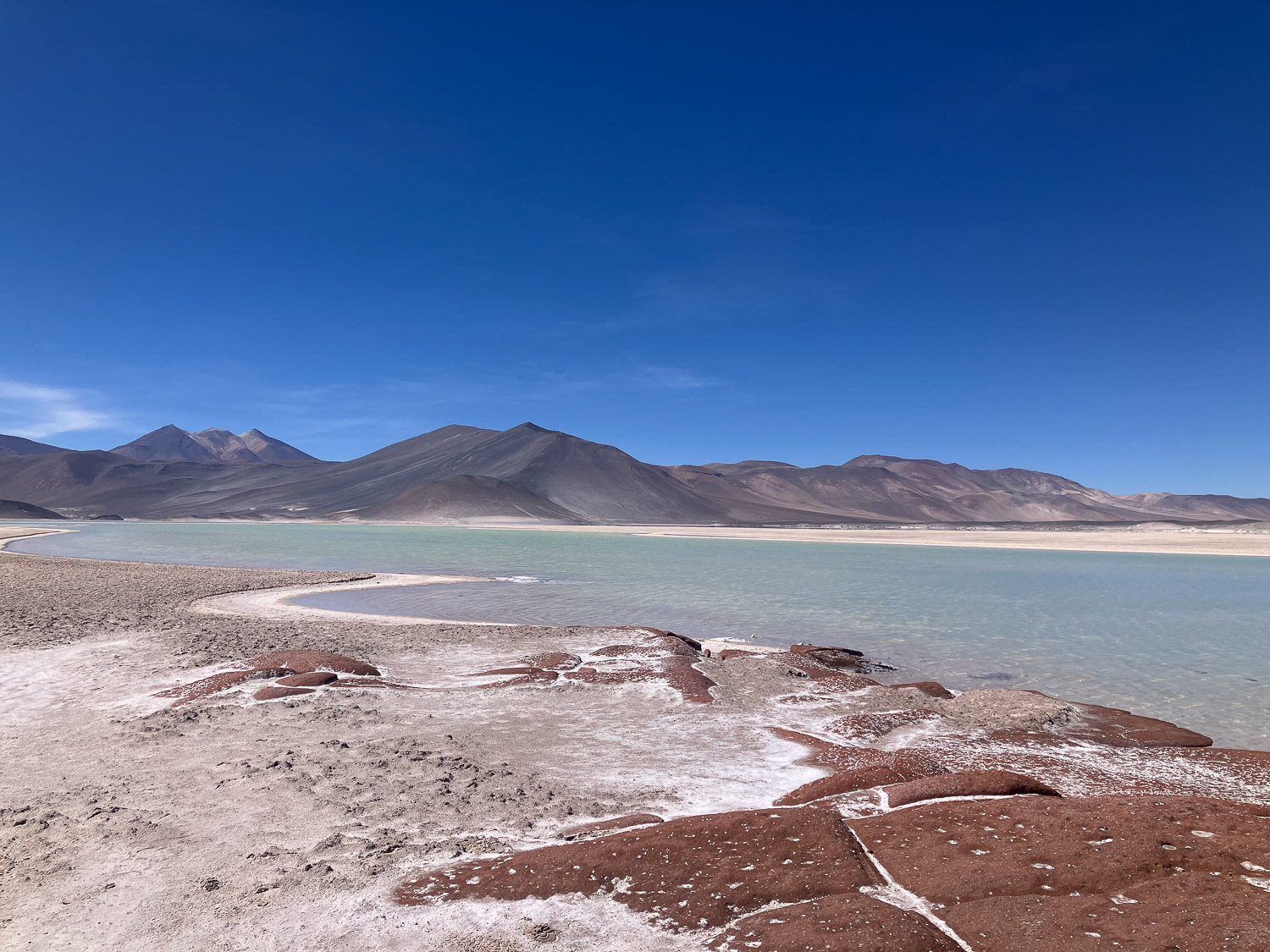
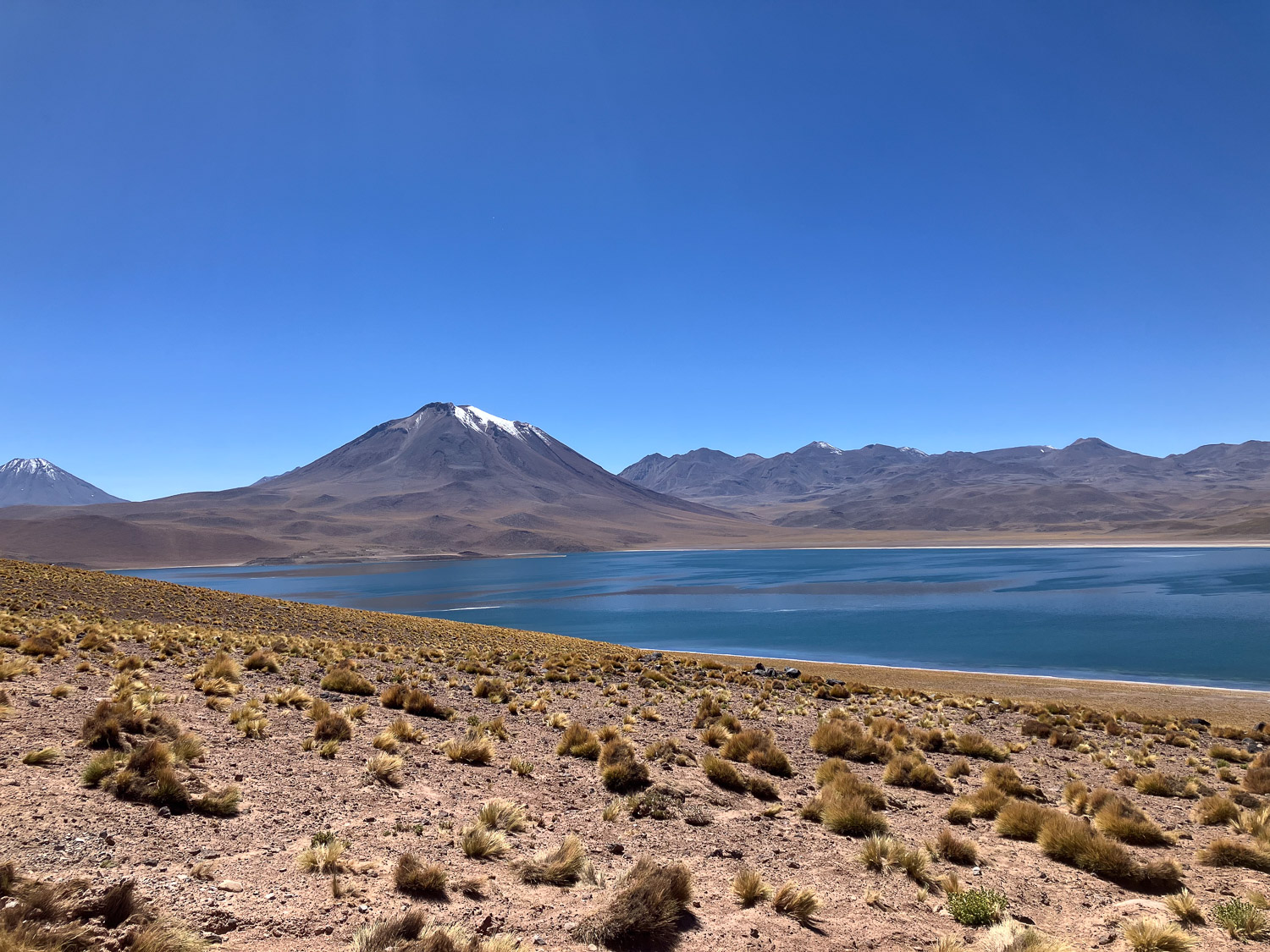
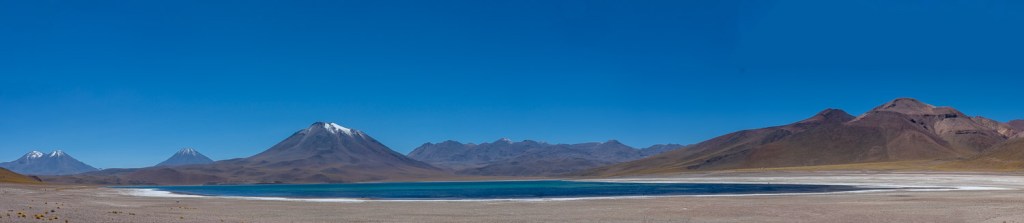
The two Laguna Altiplanicas, Miscanti and Miñiques, are located at 4120 metres. It was quite a long, winding drive from San Pedro, but obviously very much worth it! We really felt the altitude when we got out of the car.
San Pedro de Atacama
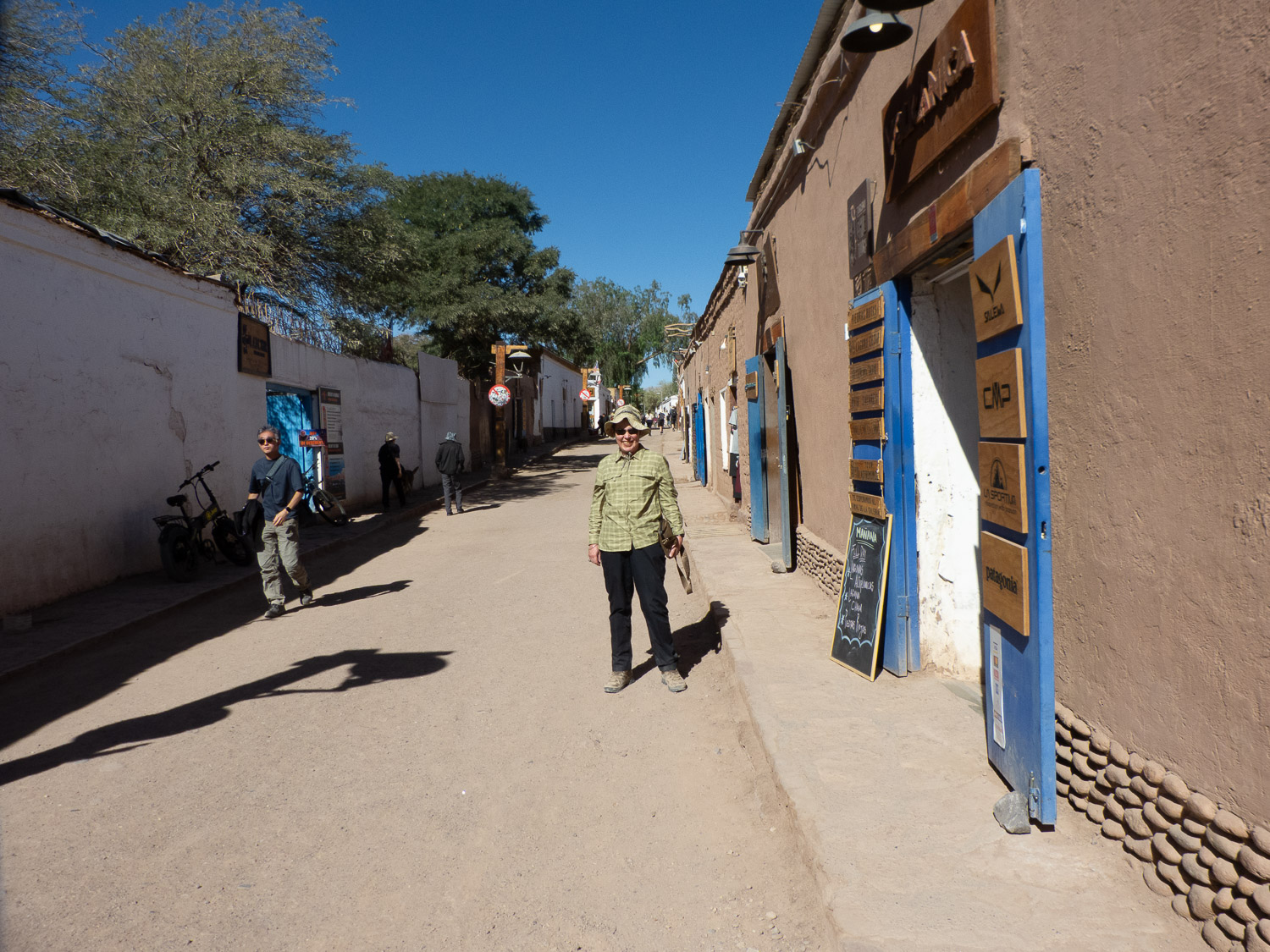
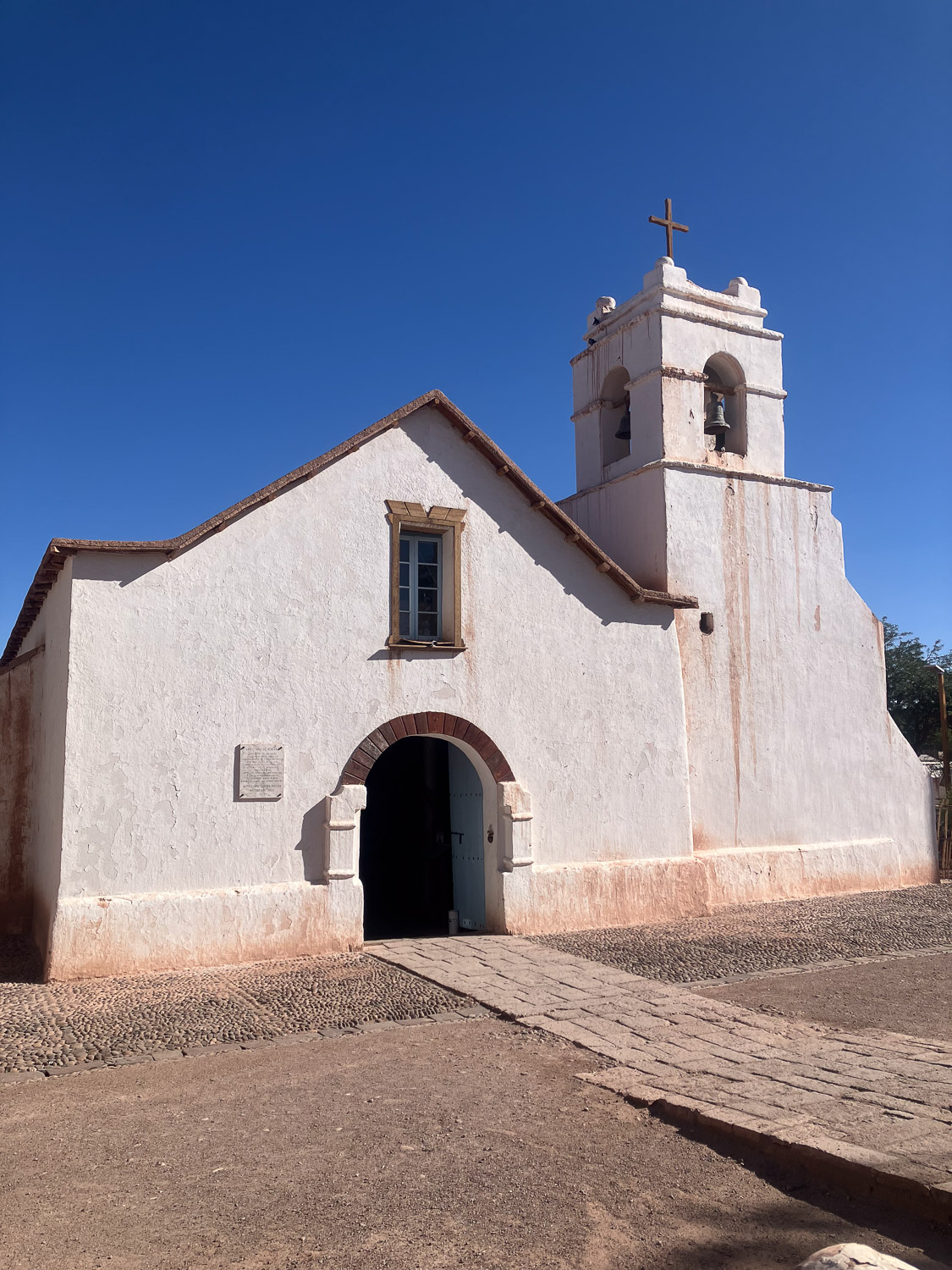
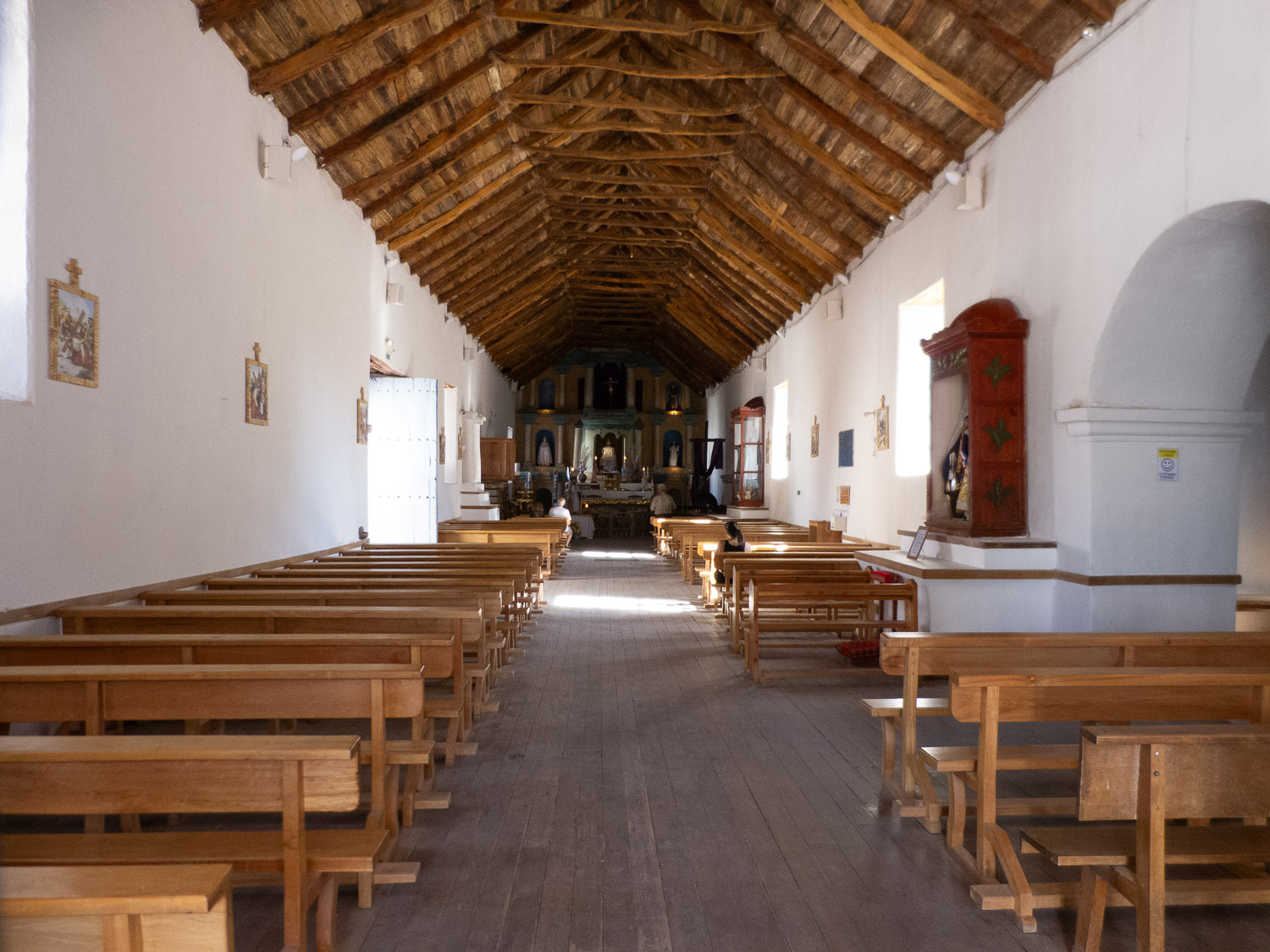
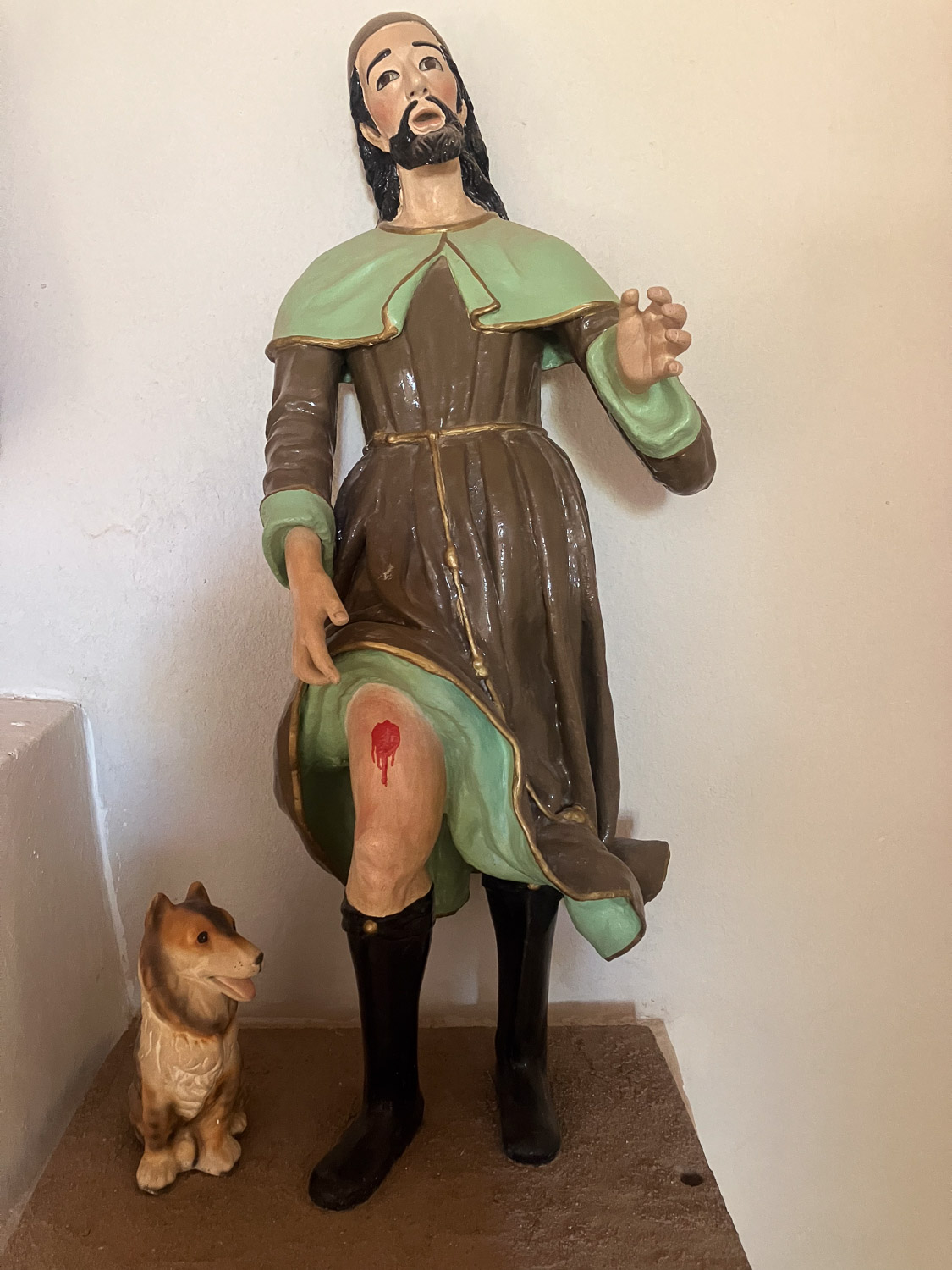
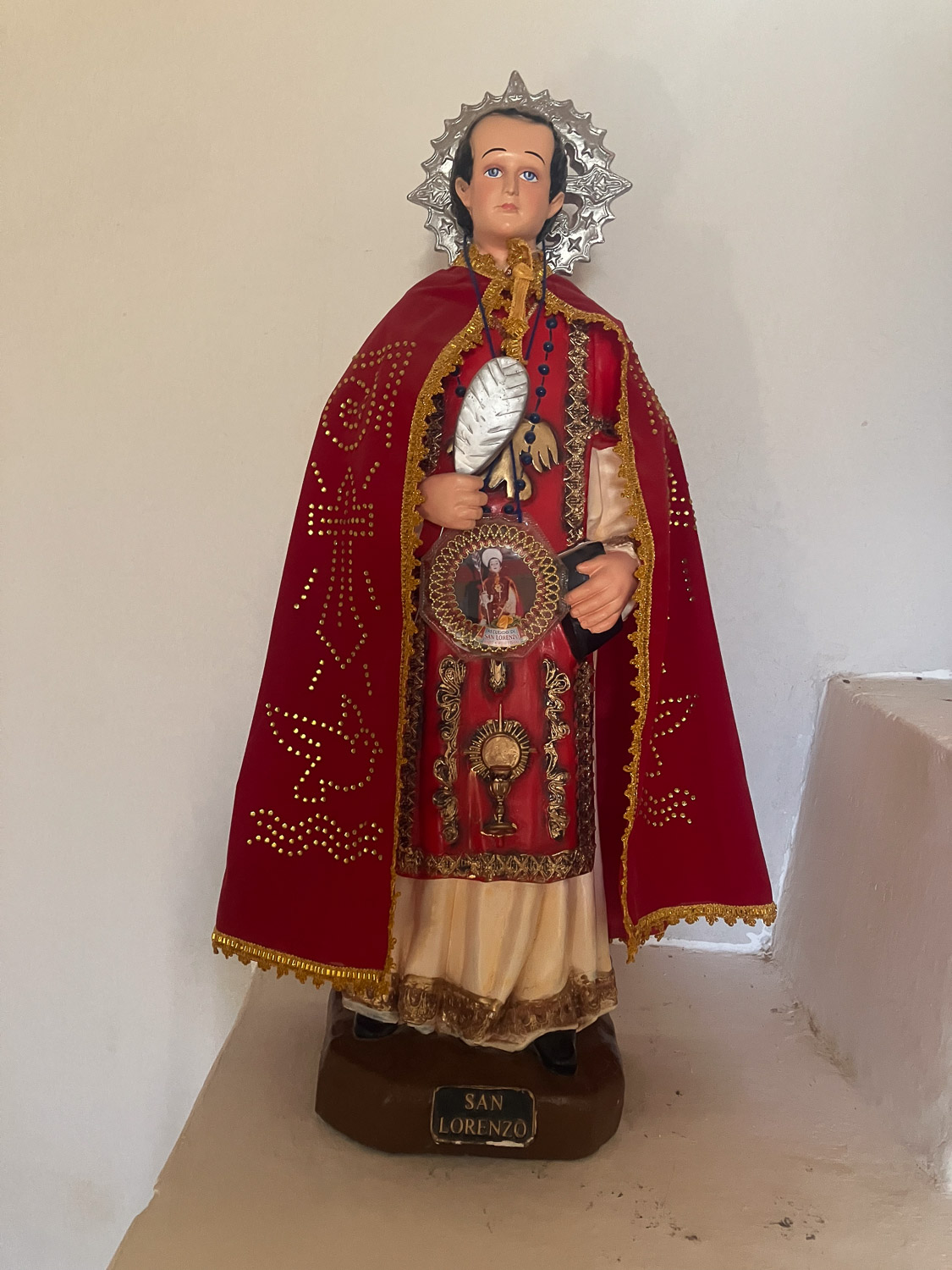
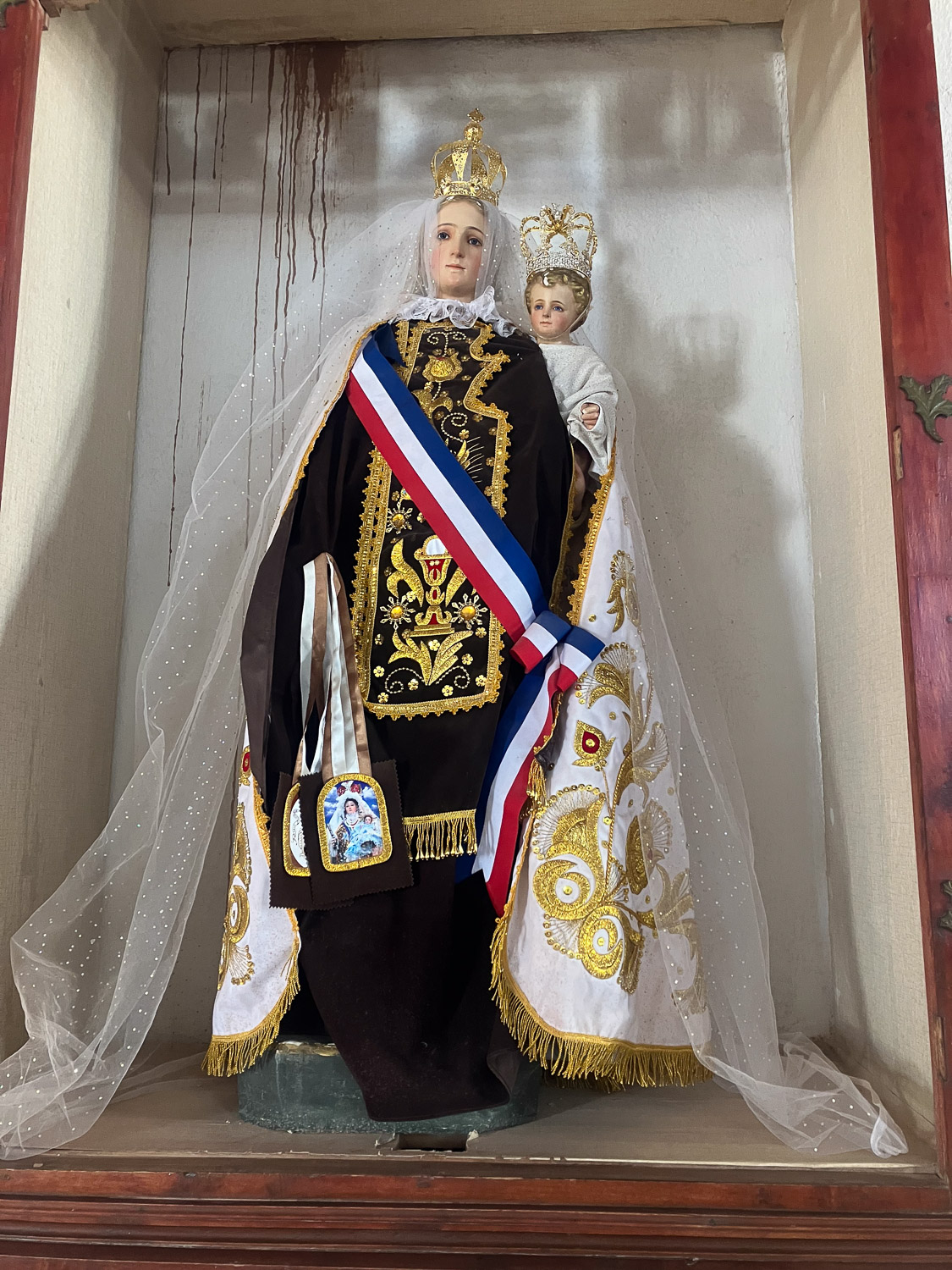
We walked into the little town to look for a cashpoint machine and buy a T-shirt. Annette’s card was rejected, causing a bit of stress, but we enjoyed the seventeenth-century church with its cactus-roof ceiling and many saints.
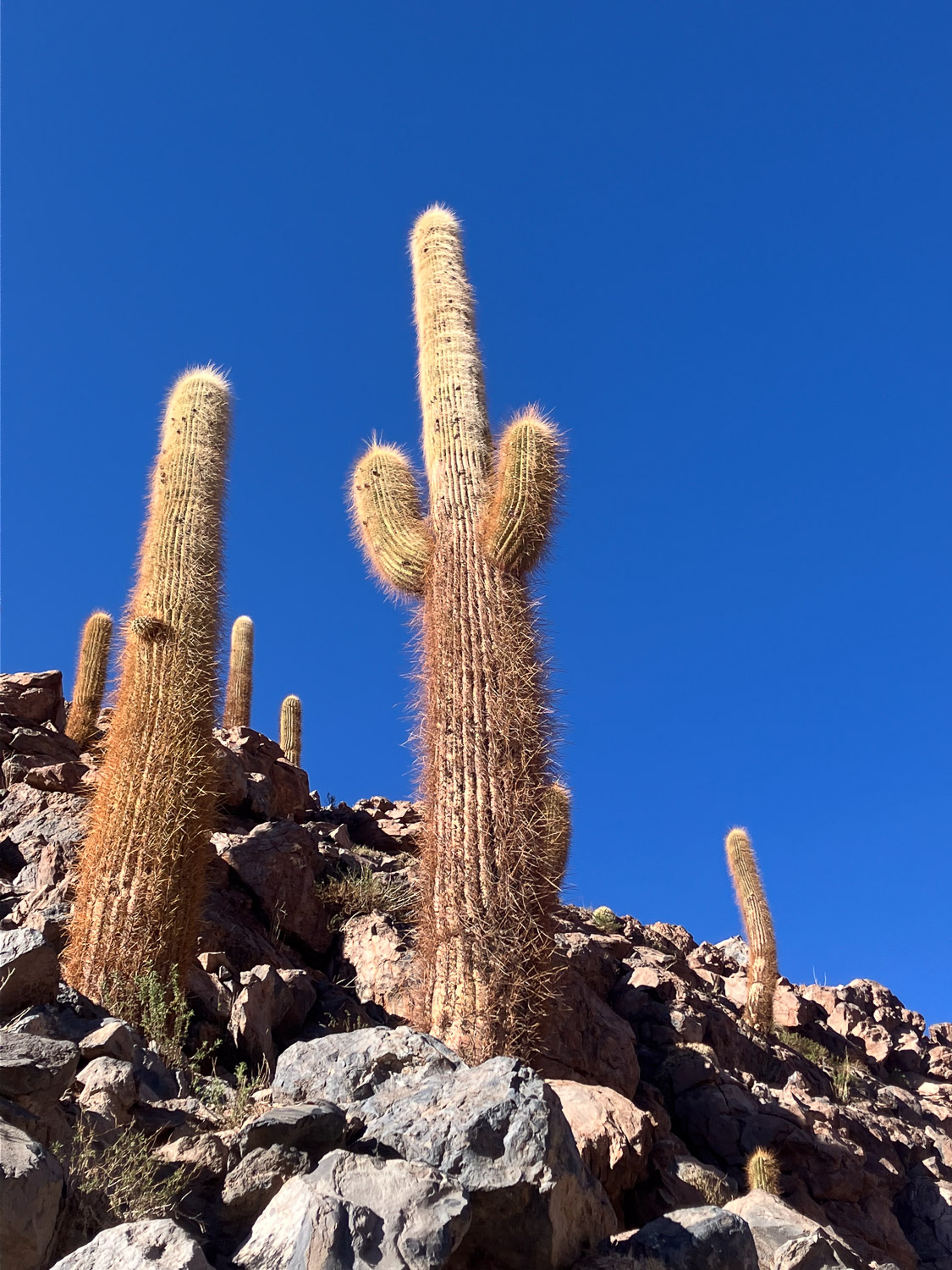
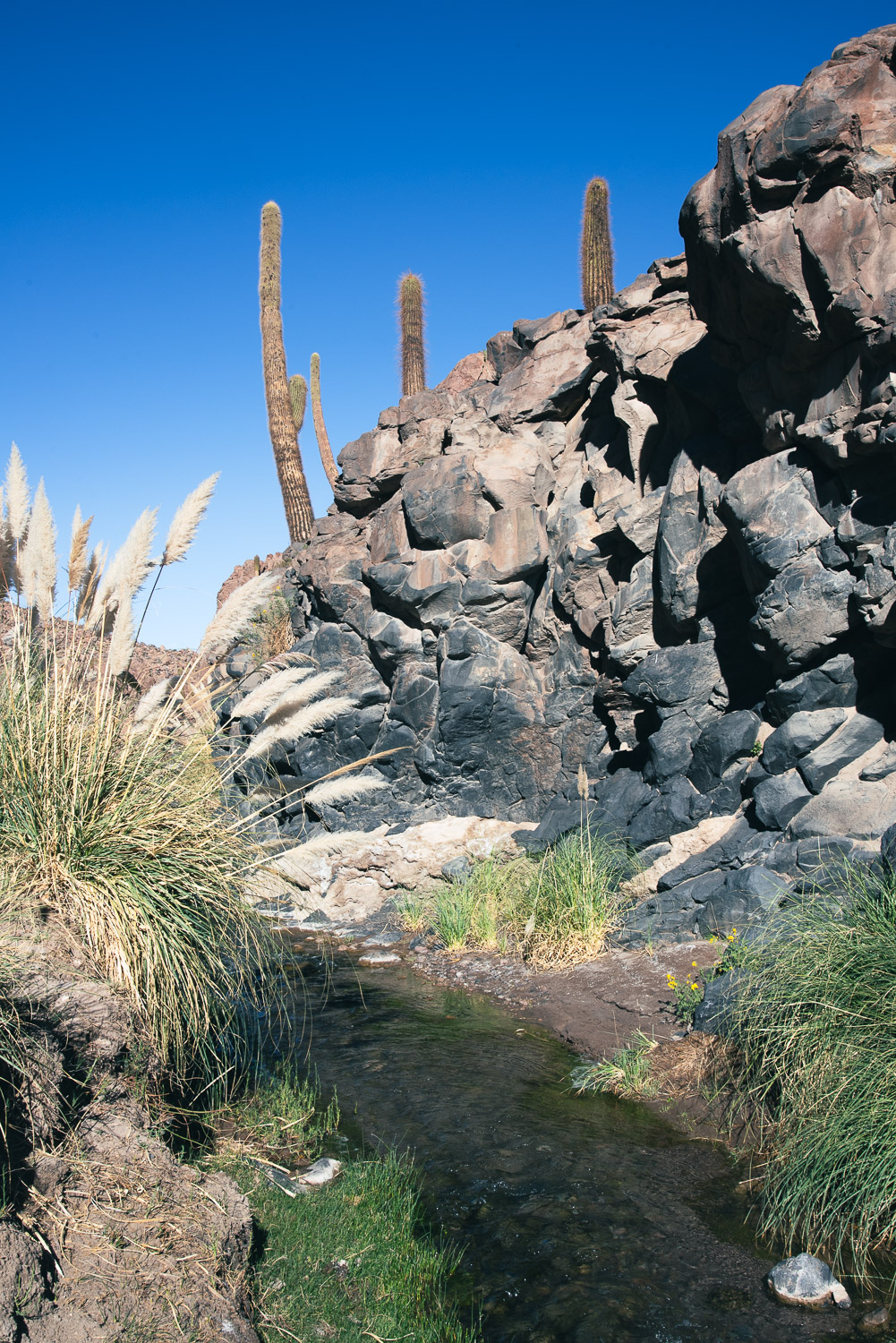
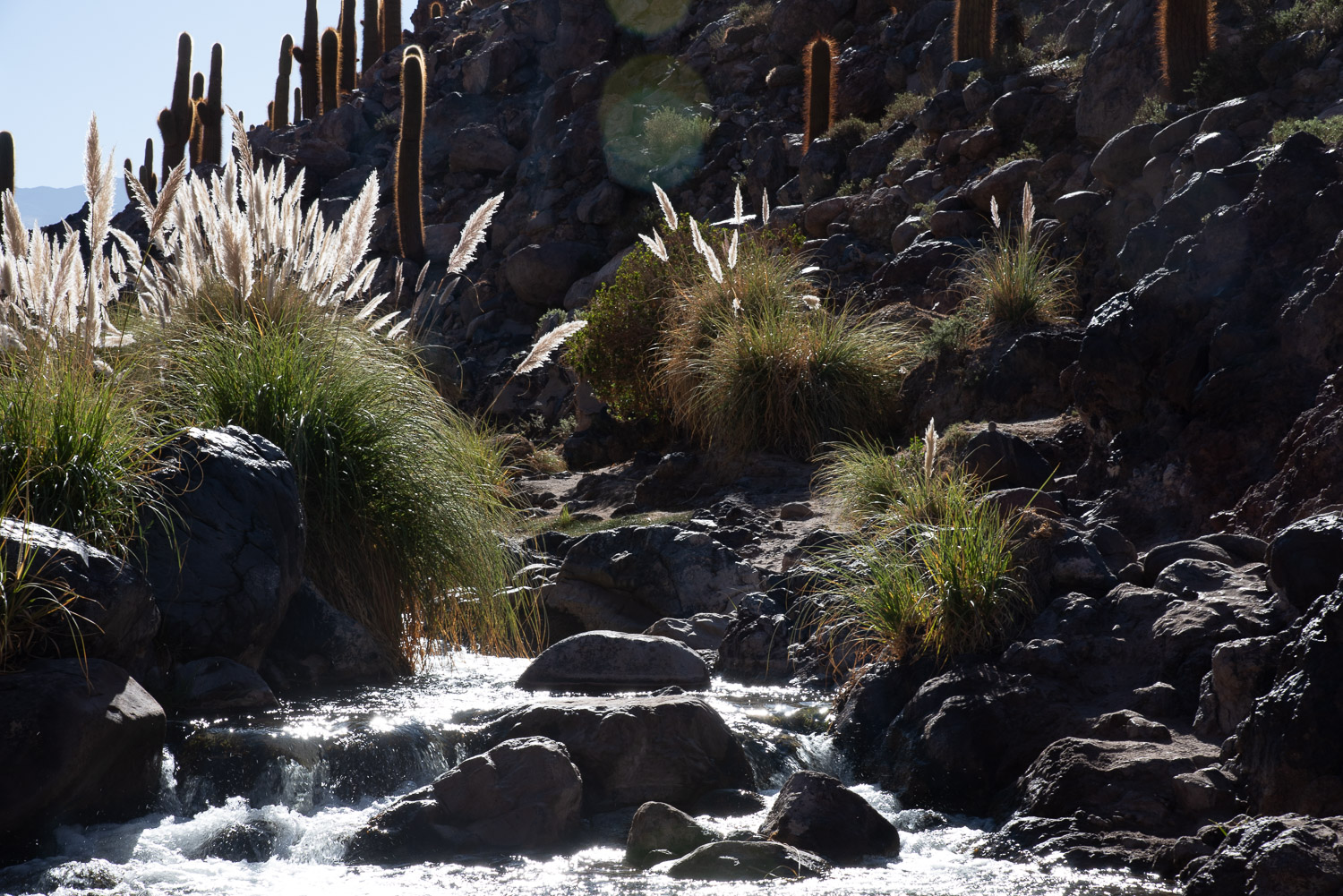
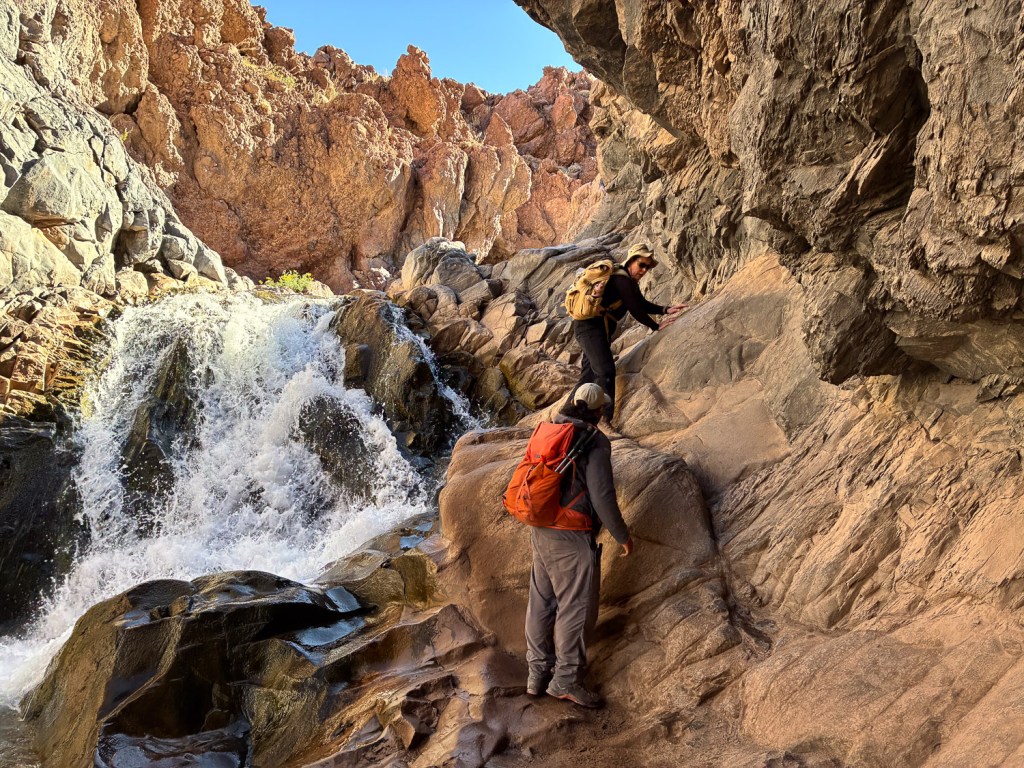
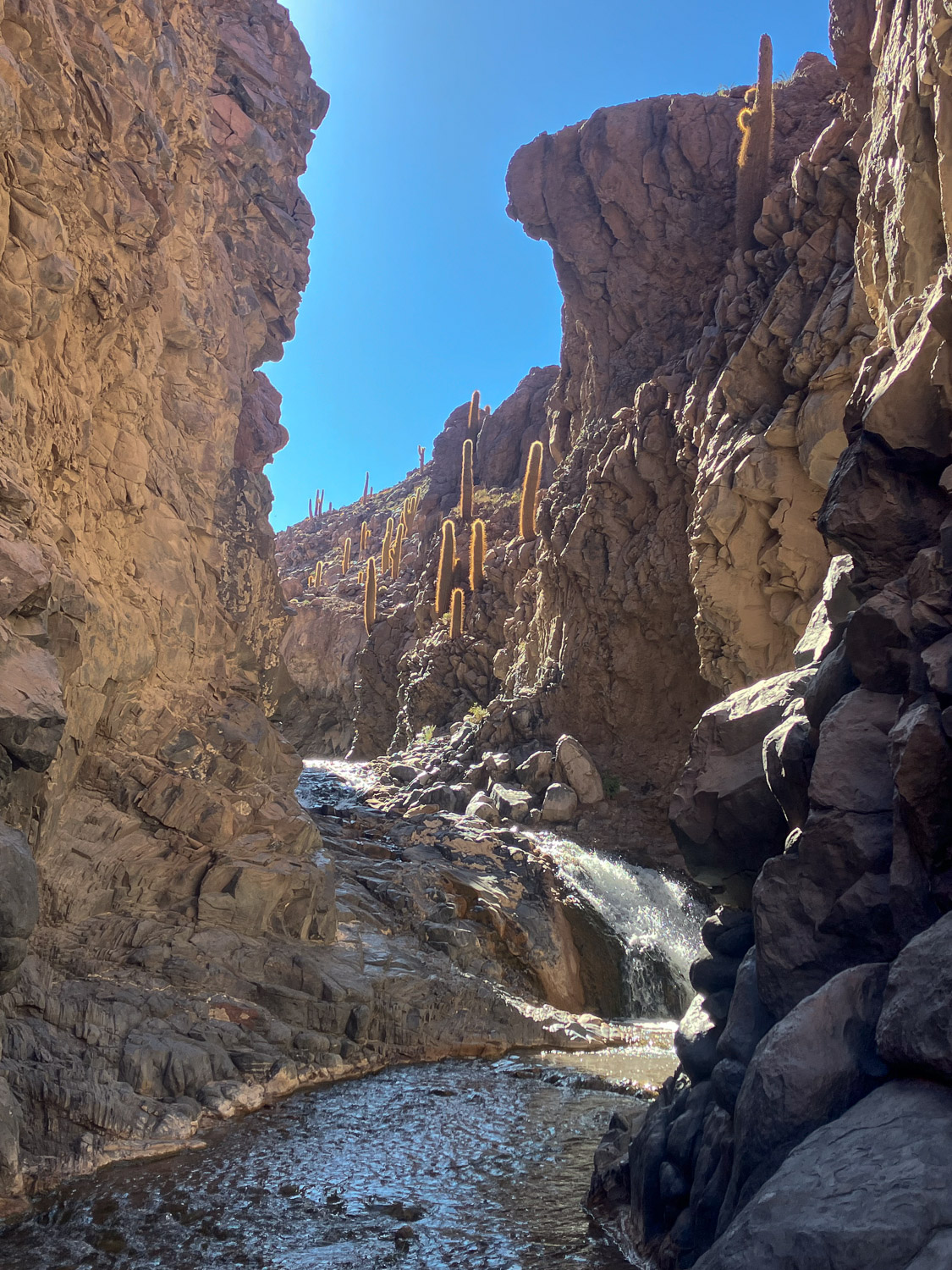
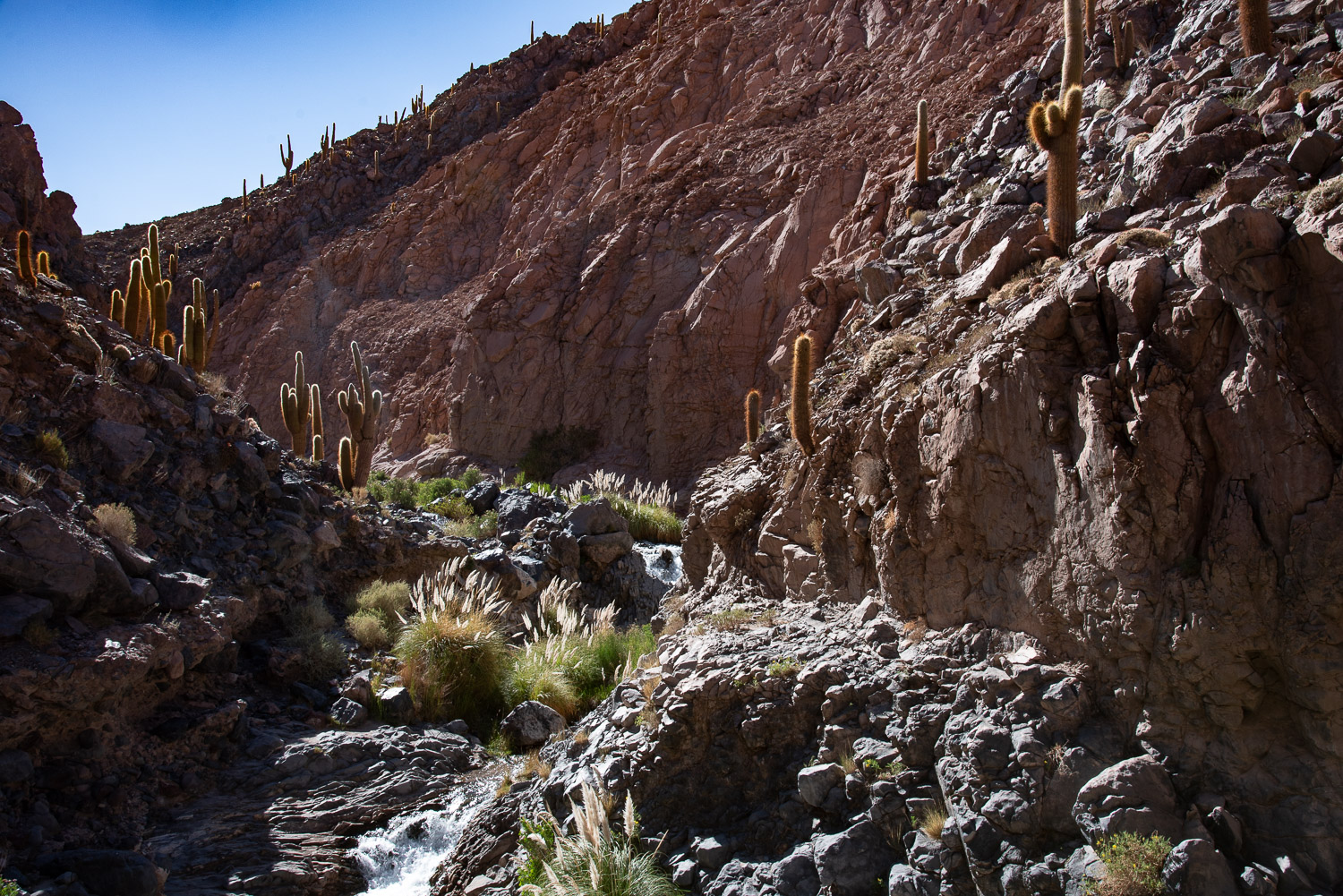
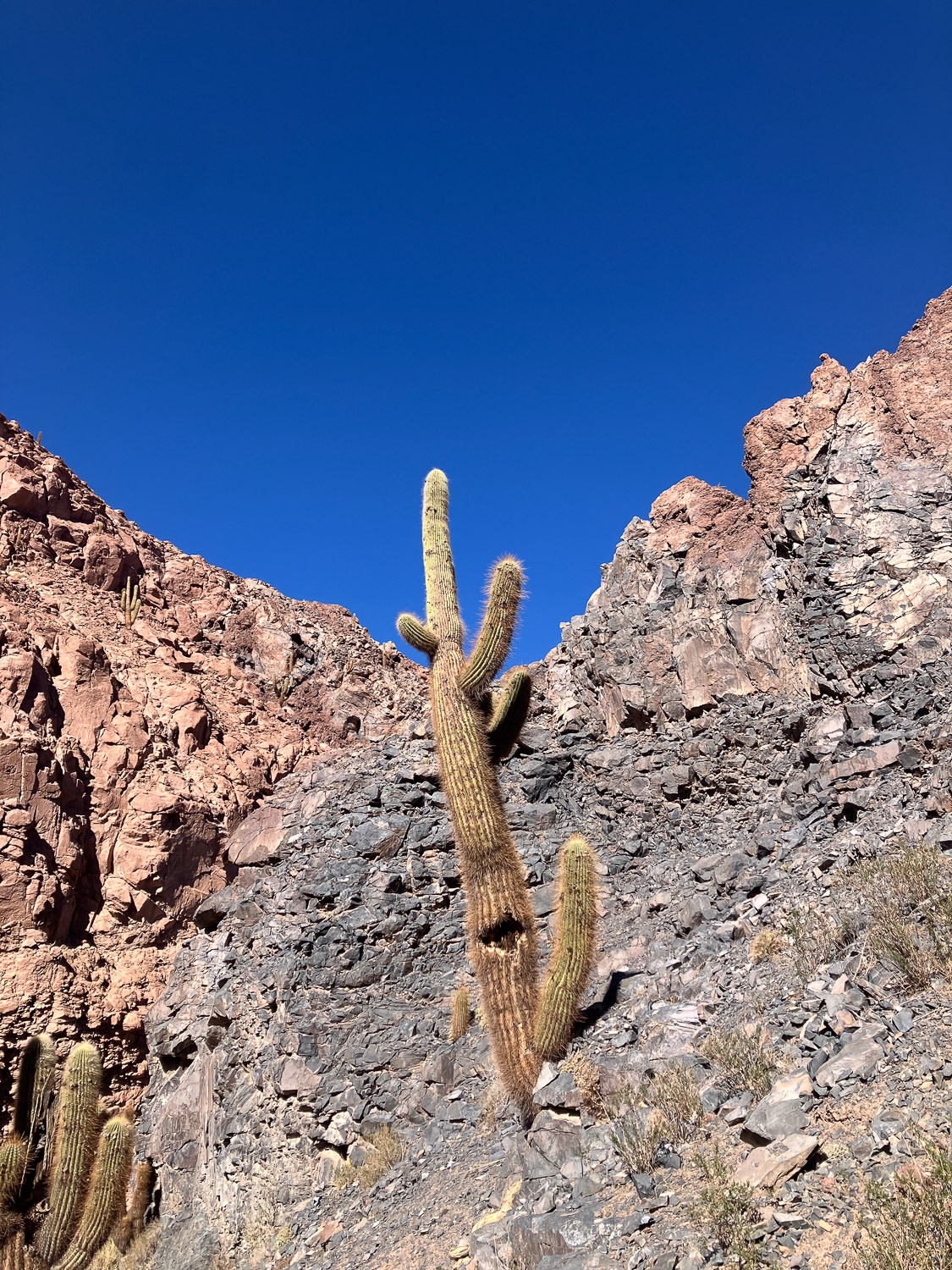
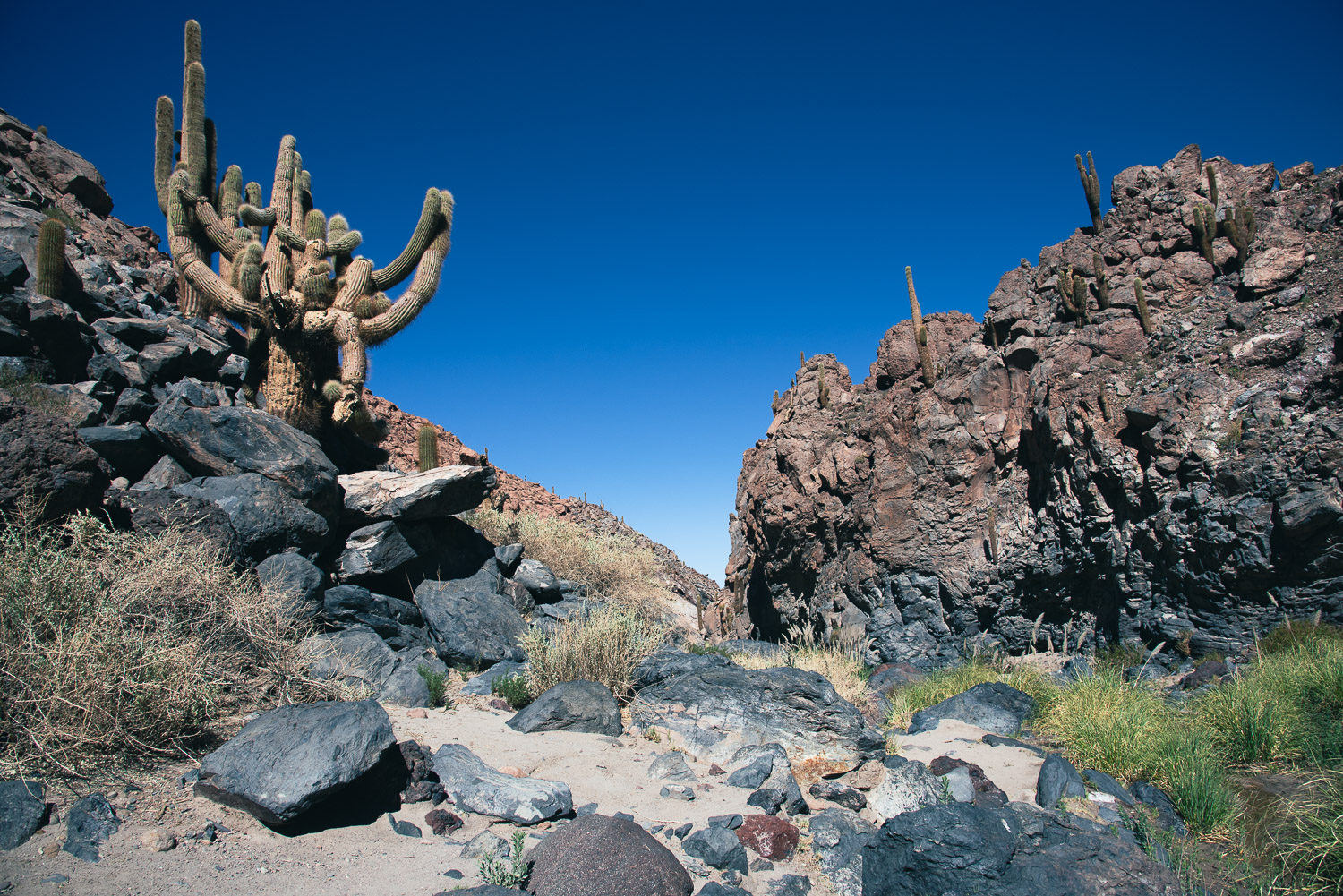
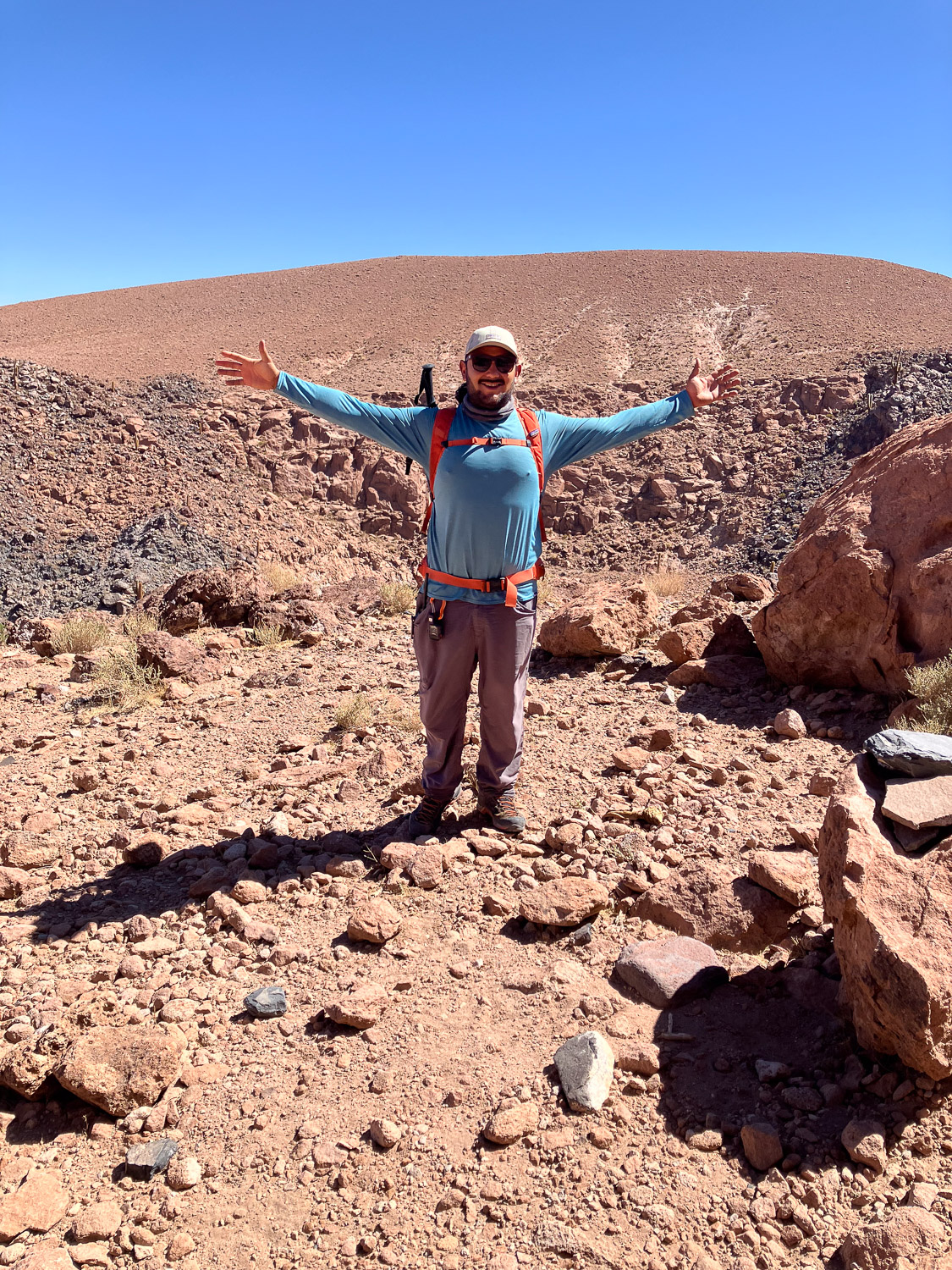
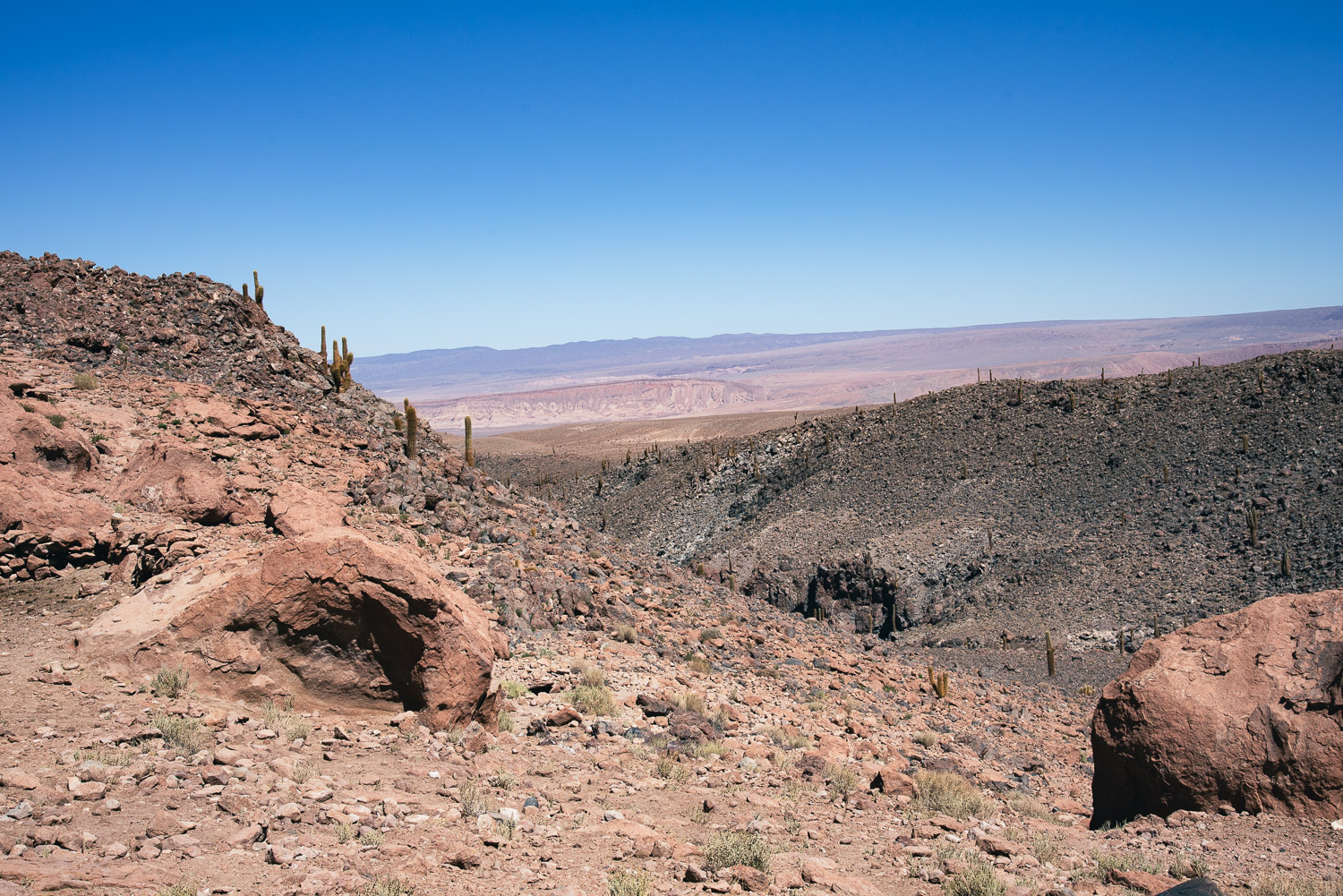
Guatin Cactus Hike
The Guatin Cactus Hike involves a bit of scrambling along a river-bed. There was a lot of scope for falling or dropping camera equipment, but we managed not to do either.
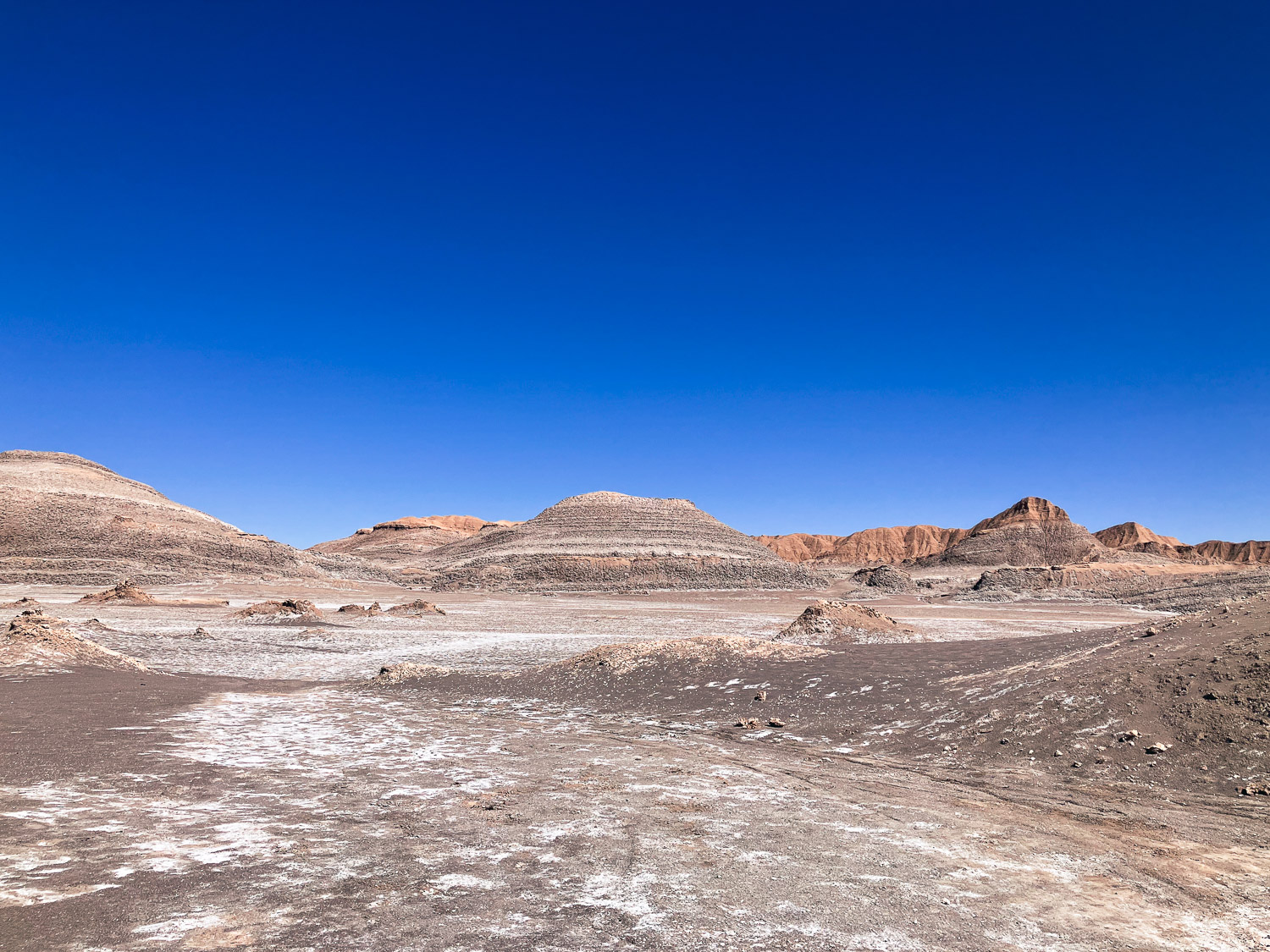
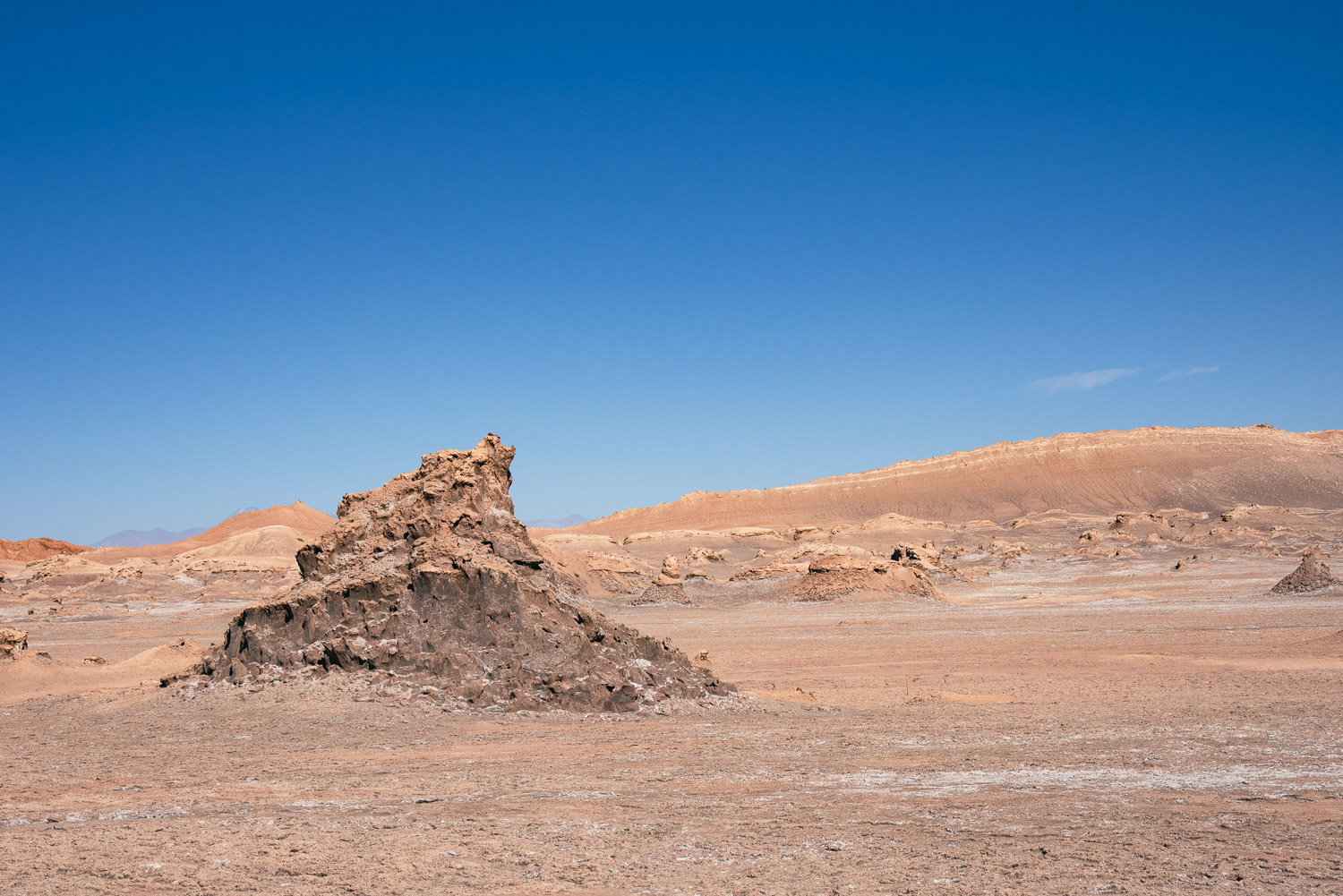
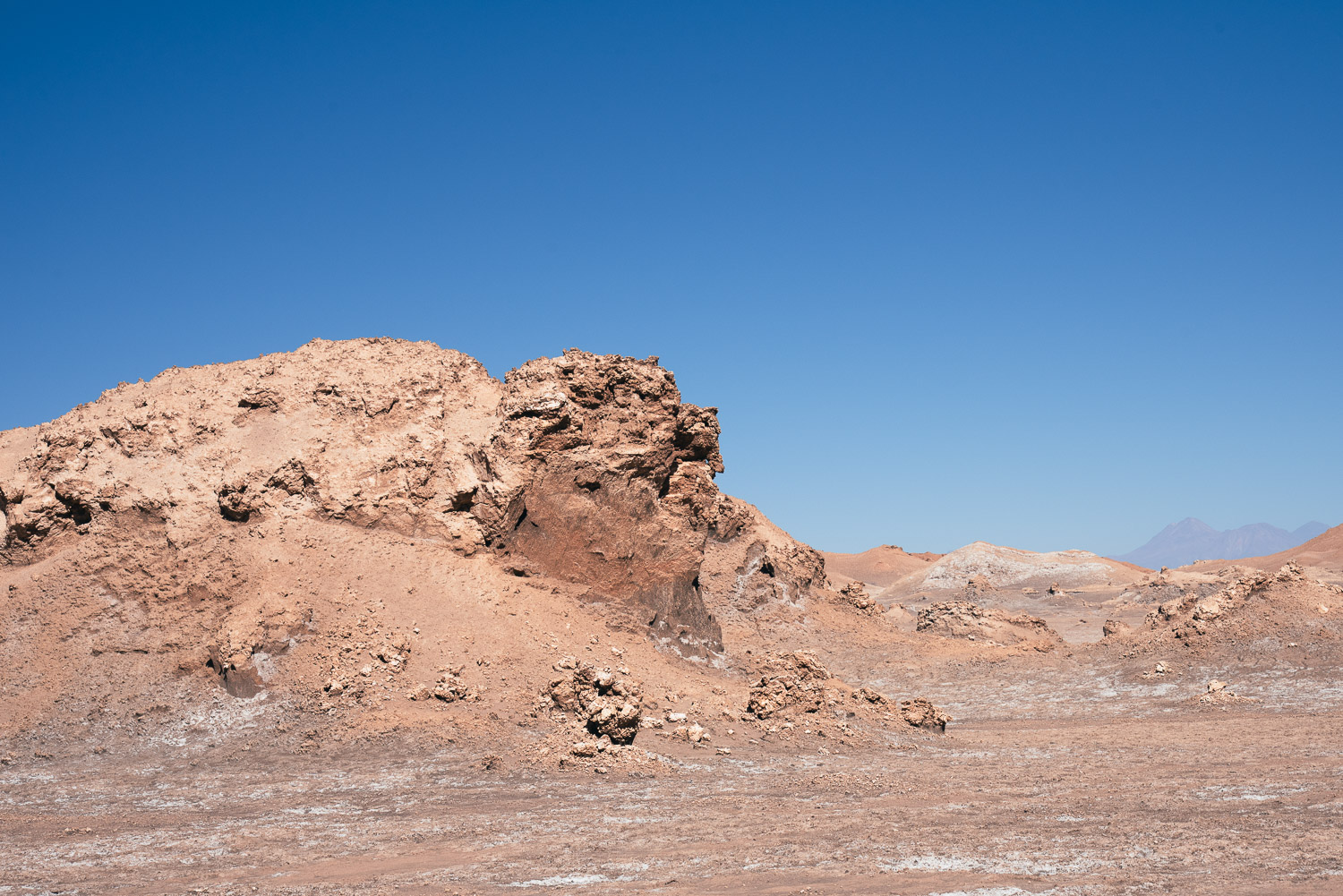
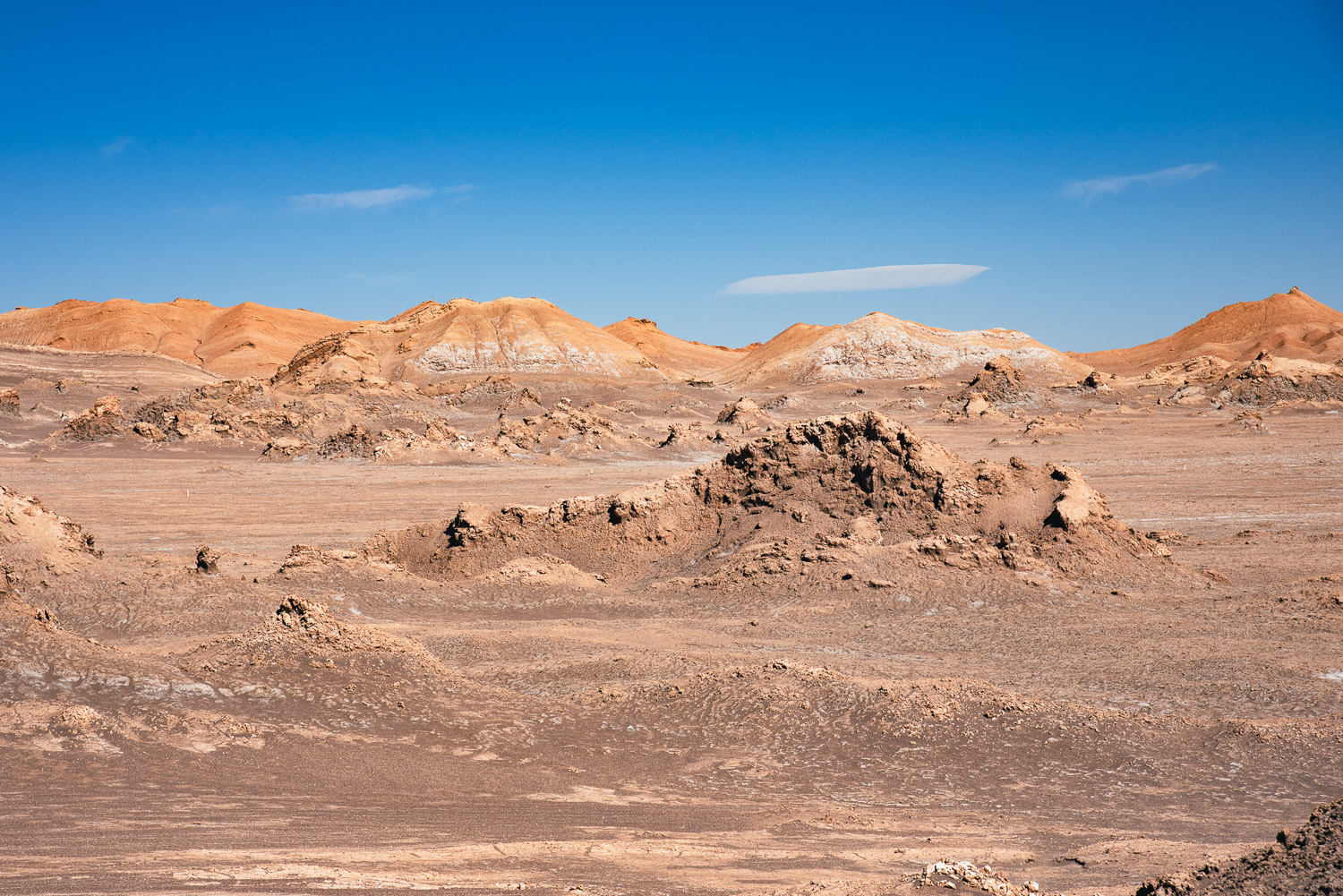
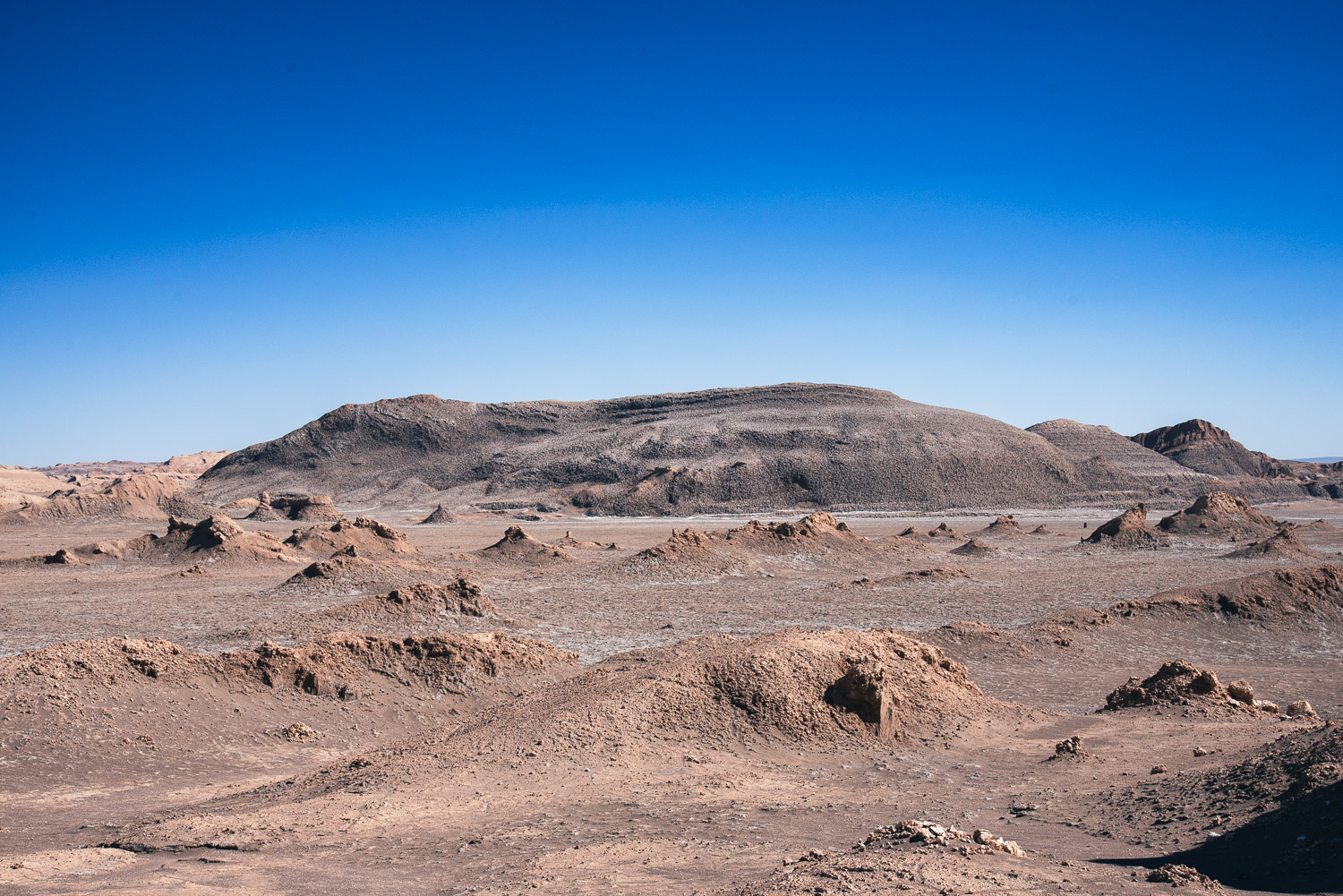
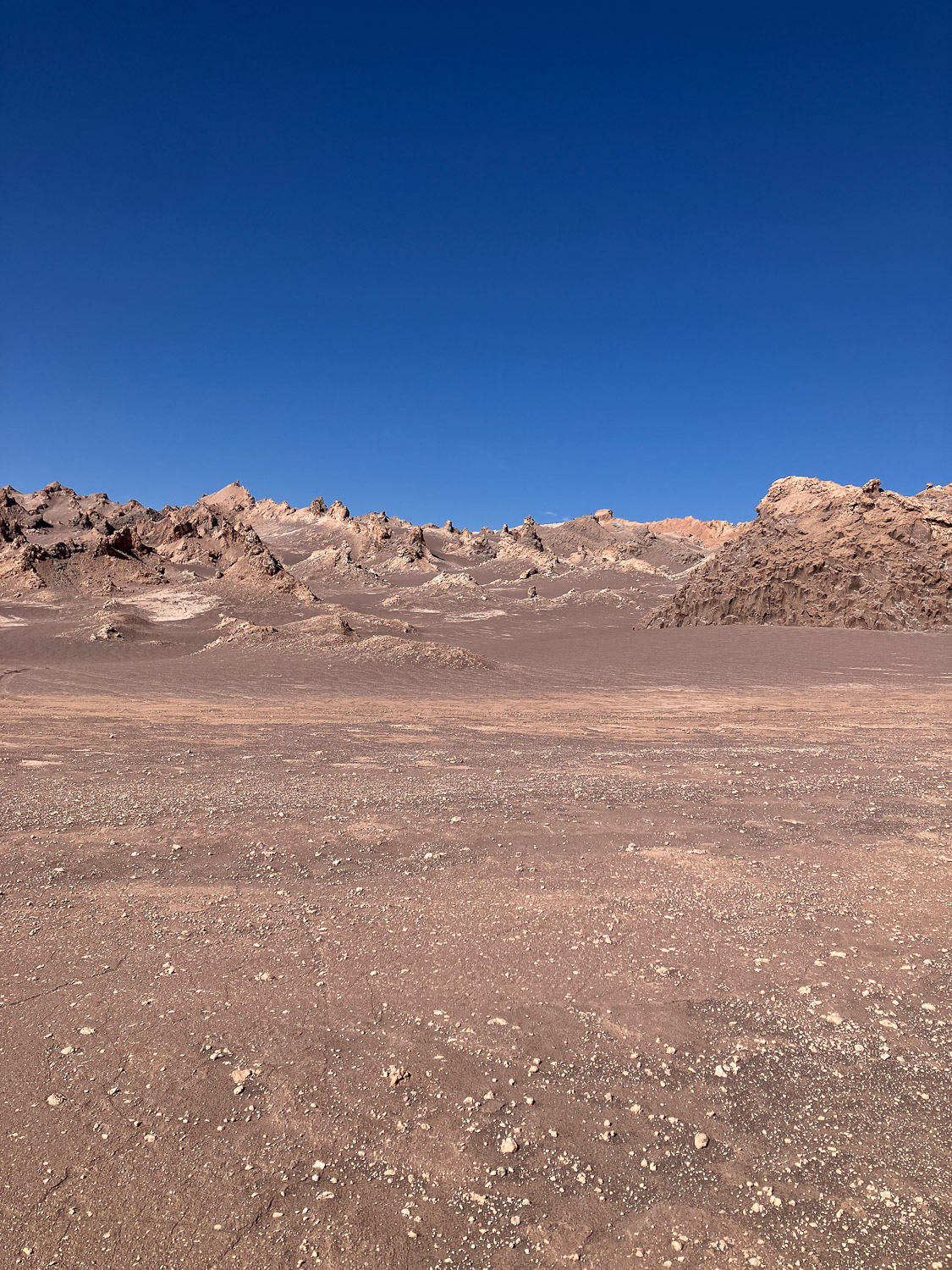
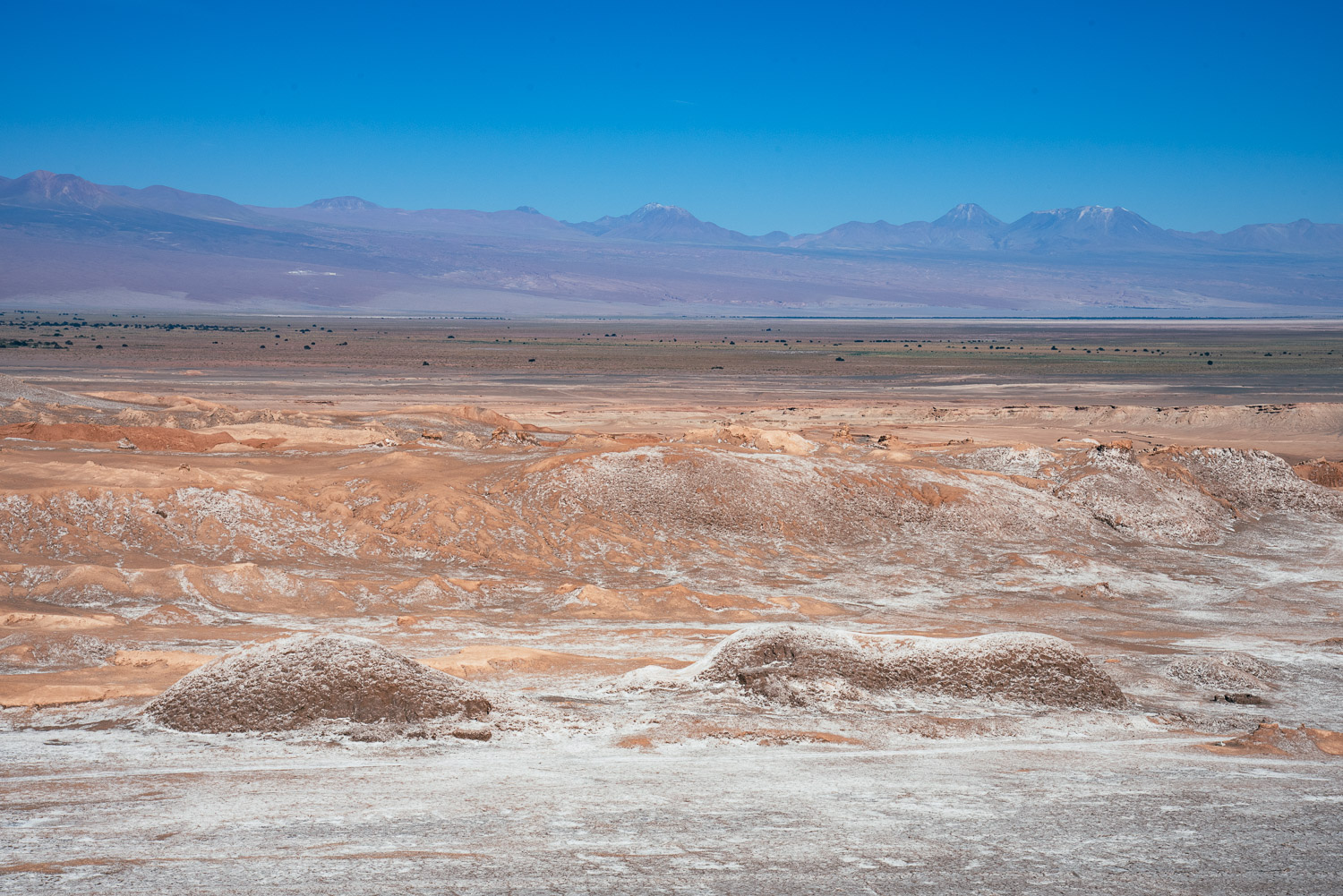
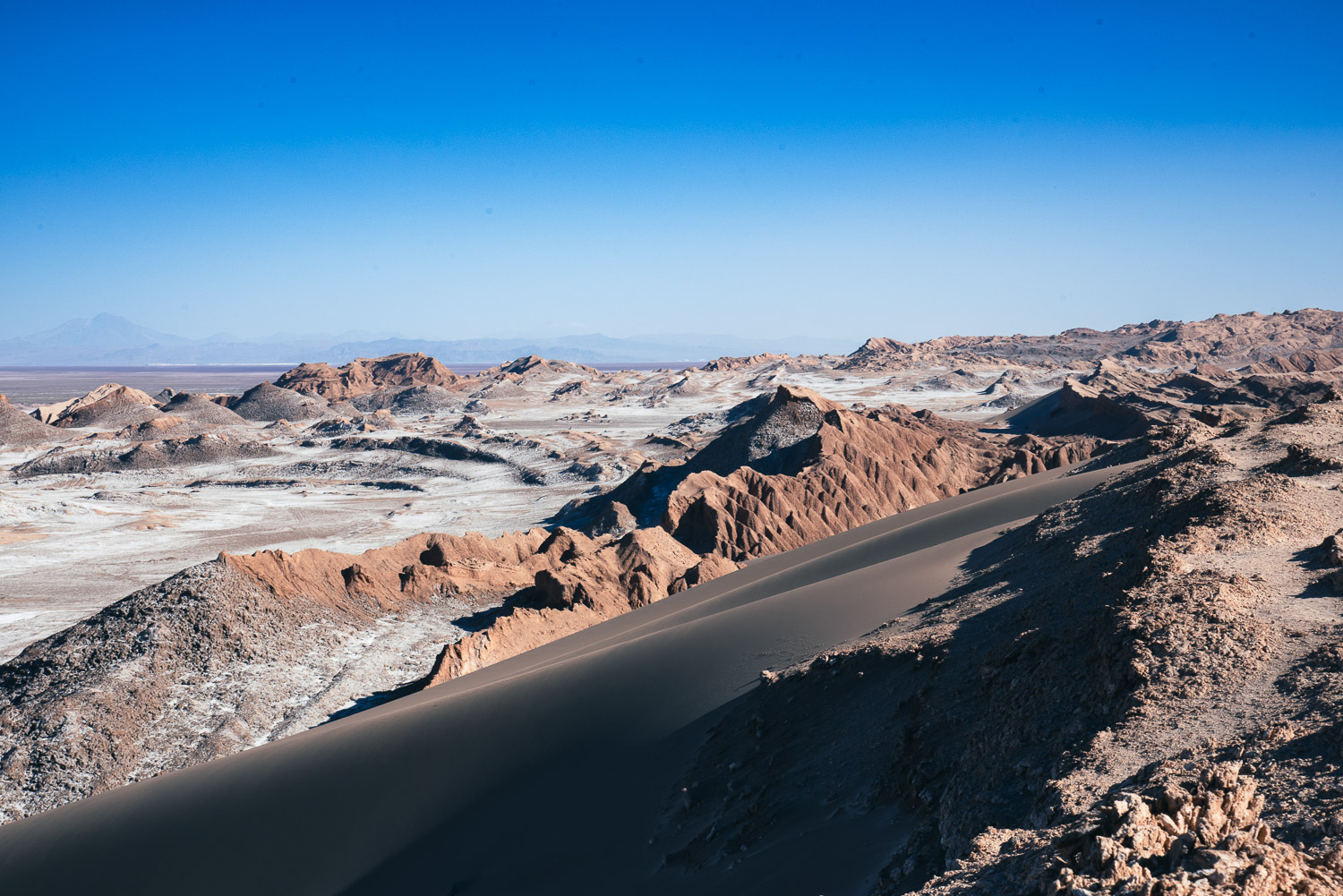
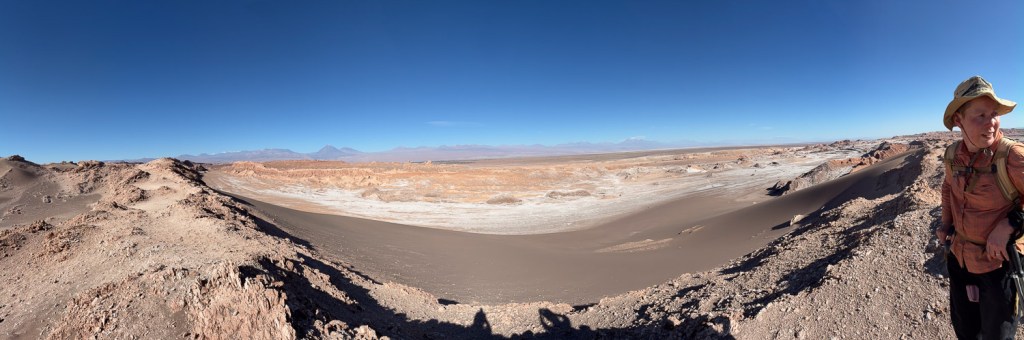
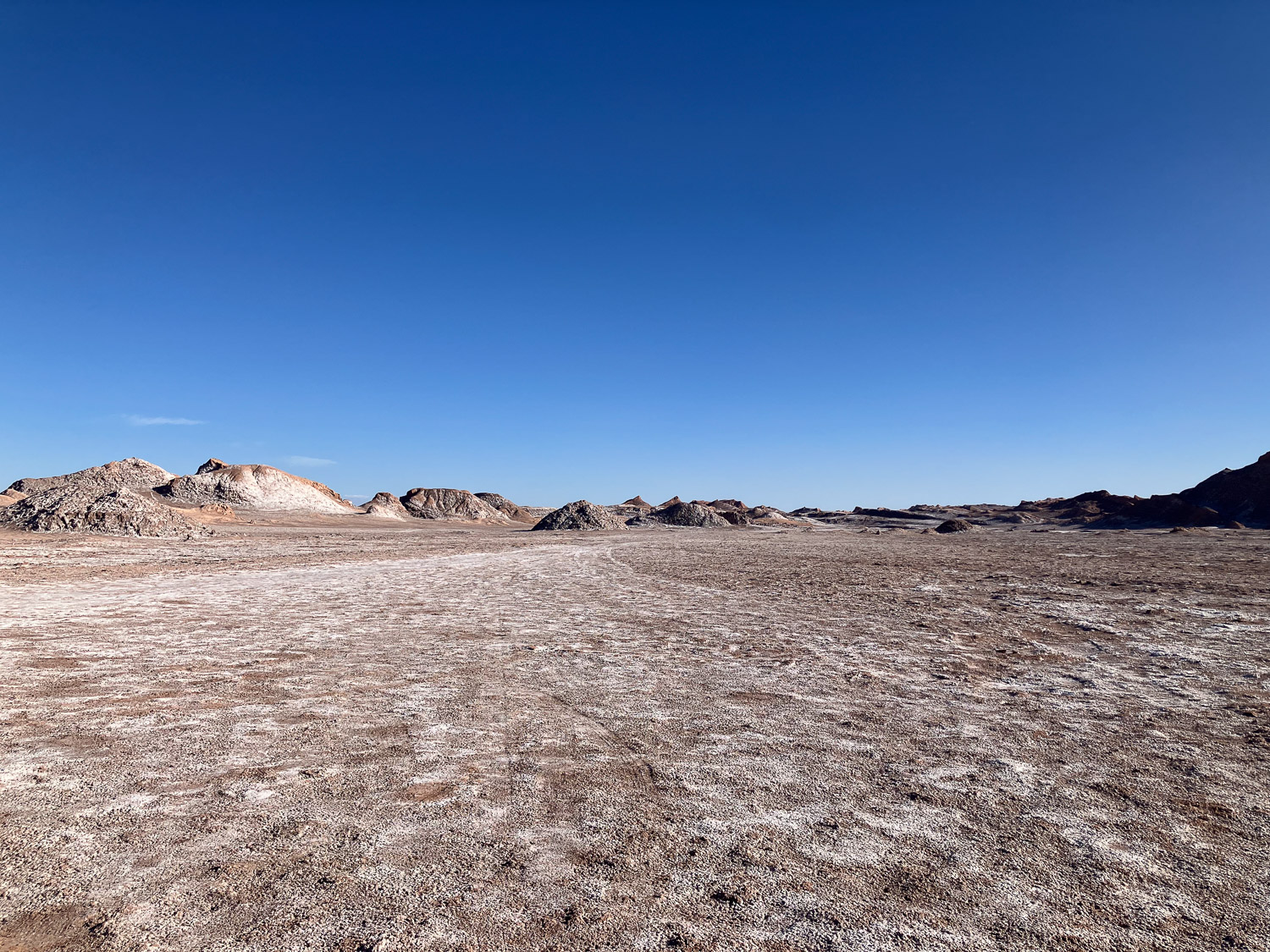
Moon Valley
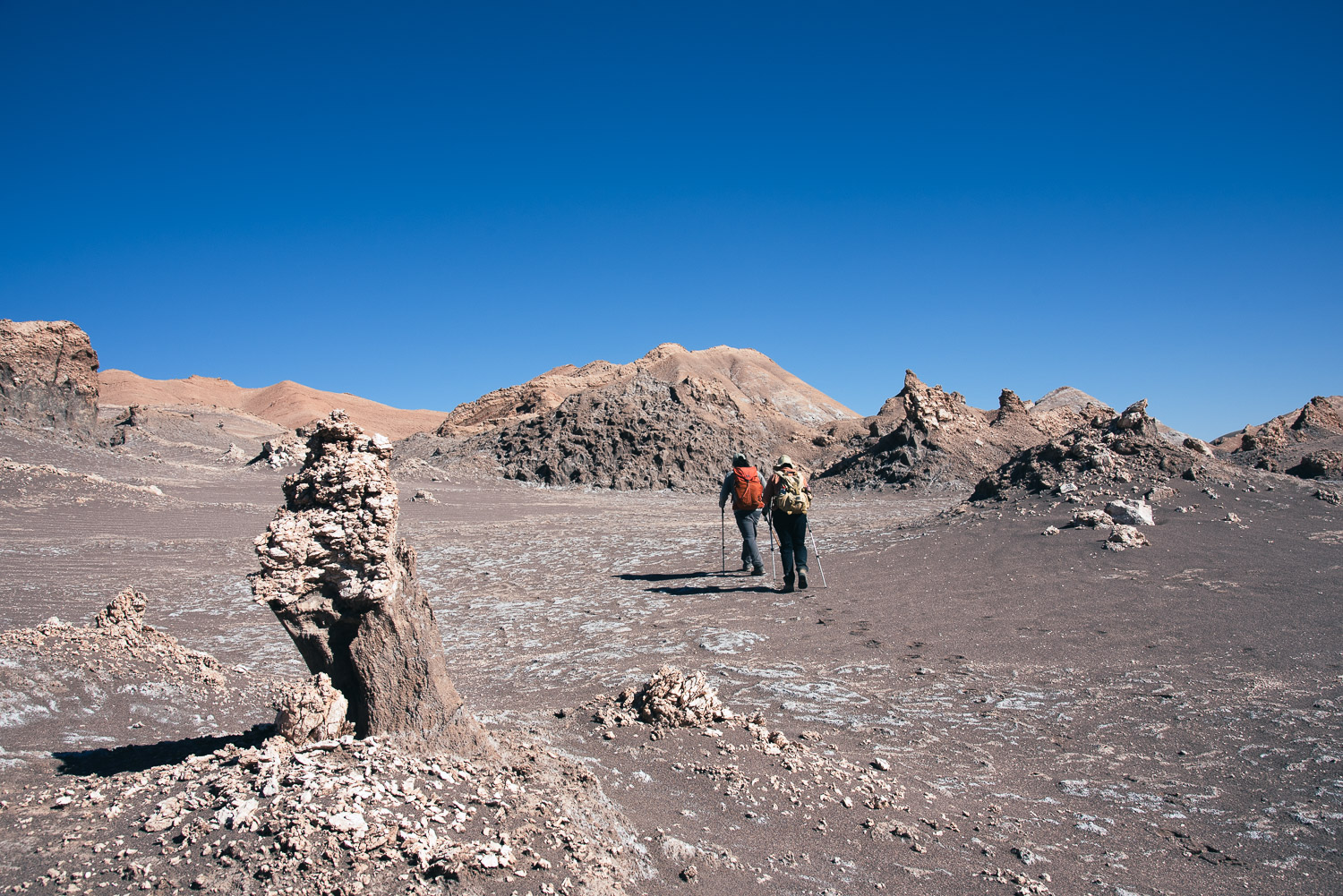
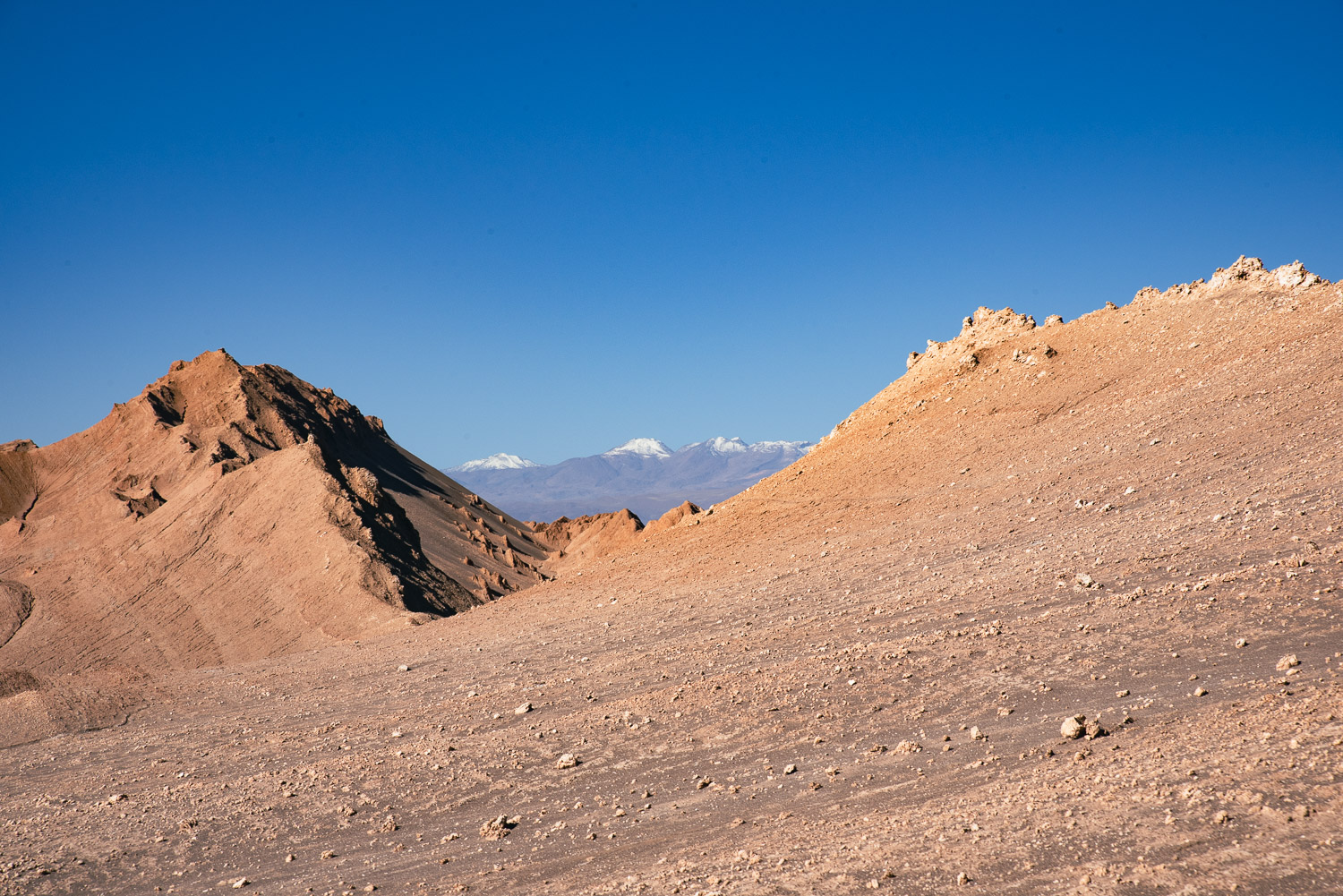
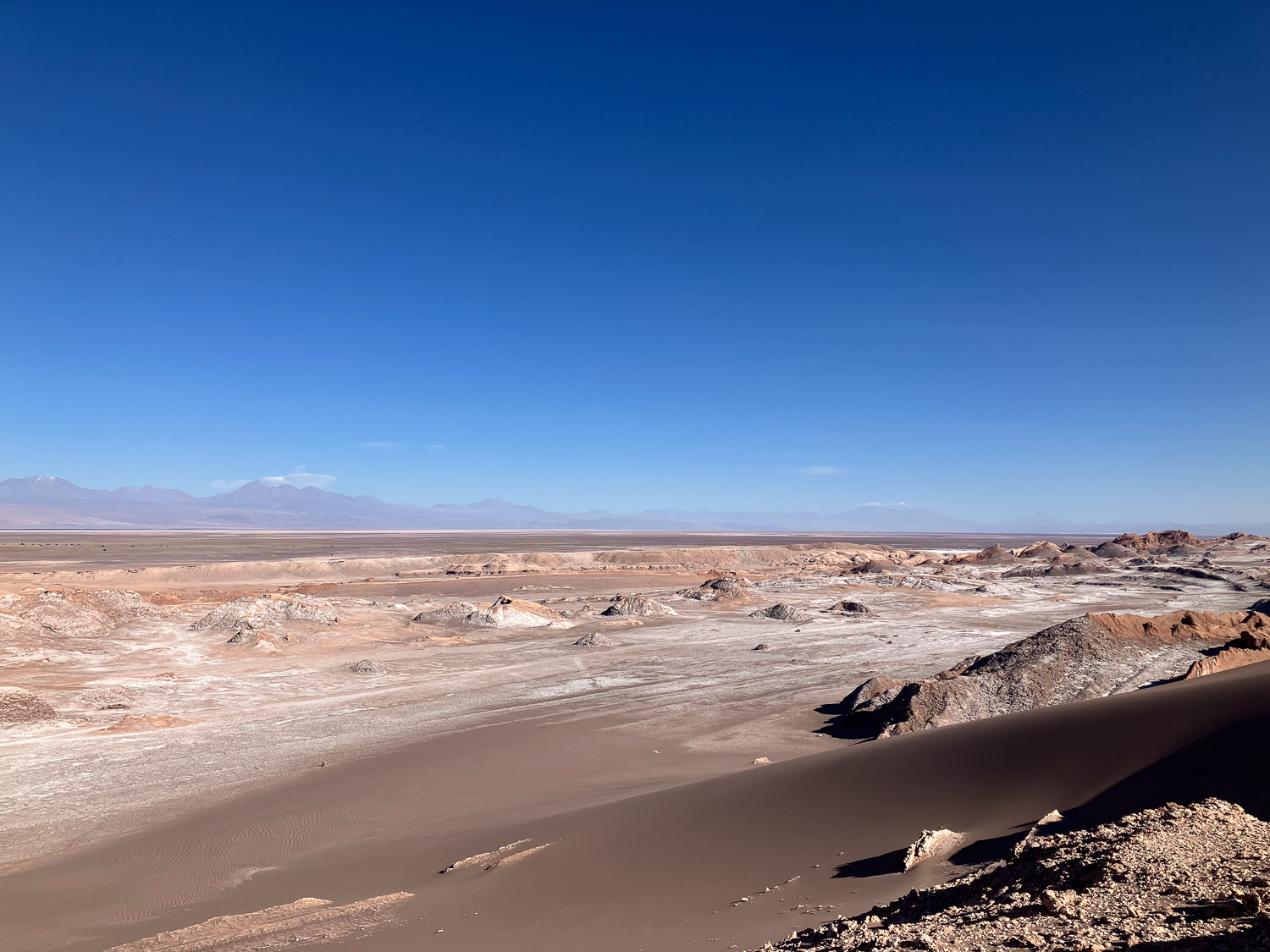
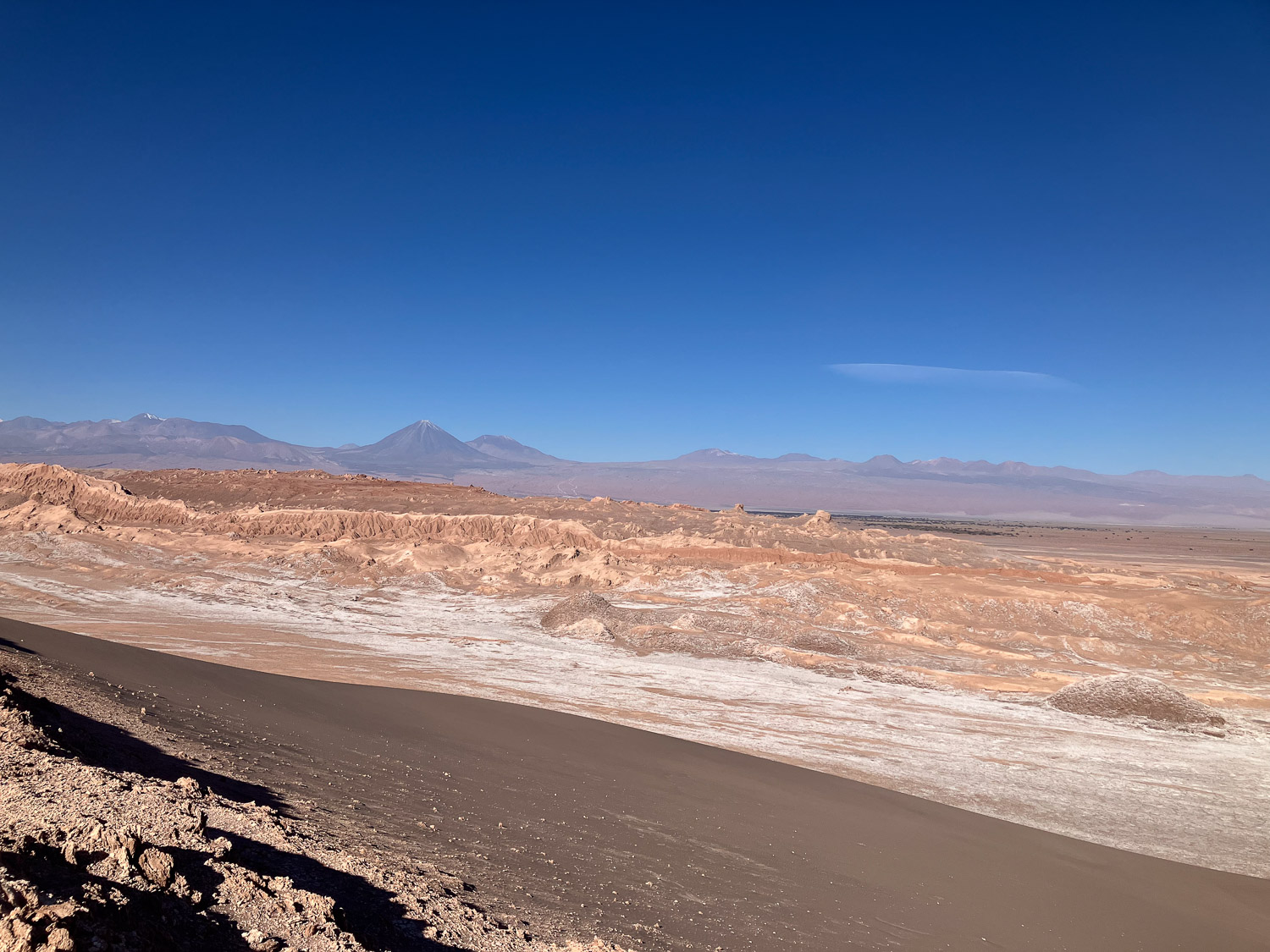
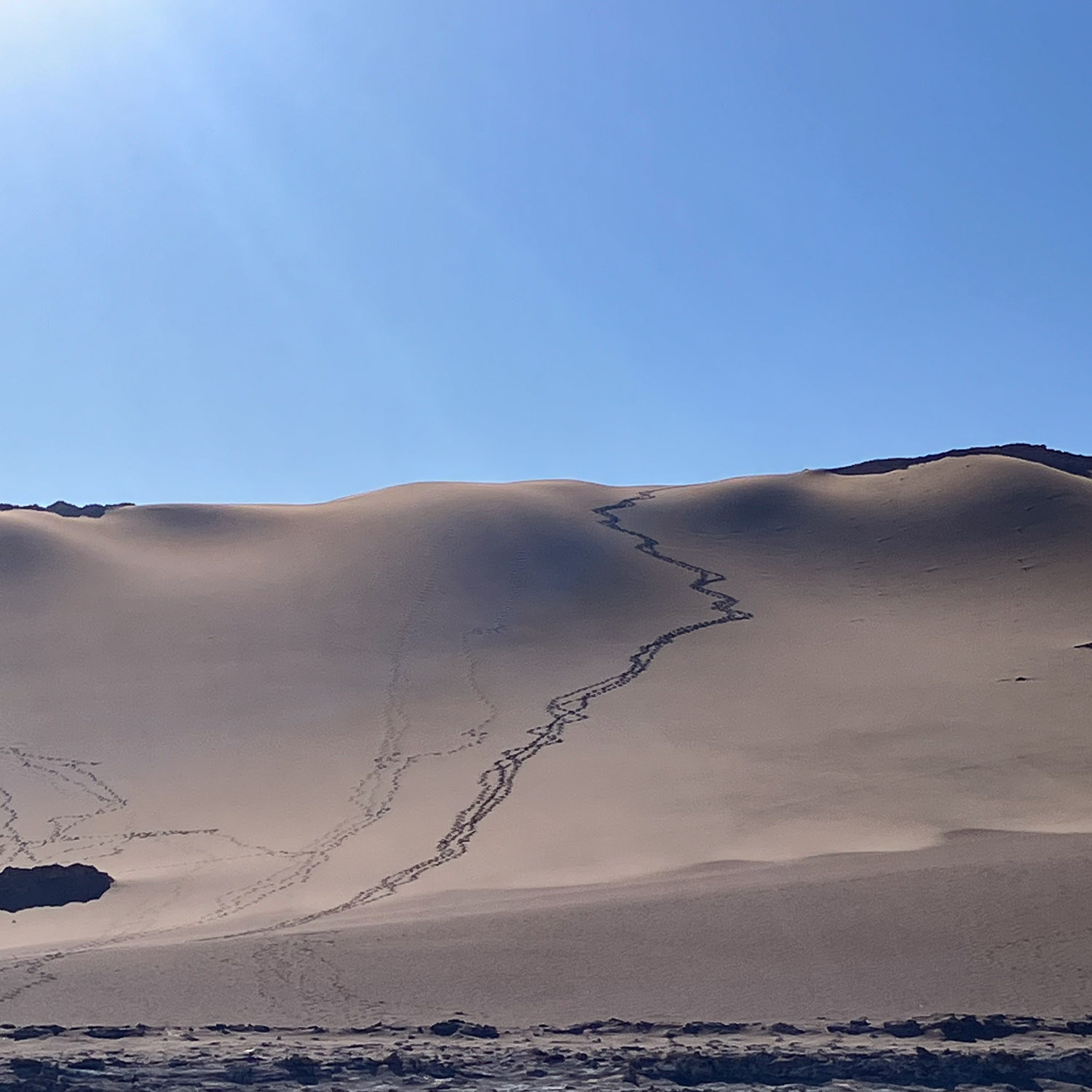
This is perhaps the kind of landscape that most people associate with the Atacama Desert. The hike was extremely hot and really felt otherwordly. We were quite proud of ourselves by the end!
El Tatio
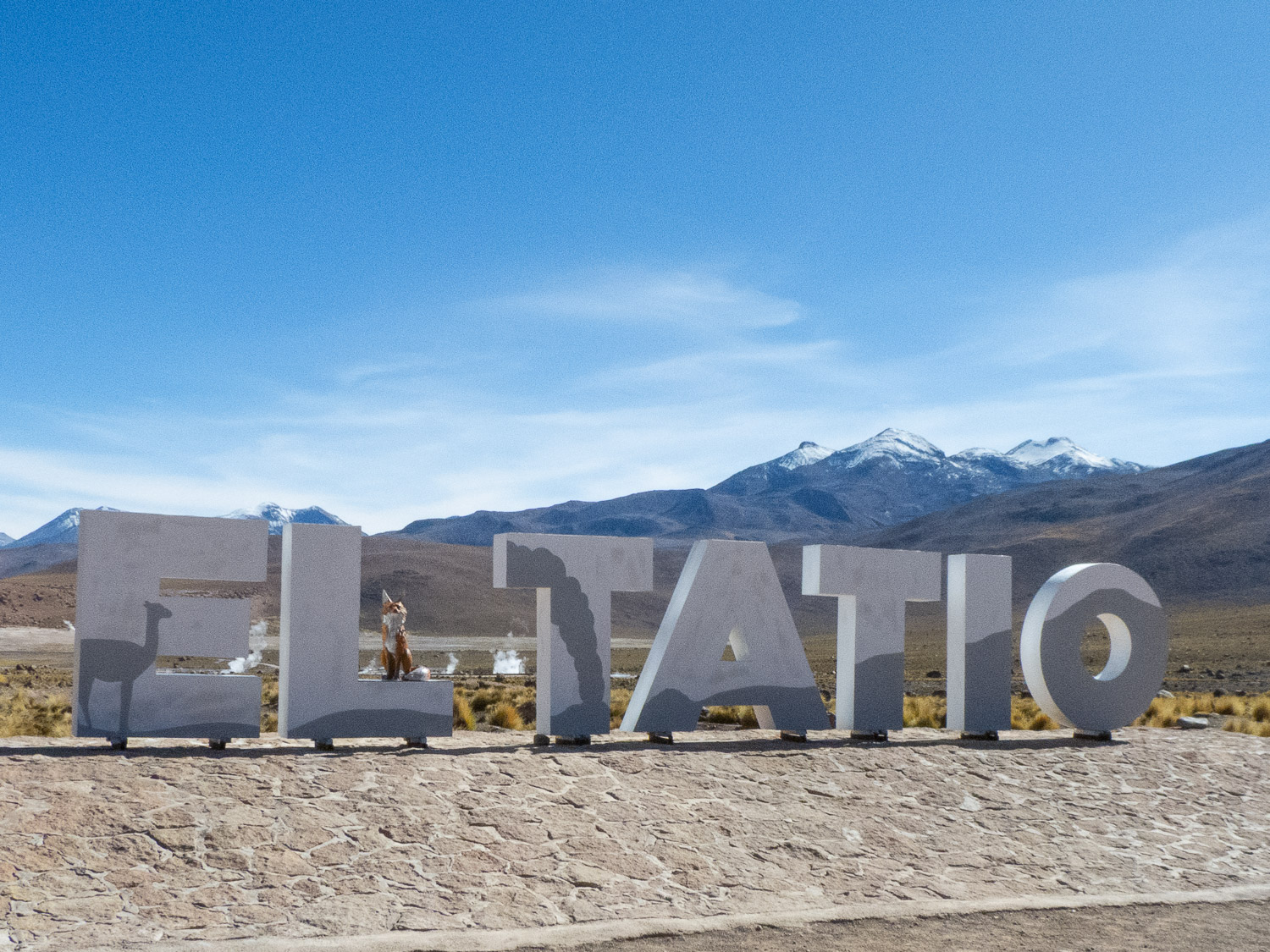
Most people travel up to the hot springs at El Tatio very early because the jets of water are supposedly more vivid in the cold temperatures at daybreak. We decided that we did not need such an early starts, so we arrived mid-morning and had the place more or less to ourselves.
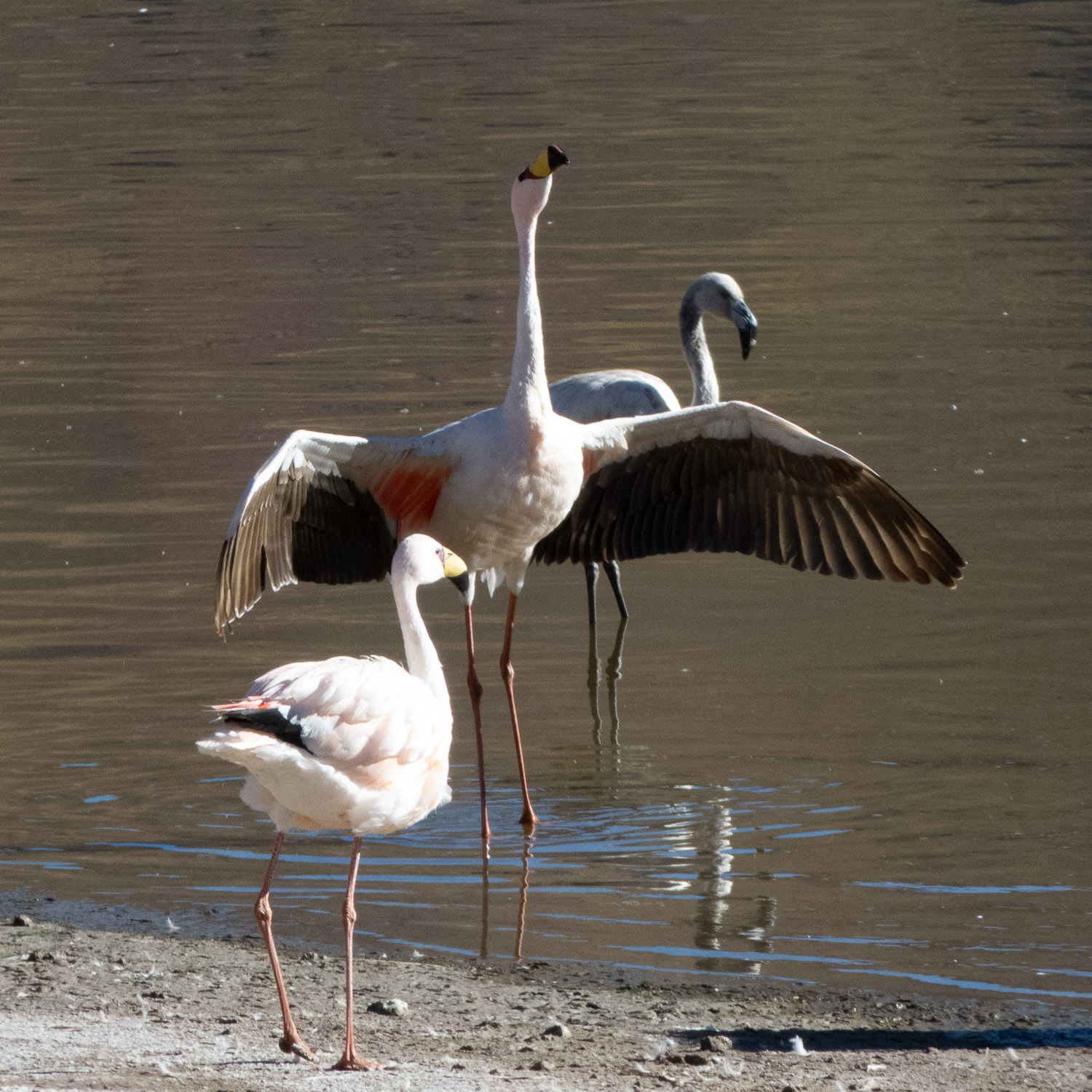
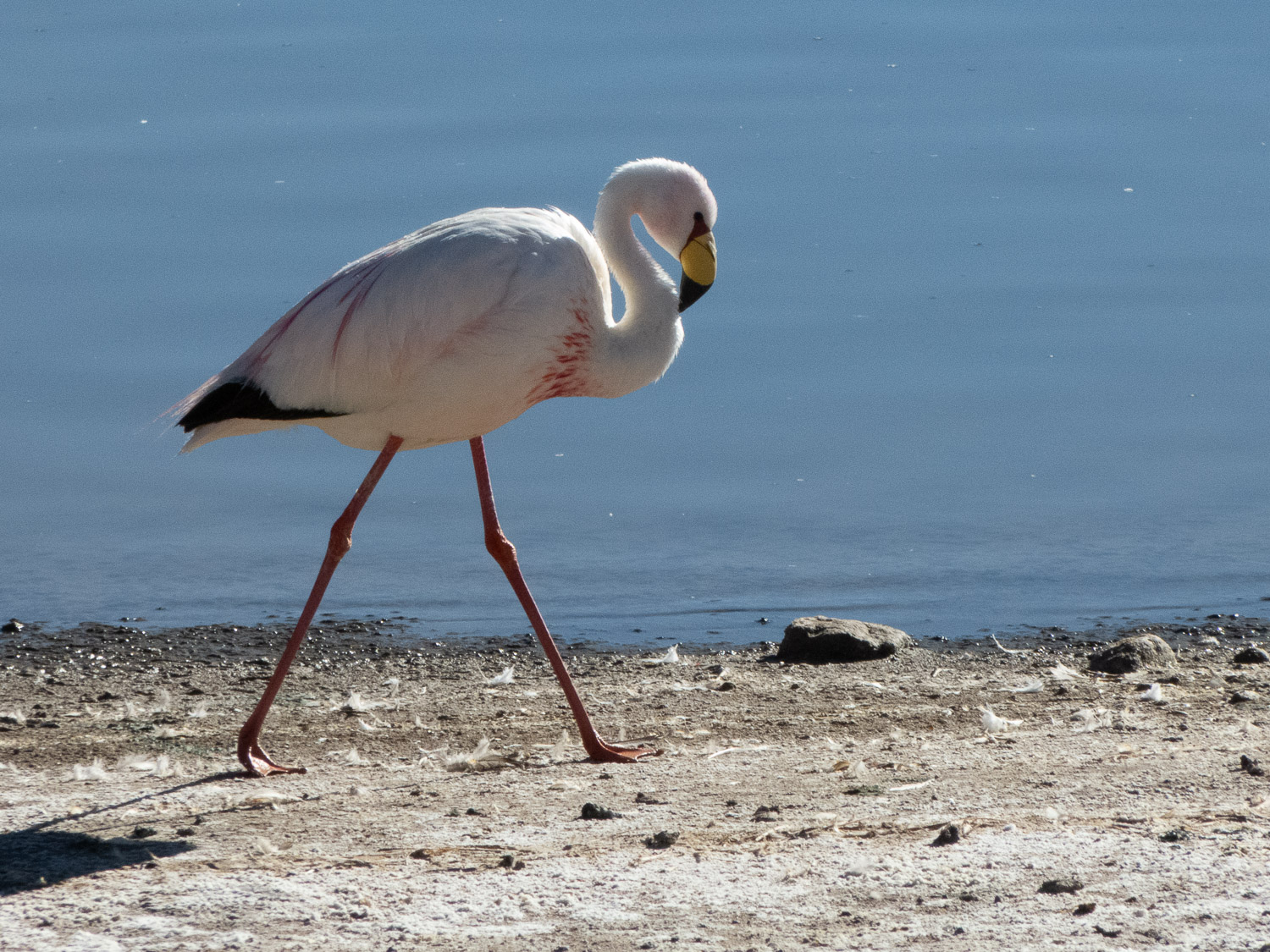
We had excellent flamingo sightings on the way up.
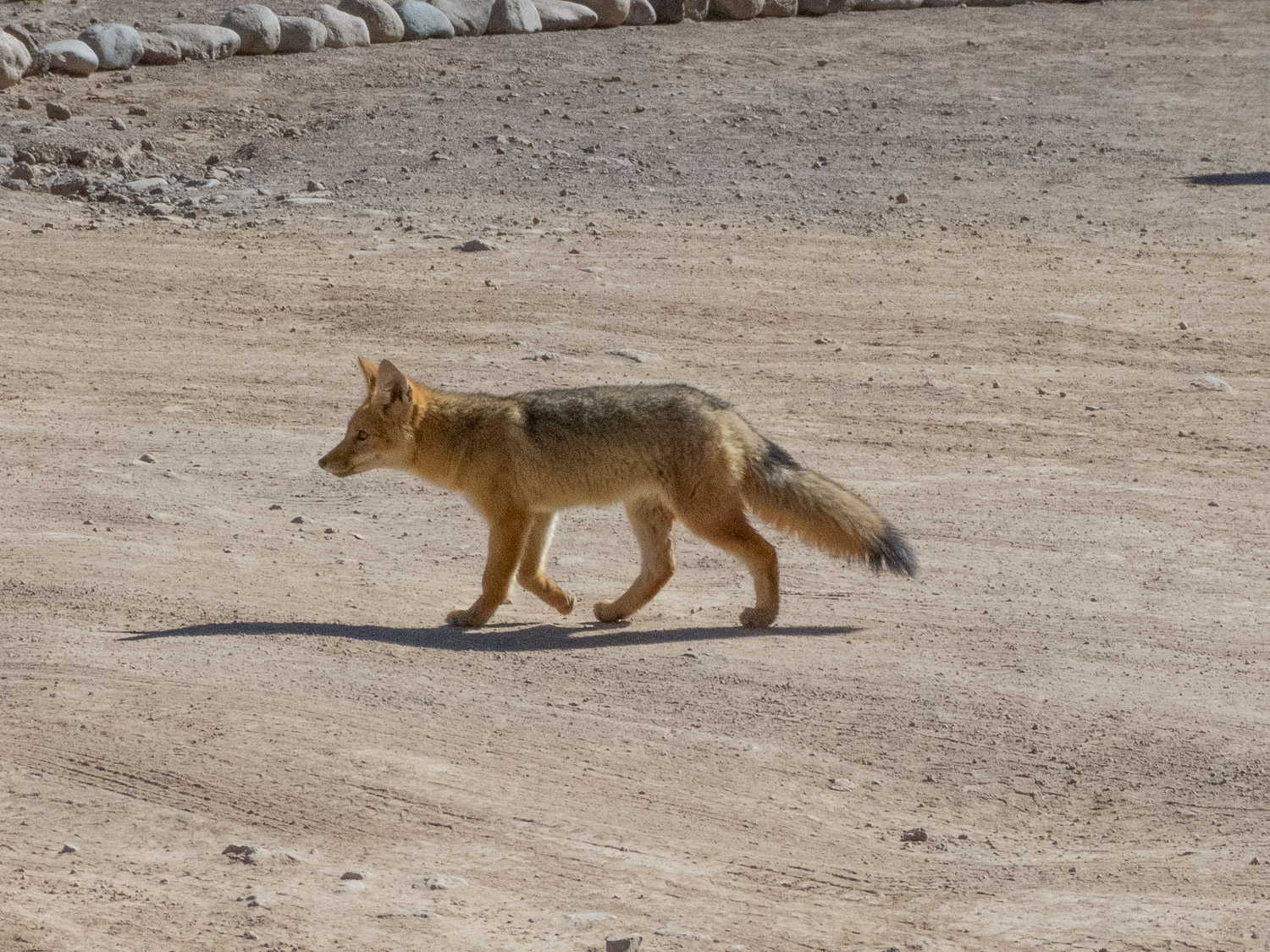
When we arrived, we saw a fox walking past its plastic counterpart that forms part of the El Tatio sign.
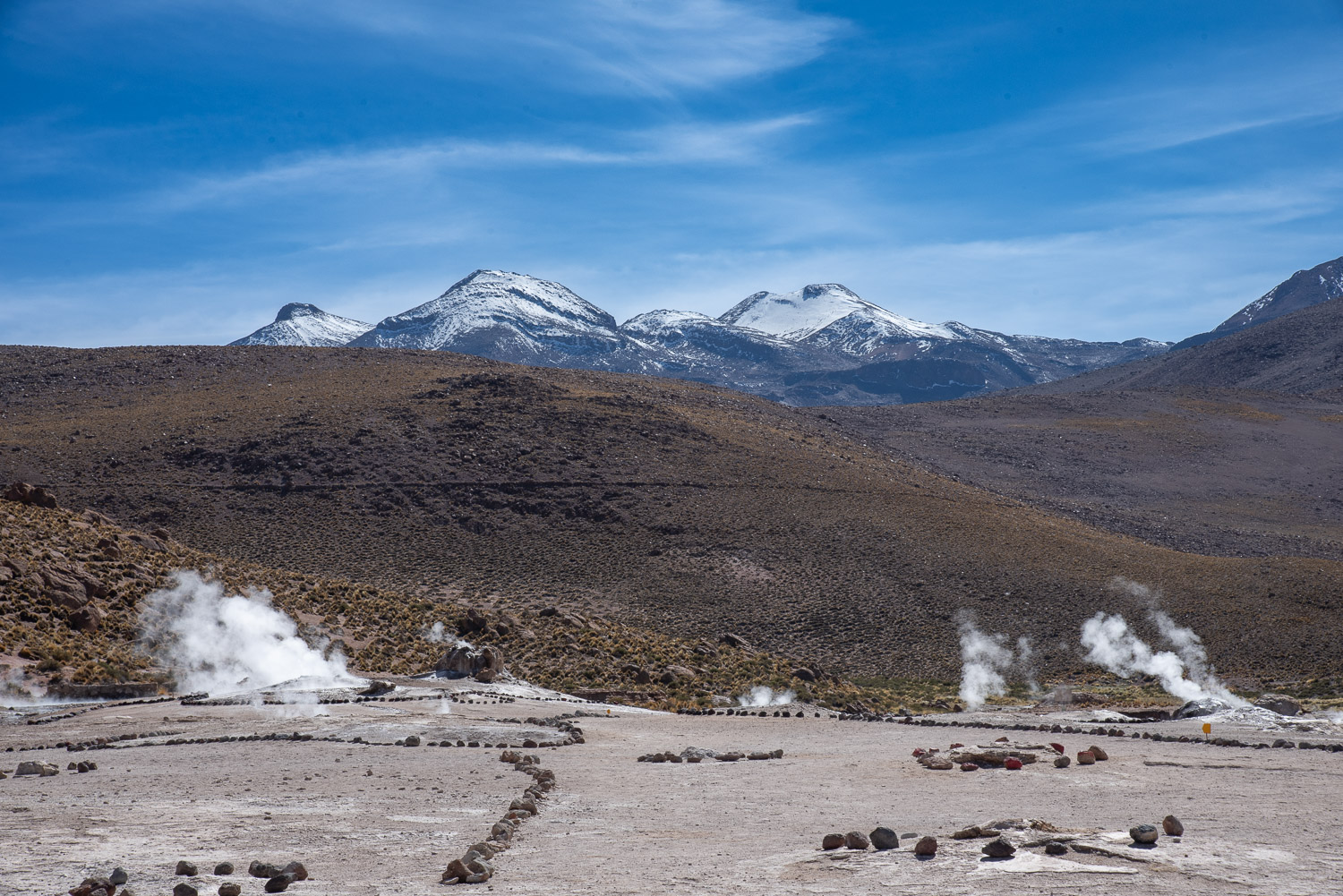
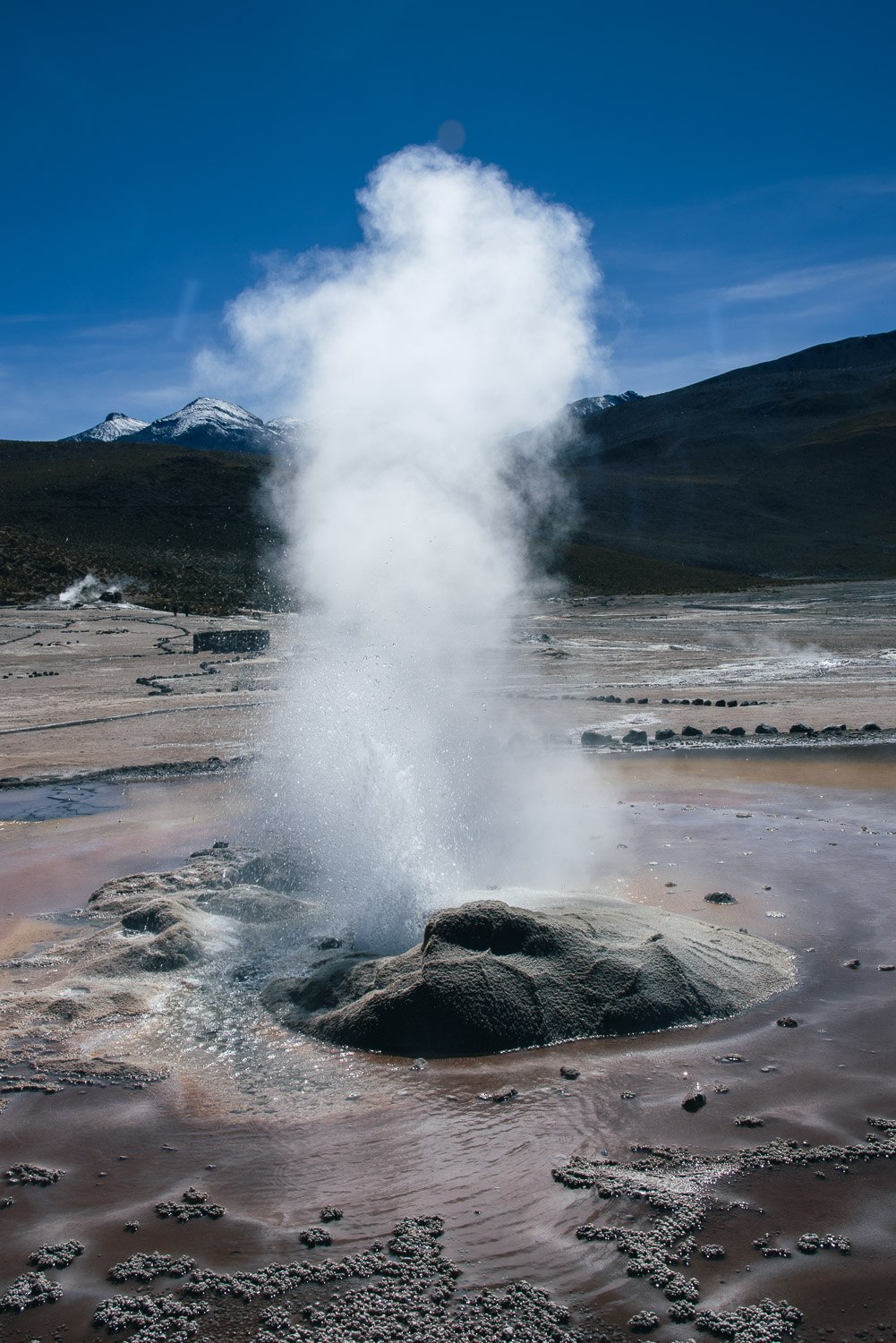
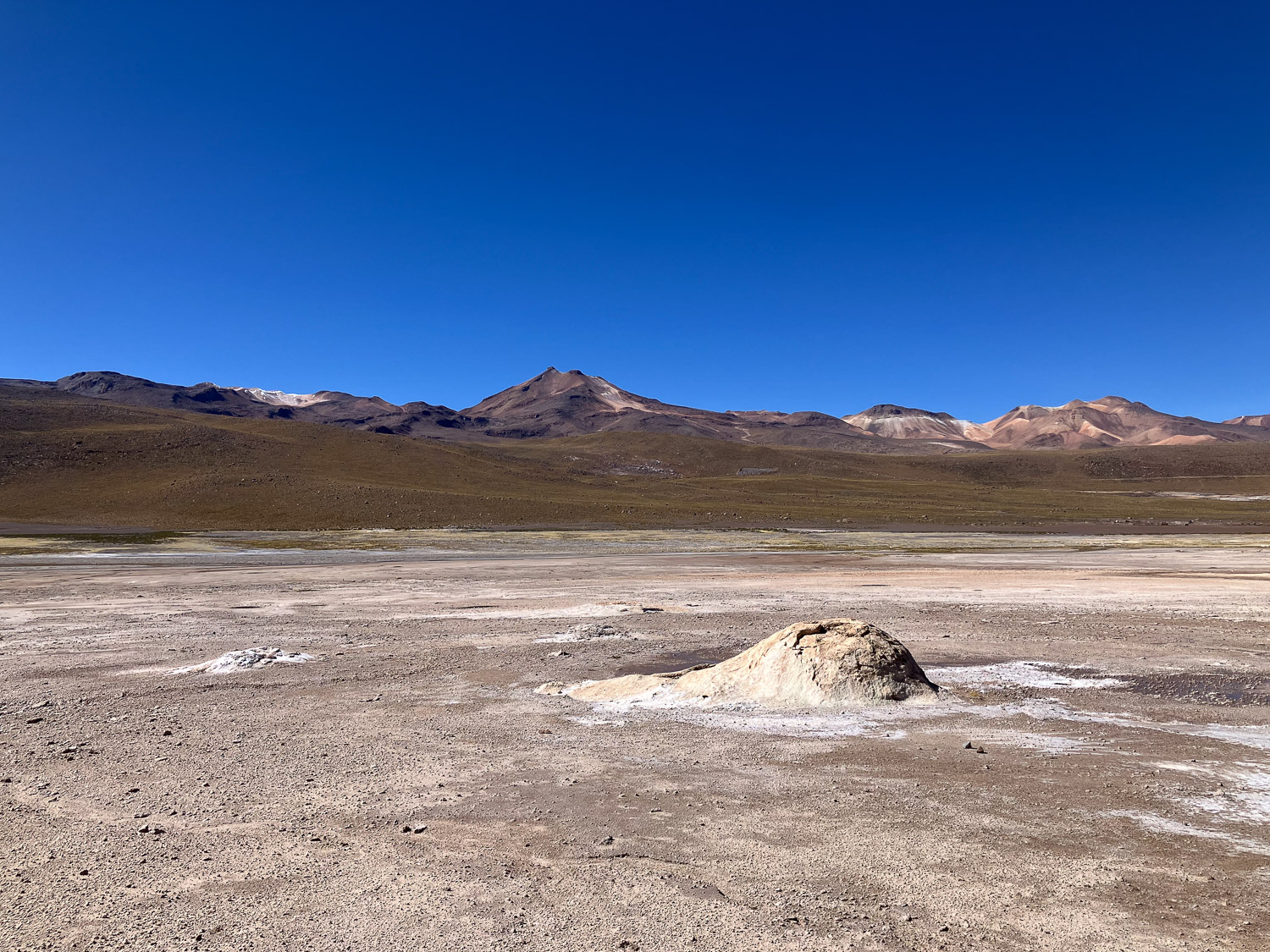
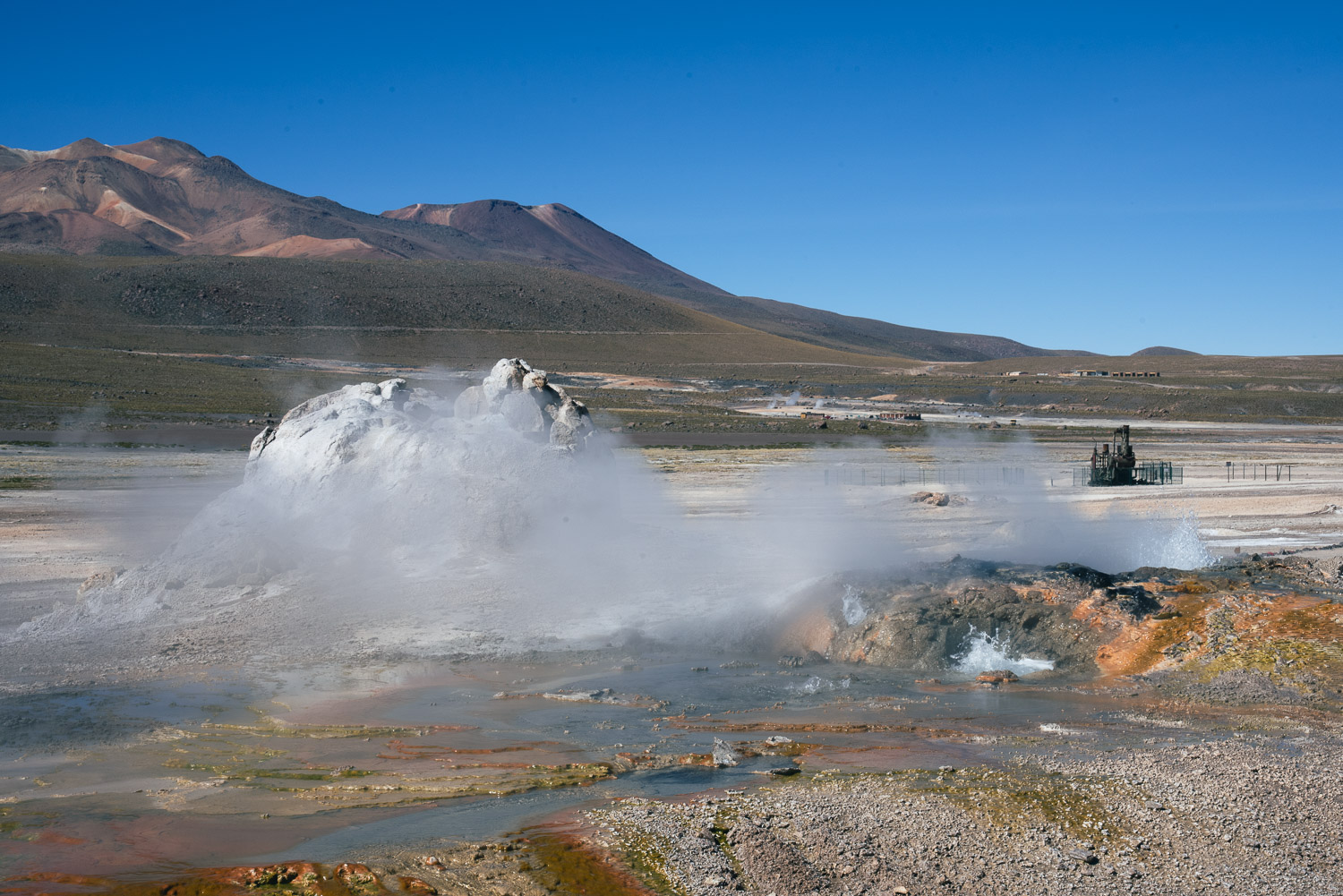
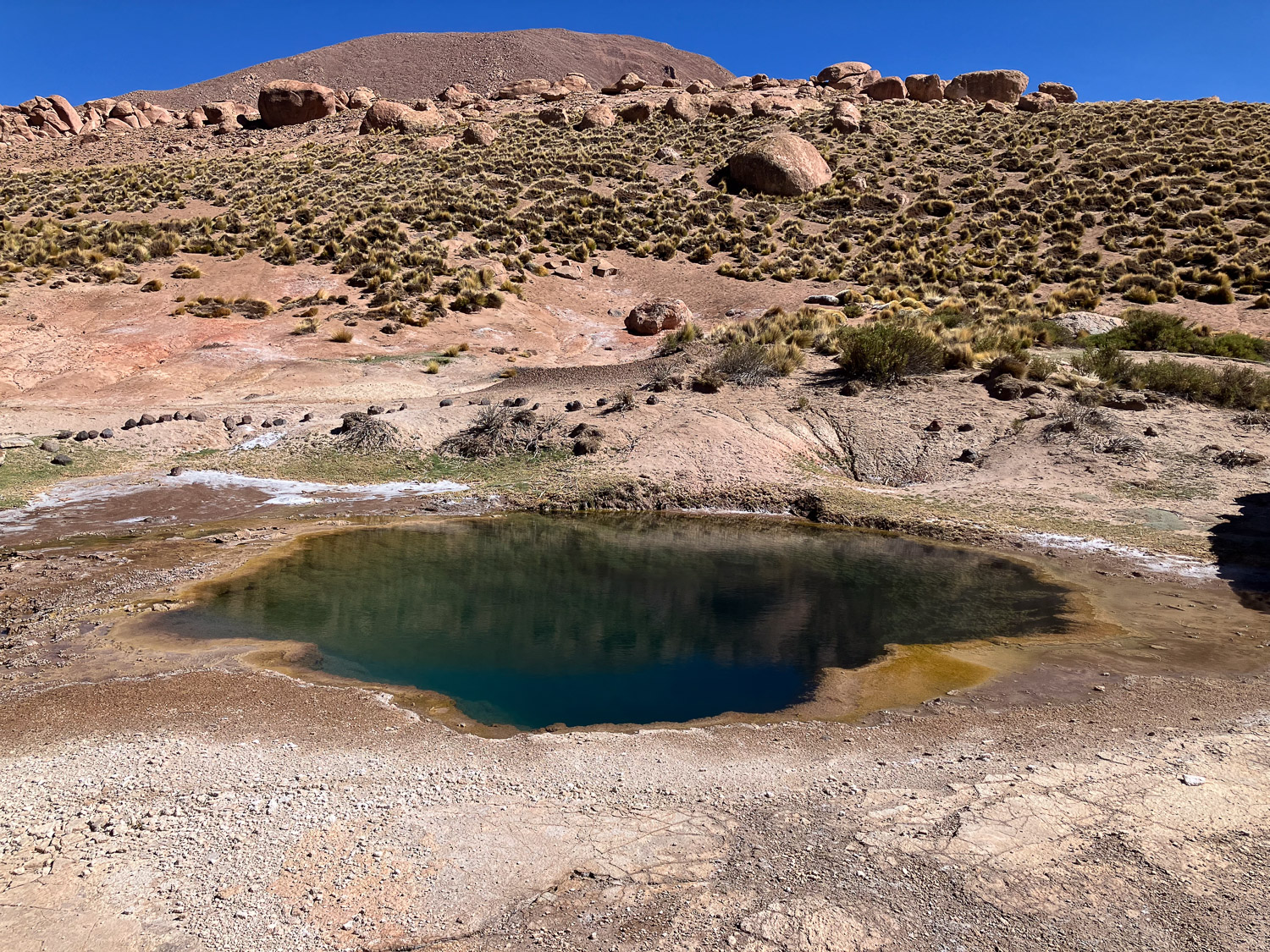
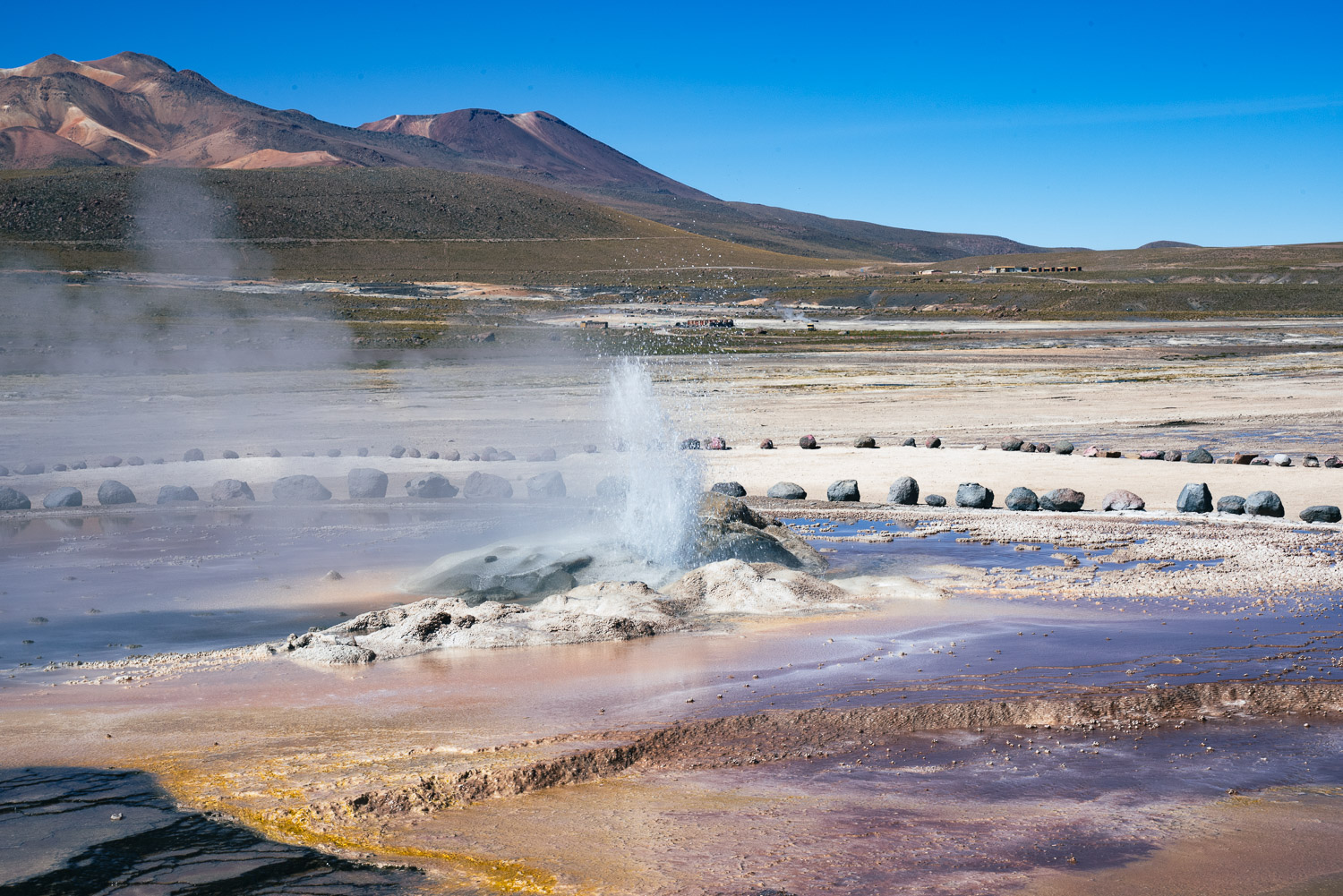
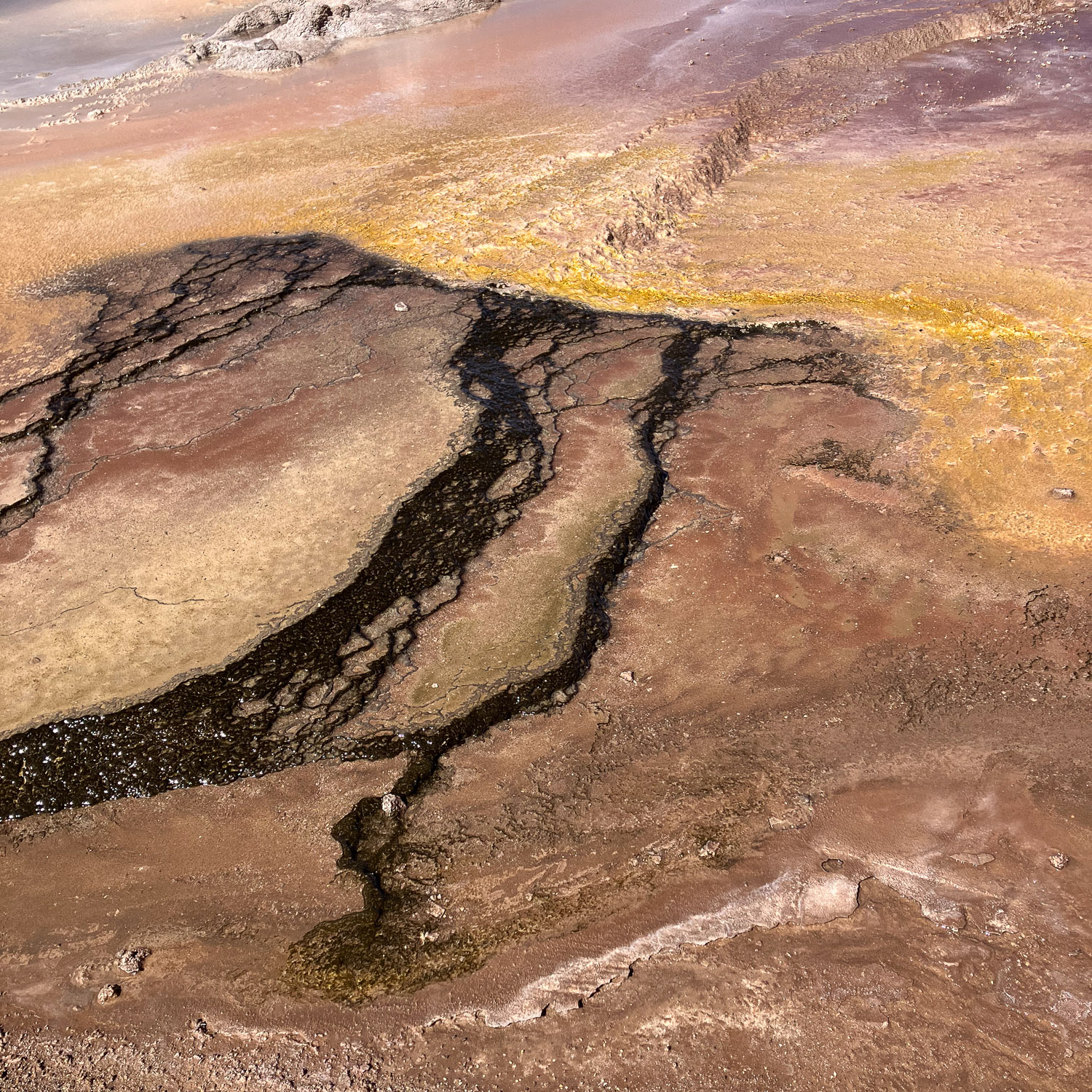
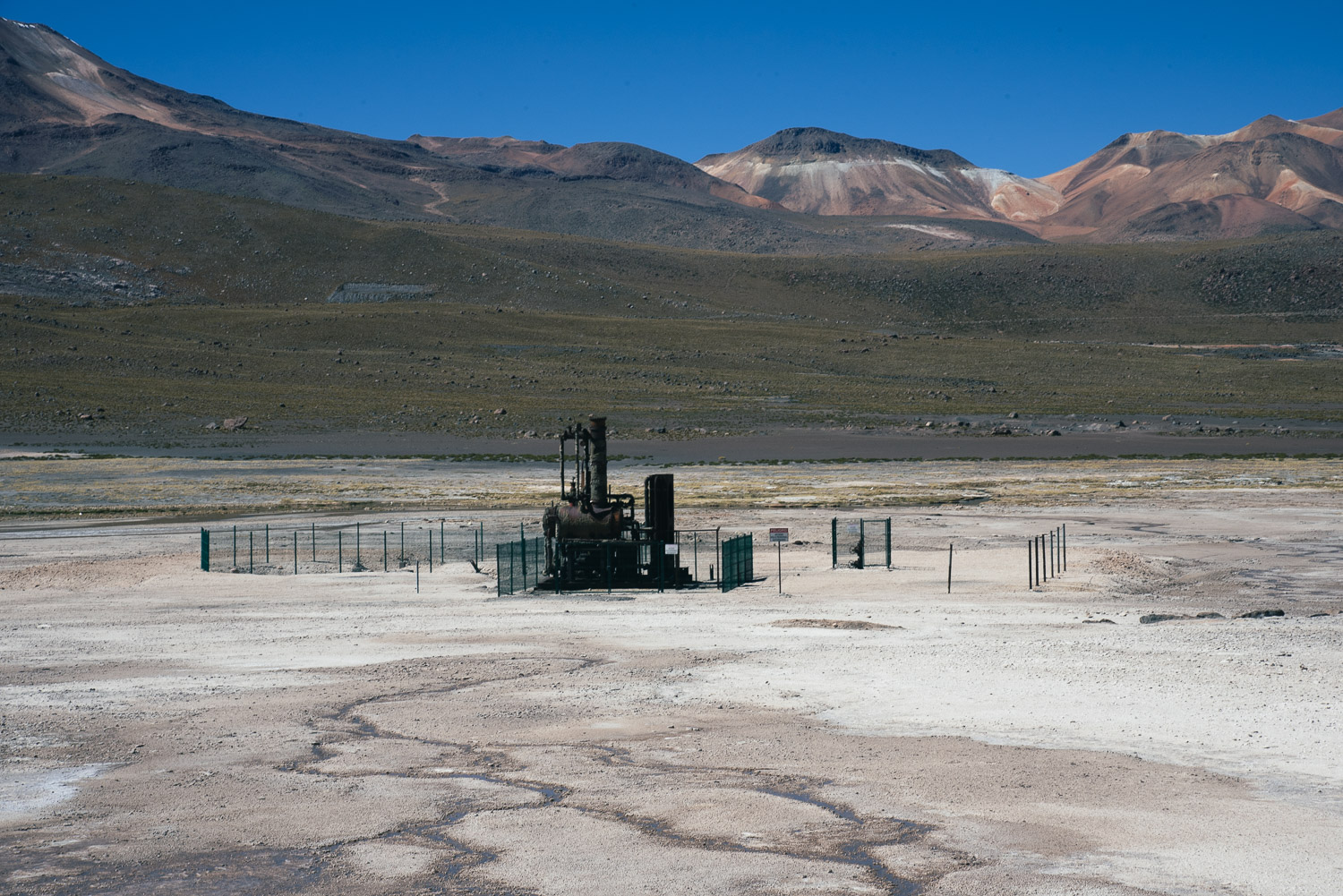
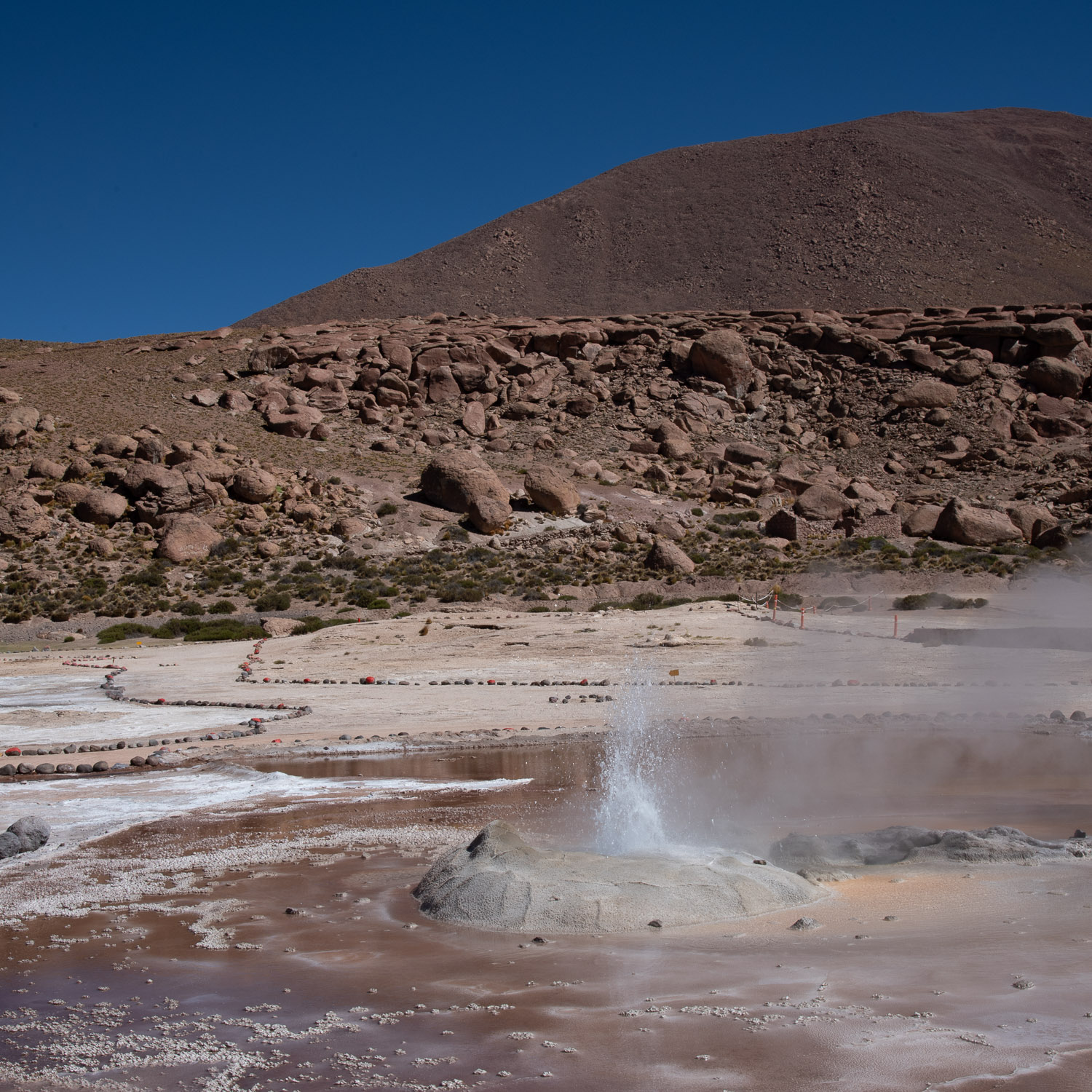
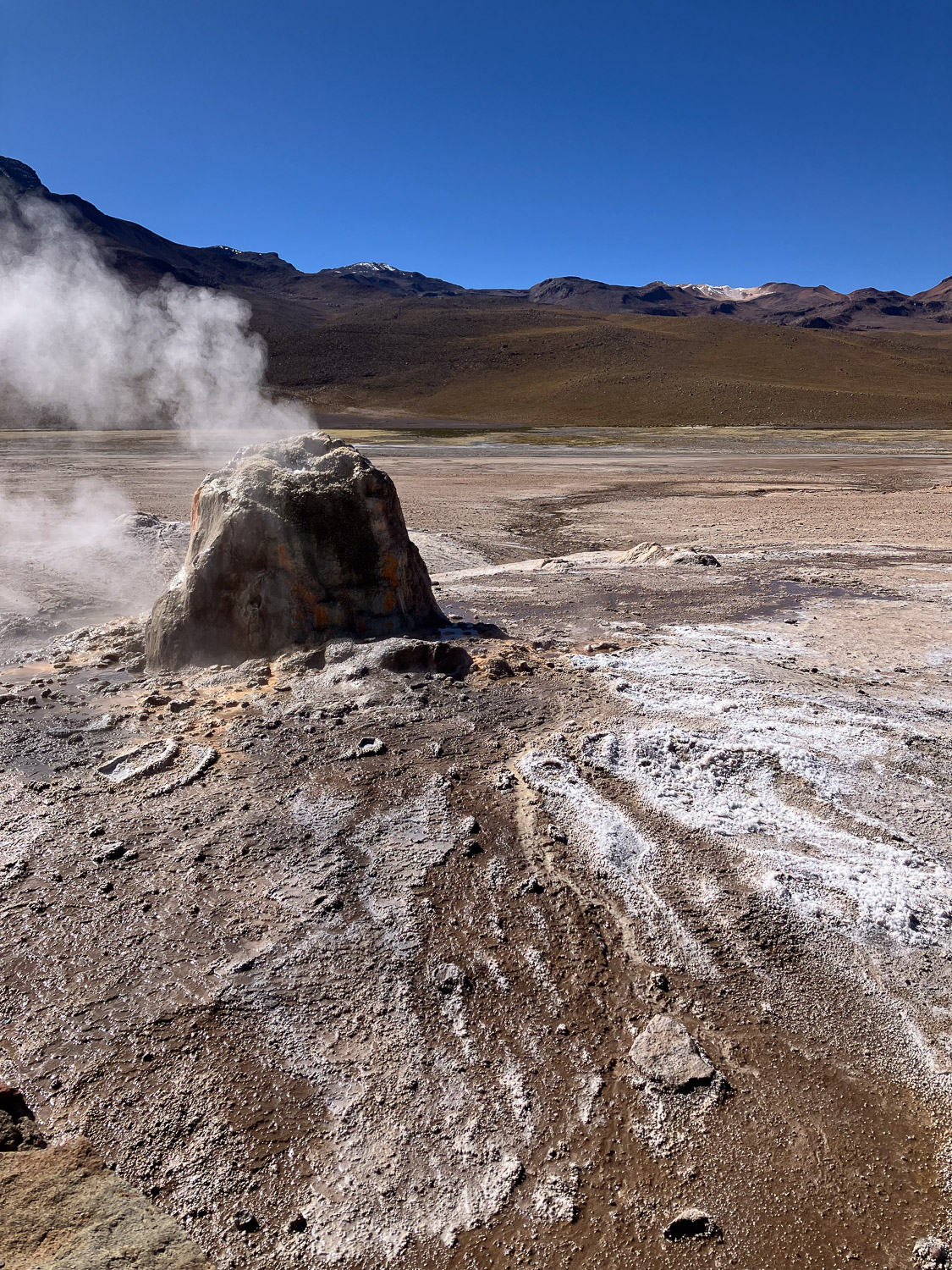
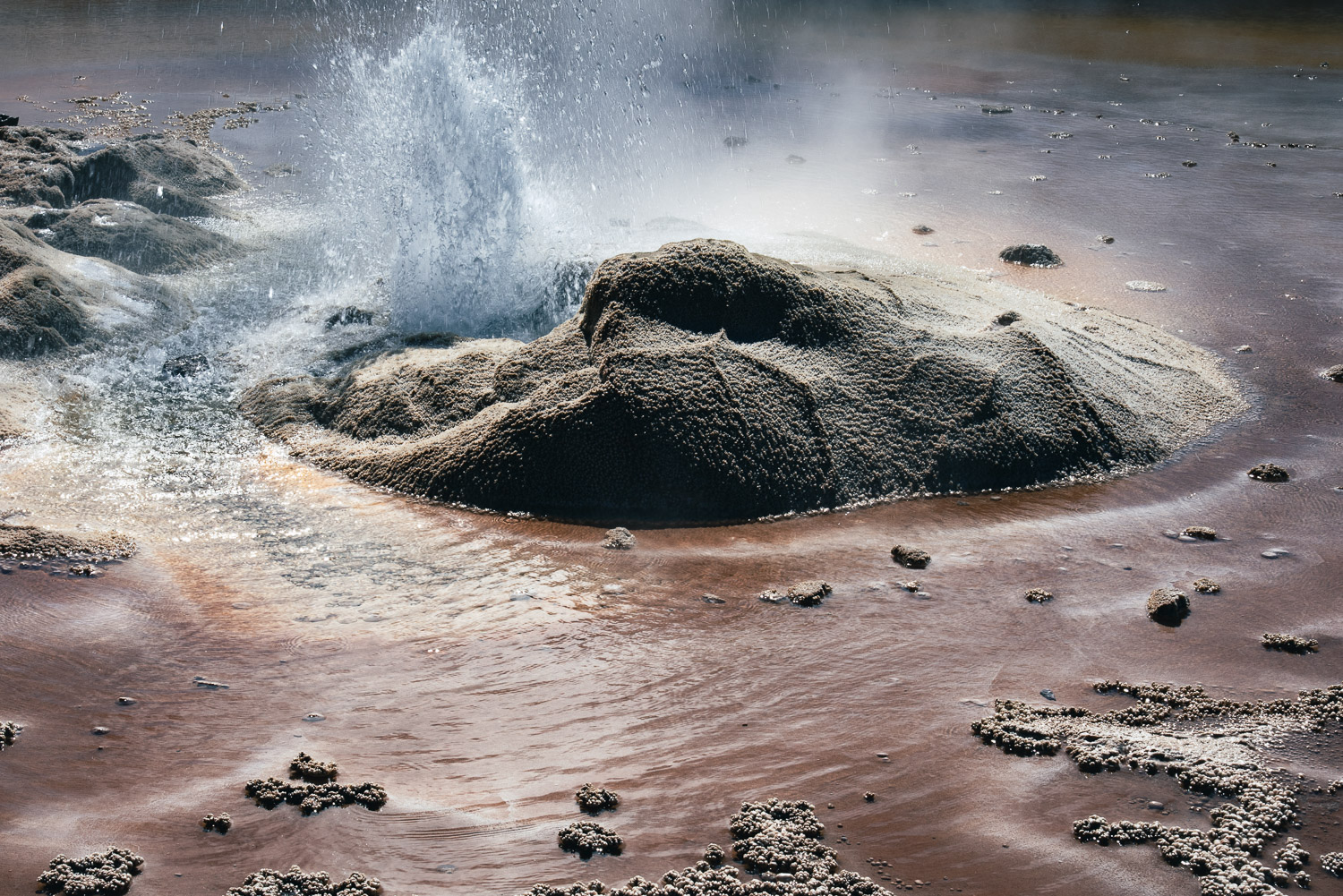
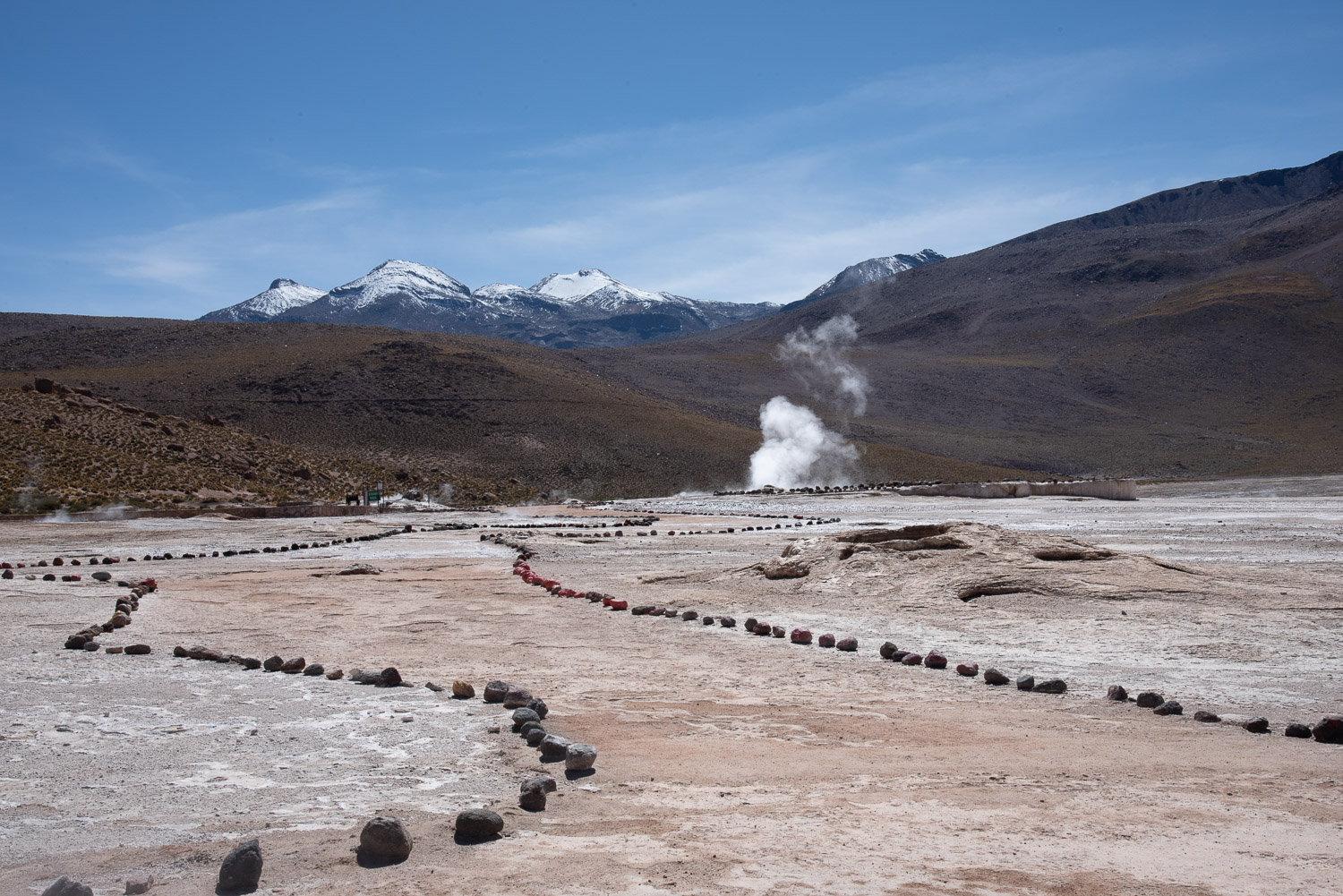
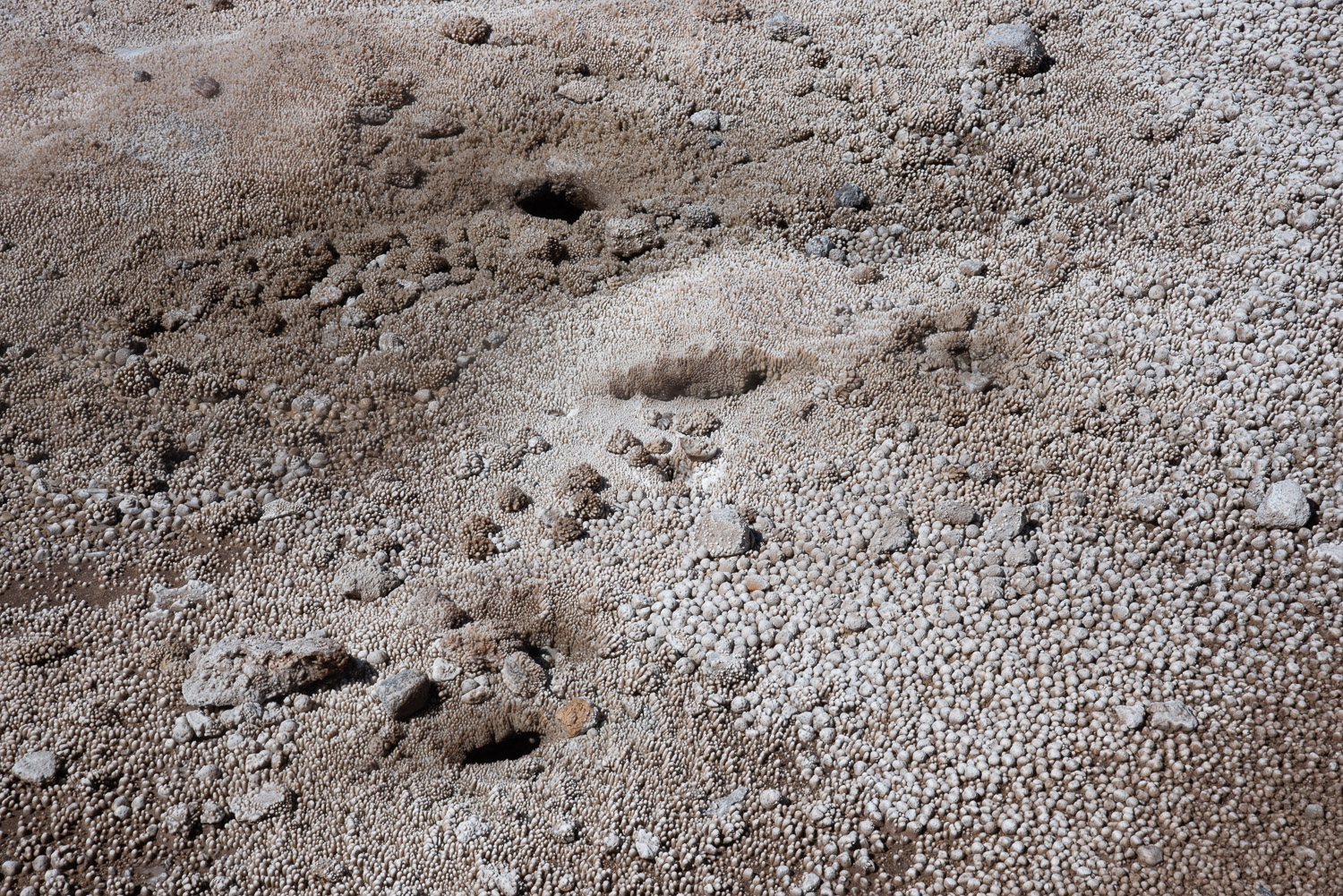
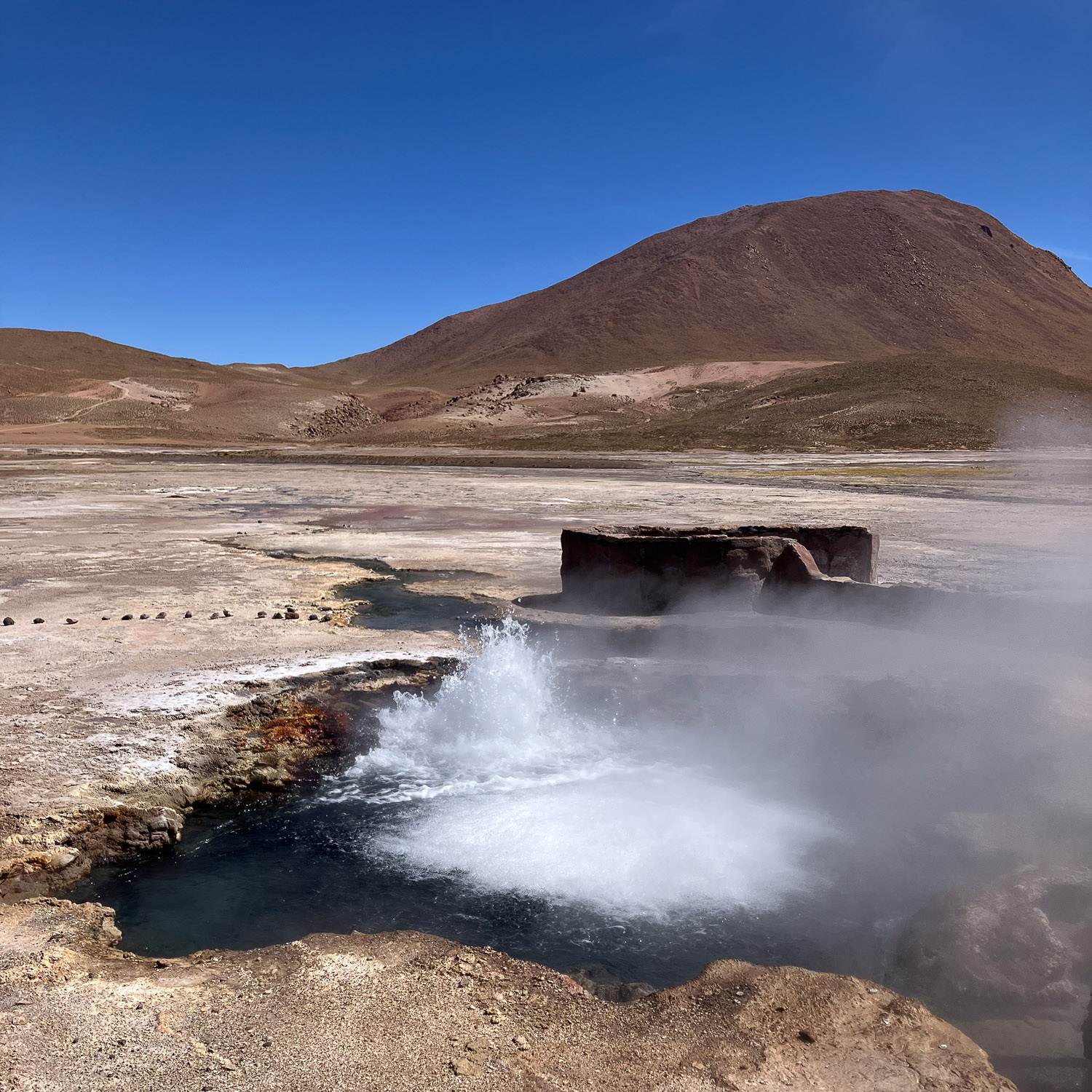
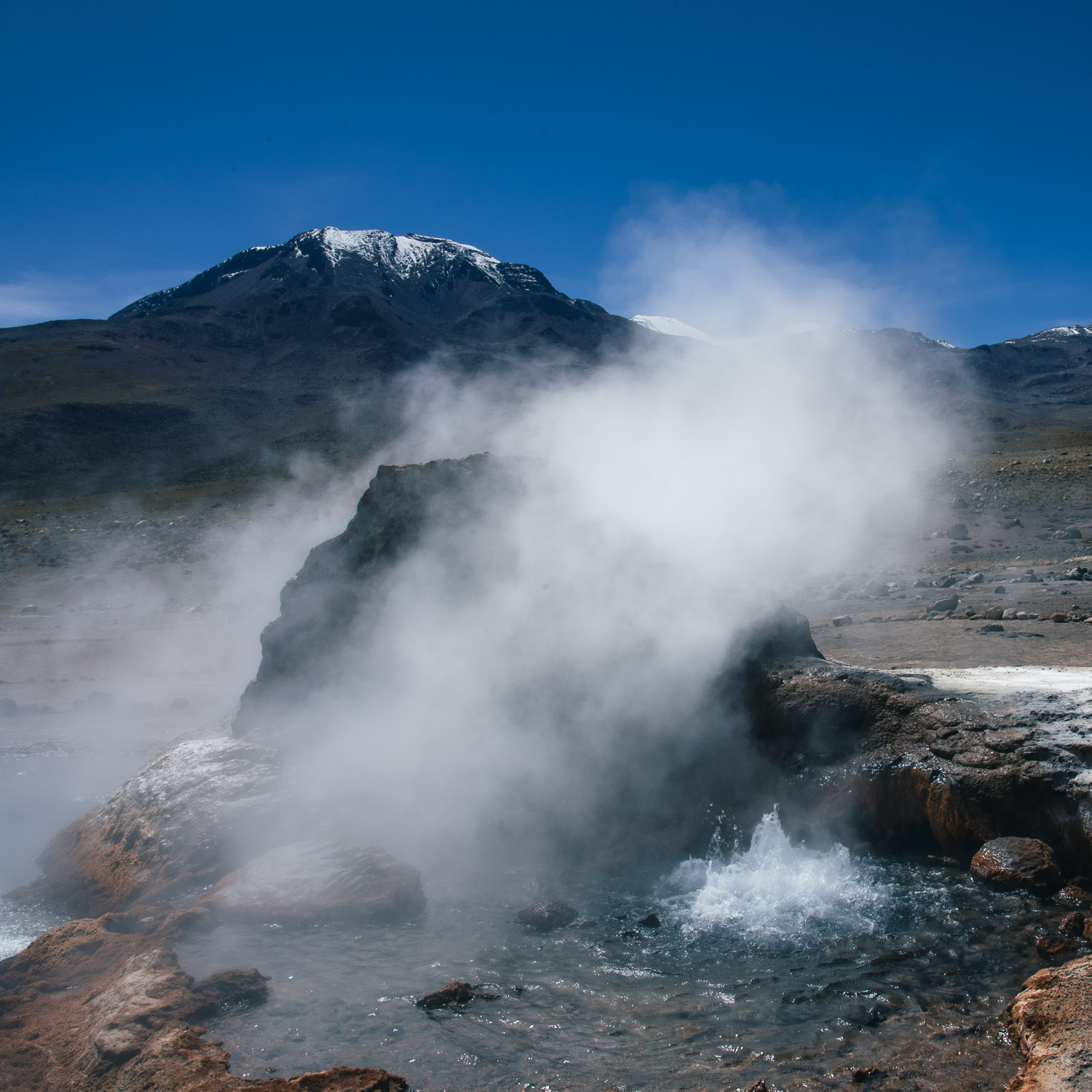
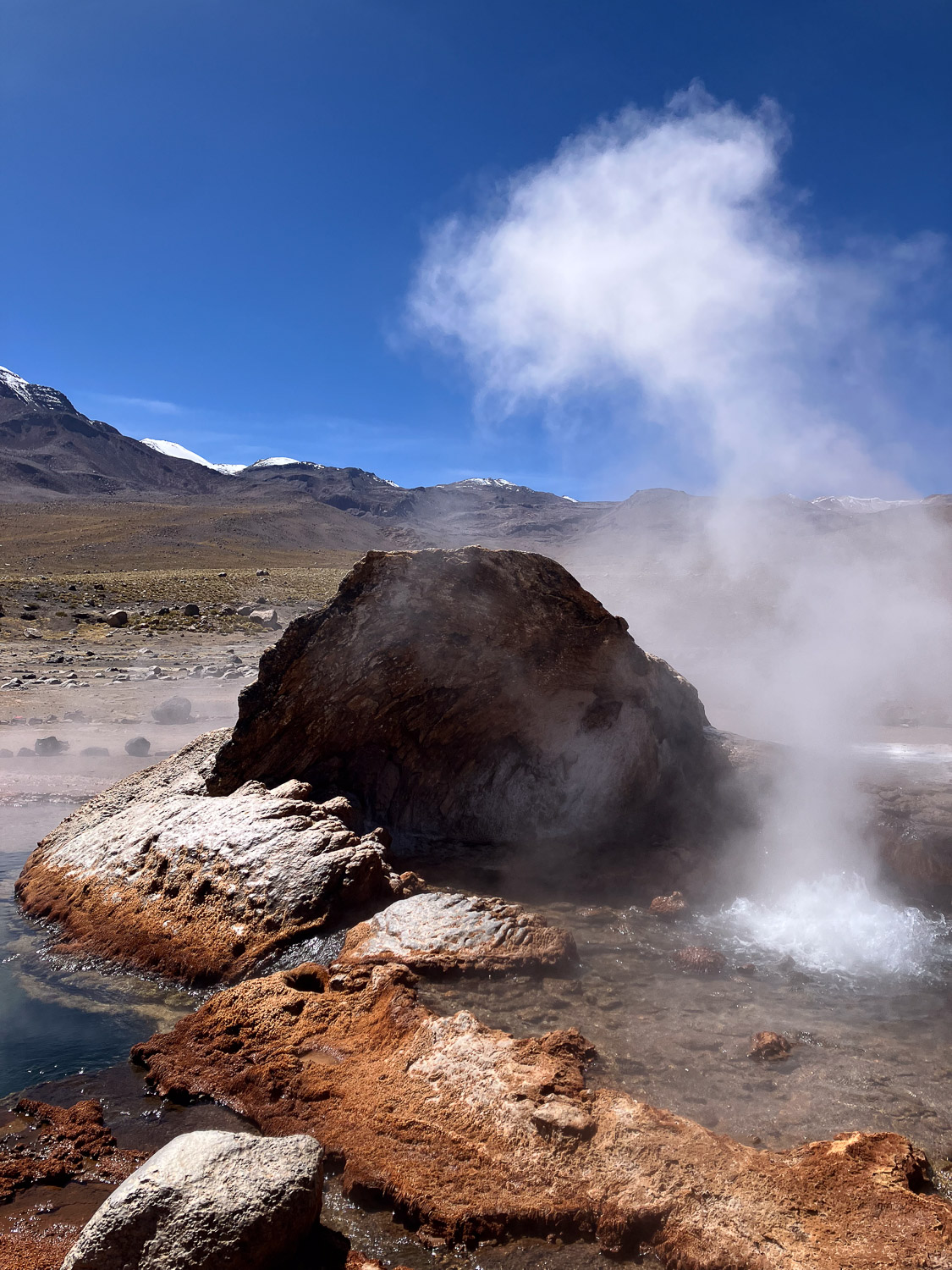
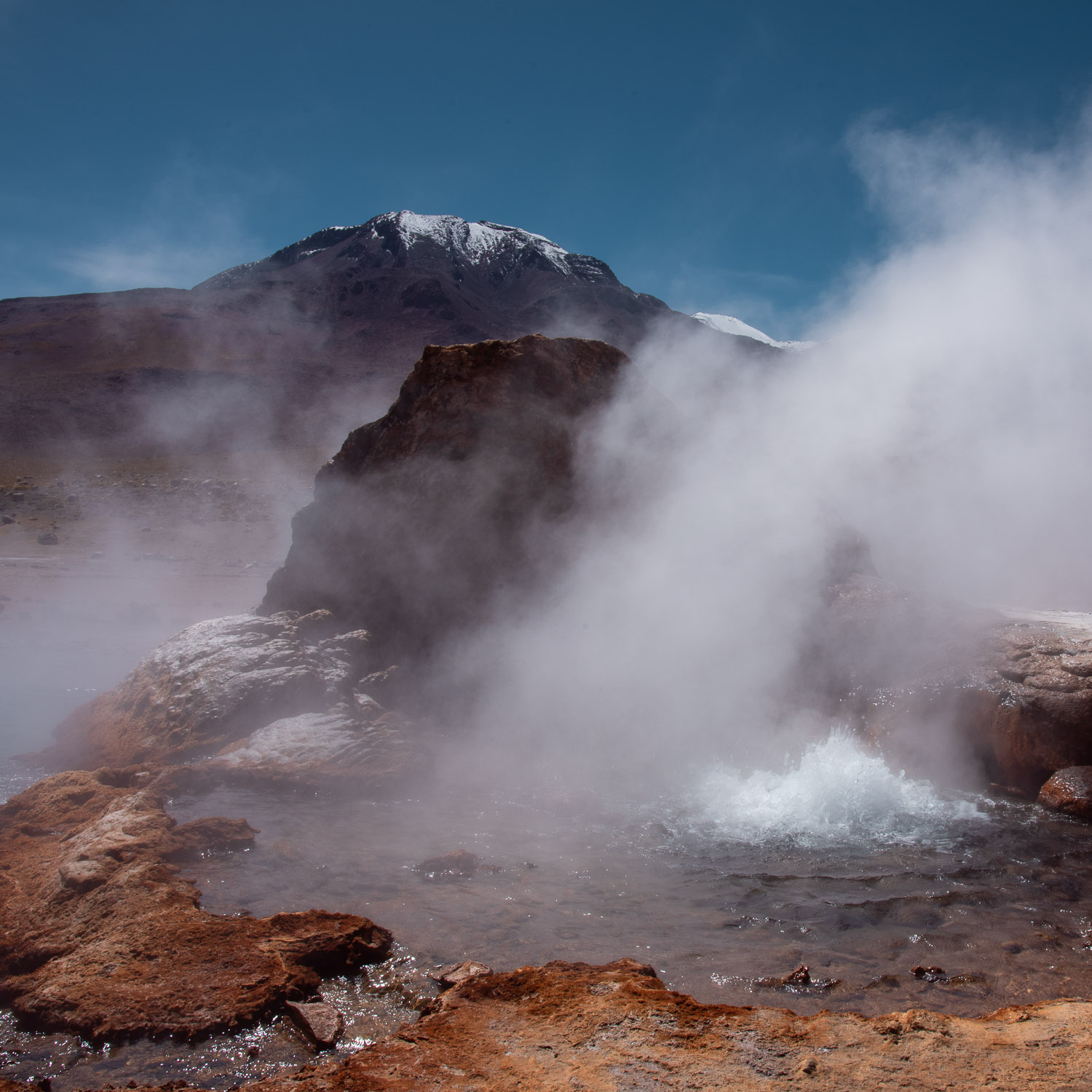
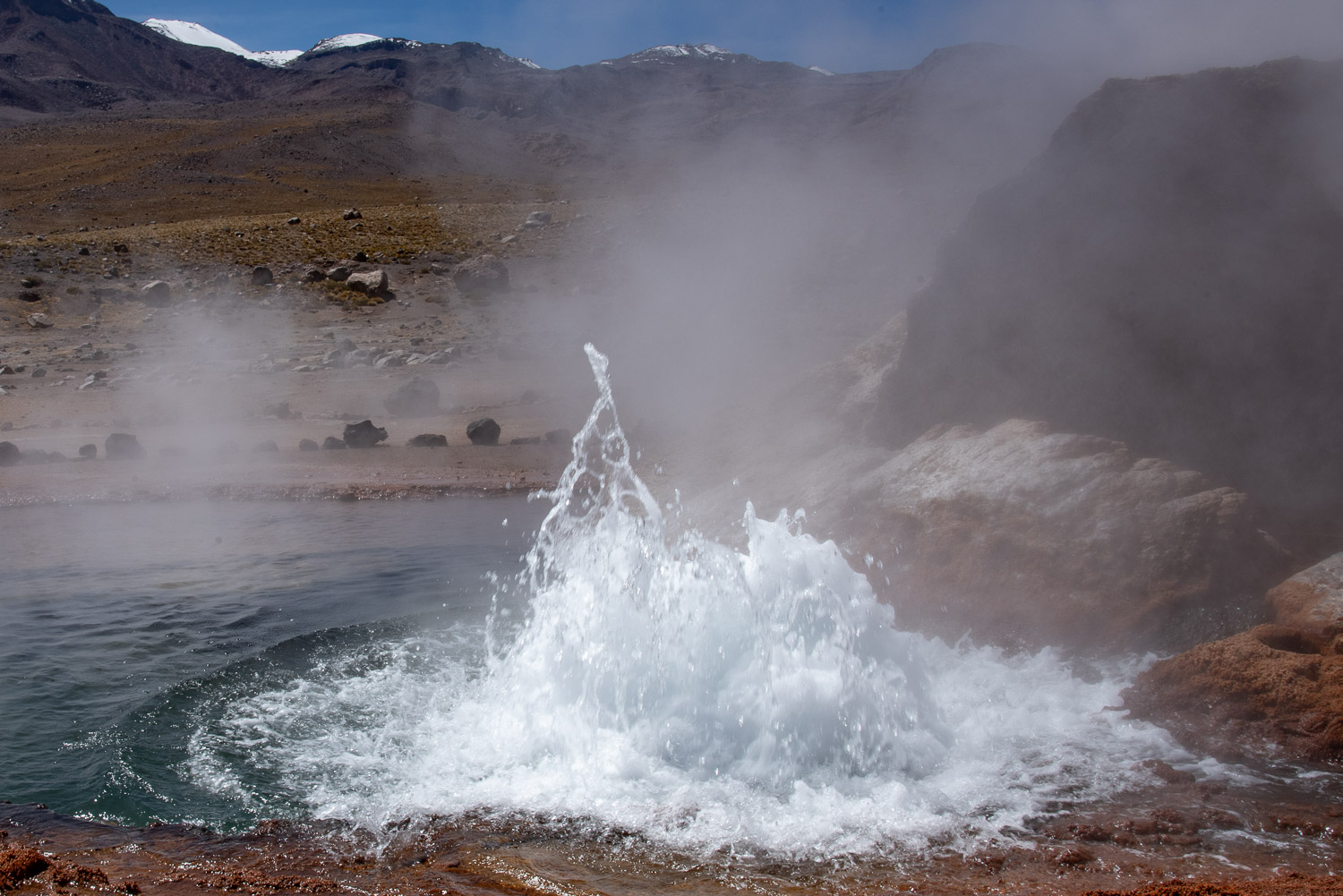
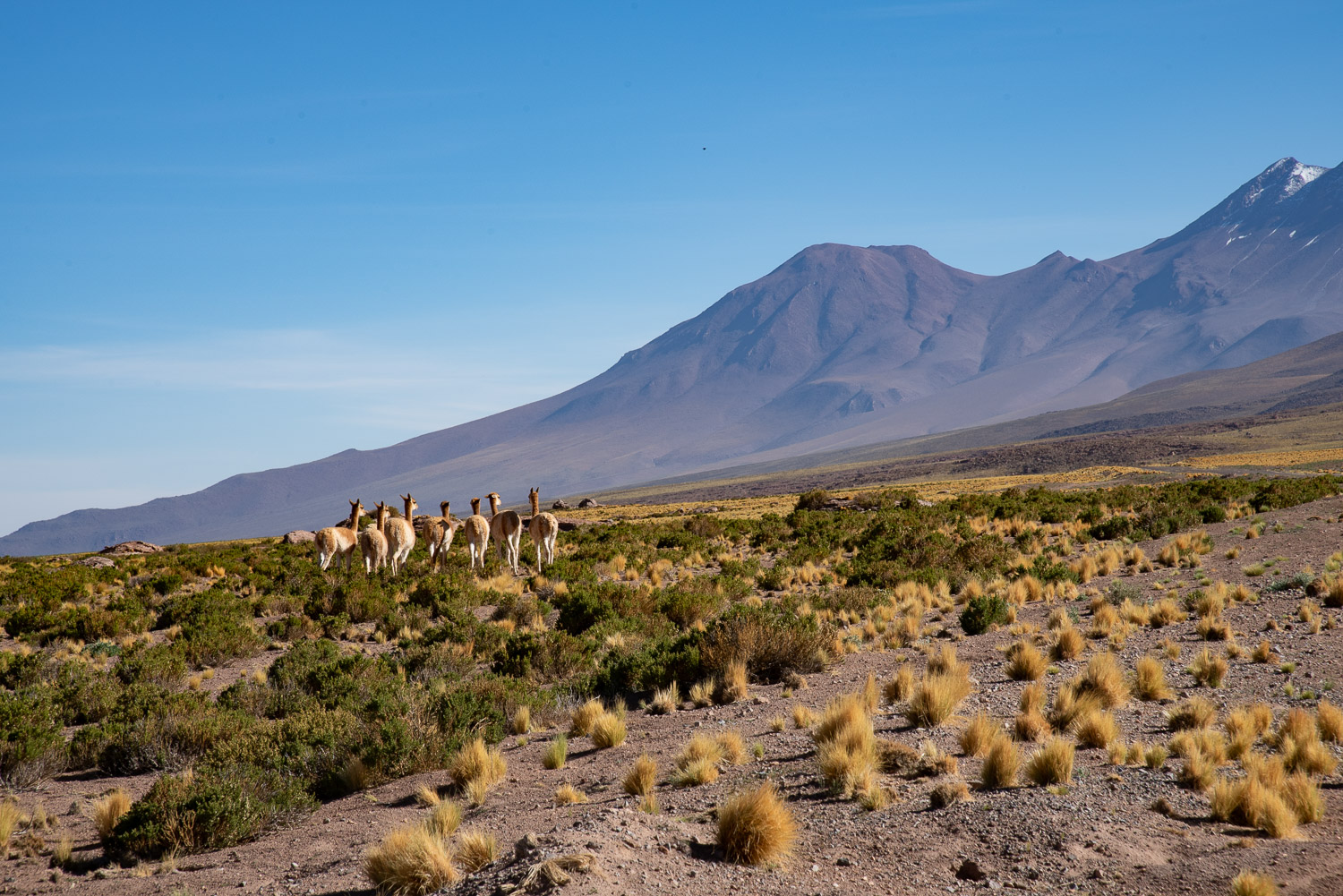
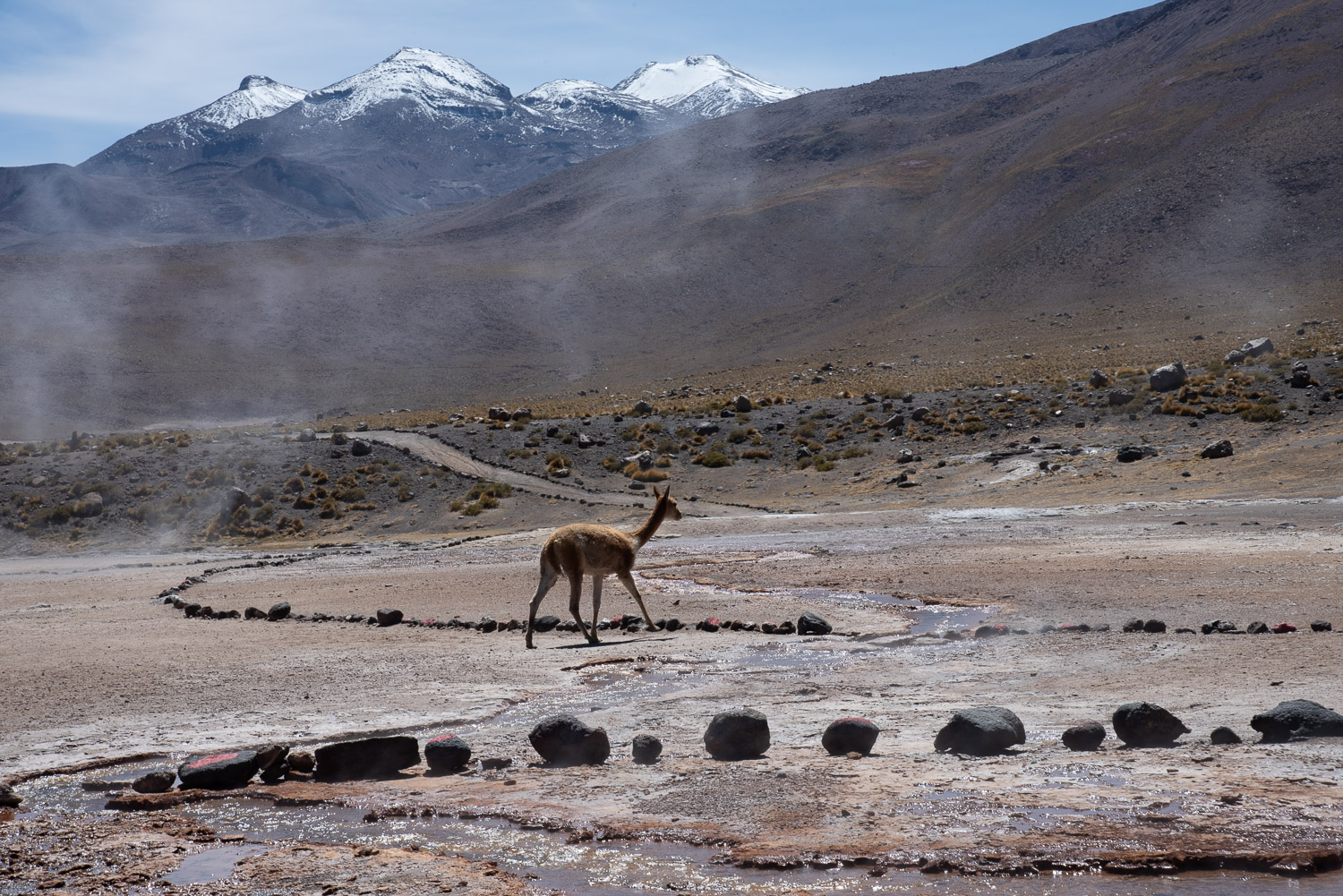
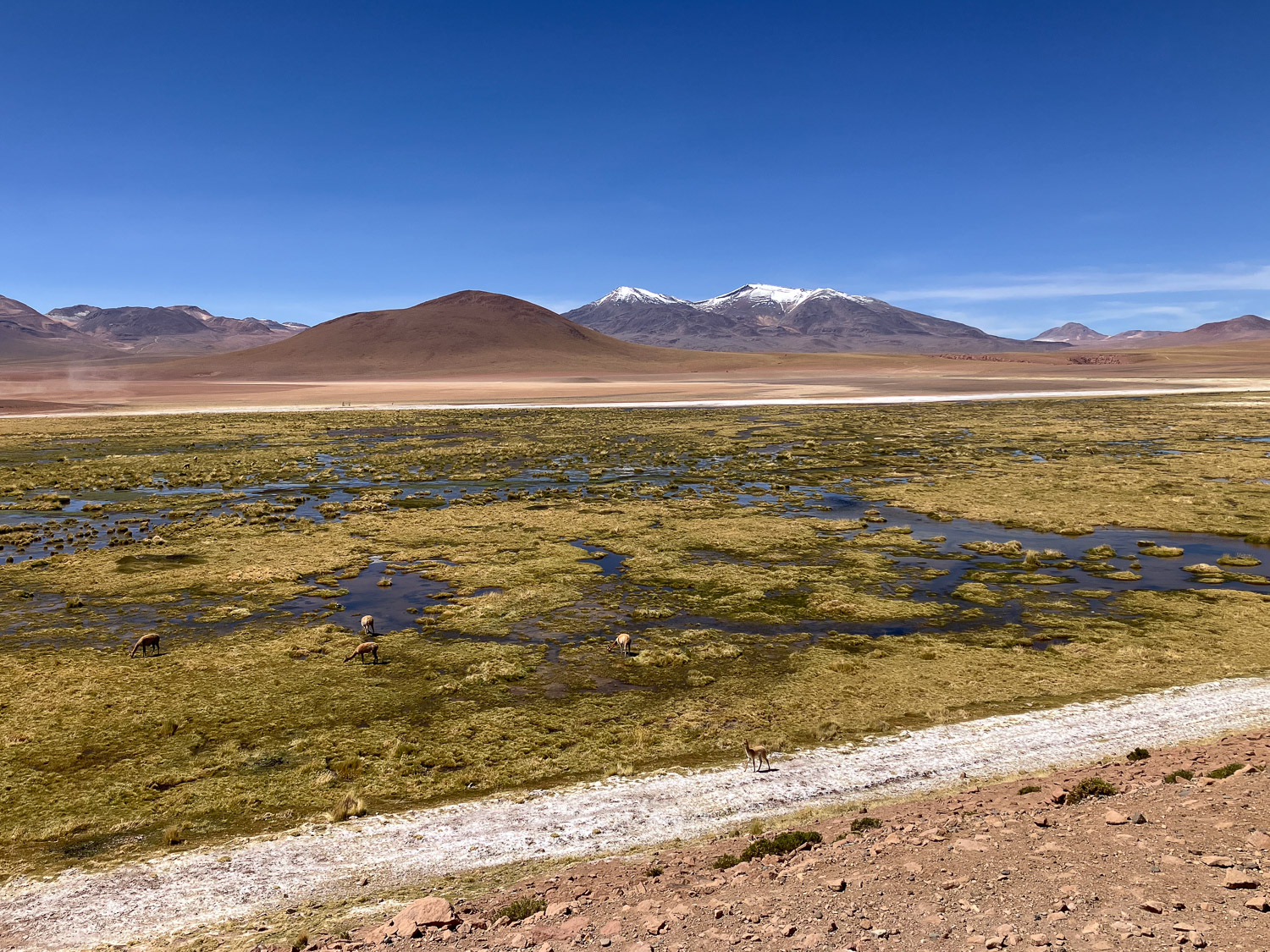
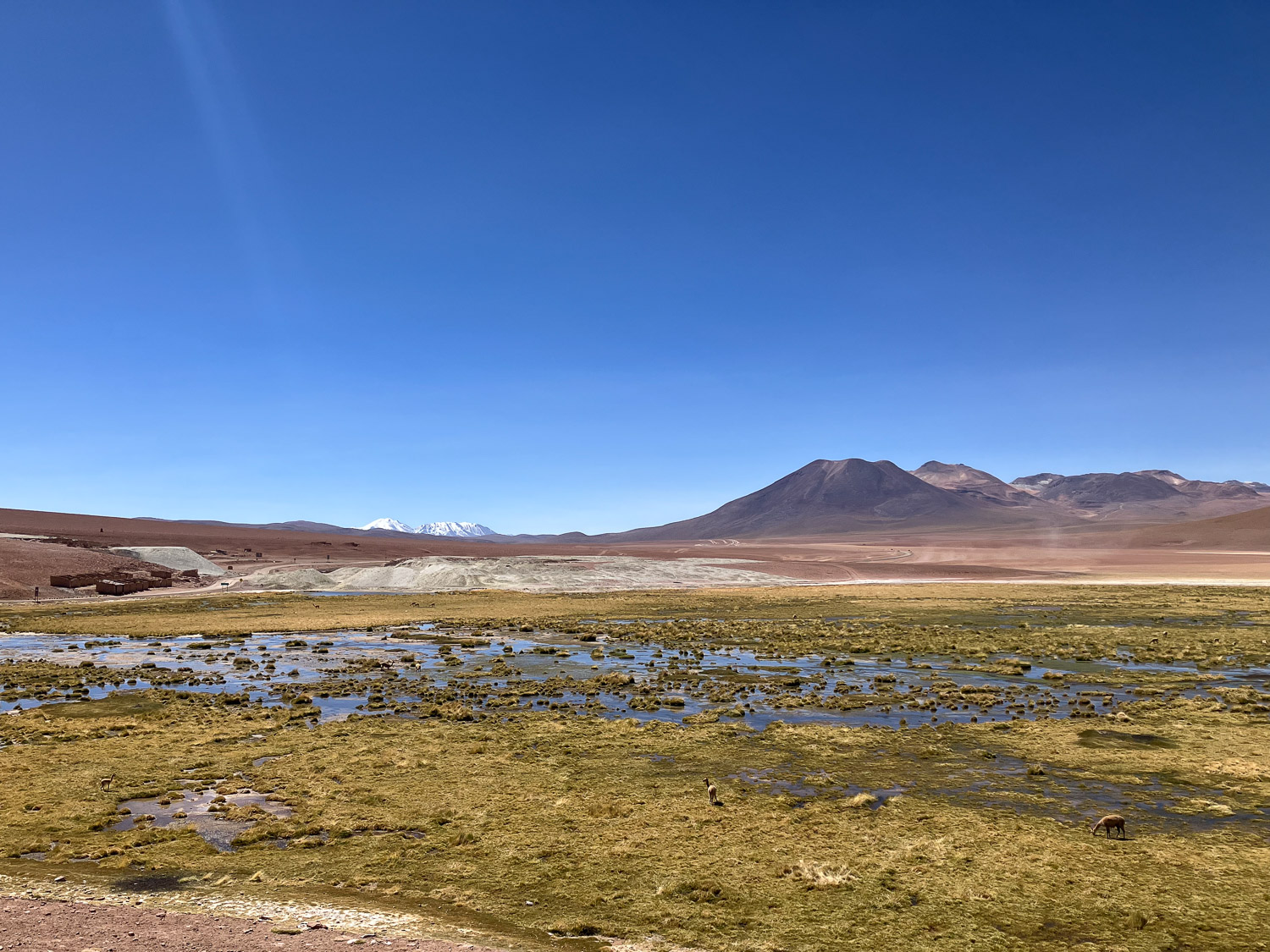
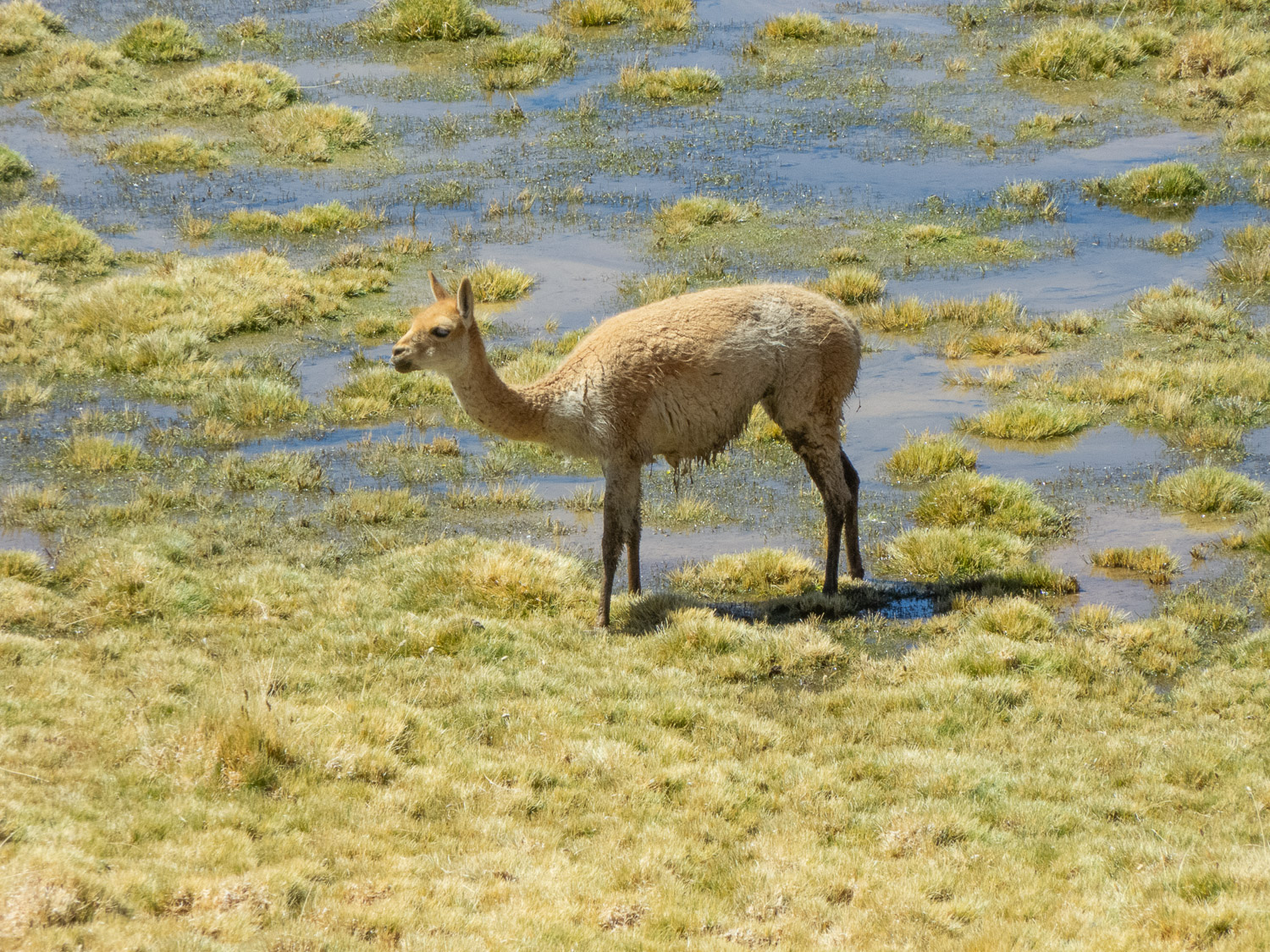
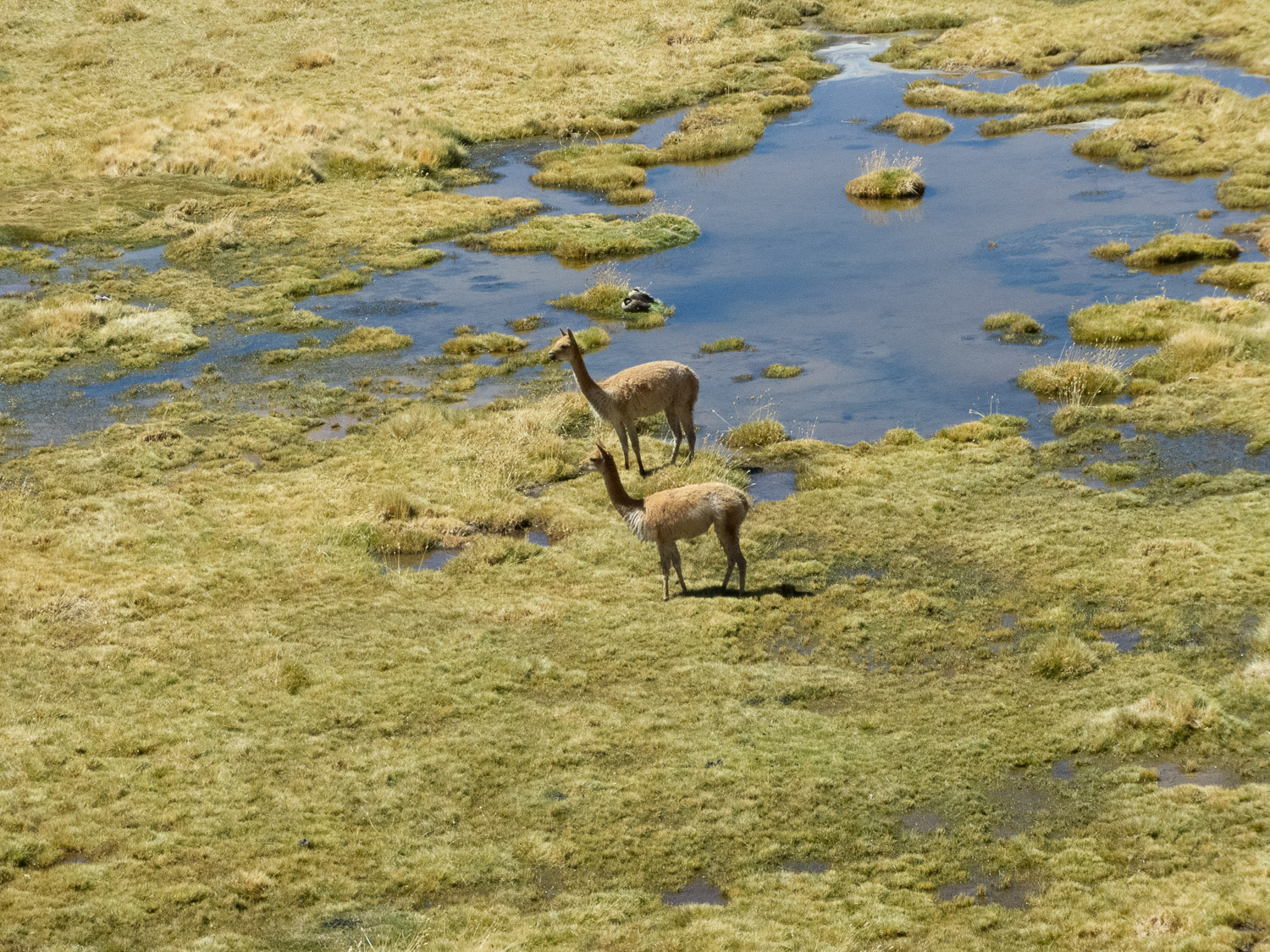
There were many warnings about people having burned themselves by stepping in the wrong place – but the vicuñas knew exactly how to wander unharmed across the geothermal fields.
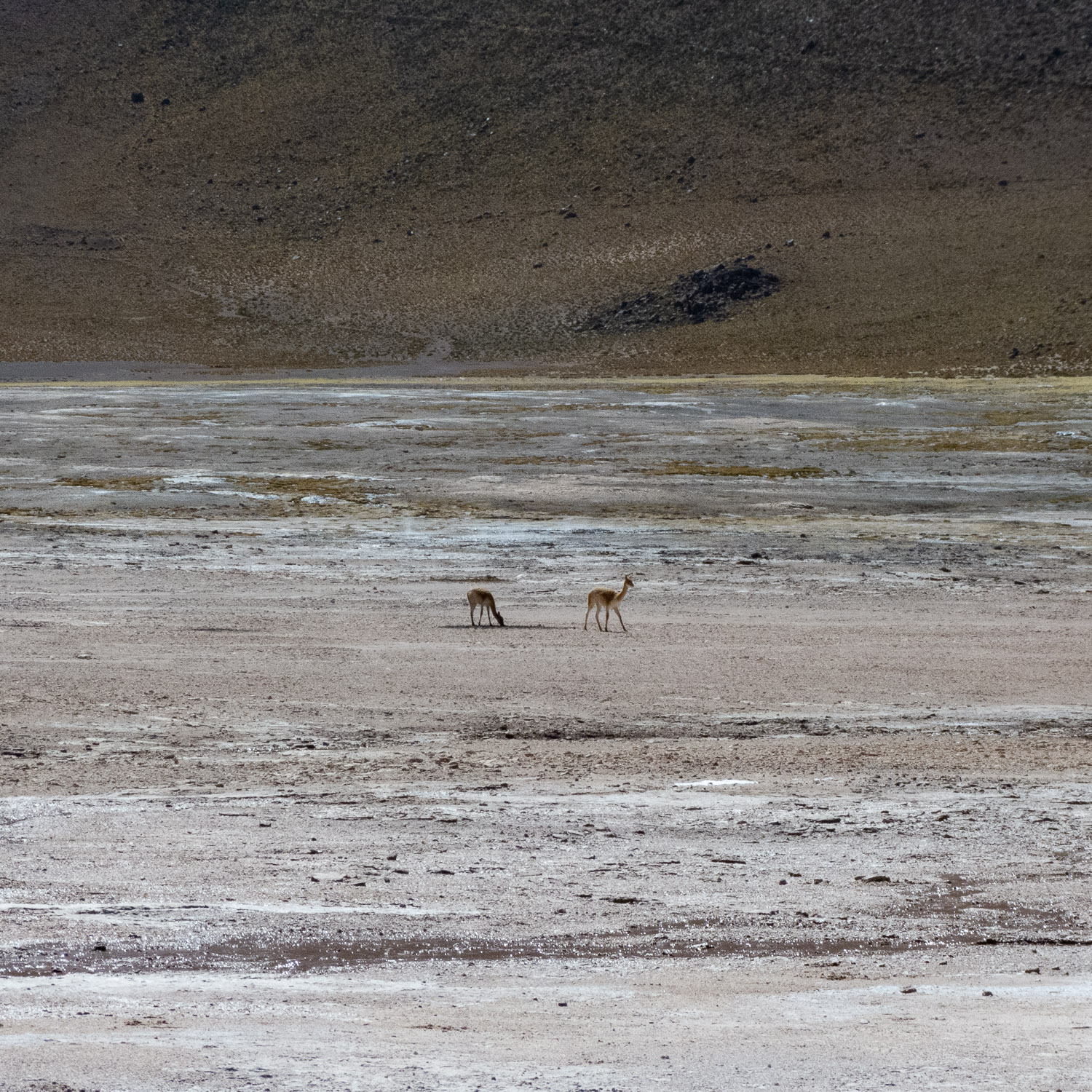
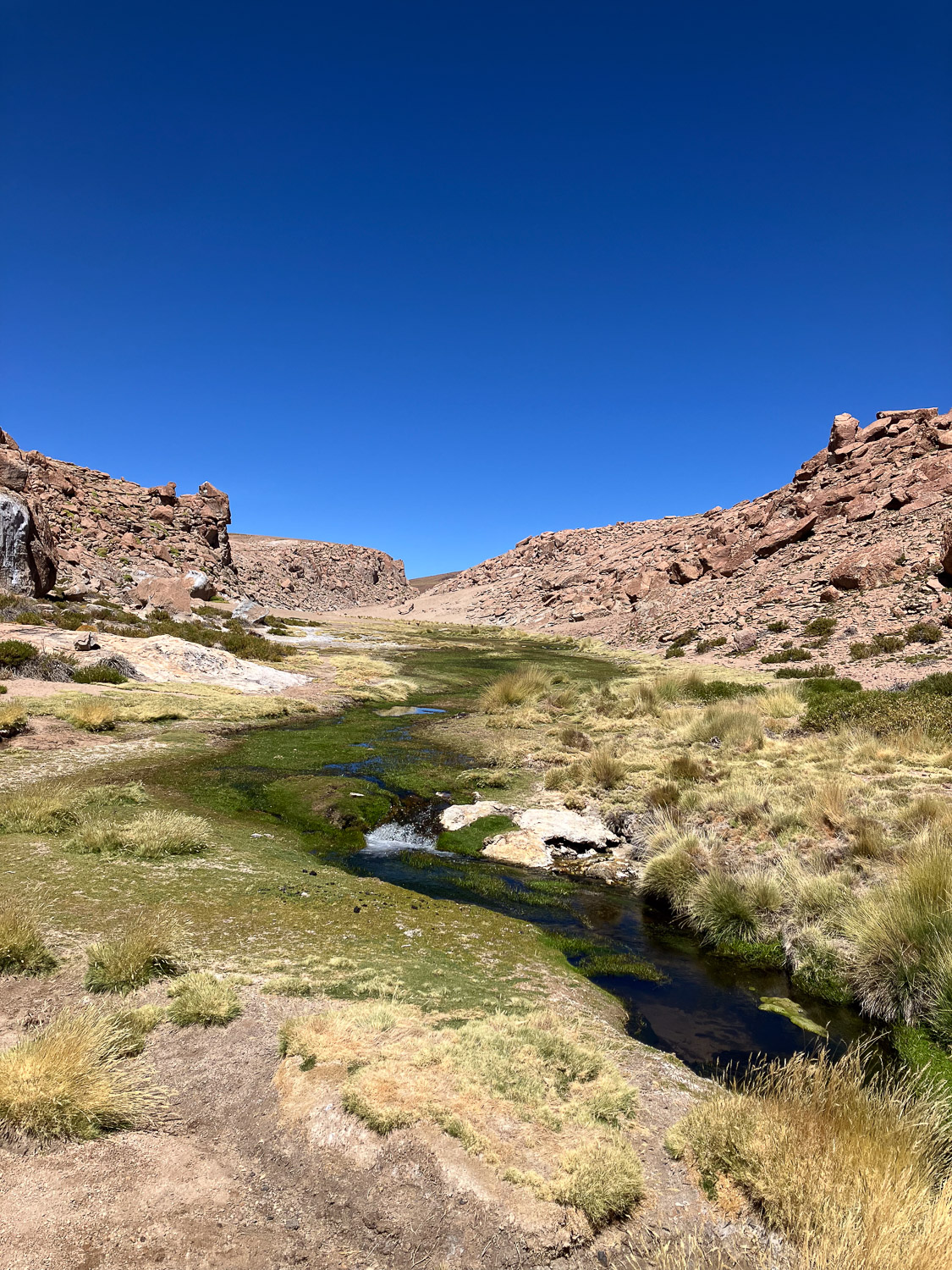
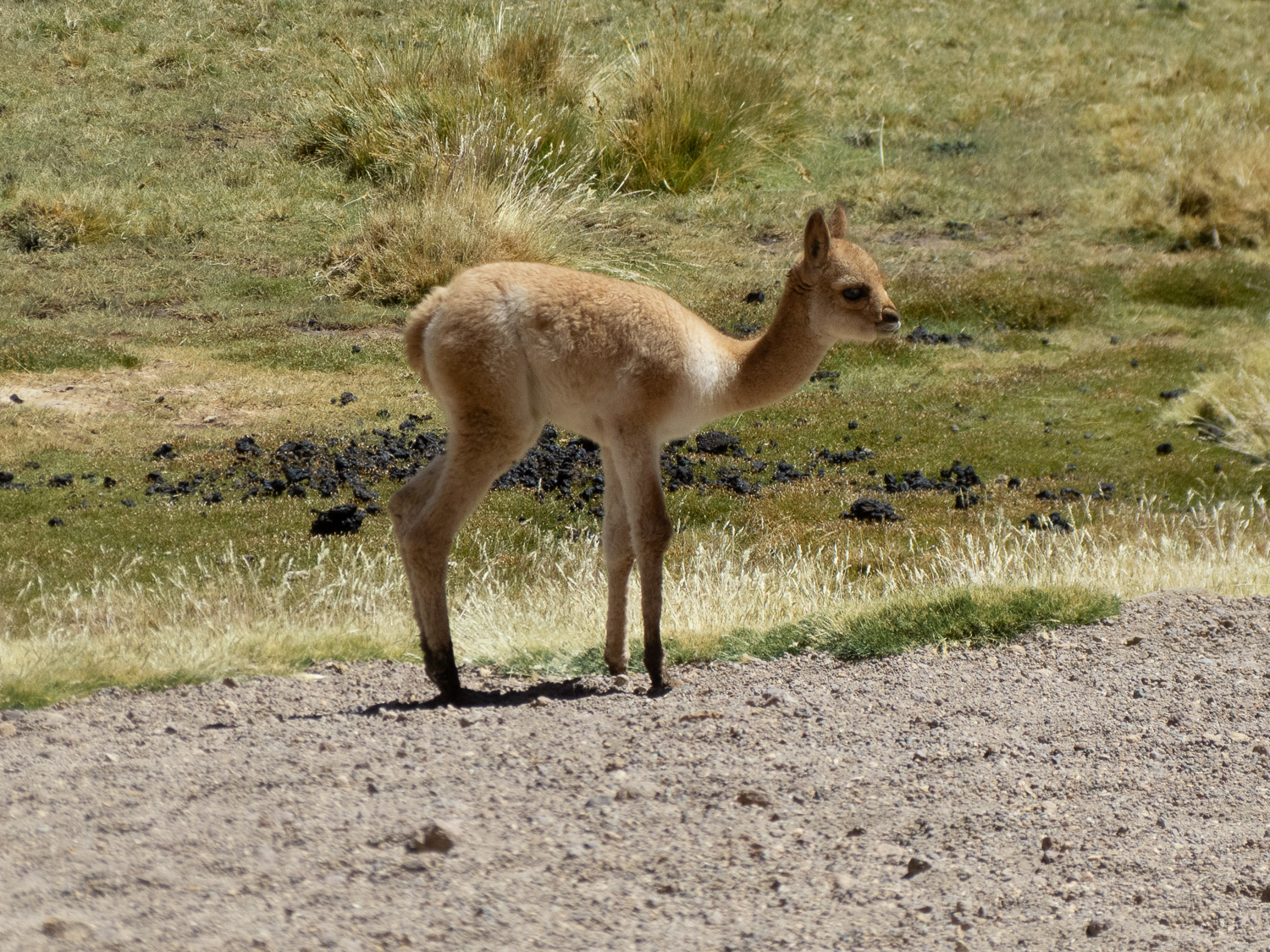
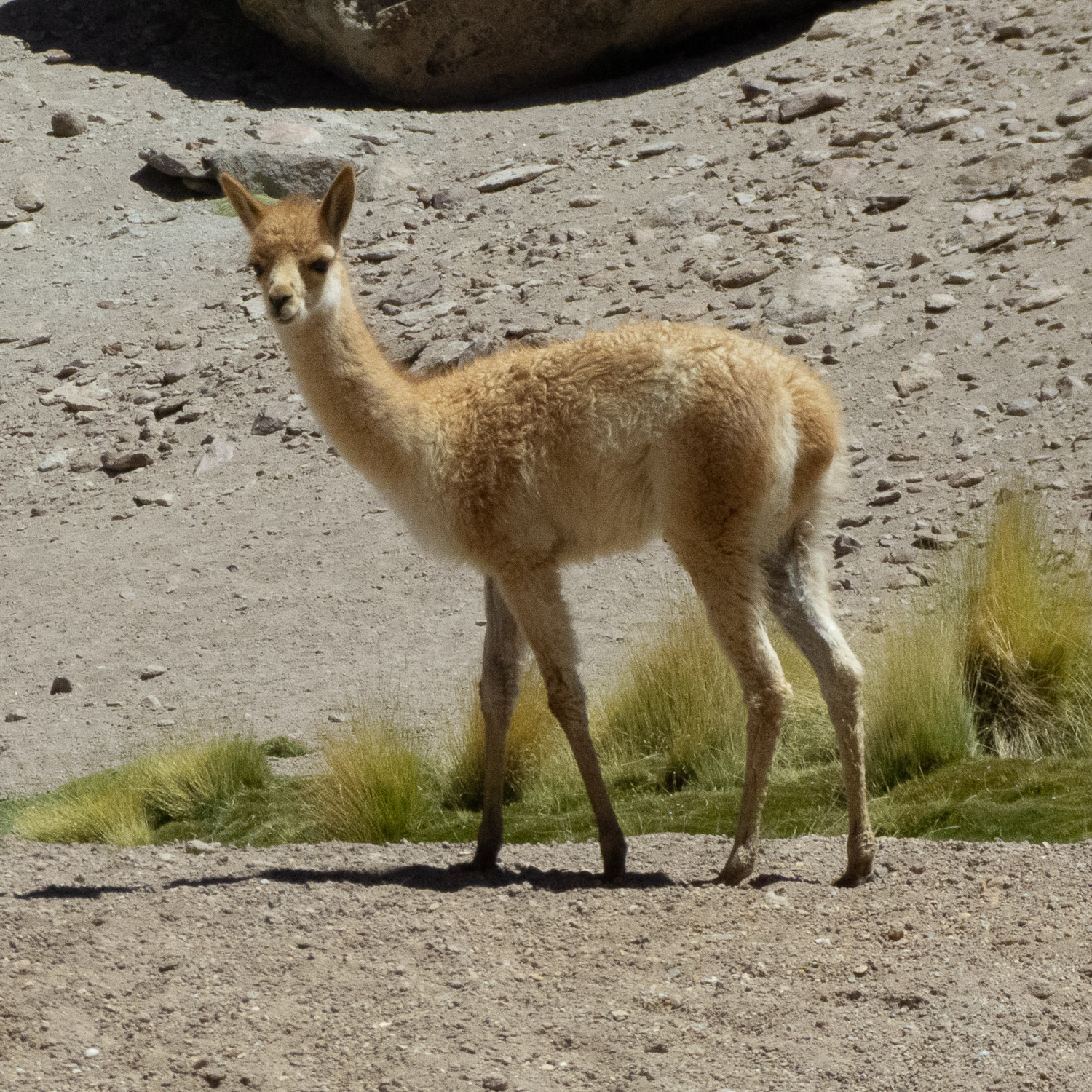
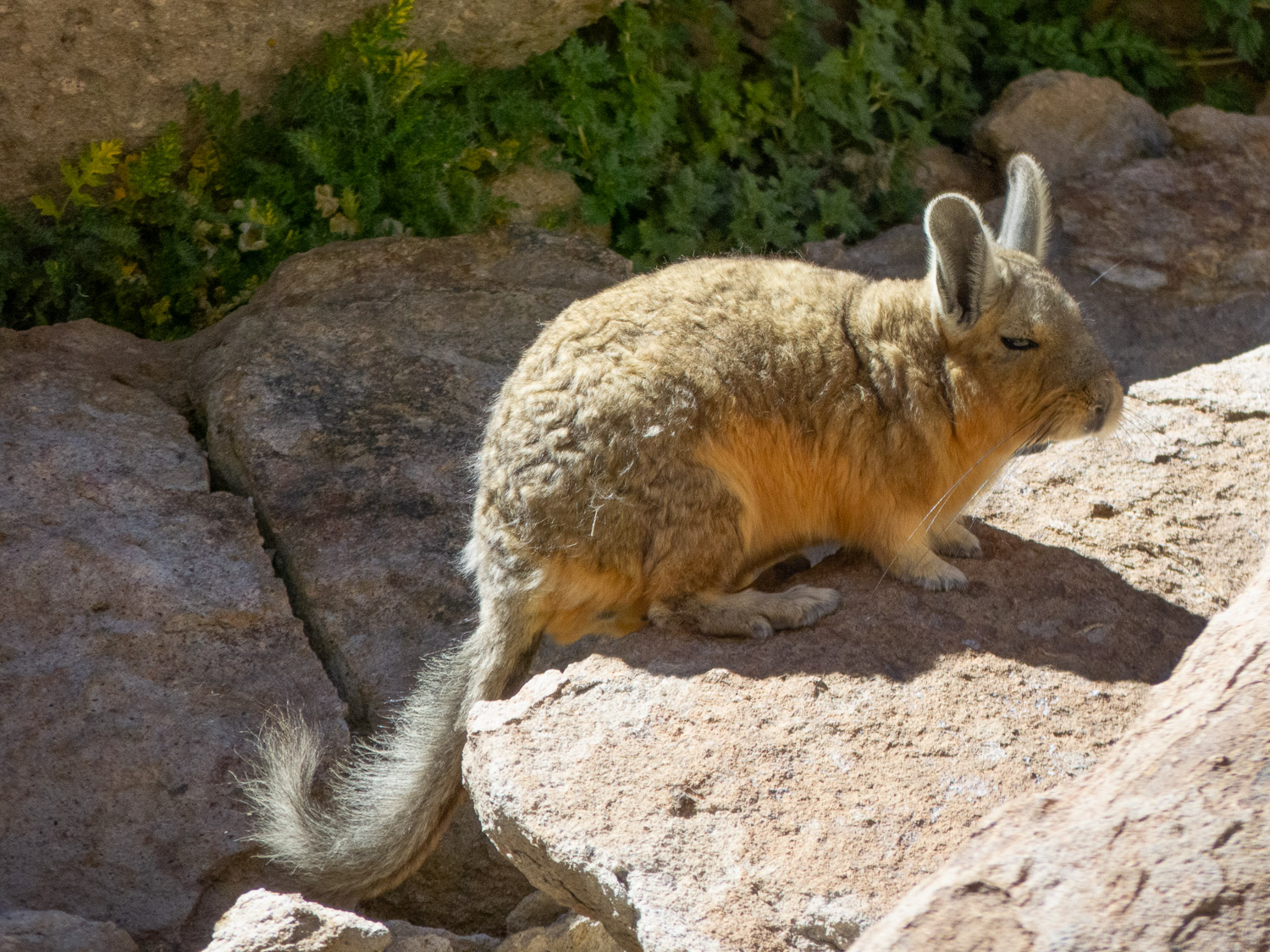
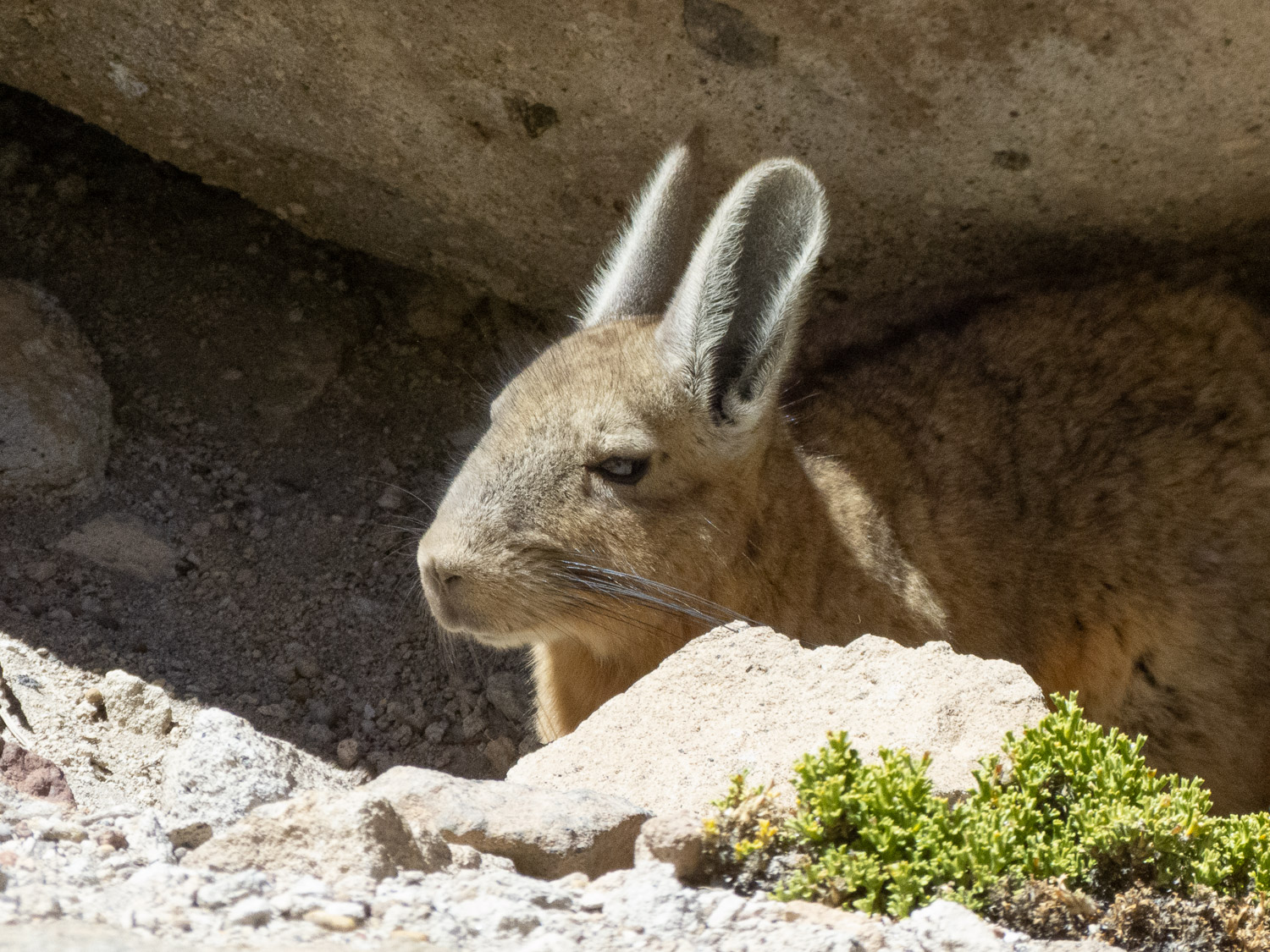
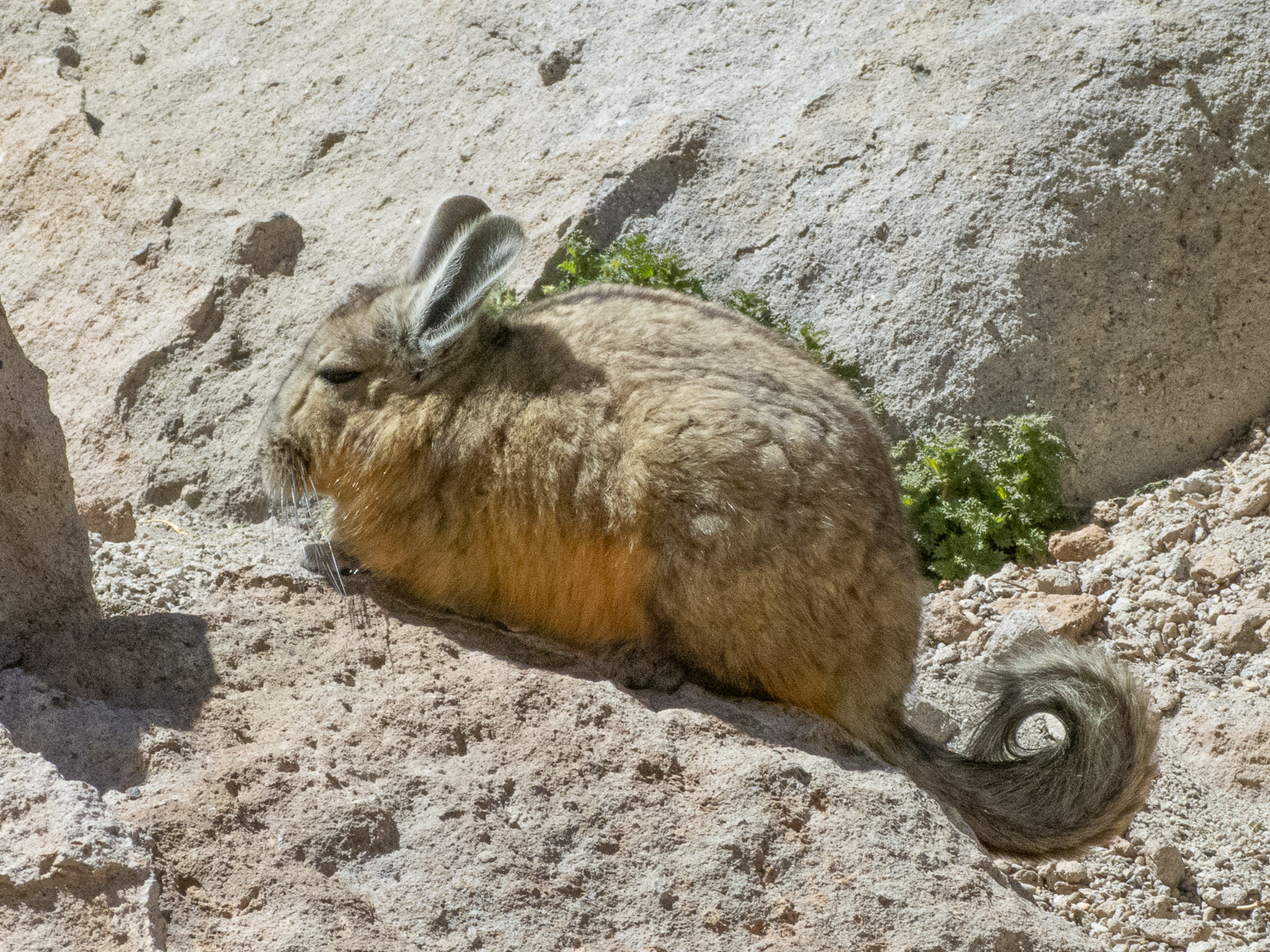
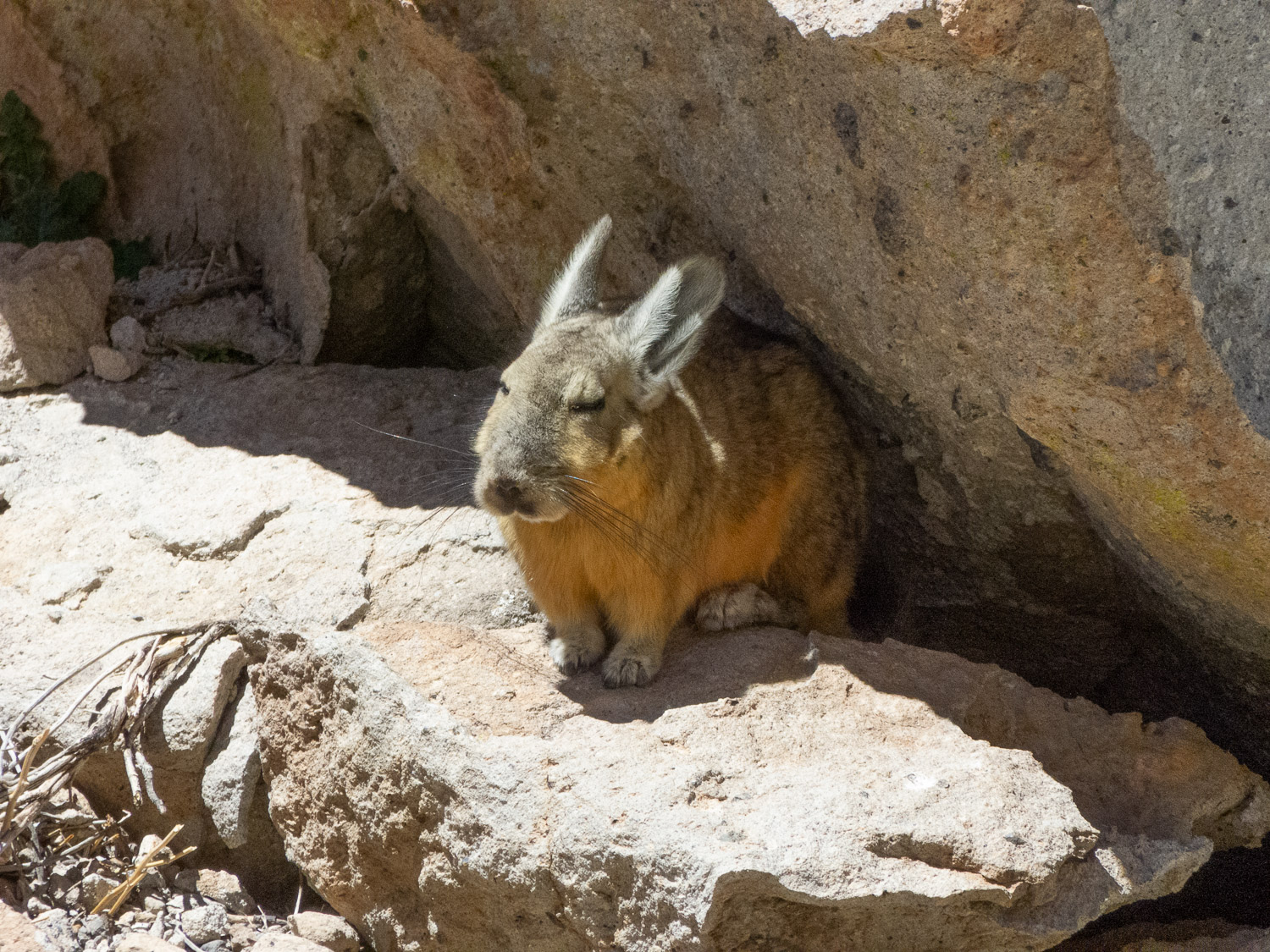
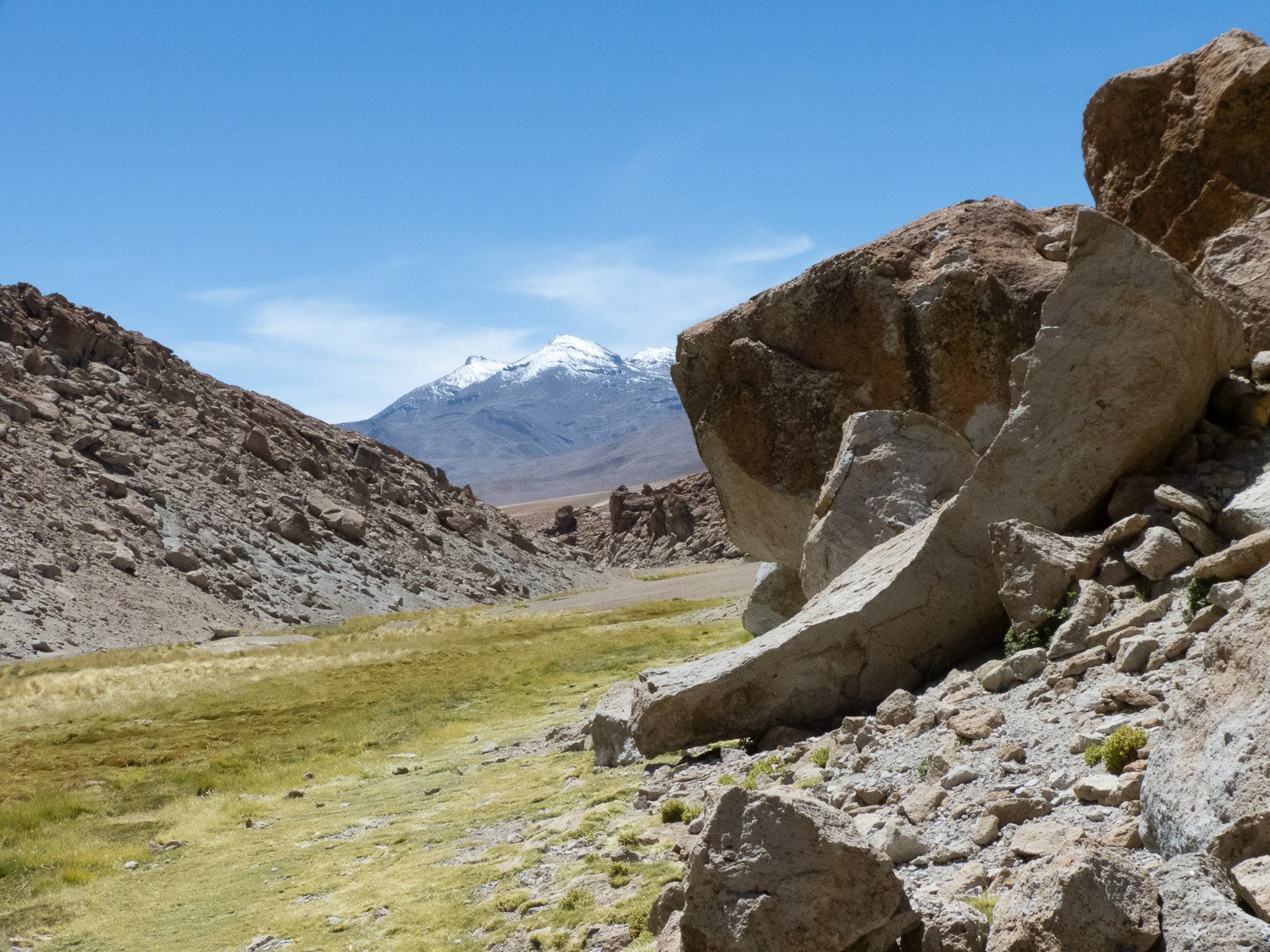
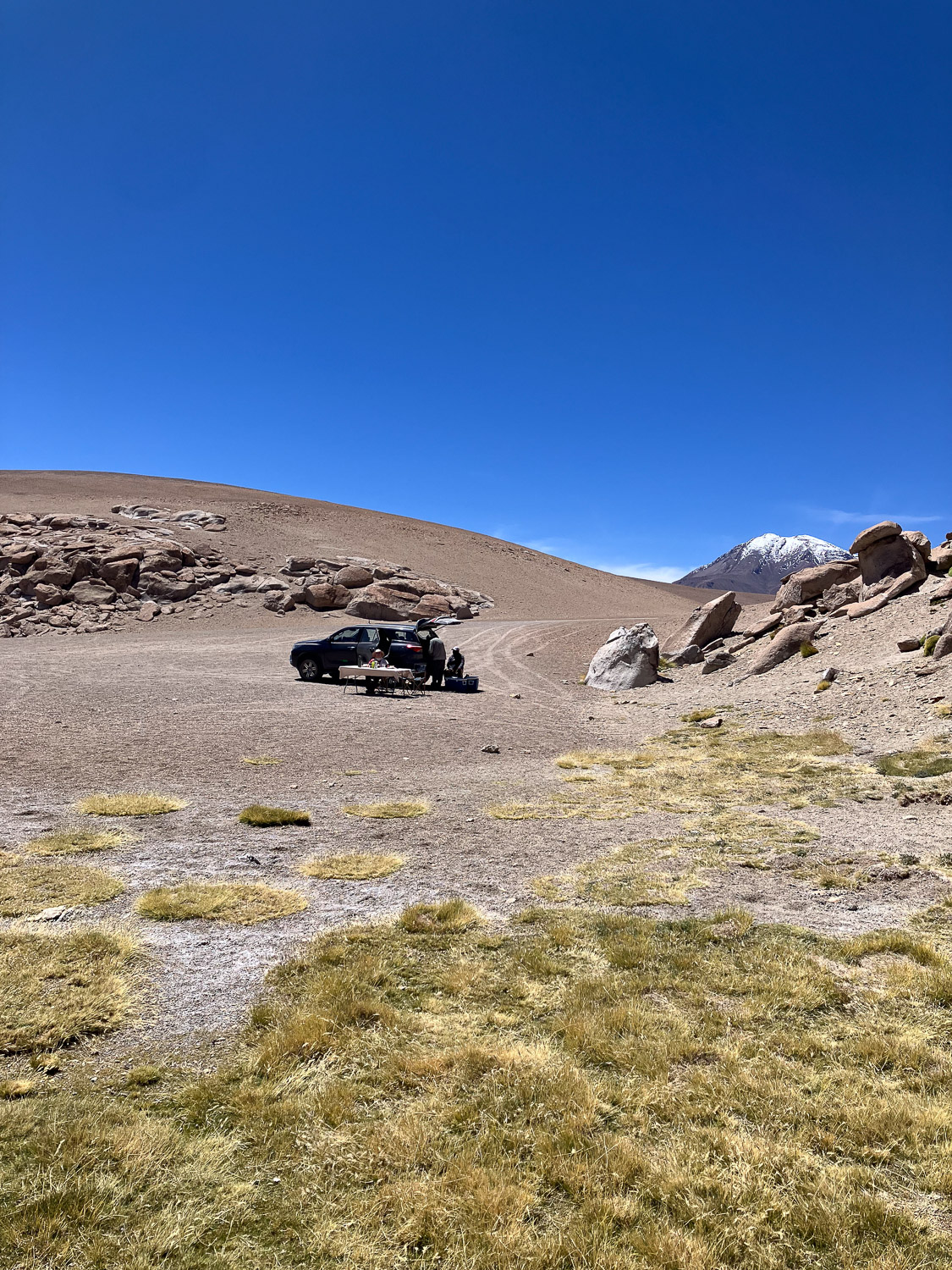
After visiting the geothermal area, we did a short hike close by. We only walked about 1.5 miles, but it felt very hard because of the altitude. The area was utterly idyllic, with many pretty little vicuñas wandering through the wetlands. In the rocks, we spotted a kind of rodent called a viscacha. It looks a lot like a rabbit, but has a long tail. We saw quite a lot of them; they seemed unbothered by us. At the end of the walk, the Awasi staff provided a splendid picnic lunch.
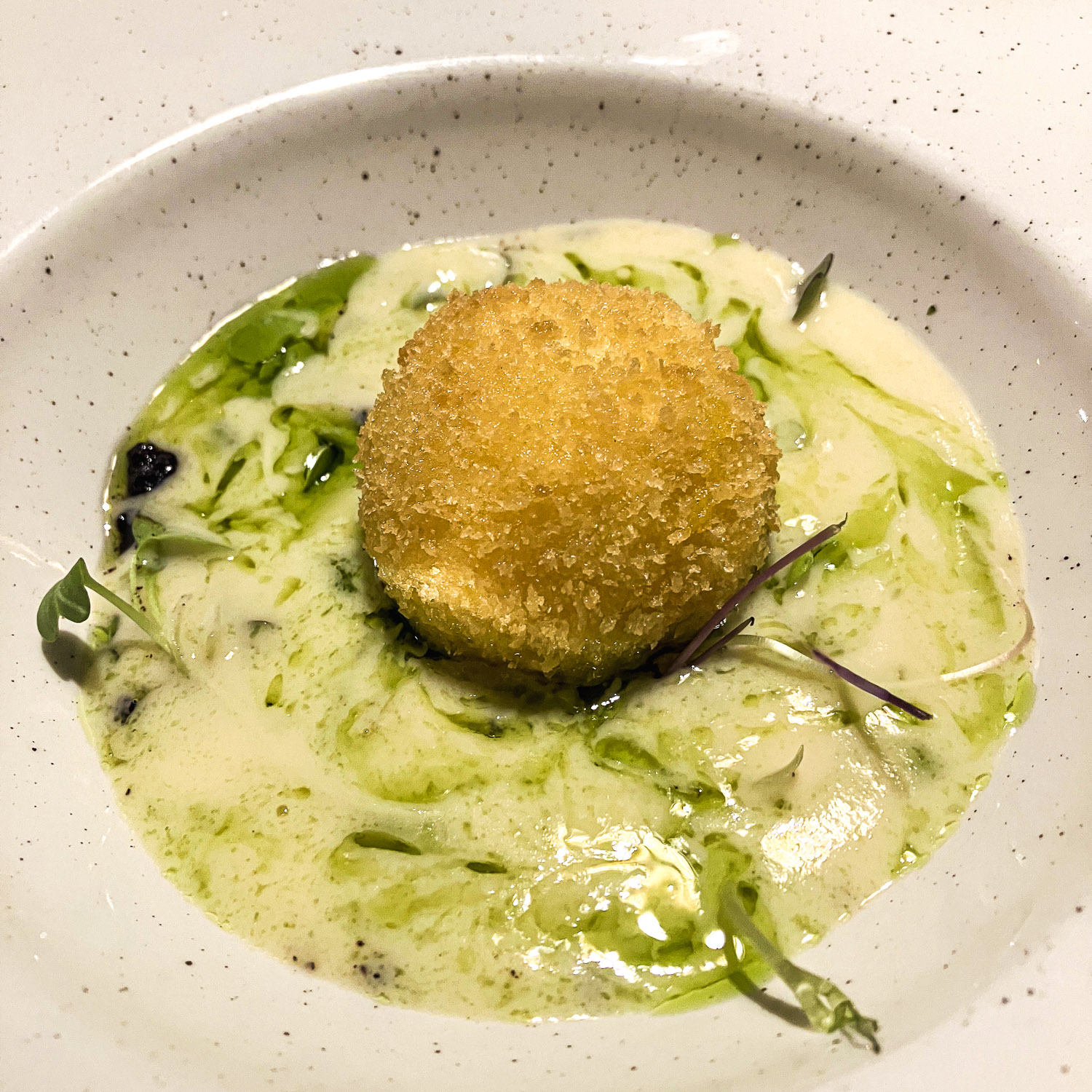
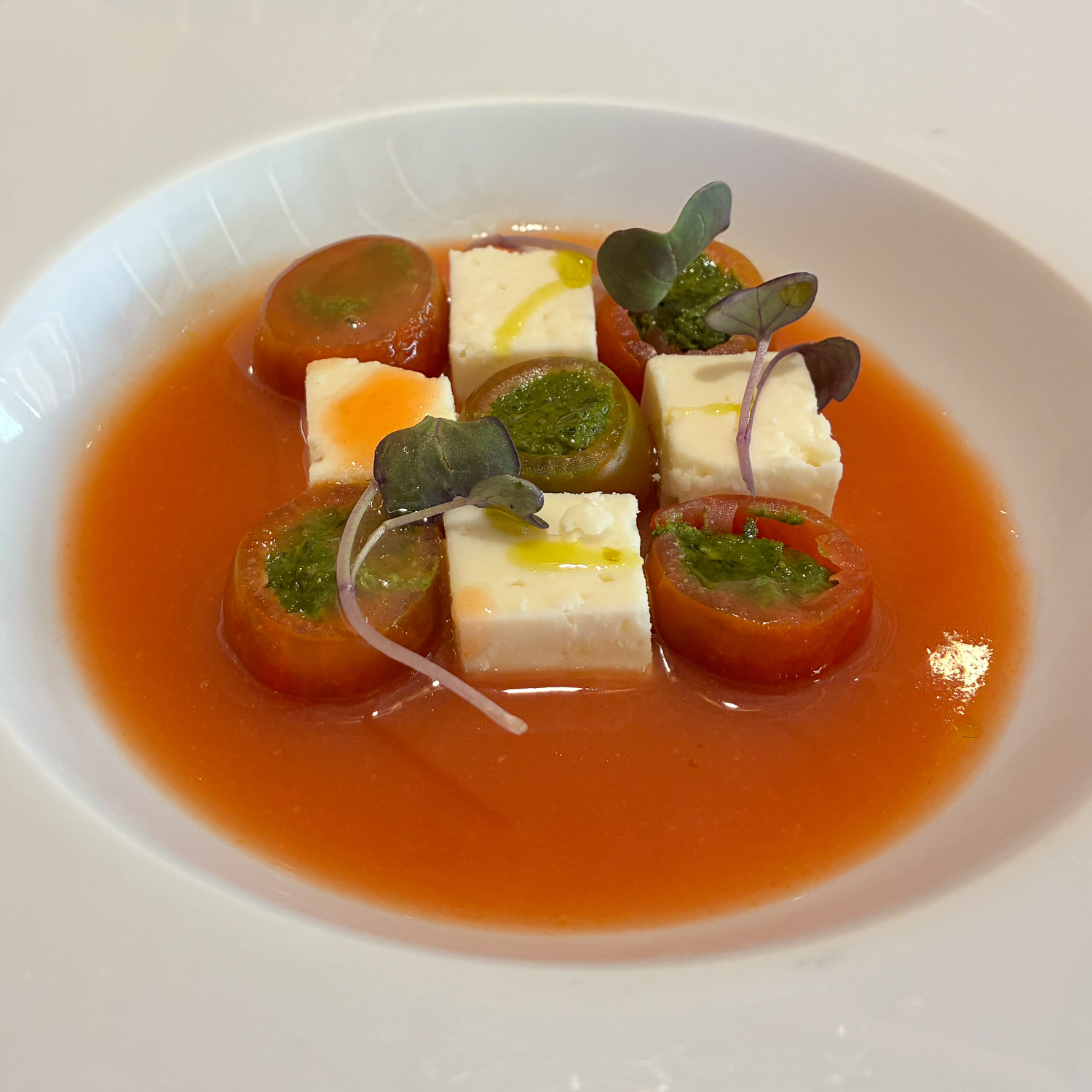
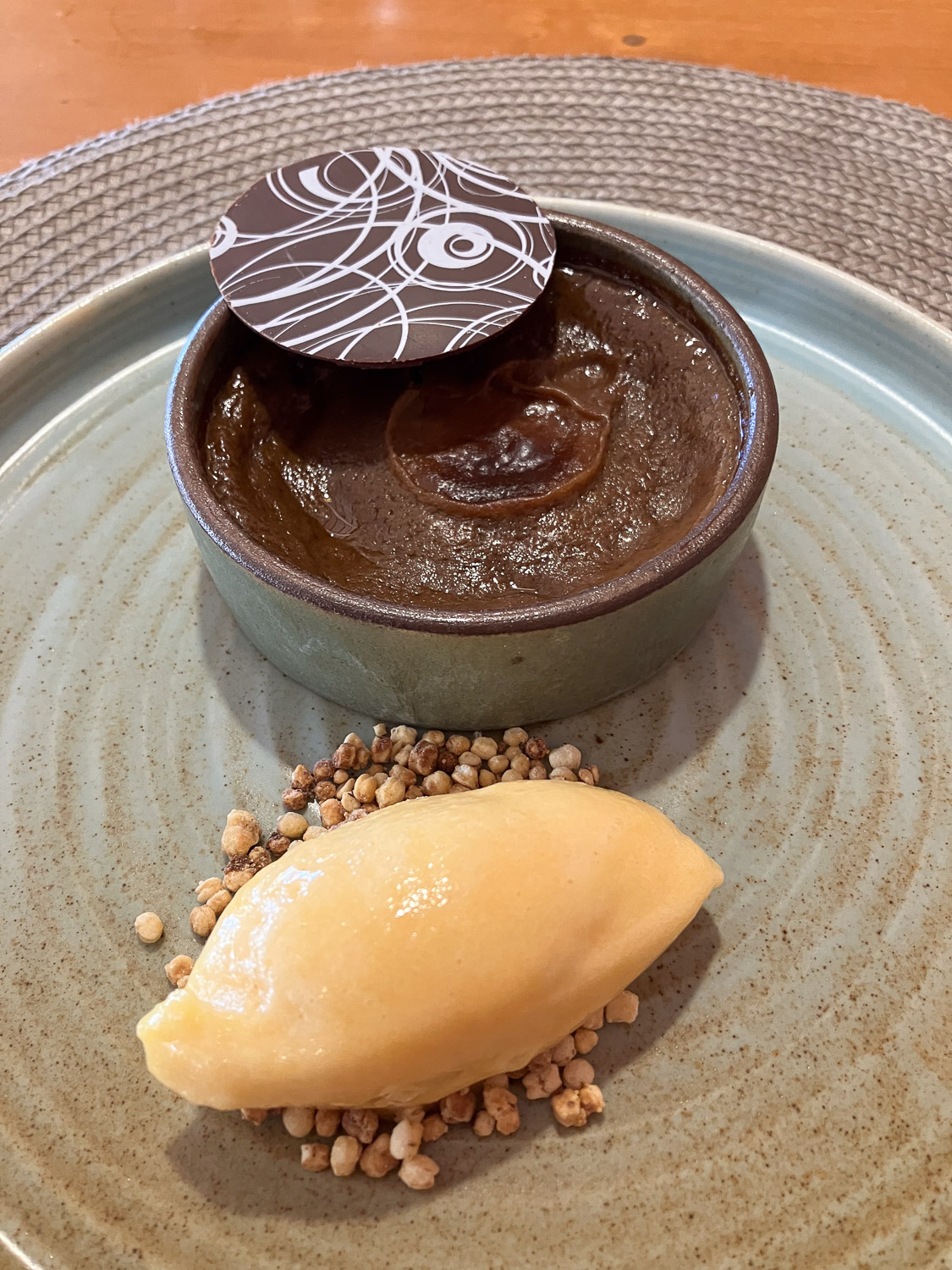
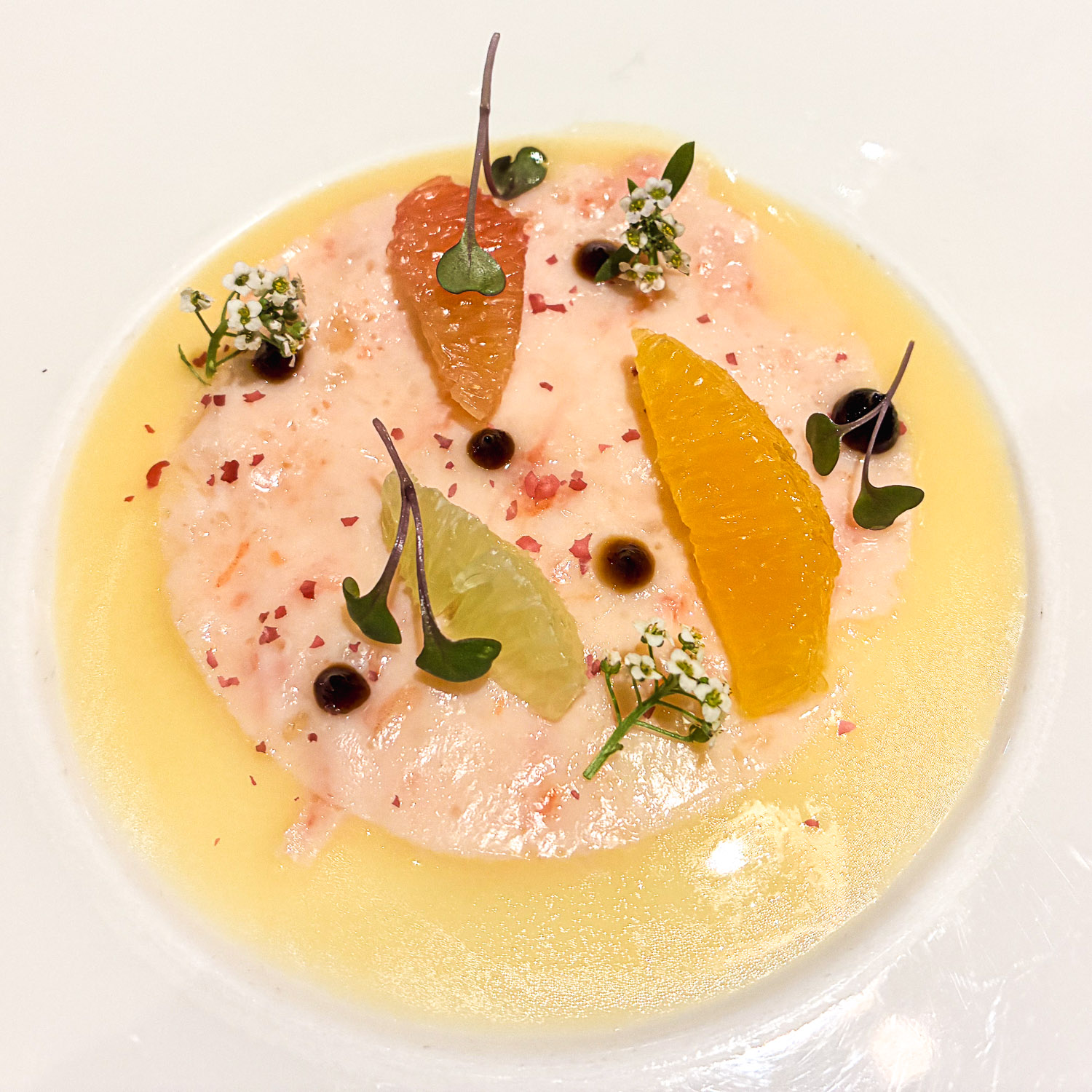
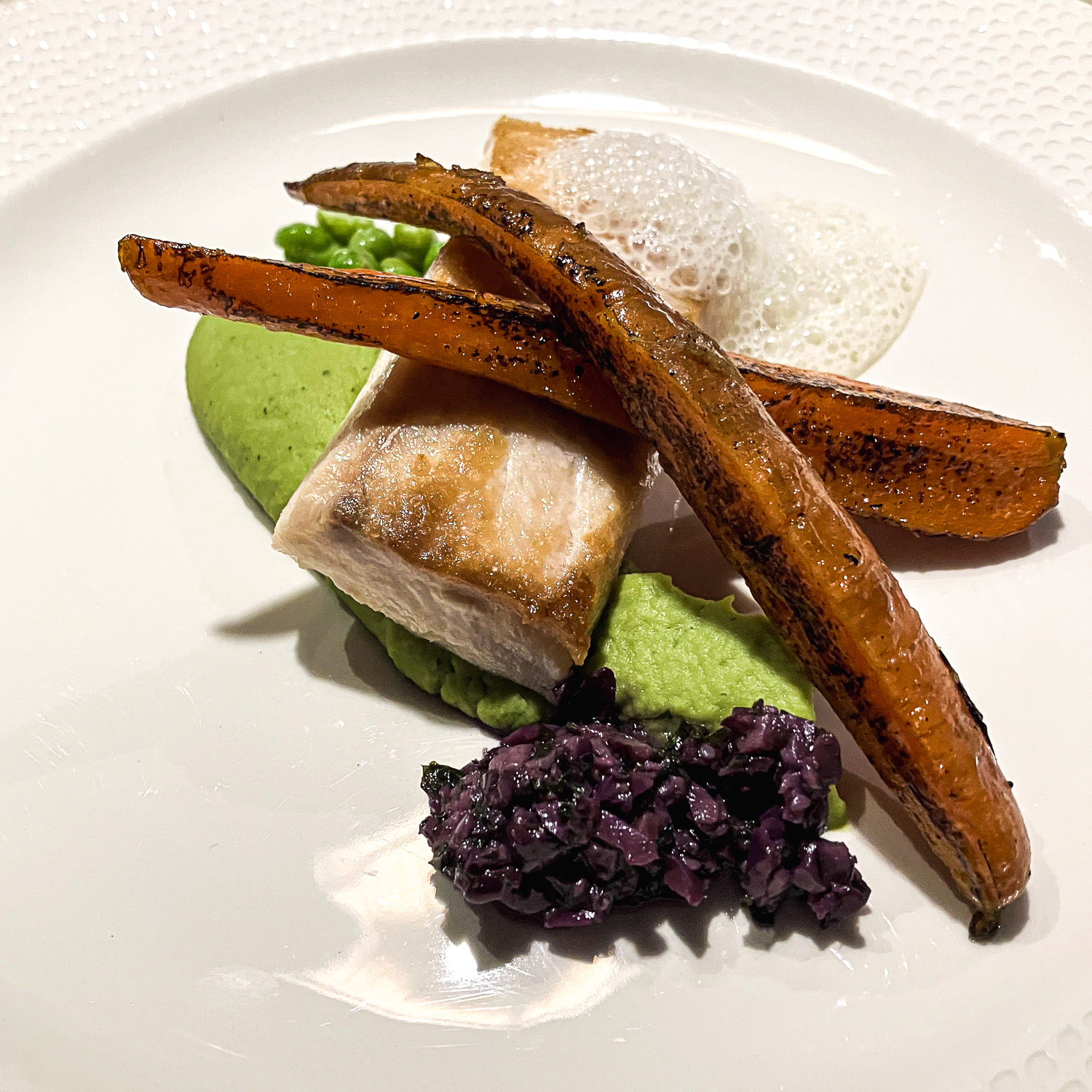
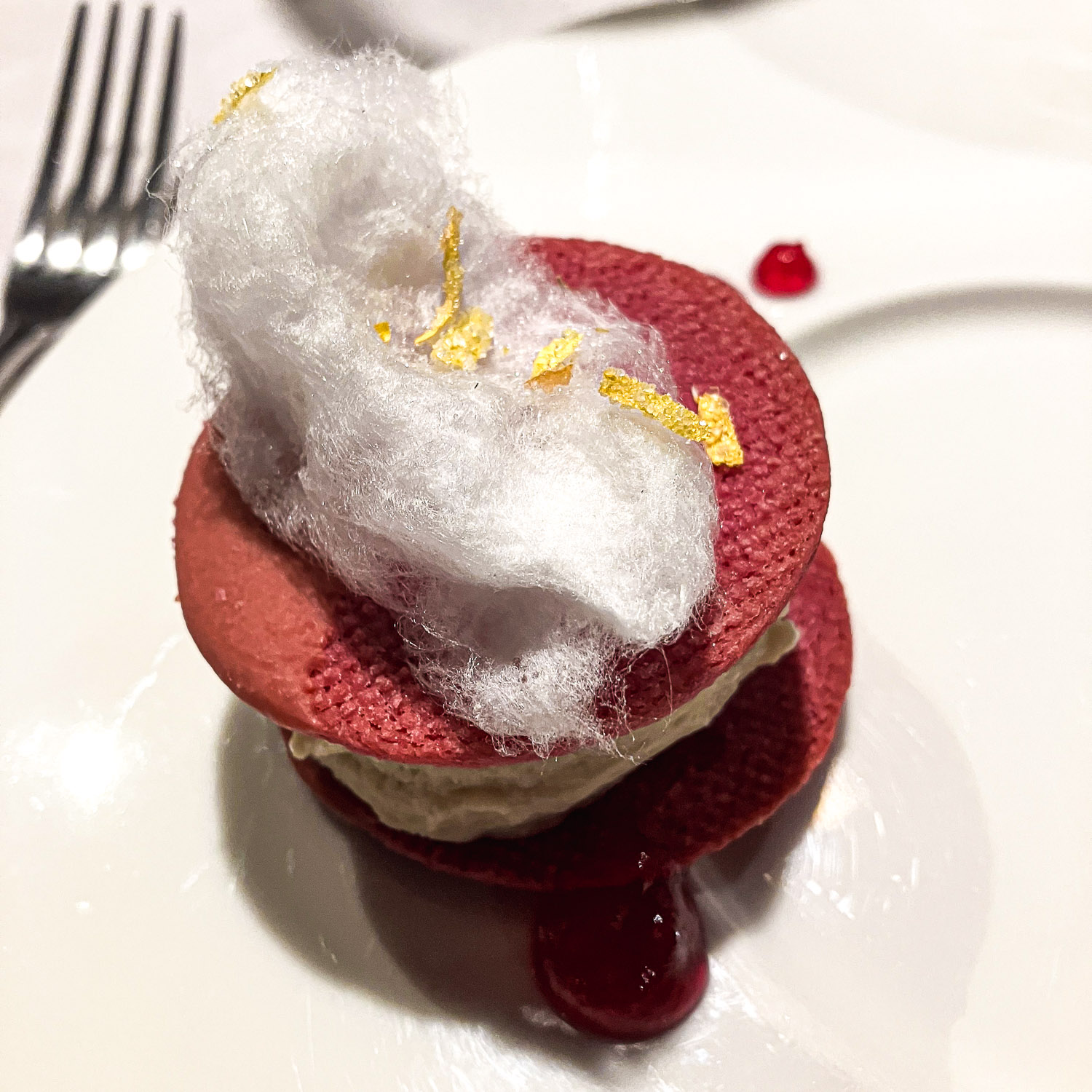
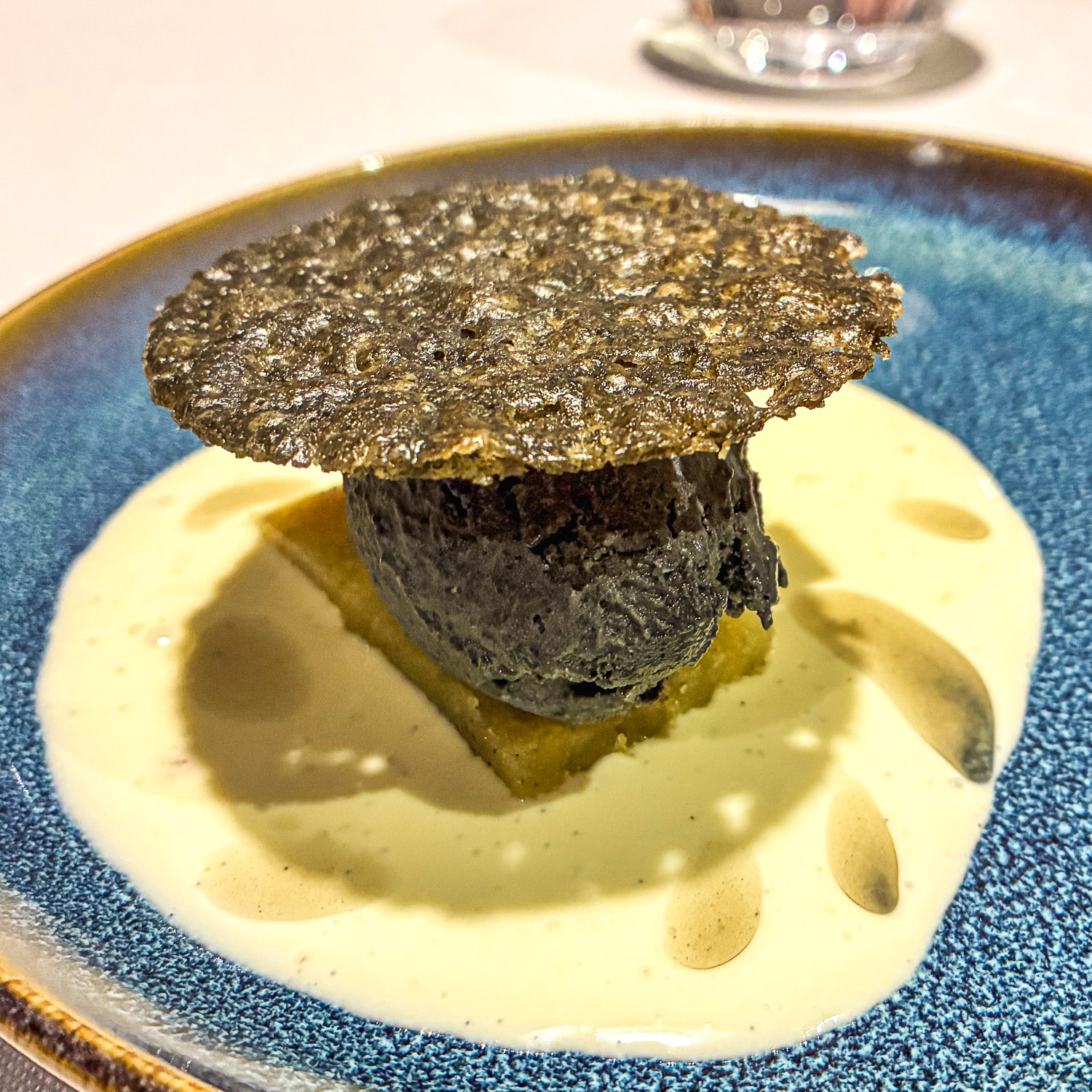
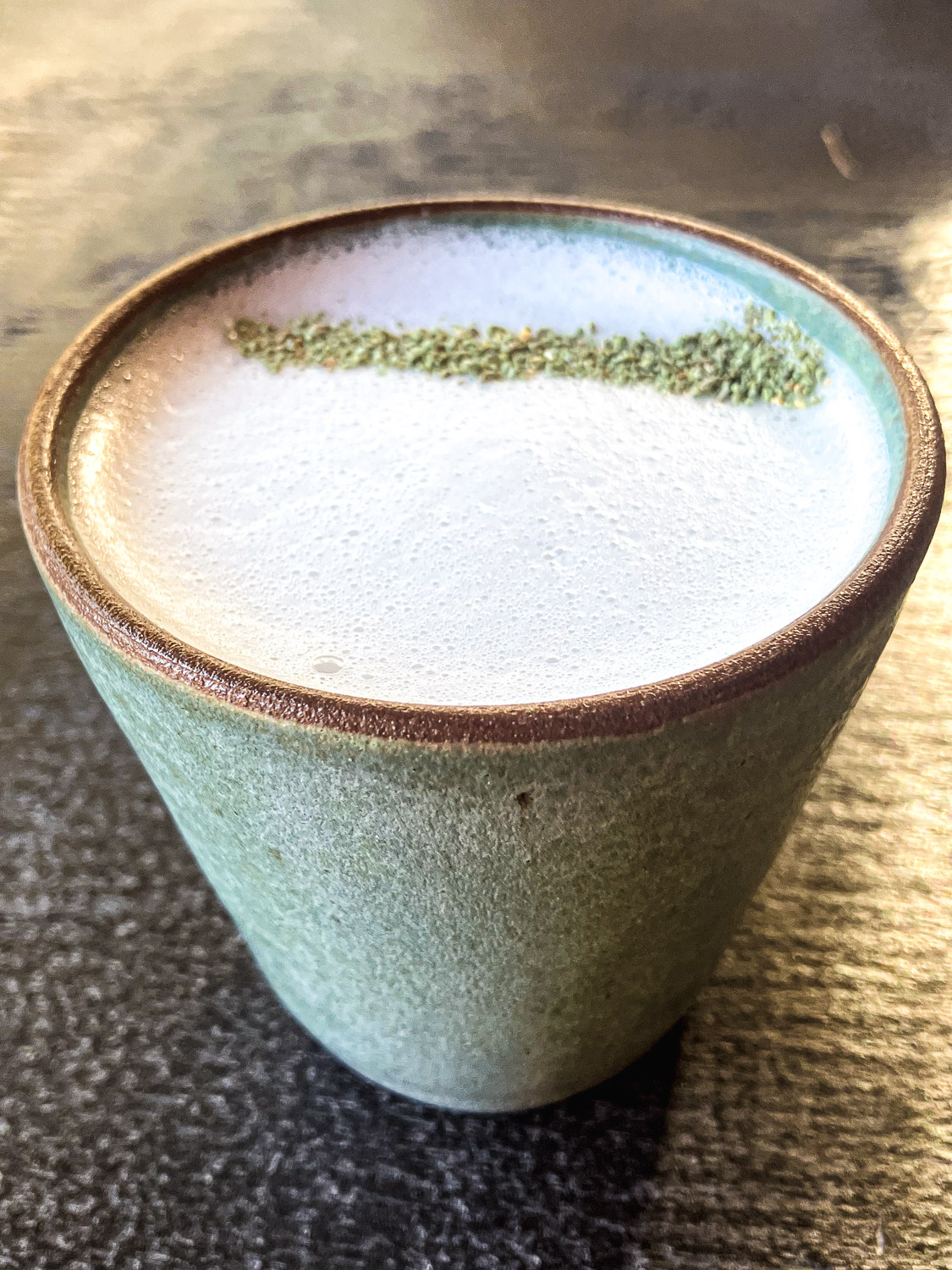
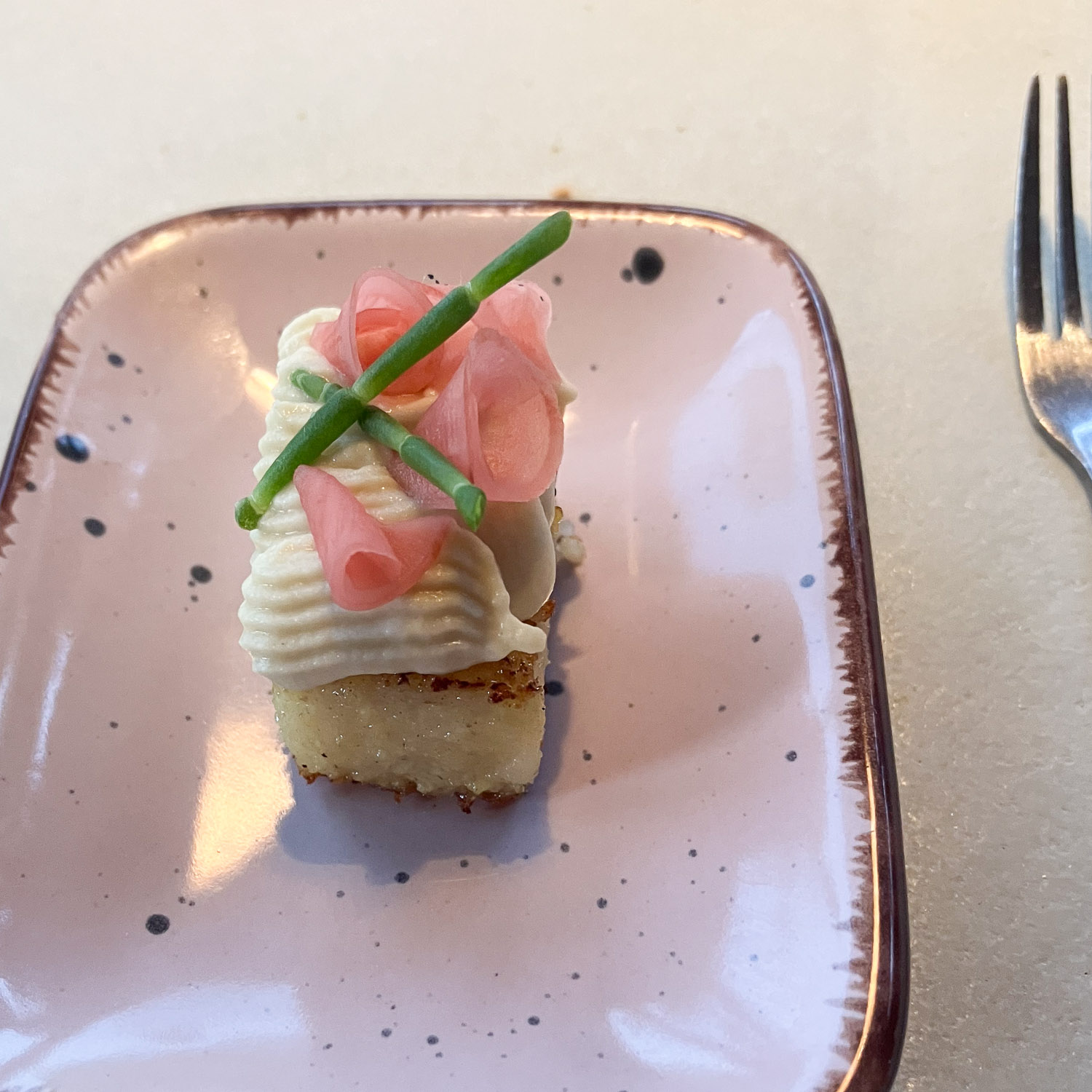
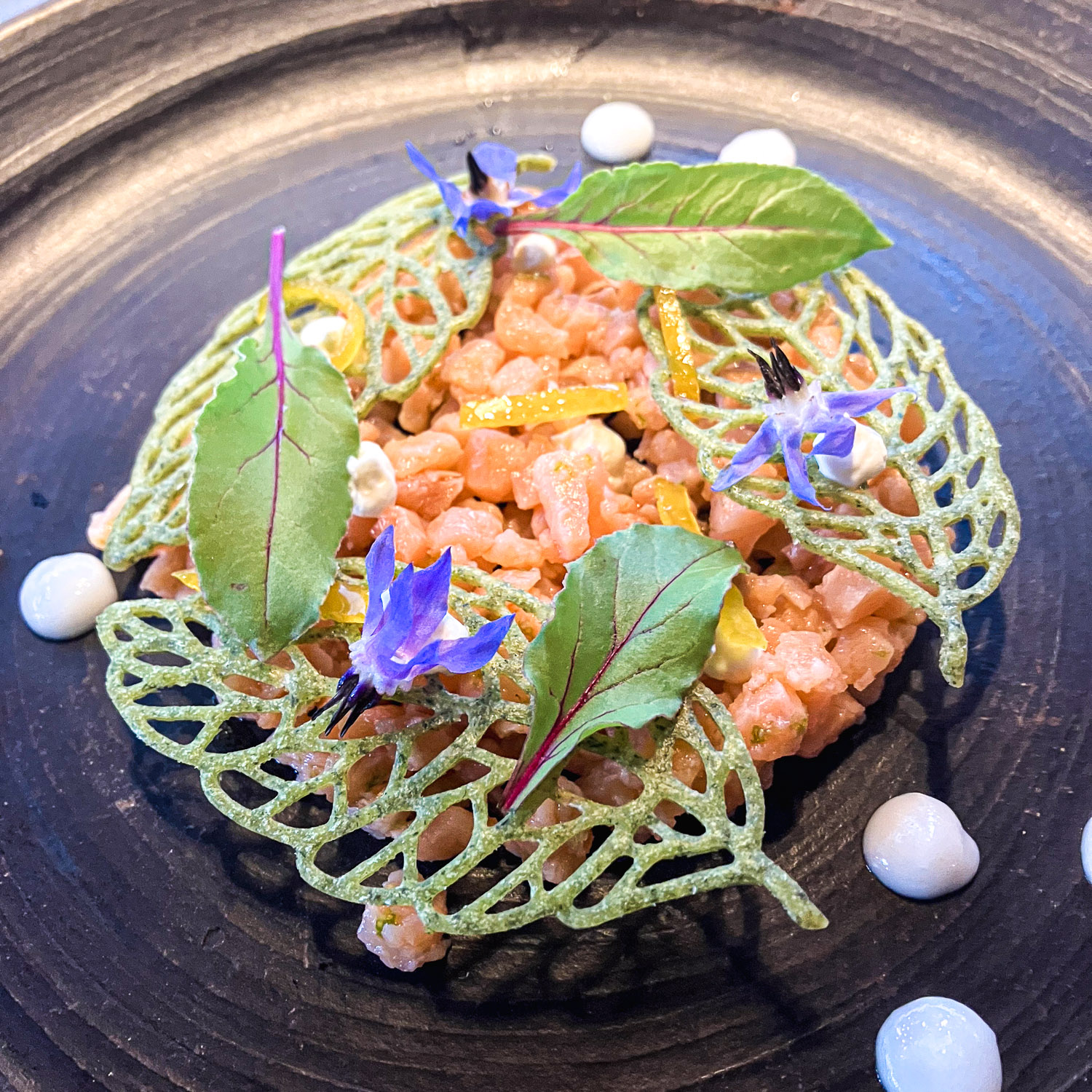
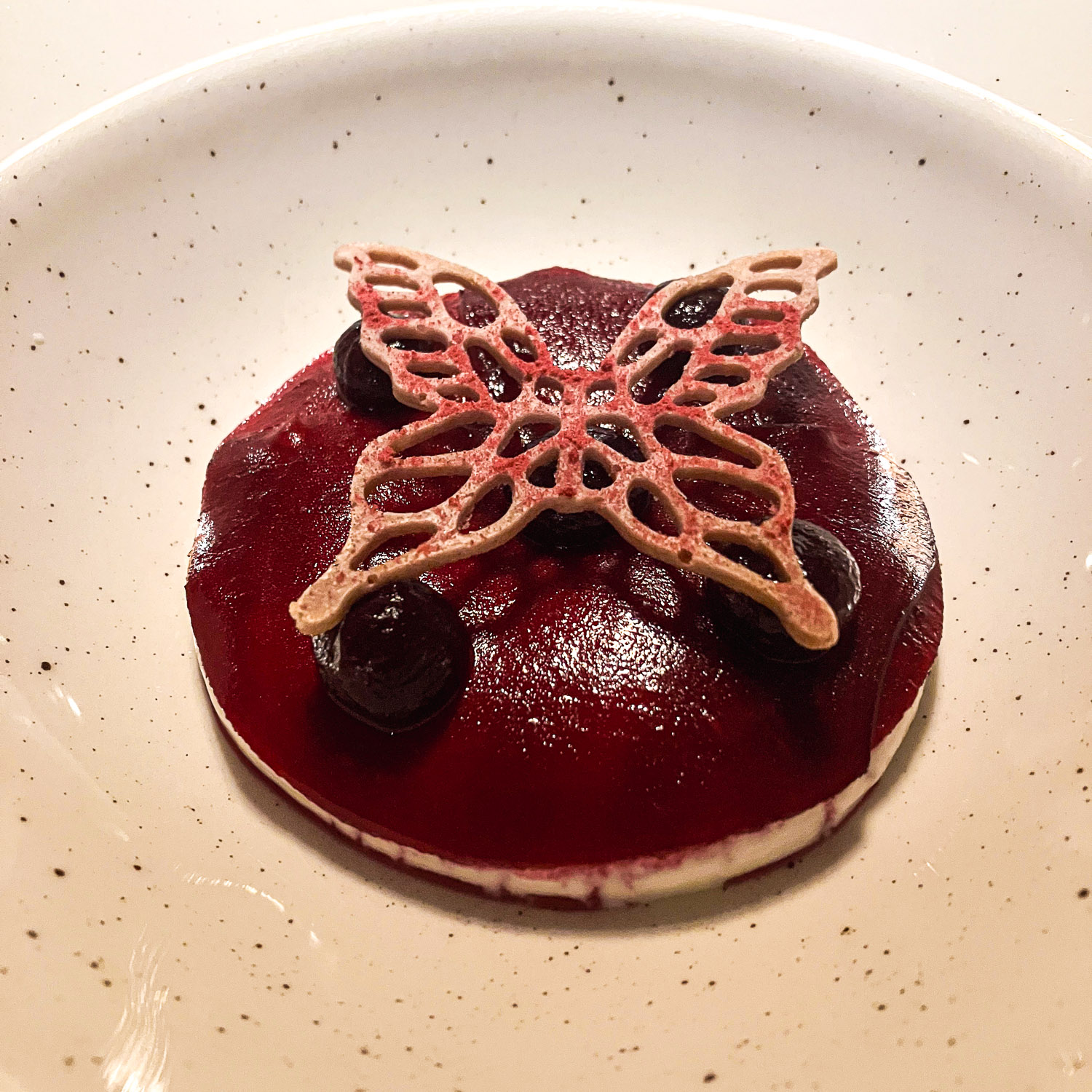
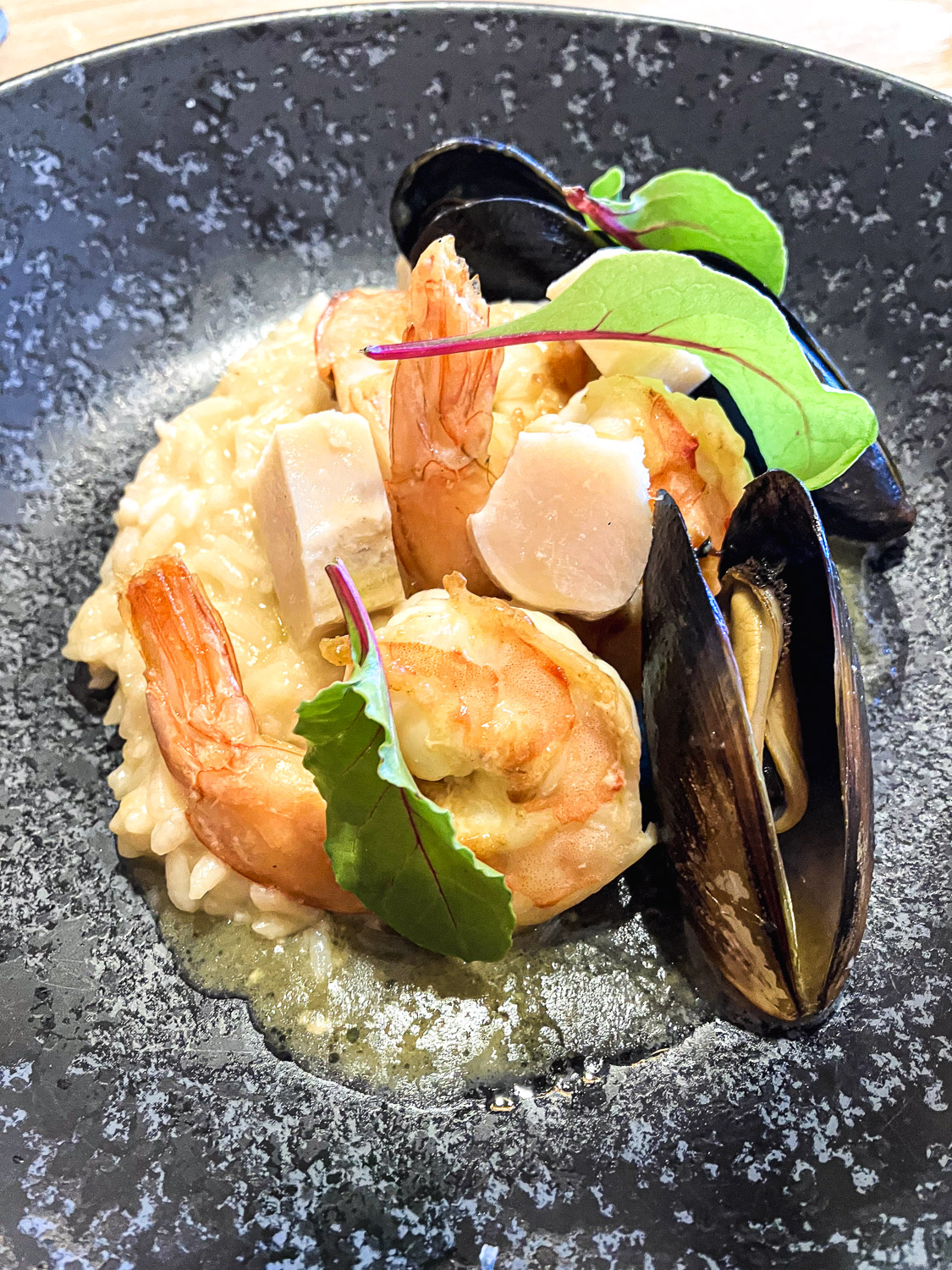
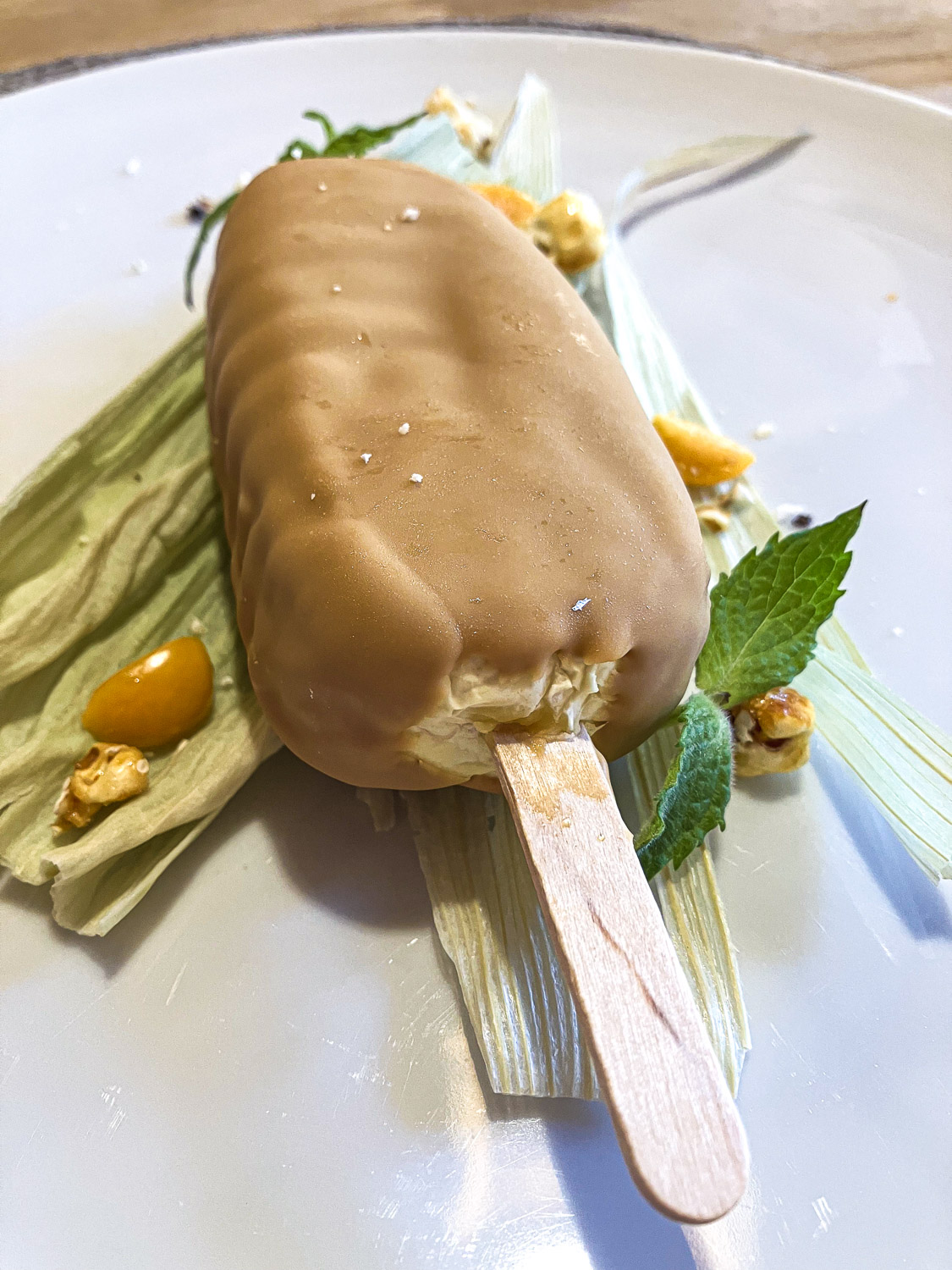
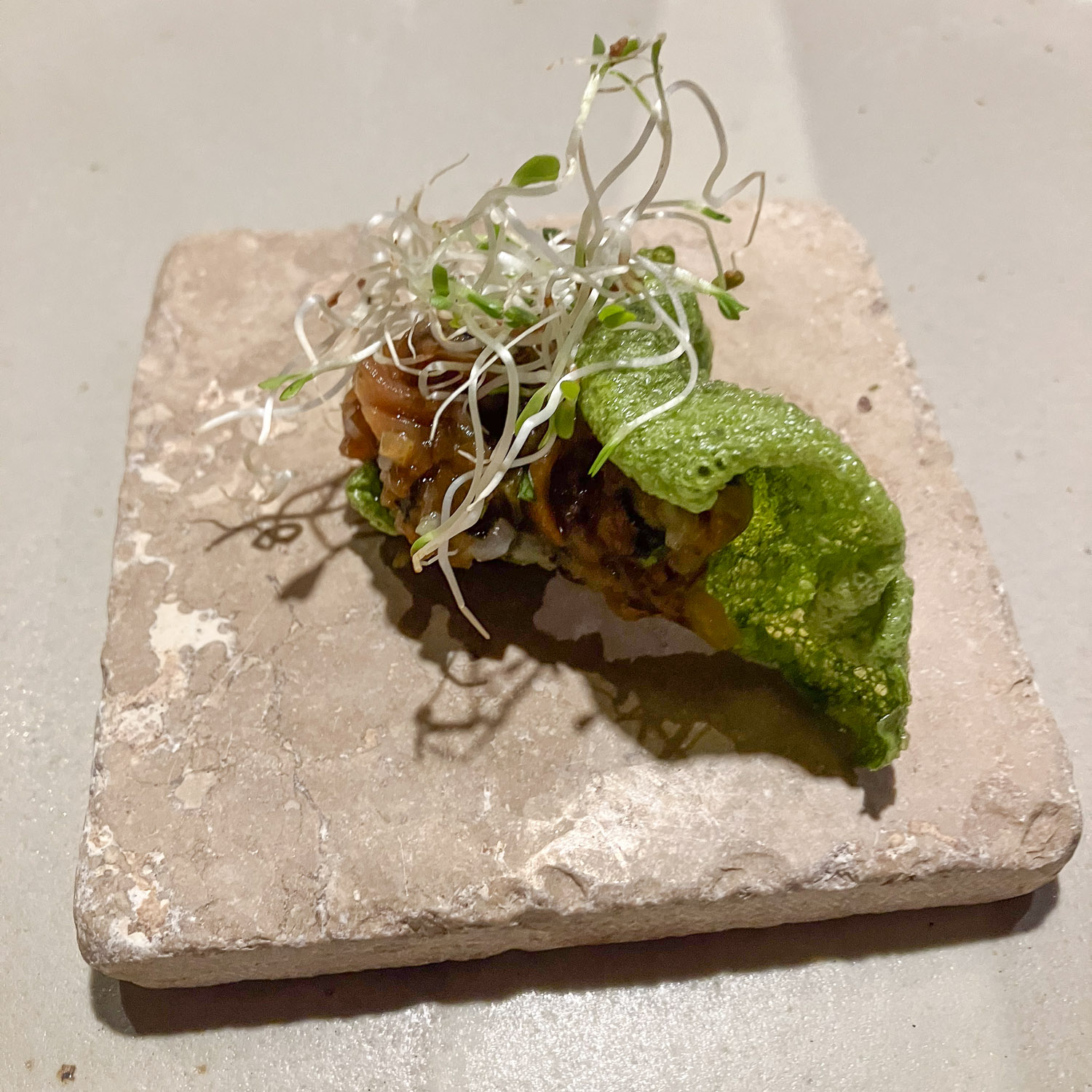
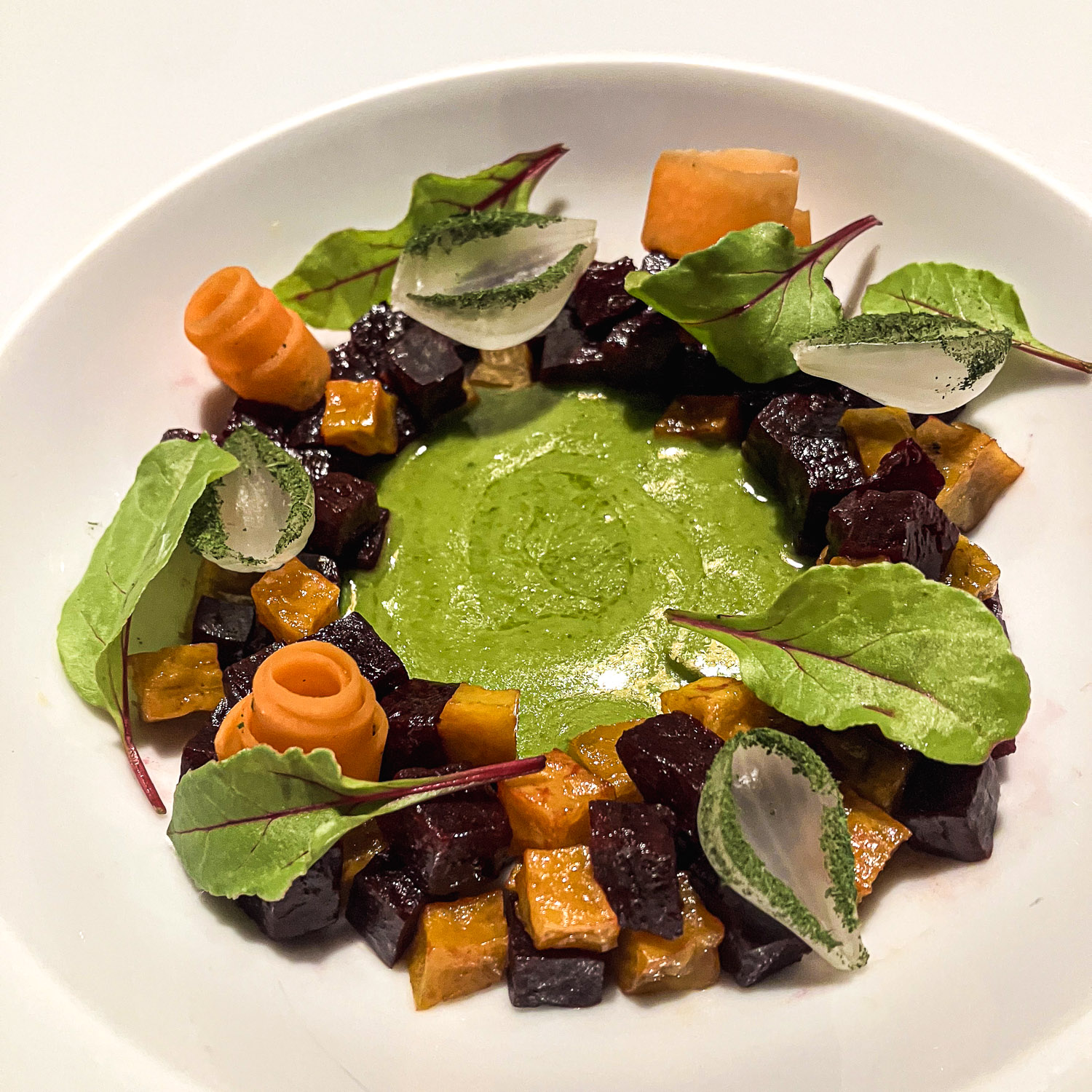
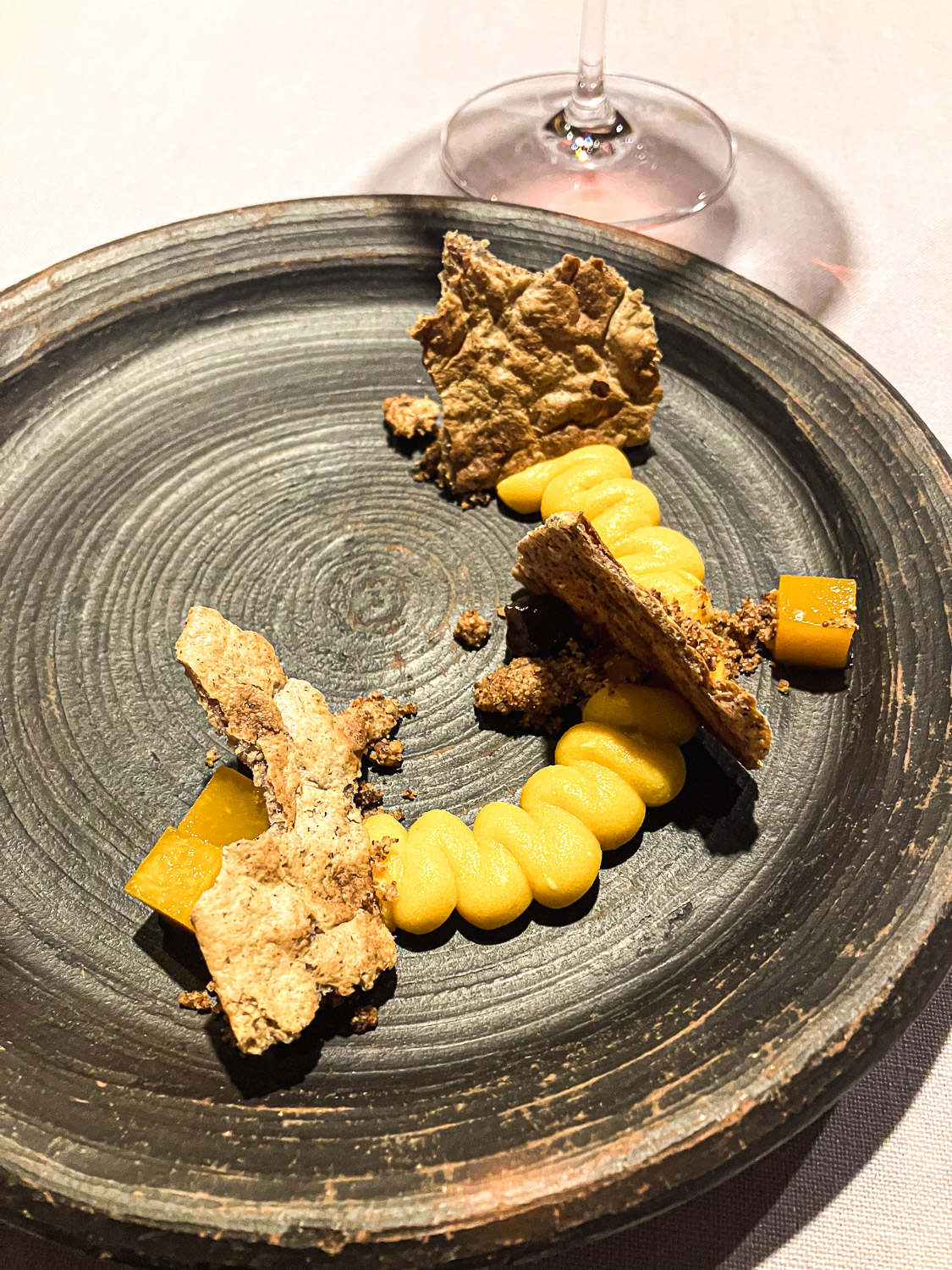
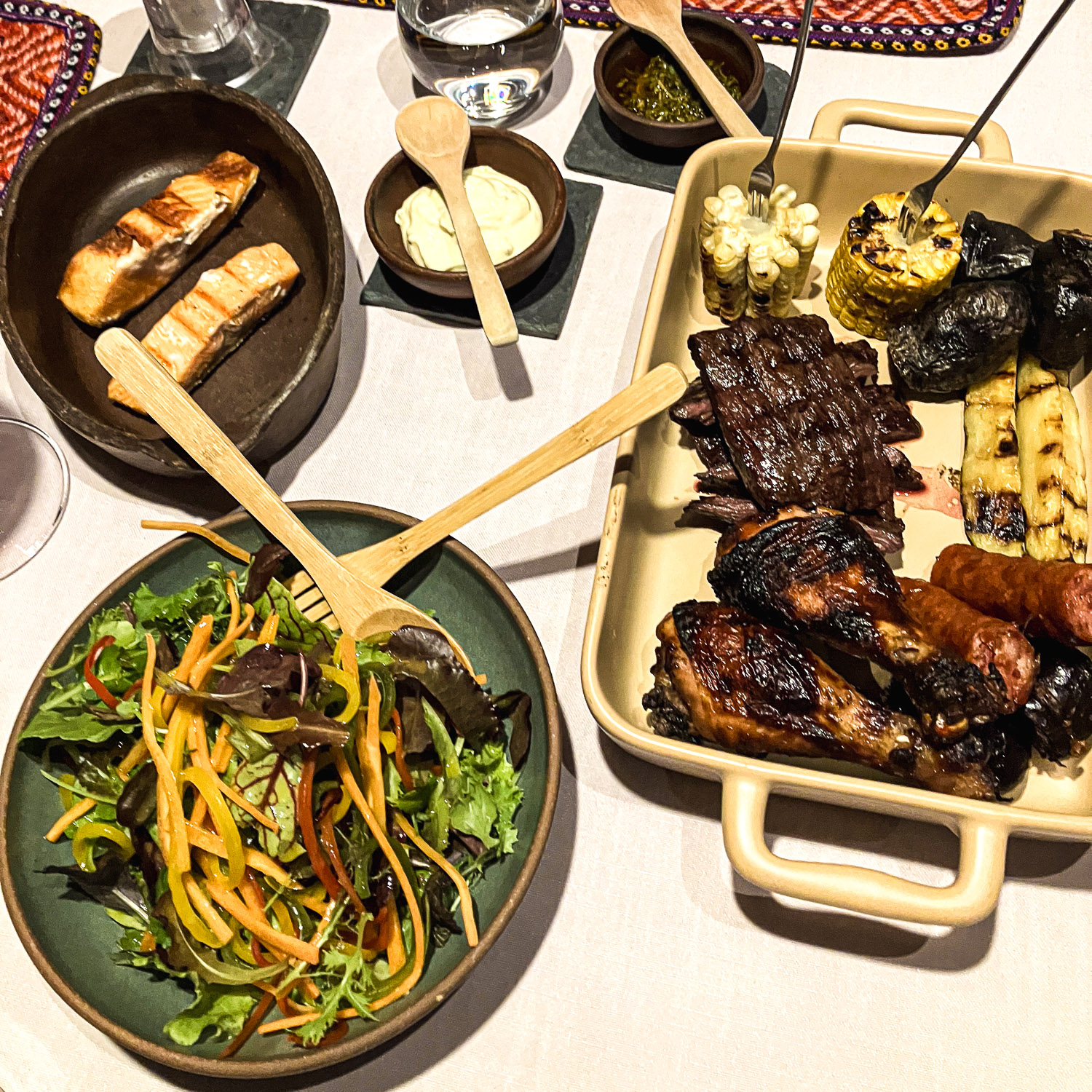
We didn’t go to Awasi just to eat well, but…


 Peregrinamur