Arica
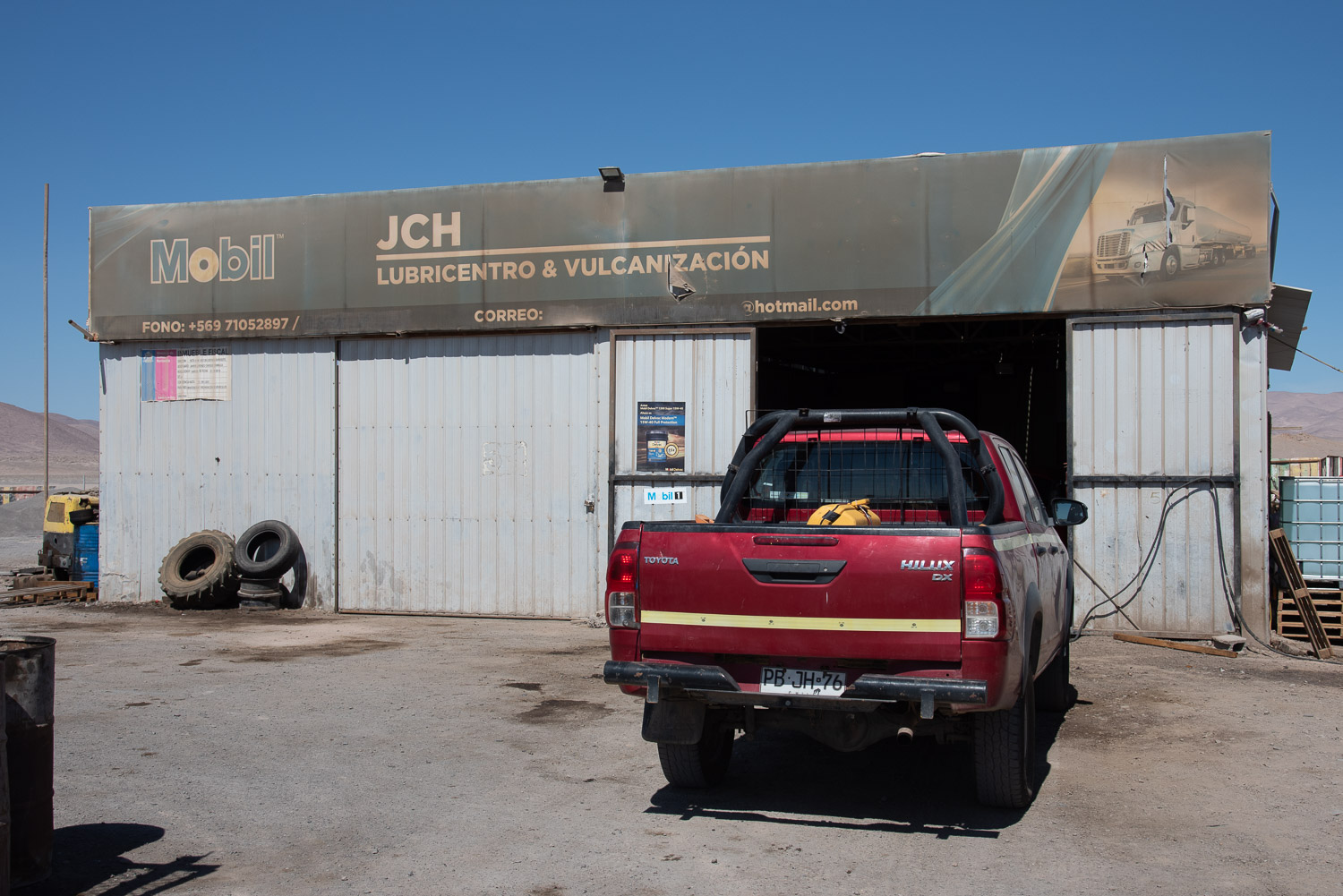
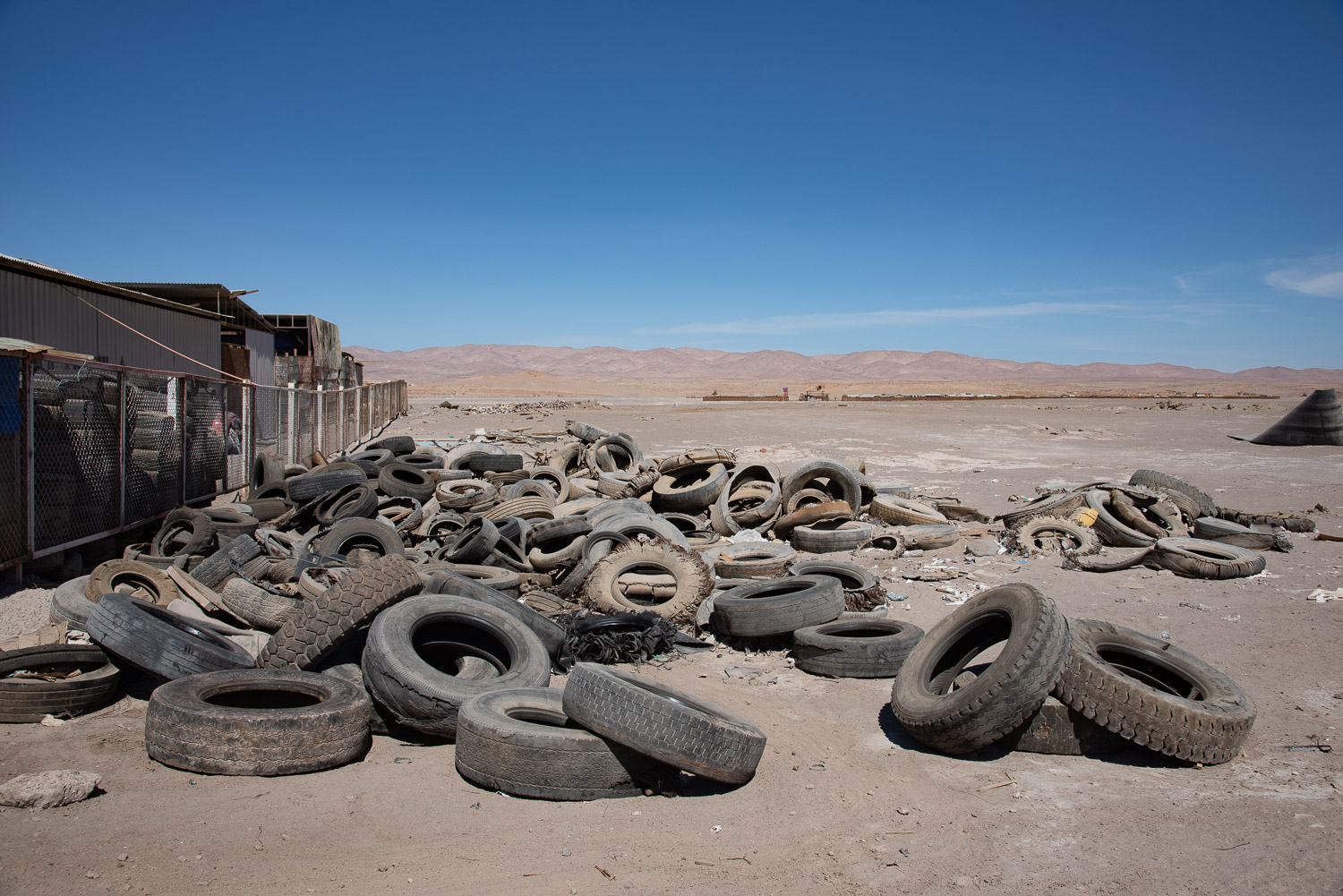
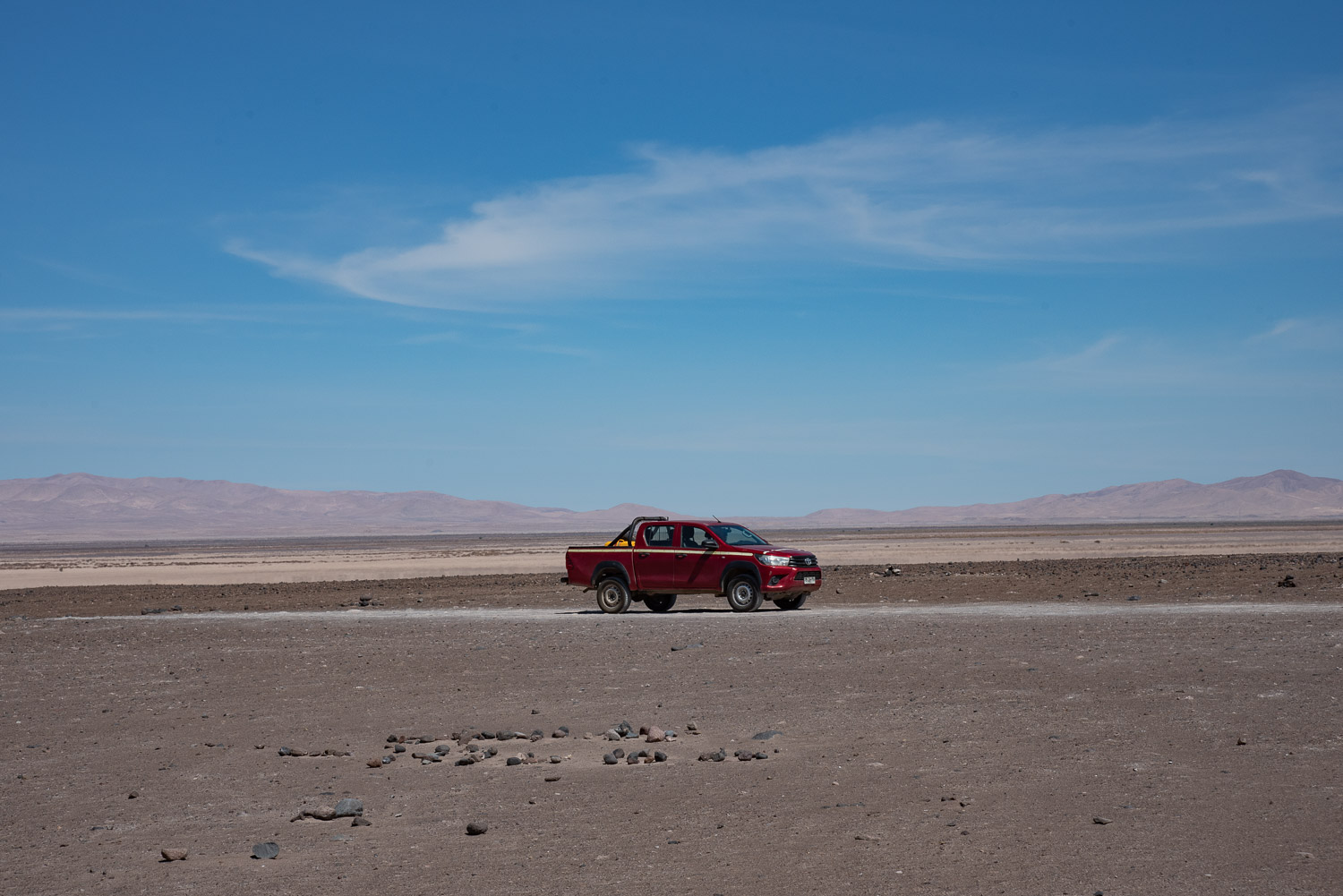
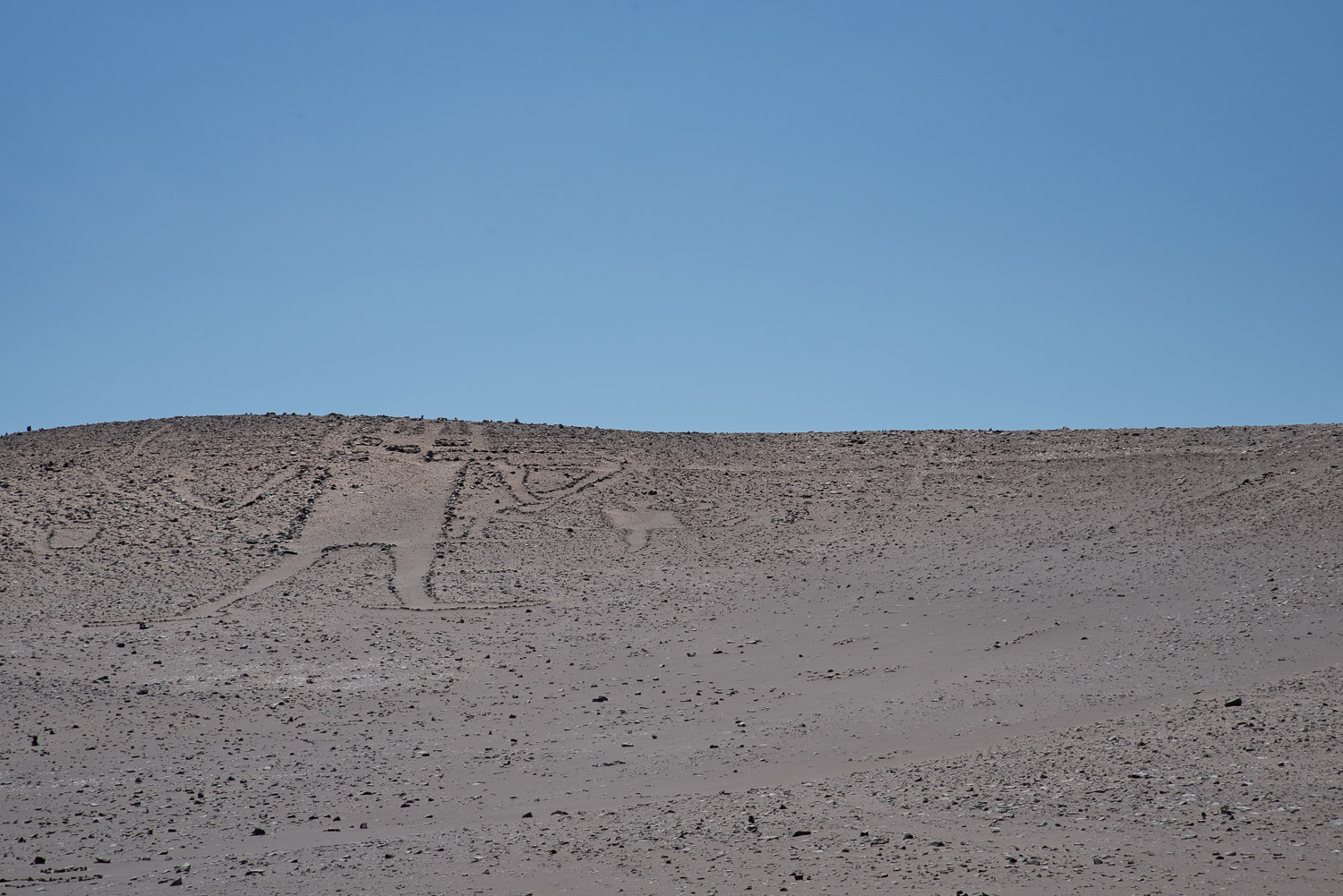
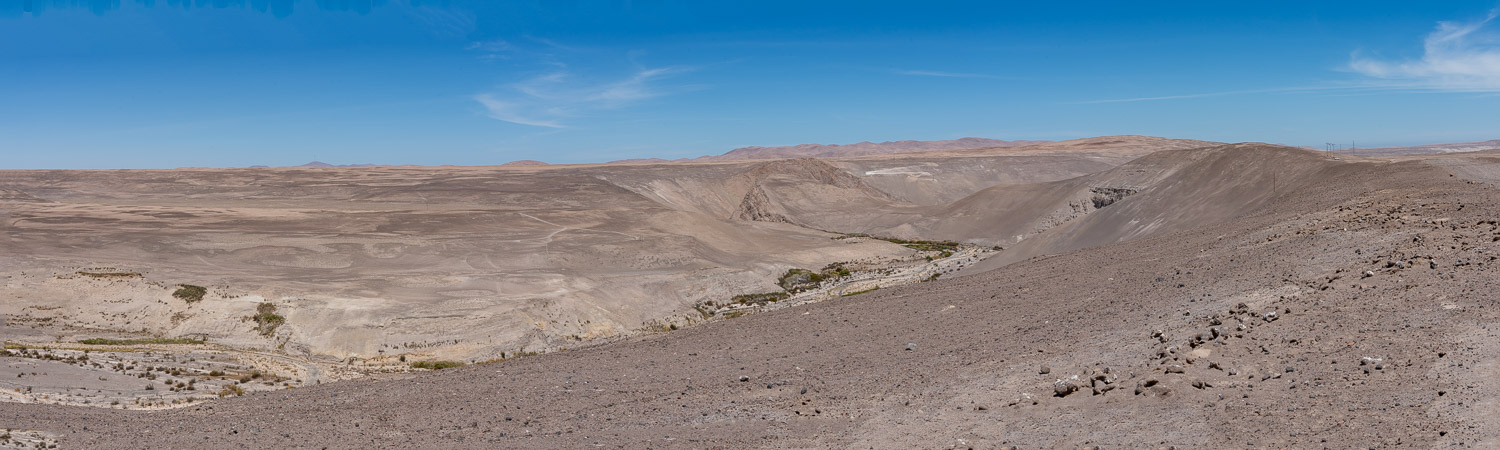
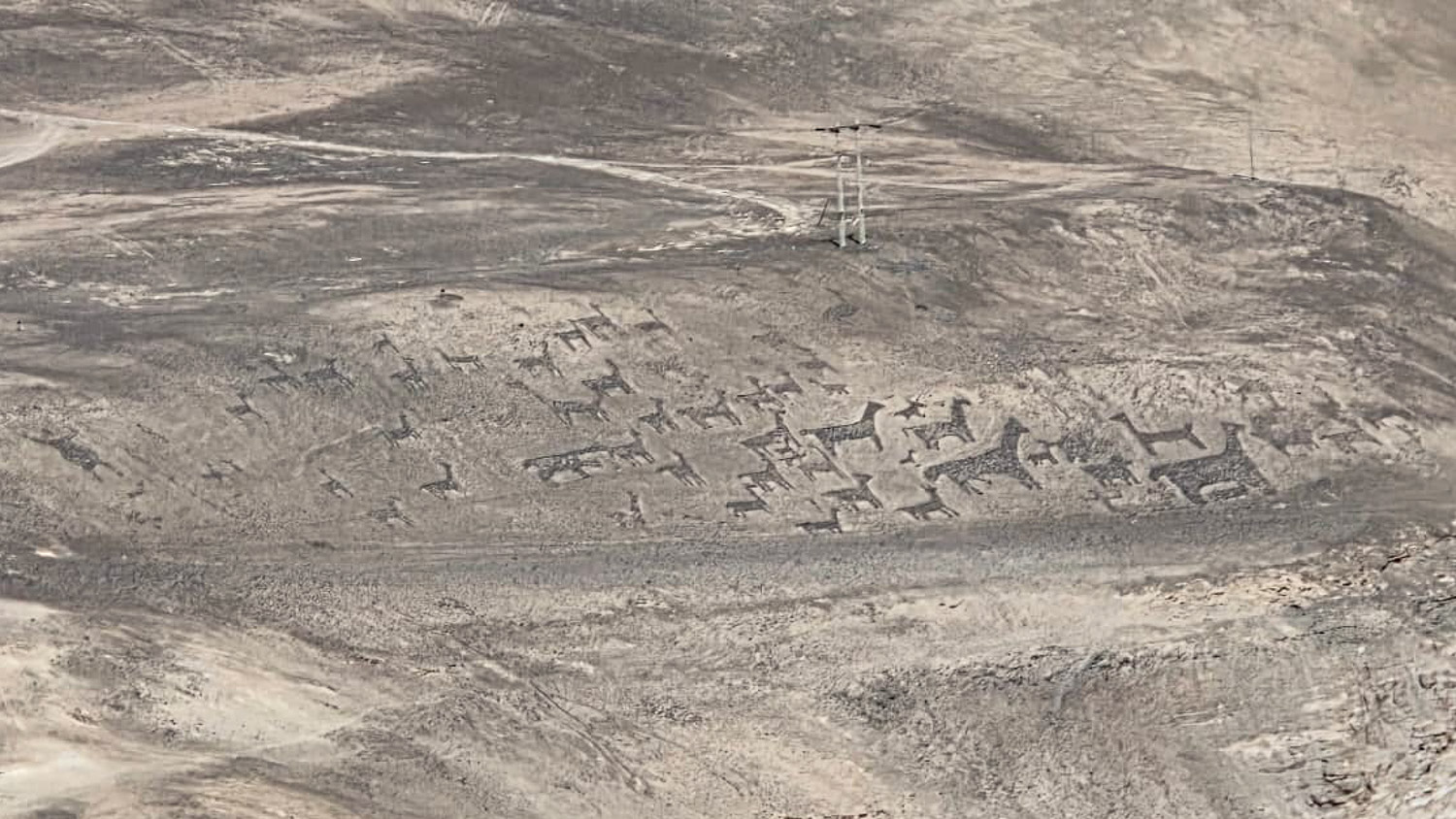
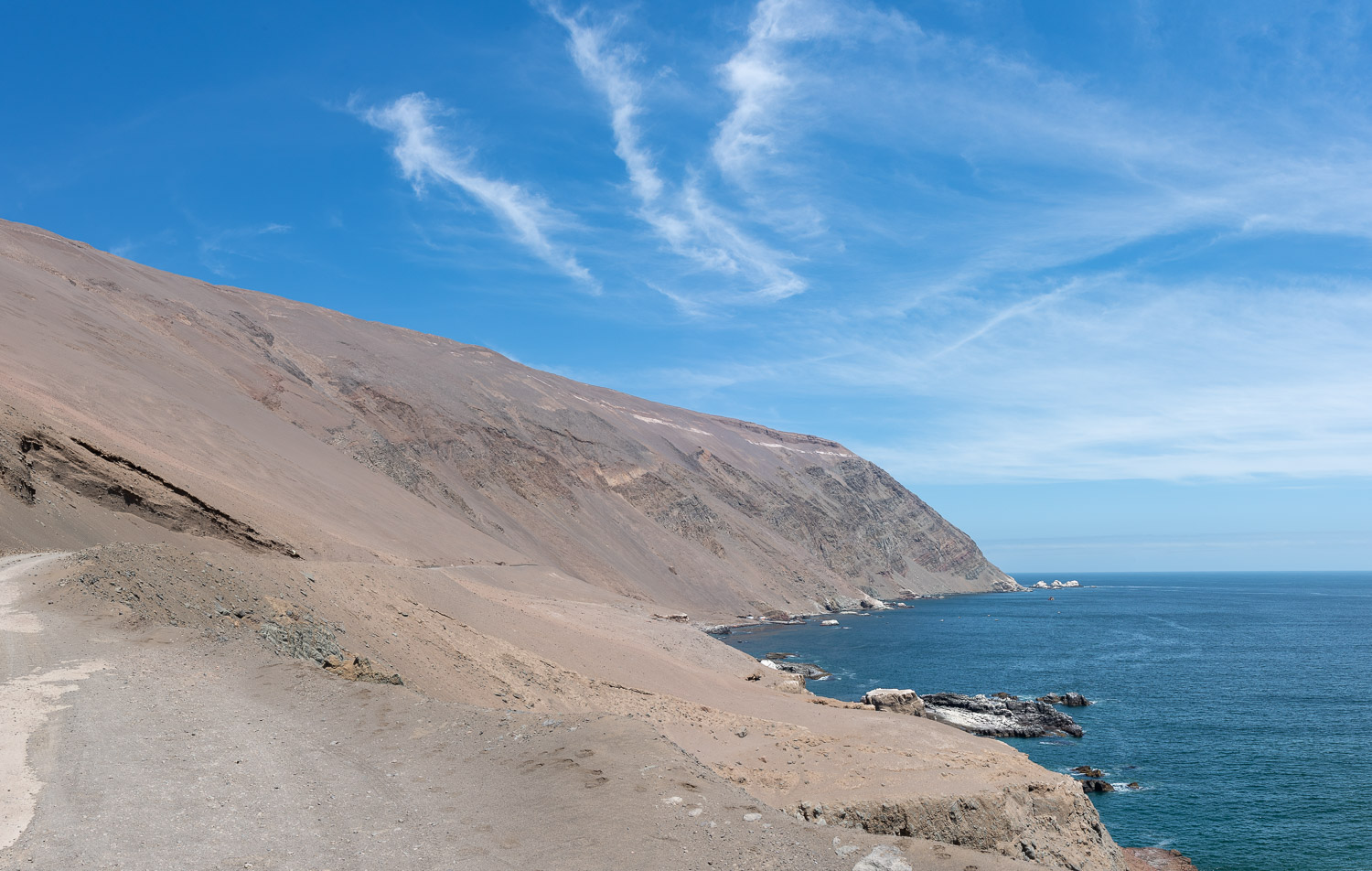
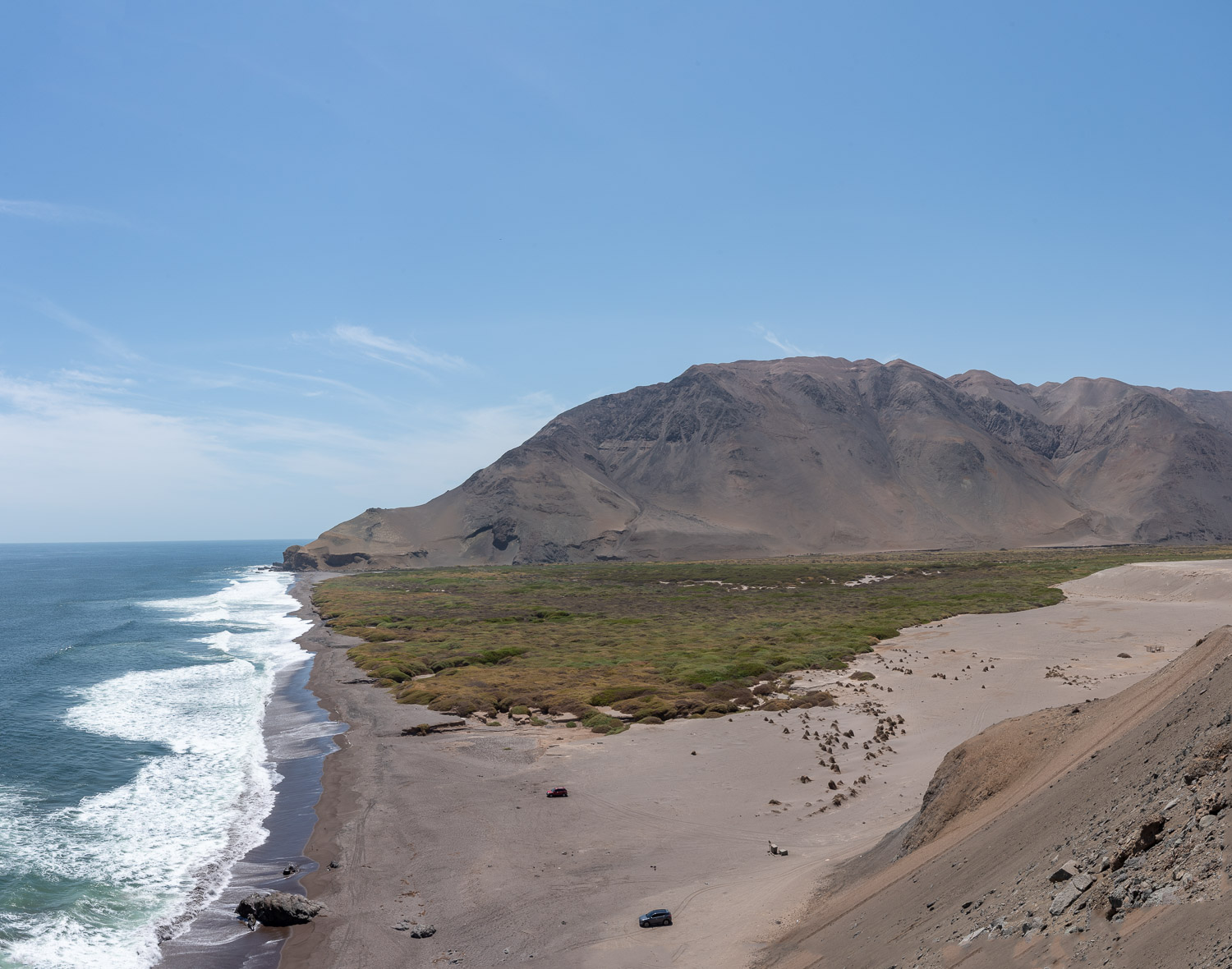
The drive from Iqueque up to Arica by the Peruvian border took almost as long as the drive from three days earlier from San Pedro to Atacama. Lots of wide spaces and some wrecked cars in the desert – and the occasional geoglyph.


The picture to the right below is the Tarapaca Giant.
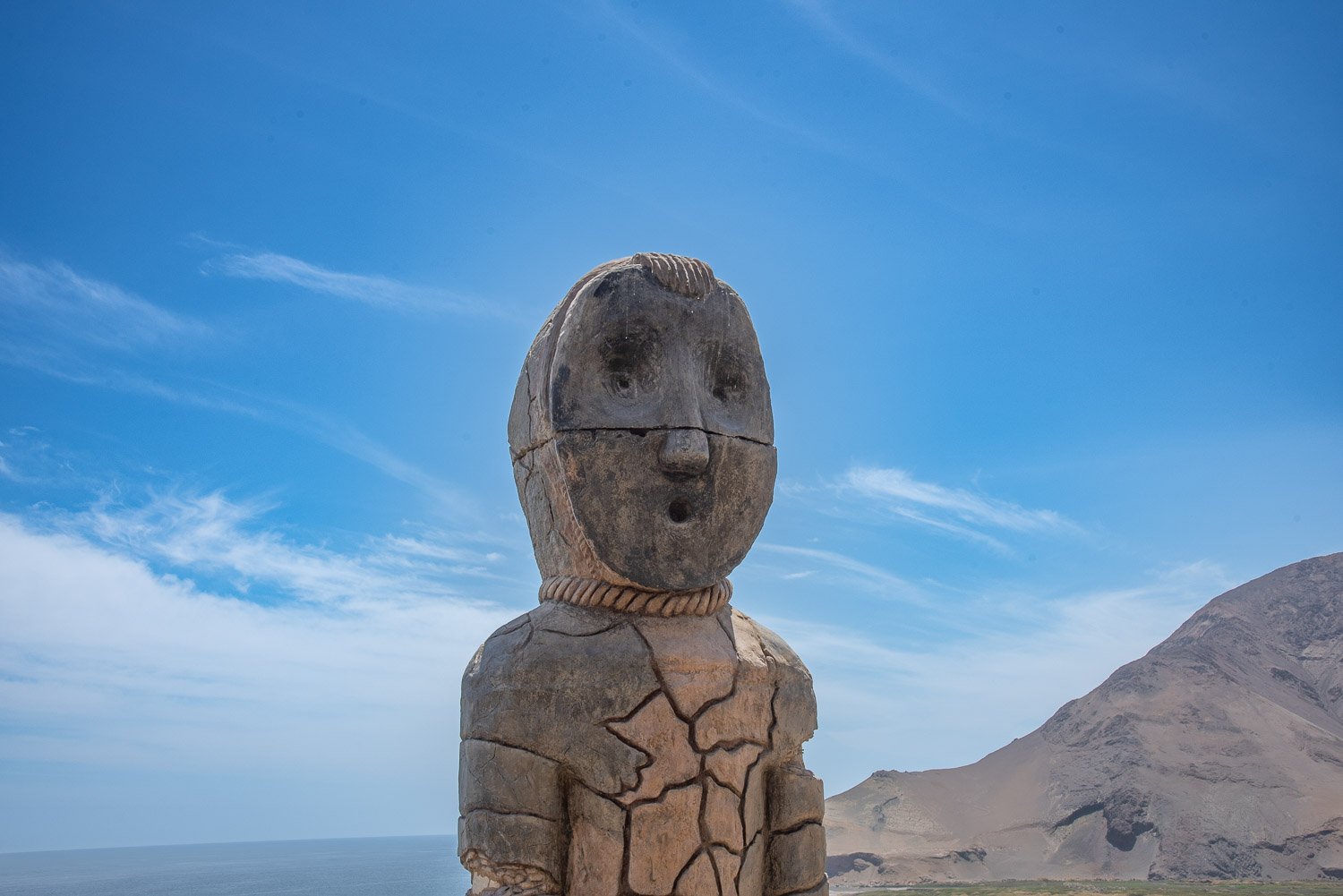
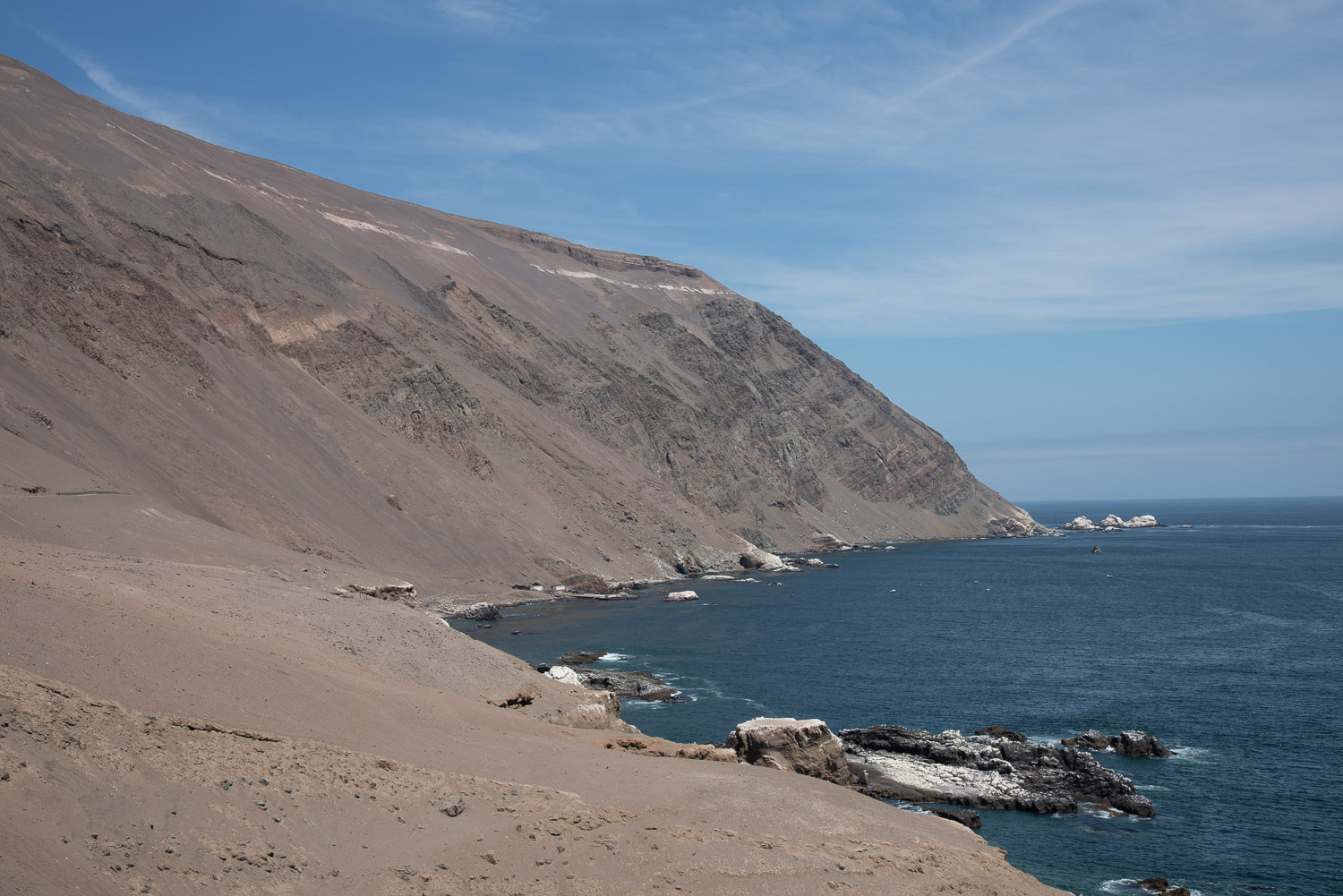
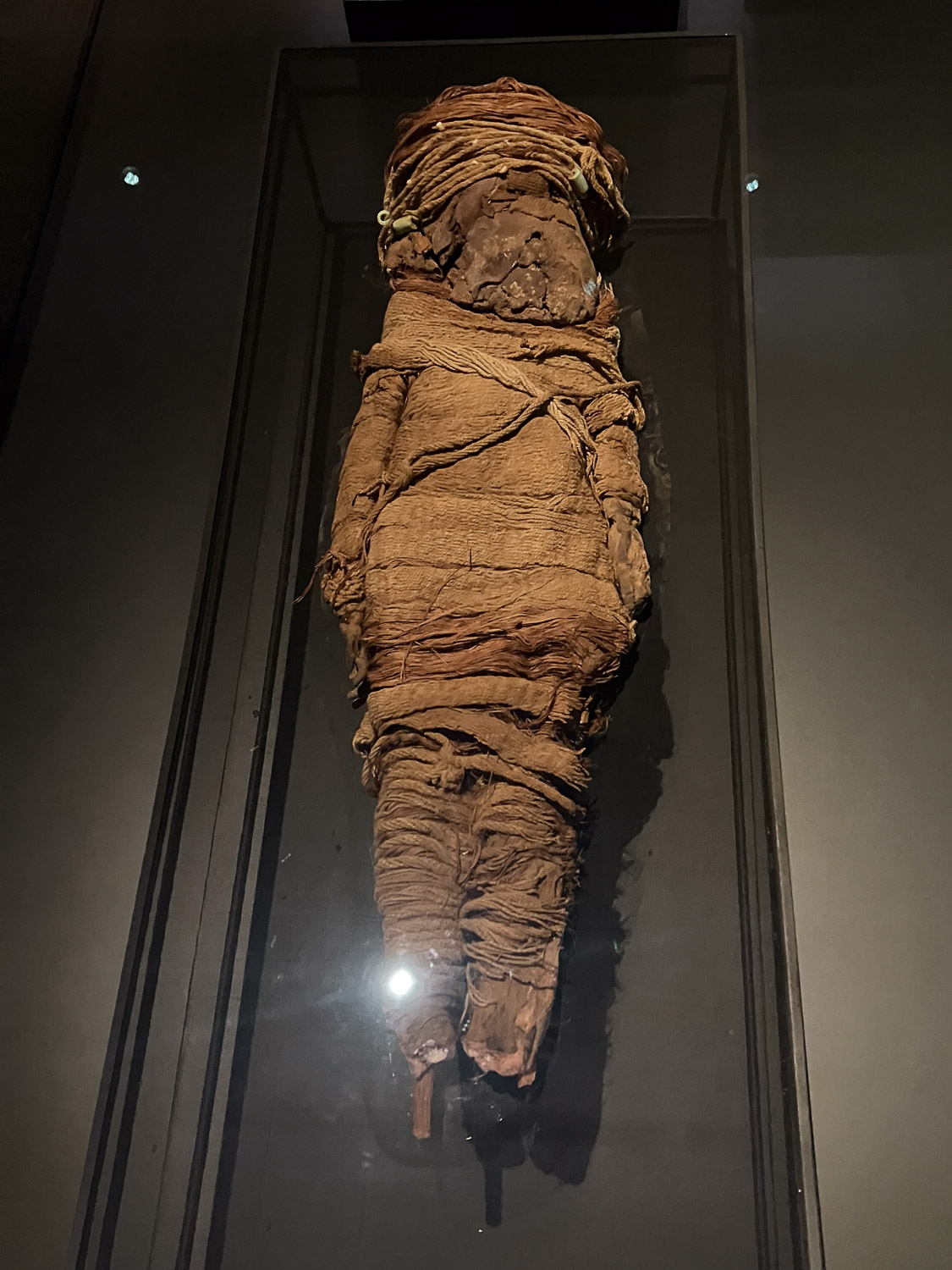
Just south of Arica, we stopped at Caleta Camarones, where the Camarones River meets the Pacific. This remote fishing village is regarded as the cradle of Chinchorro culture – commemorated in this monumental sculpture. The Chinchorros were a pre-ceramic fishing culture living in this area from ca. 7000-1500 BCE. They are famous for their mummies.
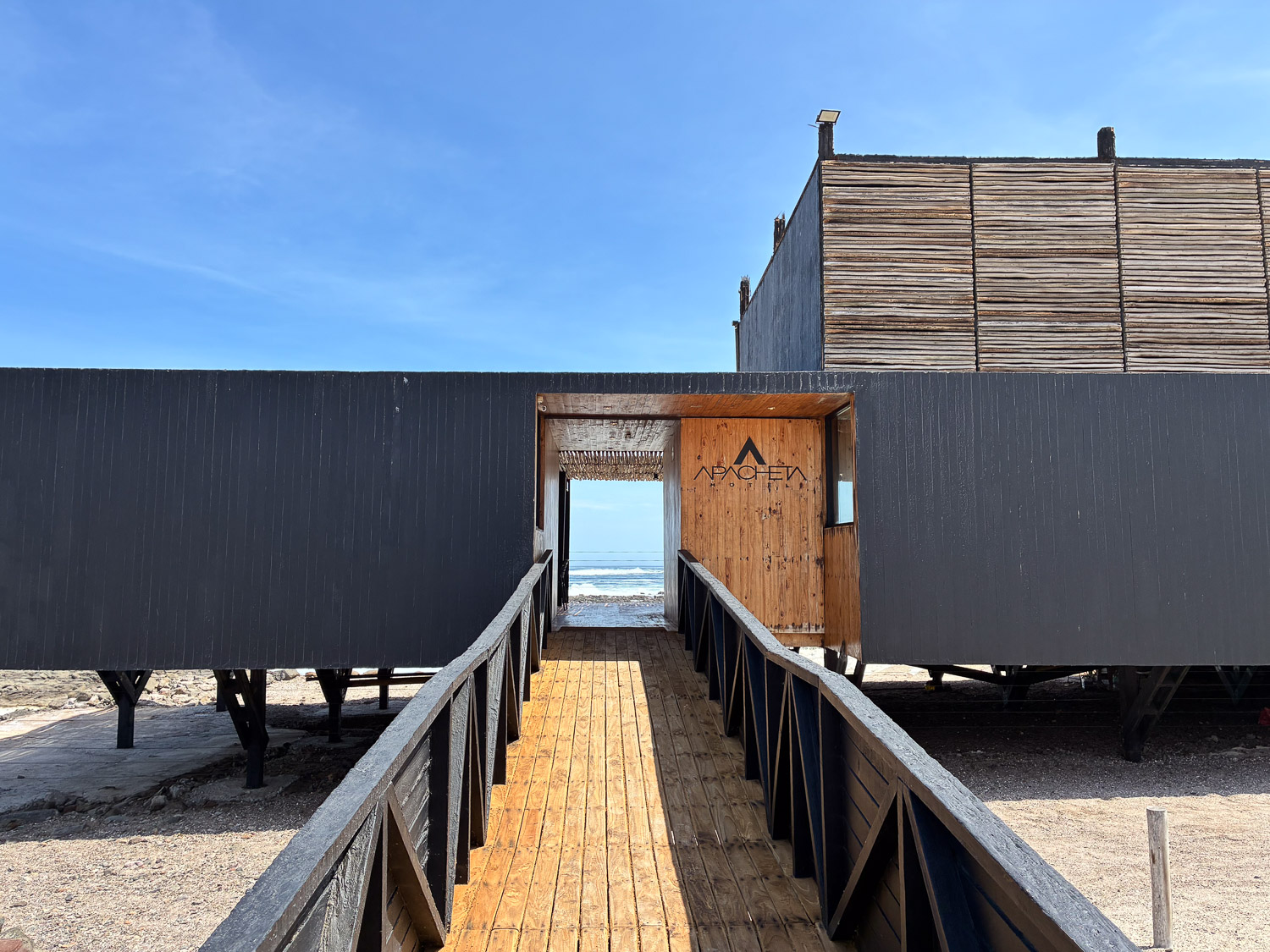
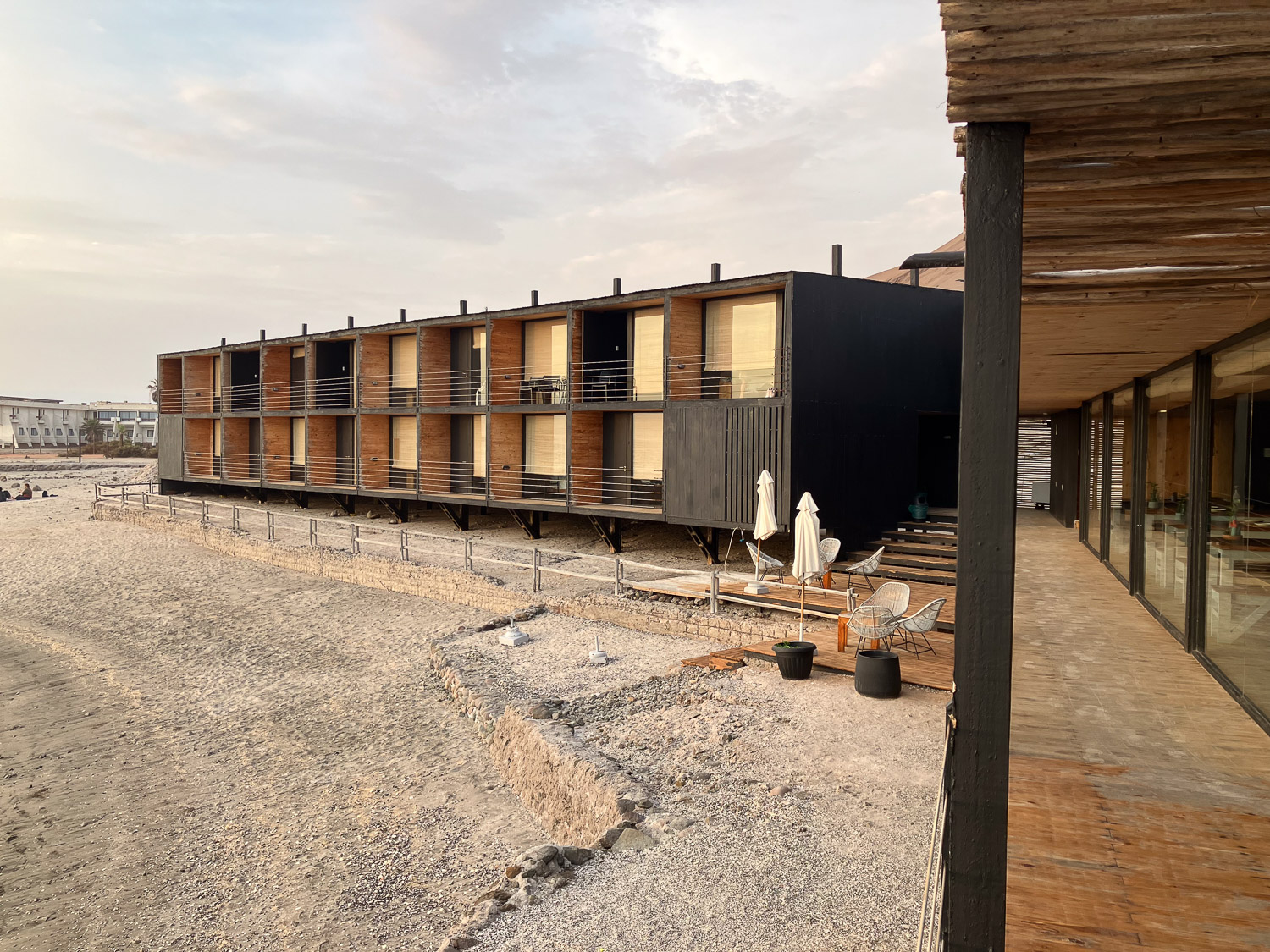
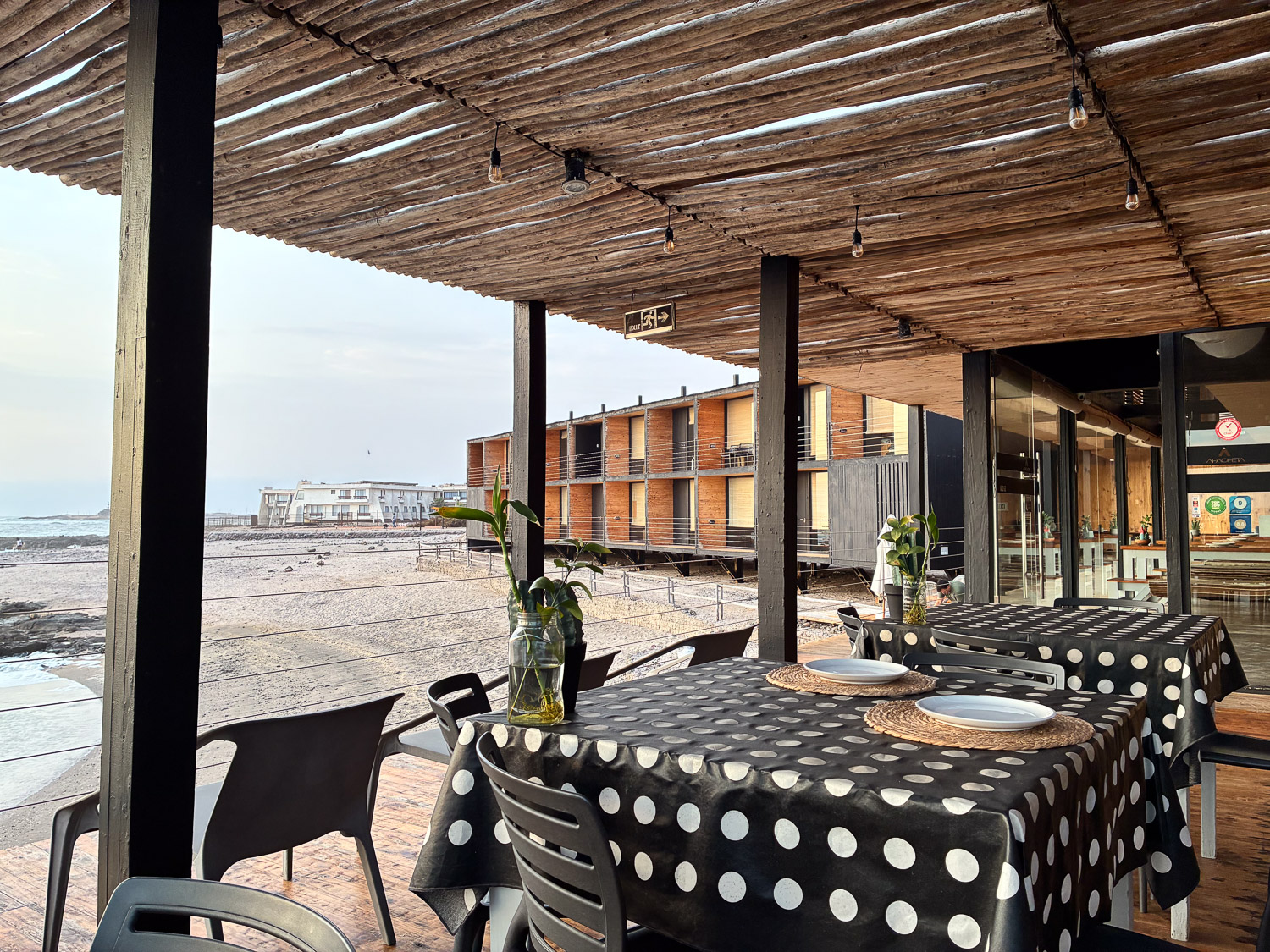
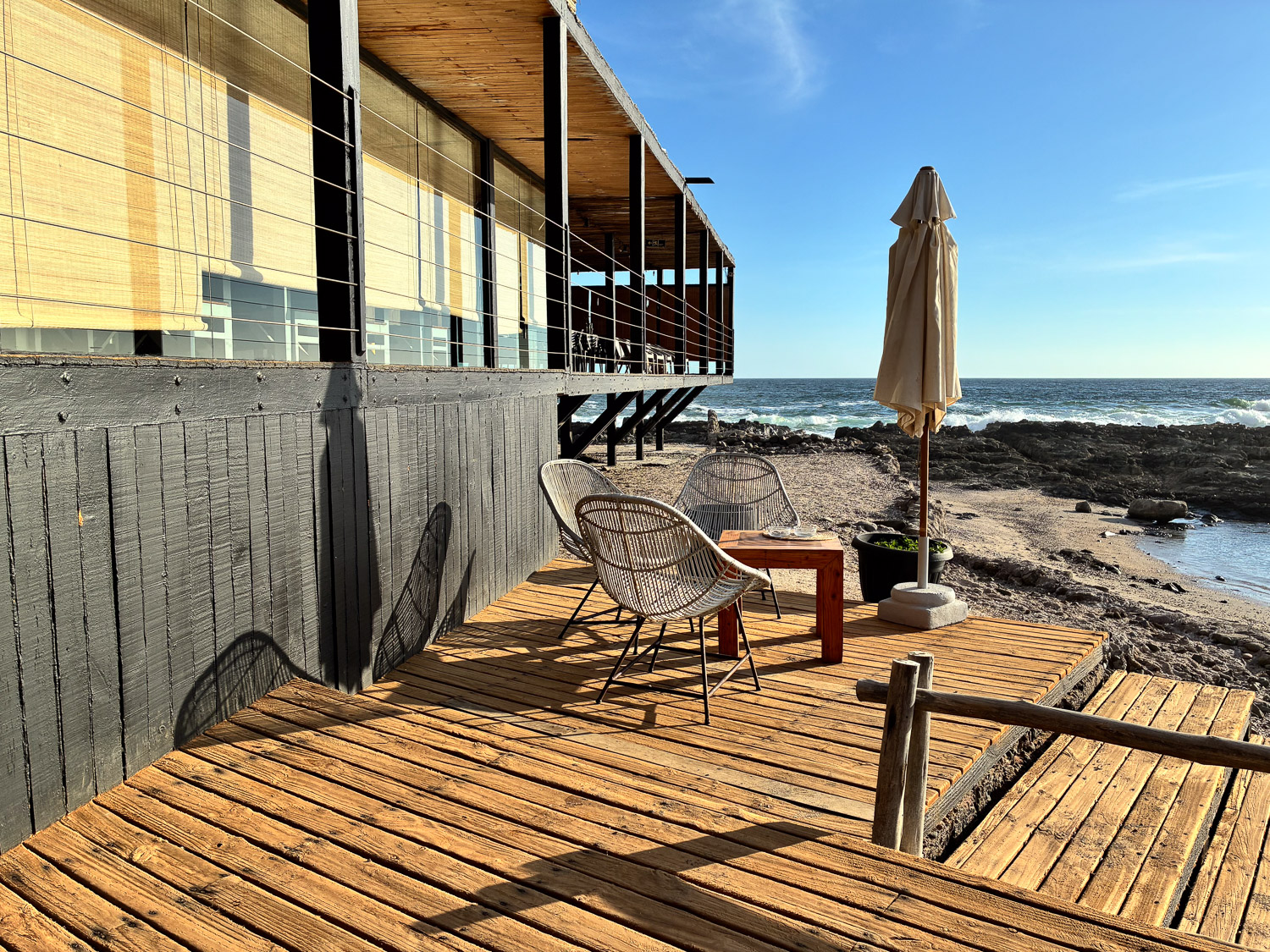
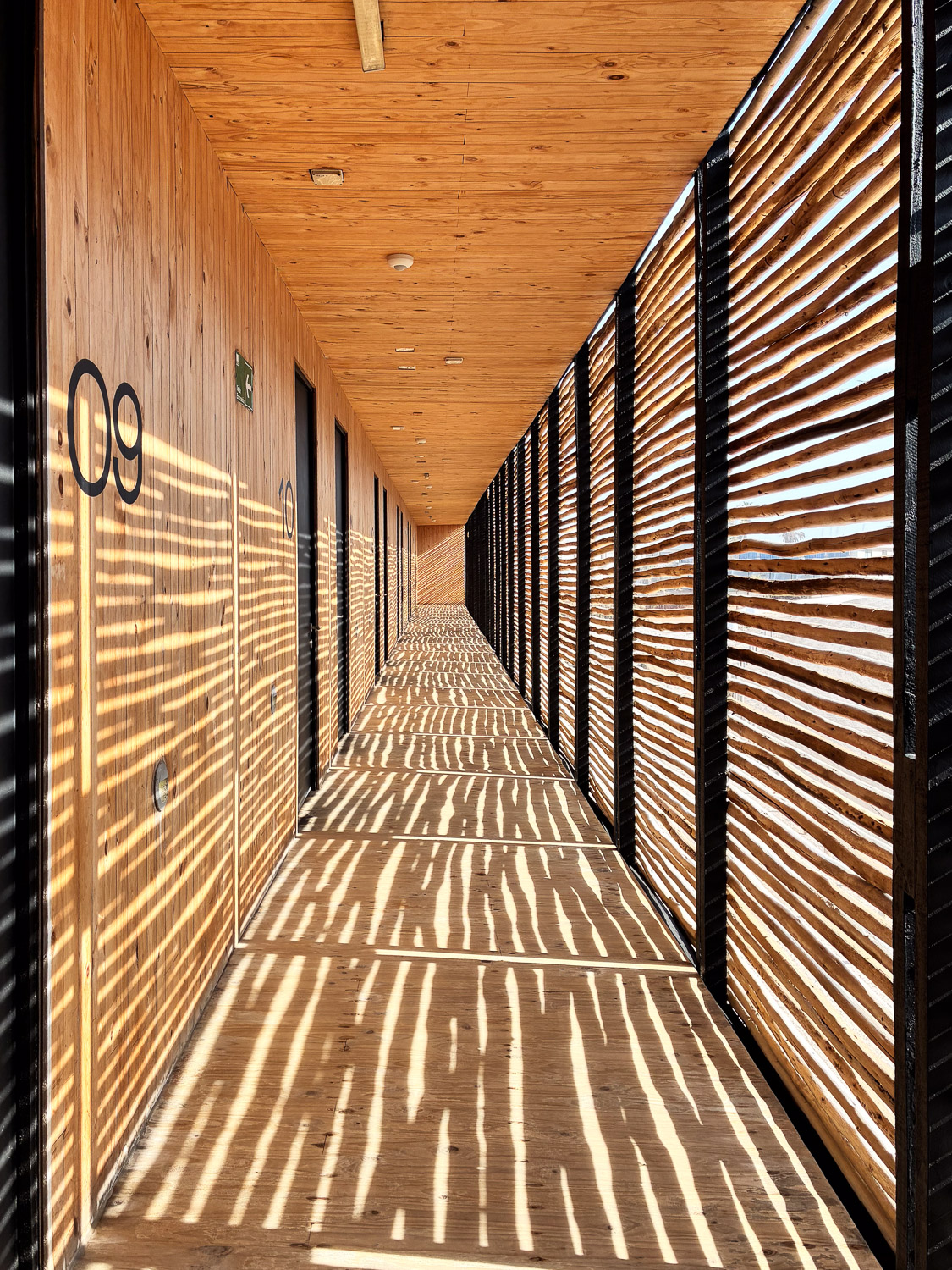
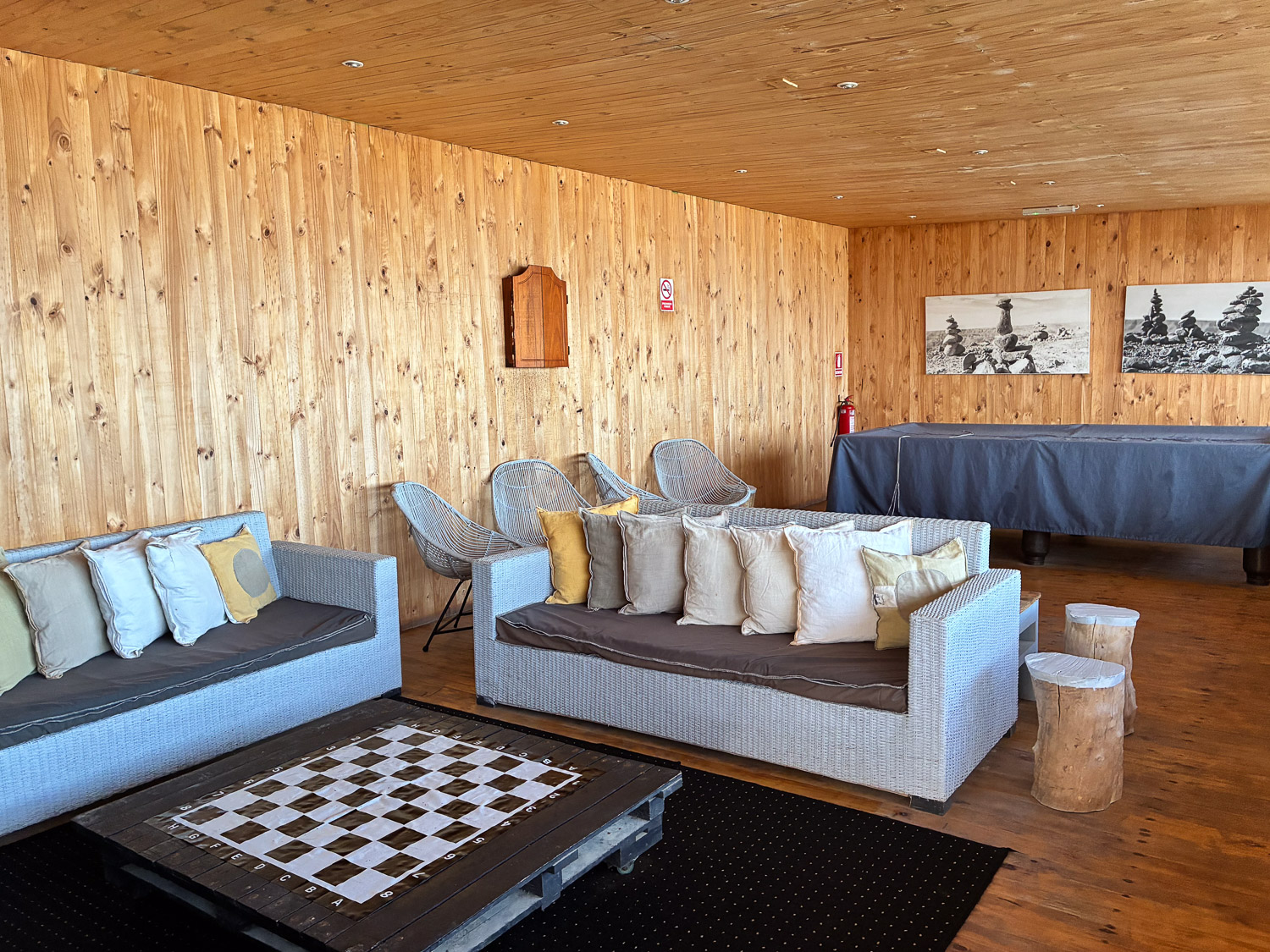
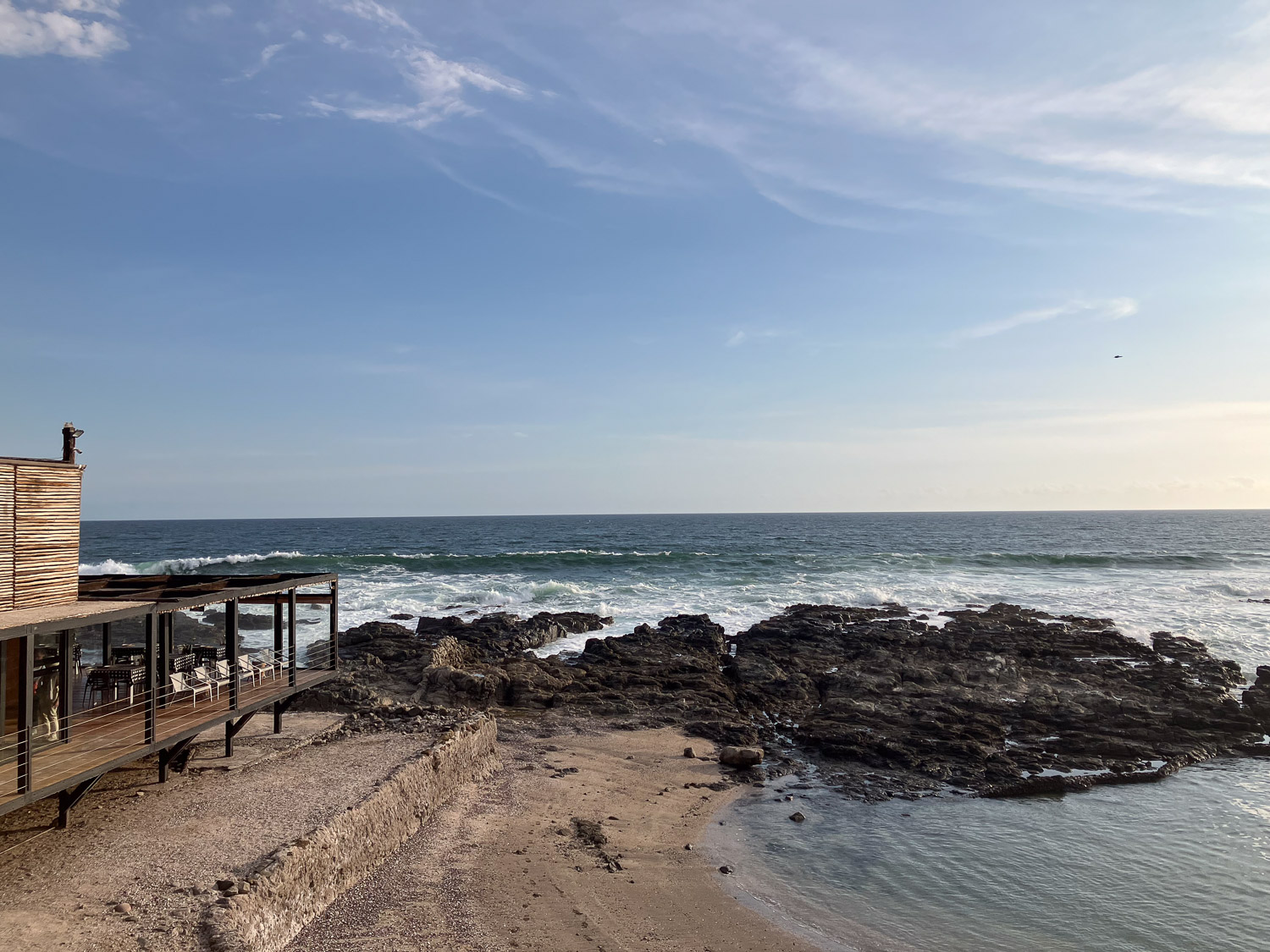
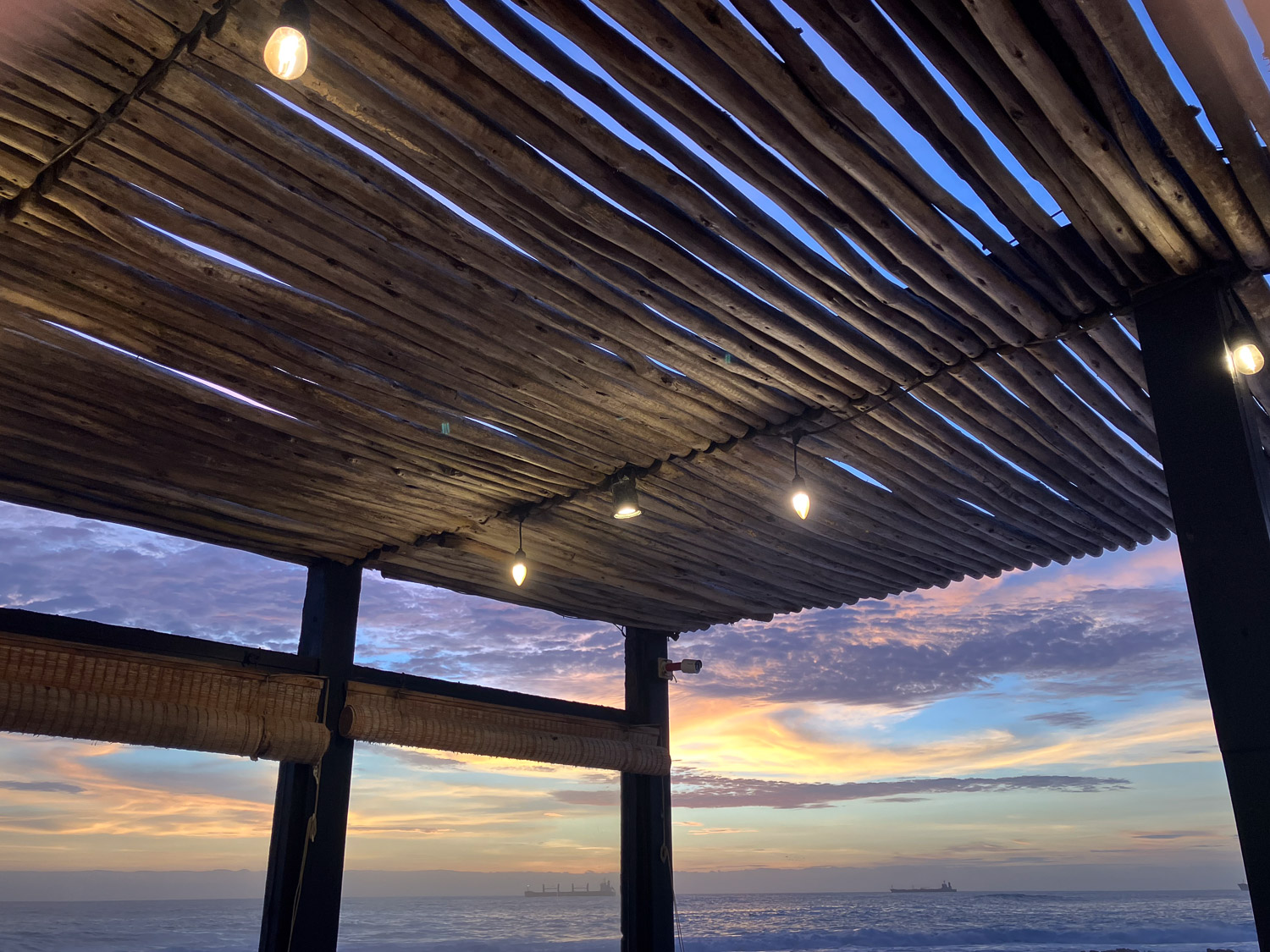
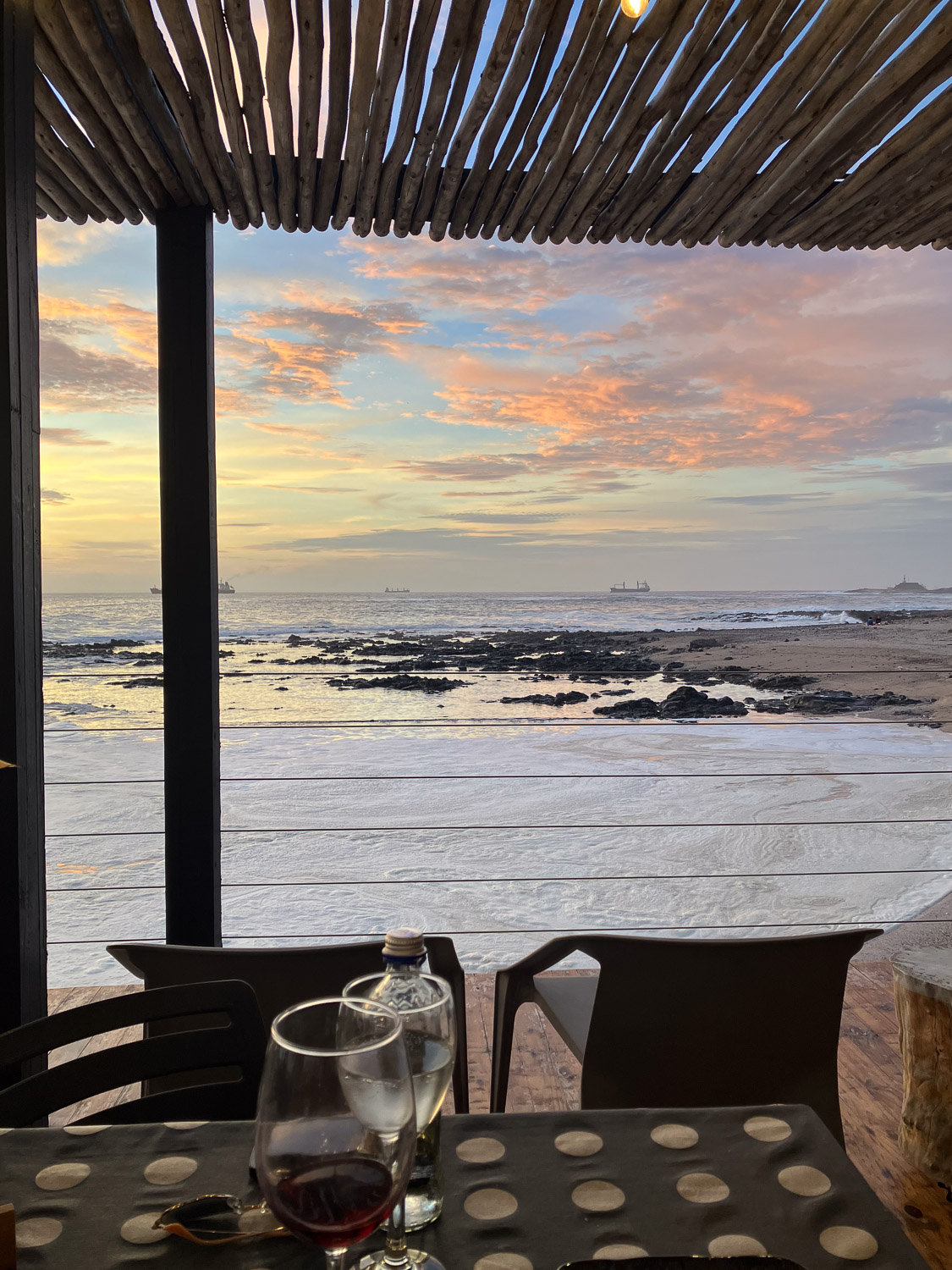
The Apecheta Hotel in Arica was perhaps the main reason that Annette wanted to come here. This is not a luxury hotel by any means, but very stylish and well-designed, making the most of its position right on the Pacific. The overall atmosphere was a bit like Dungeness, but a lot warmer! It was fantastic to lie in bed and listen to the waves.
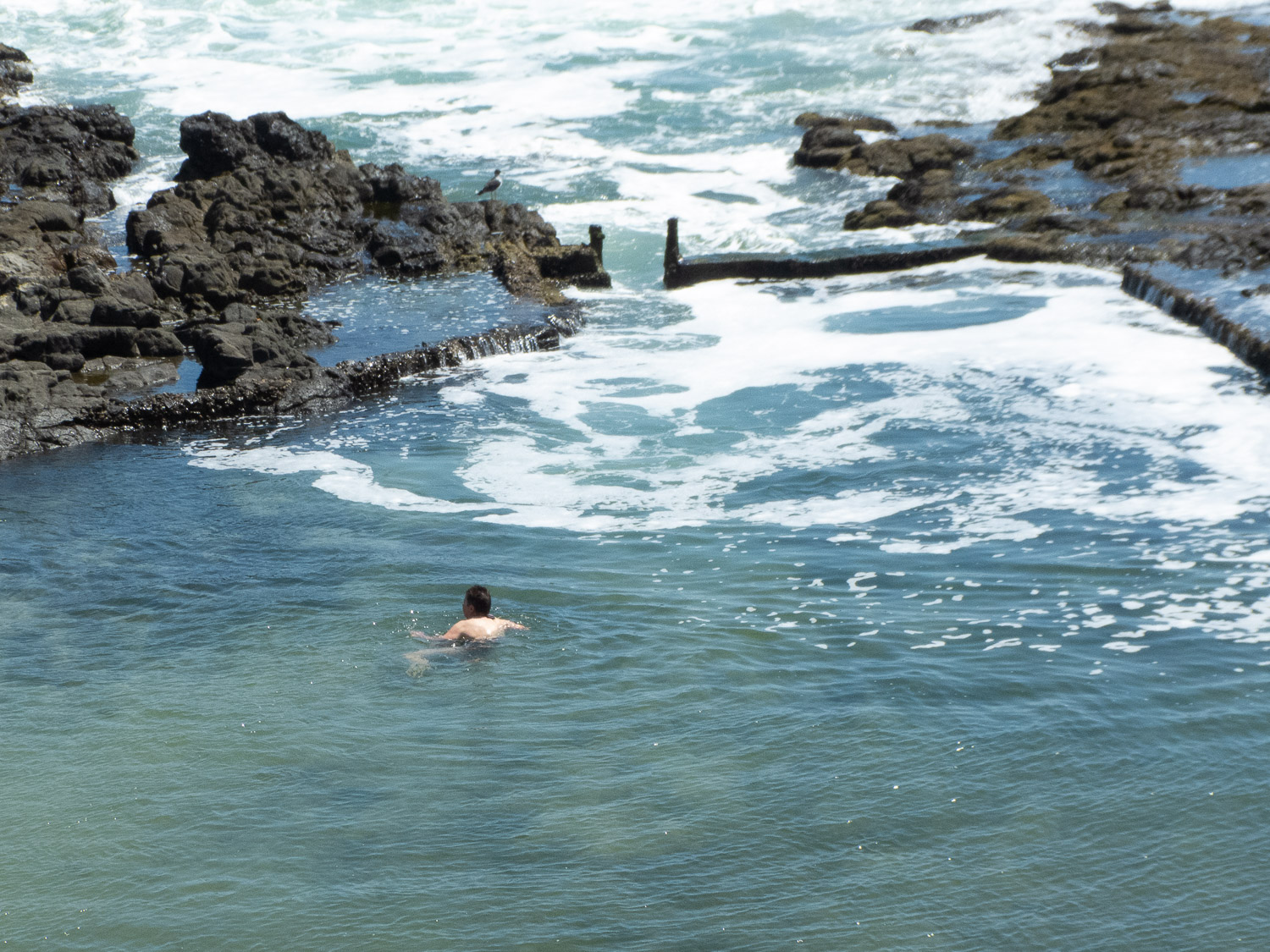
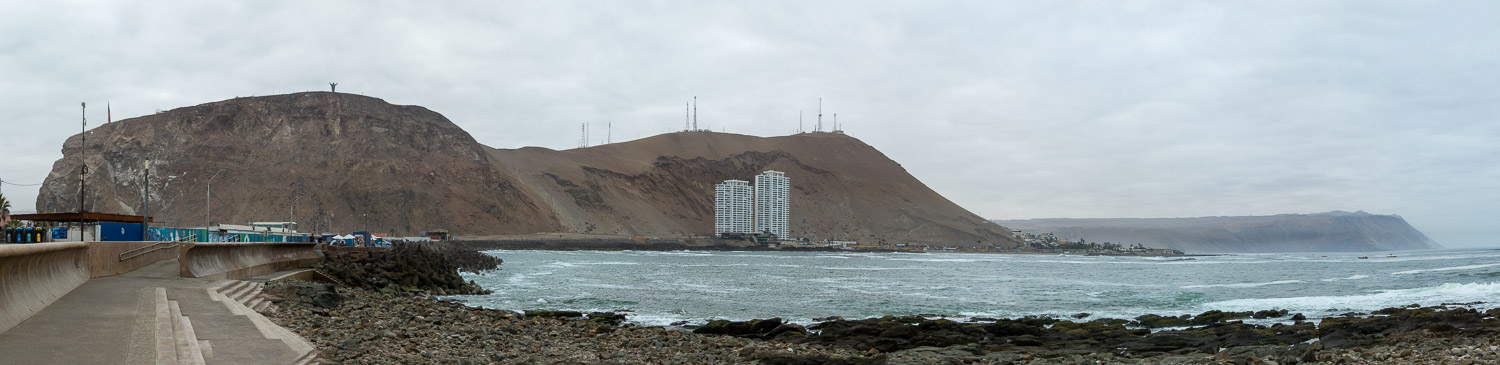
One hot, muggy day in Arica. We walked into town, past the Morro (coastal hill) and a promotory called Scorpion Island. There is a statue of Christ the Redeemer on the Morro – but no other compelling similarities to Rio.
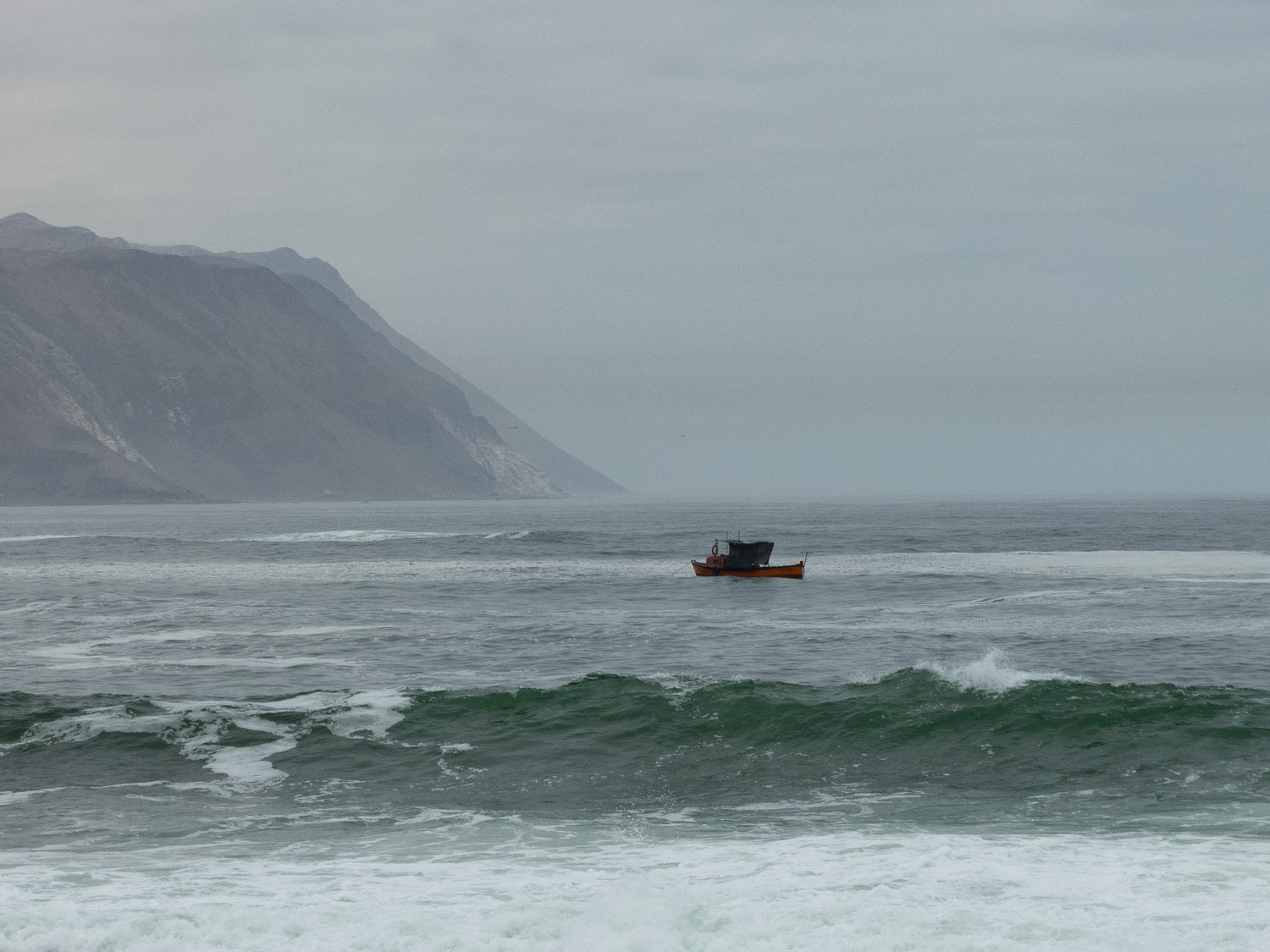
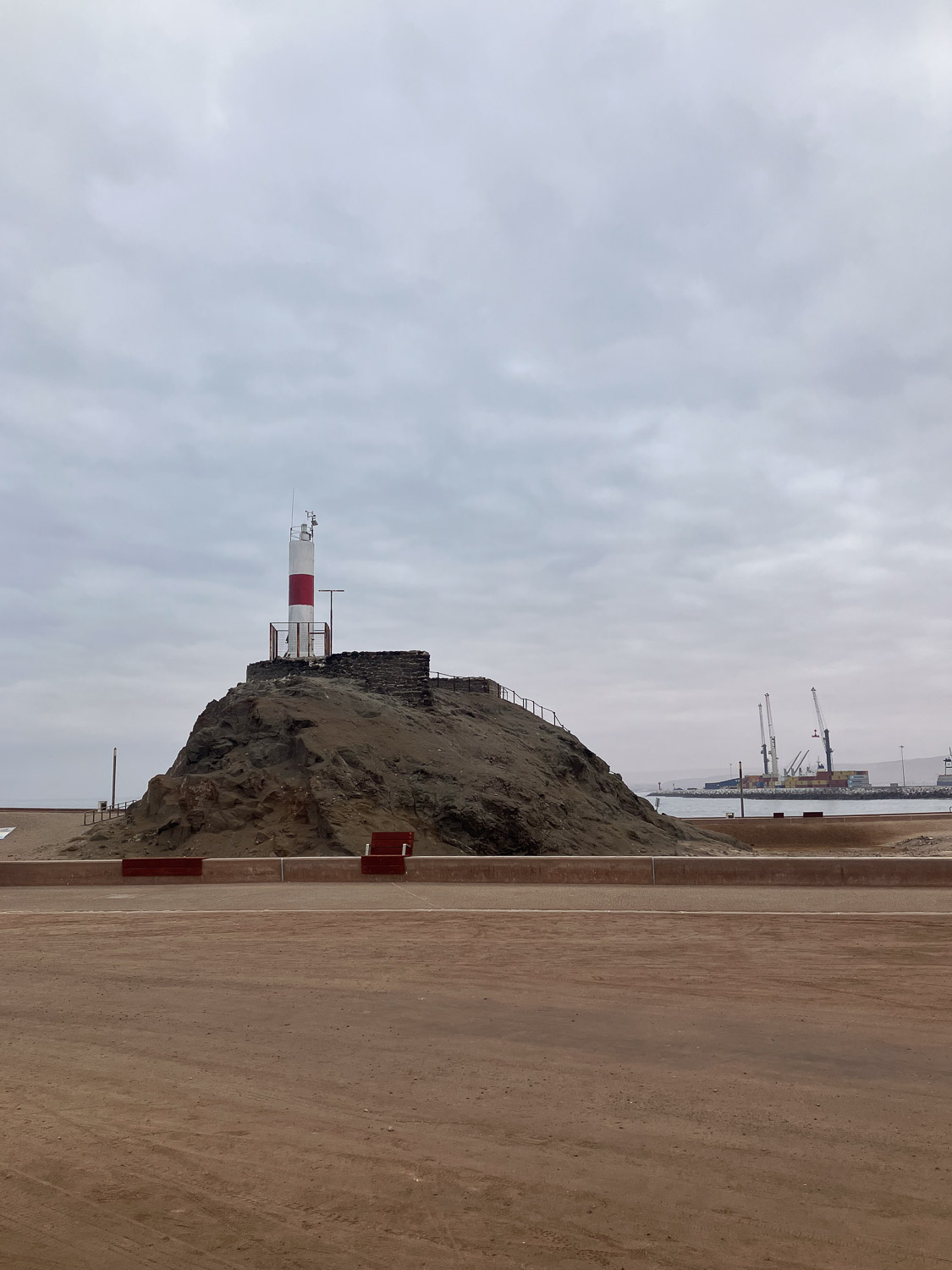
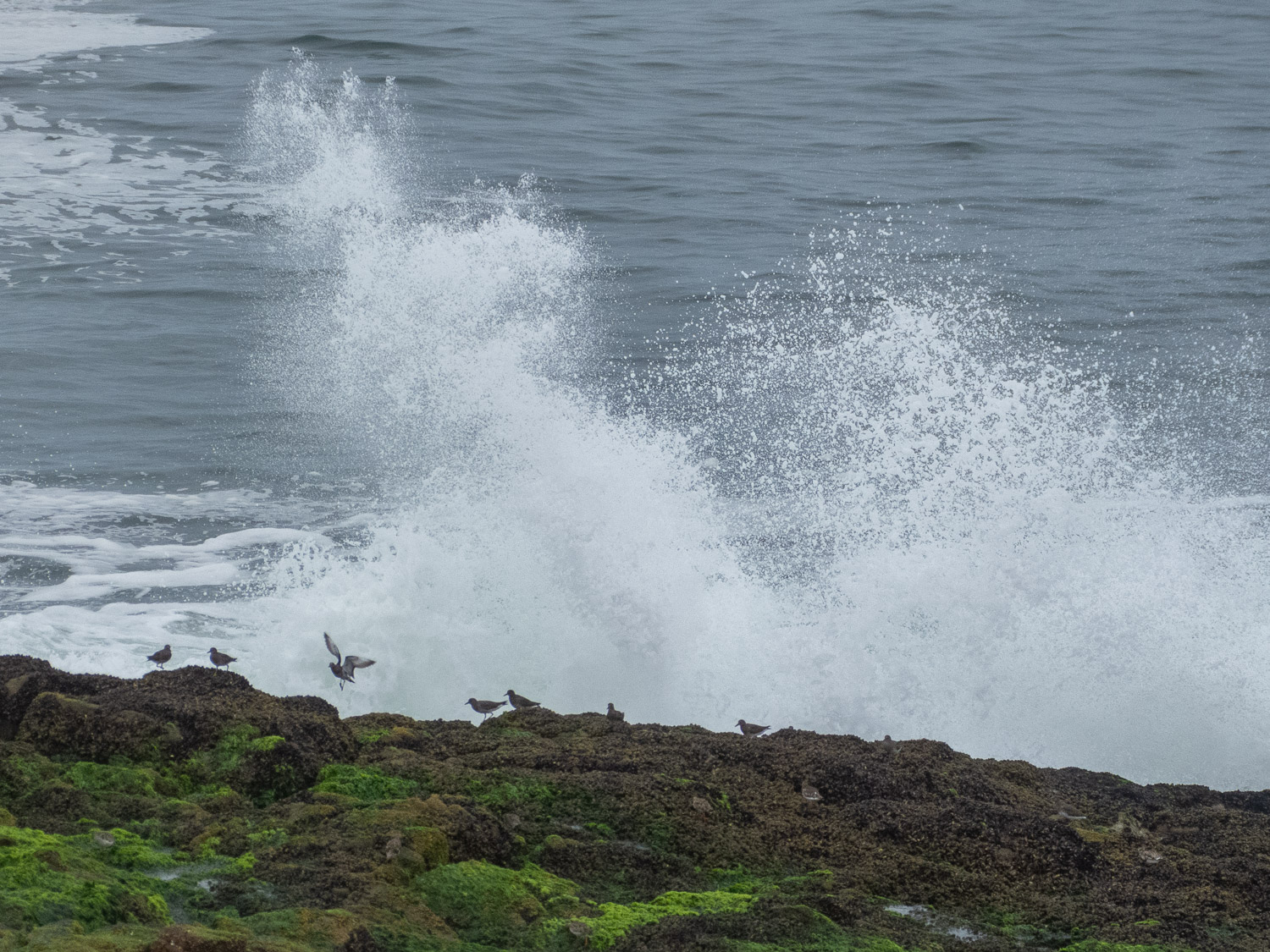
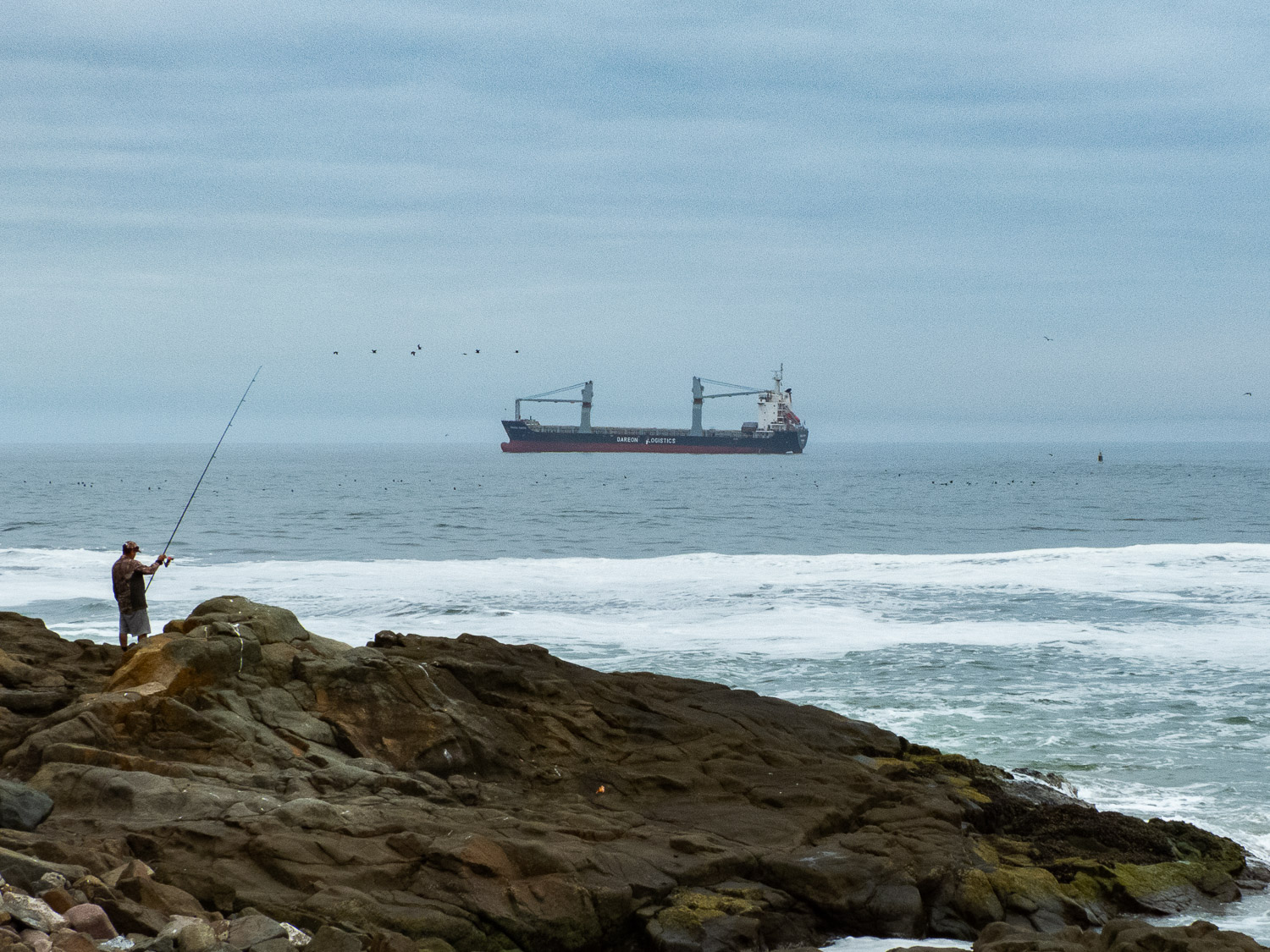
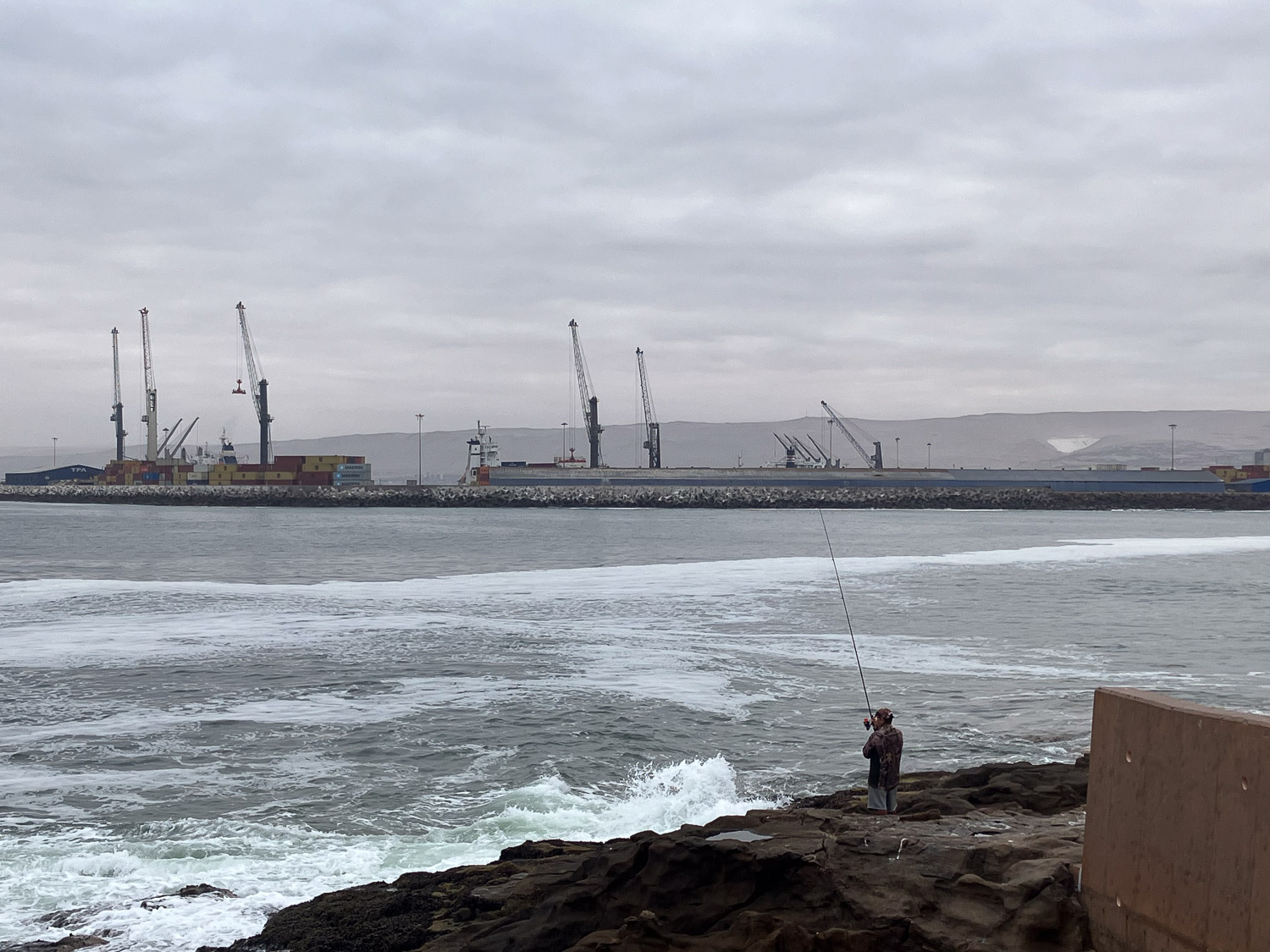
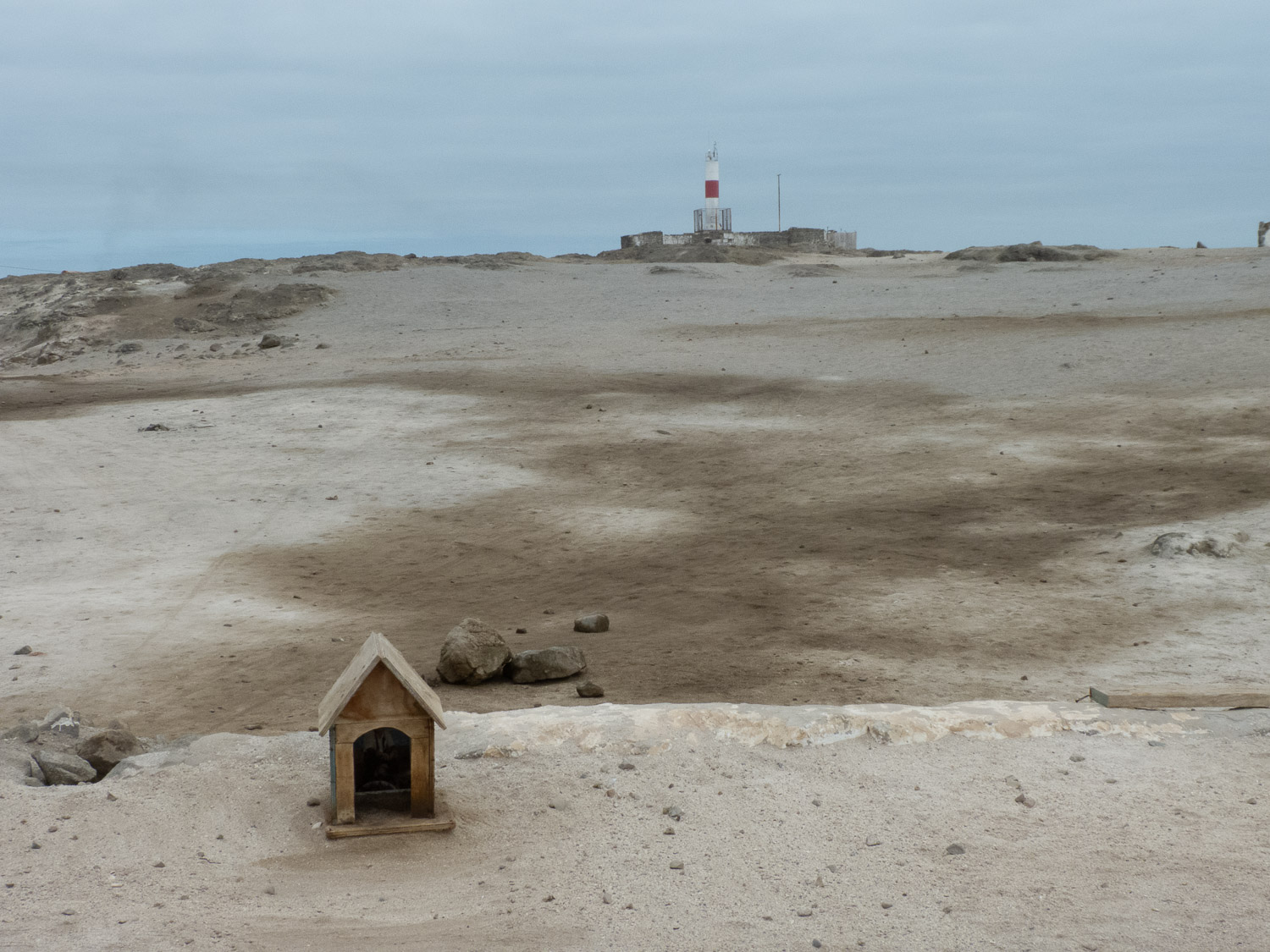
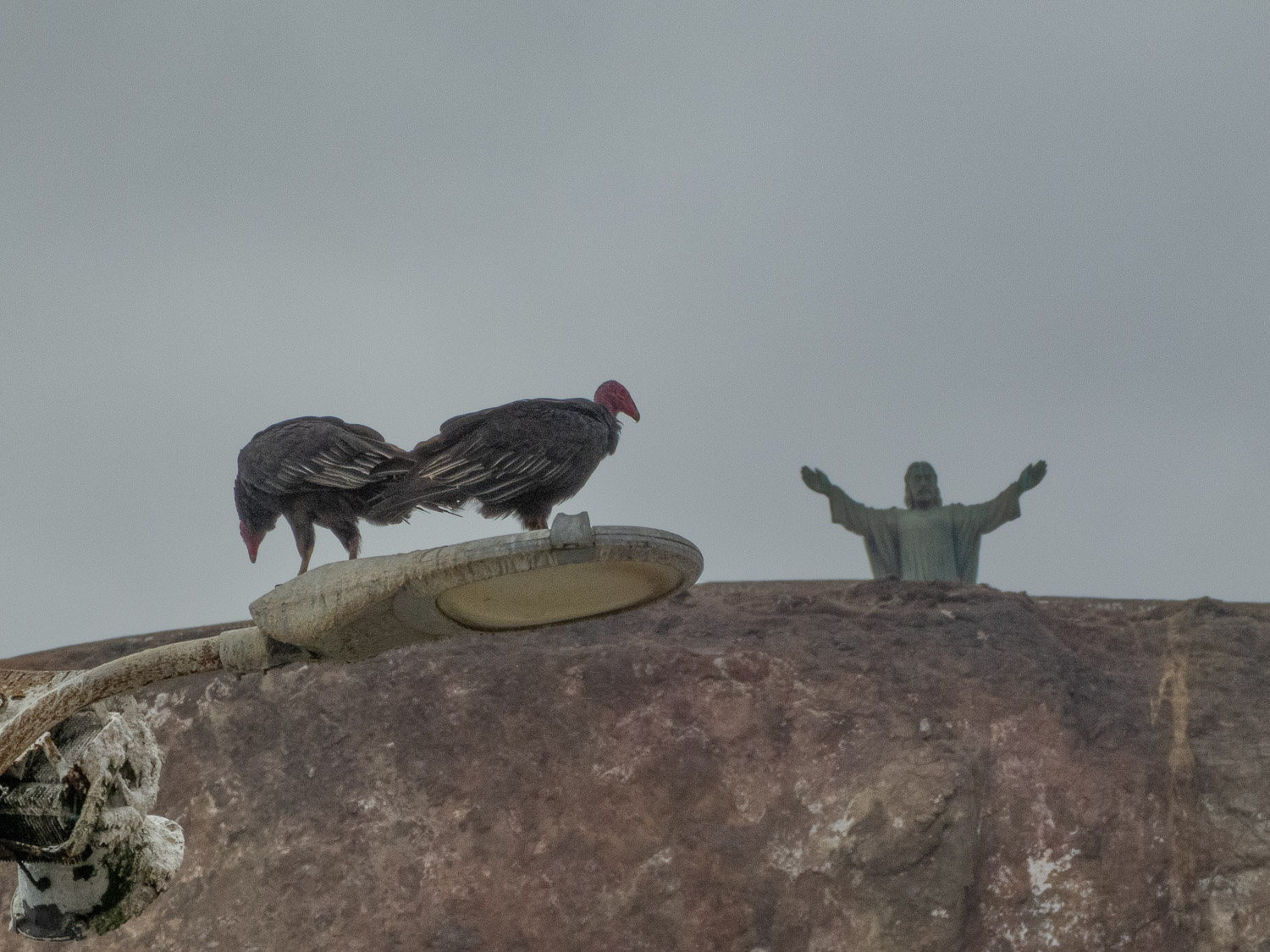
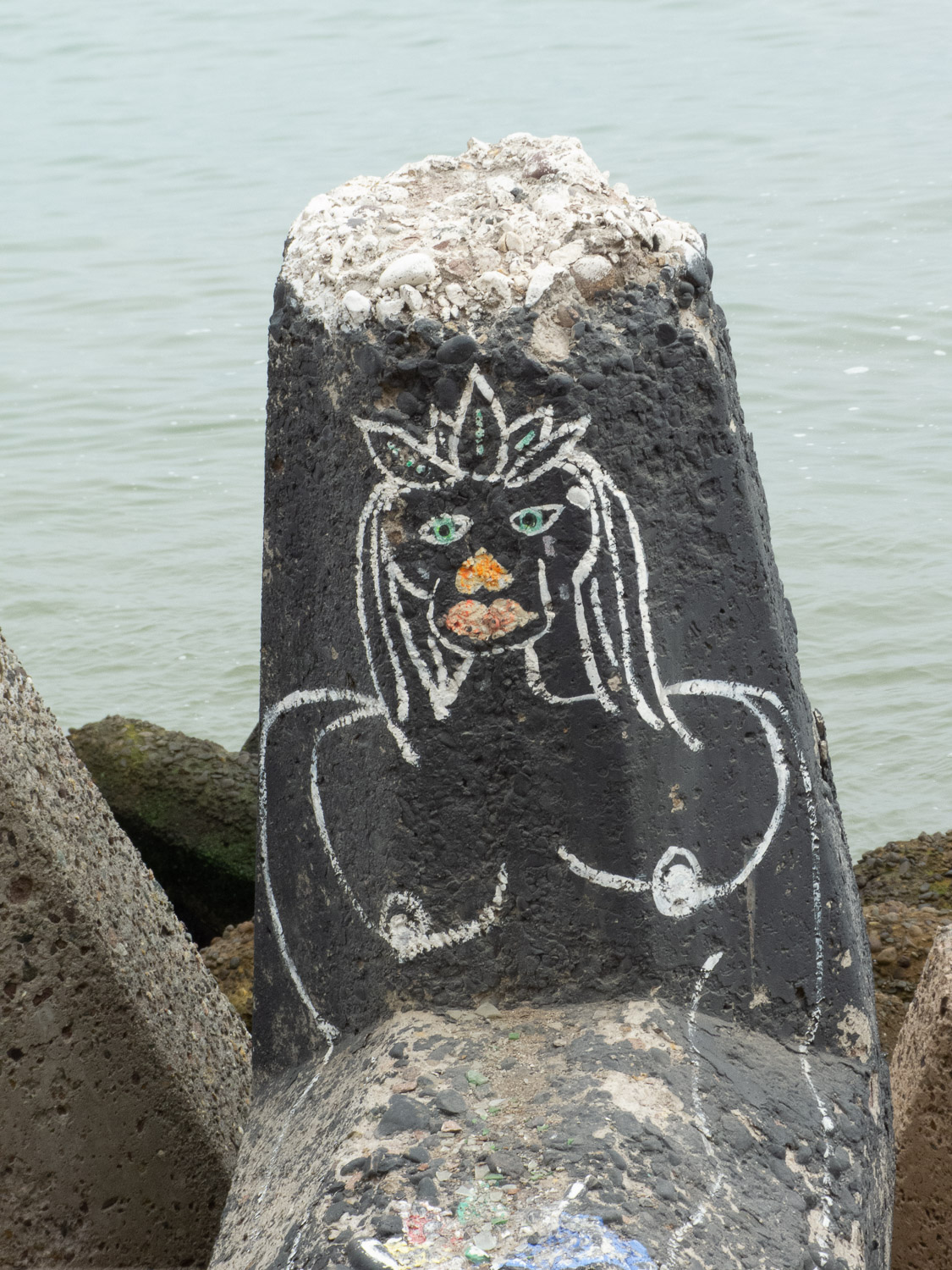
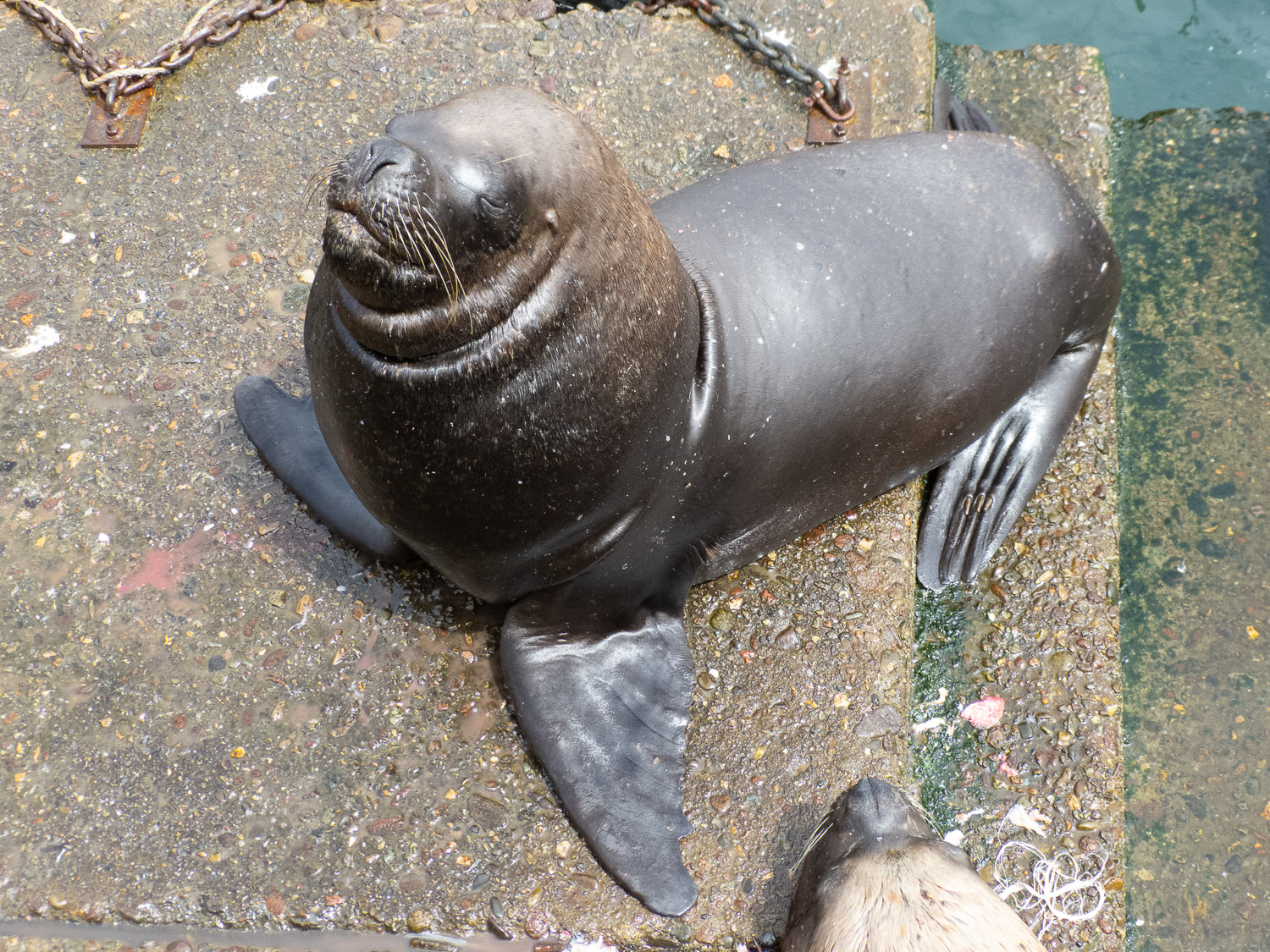
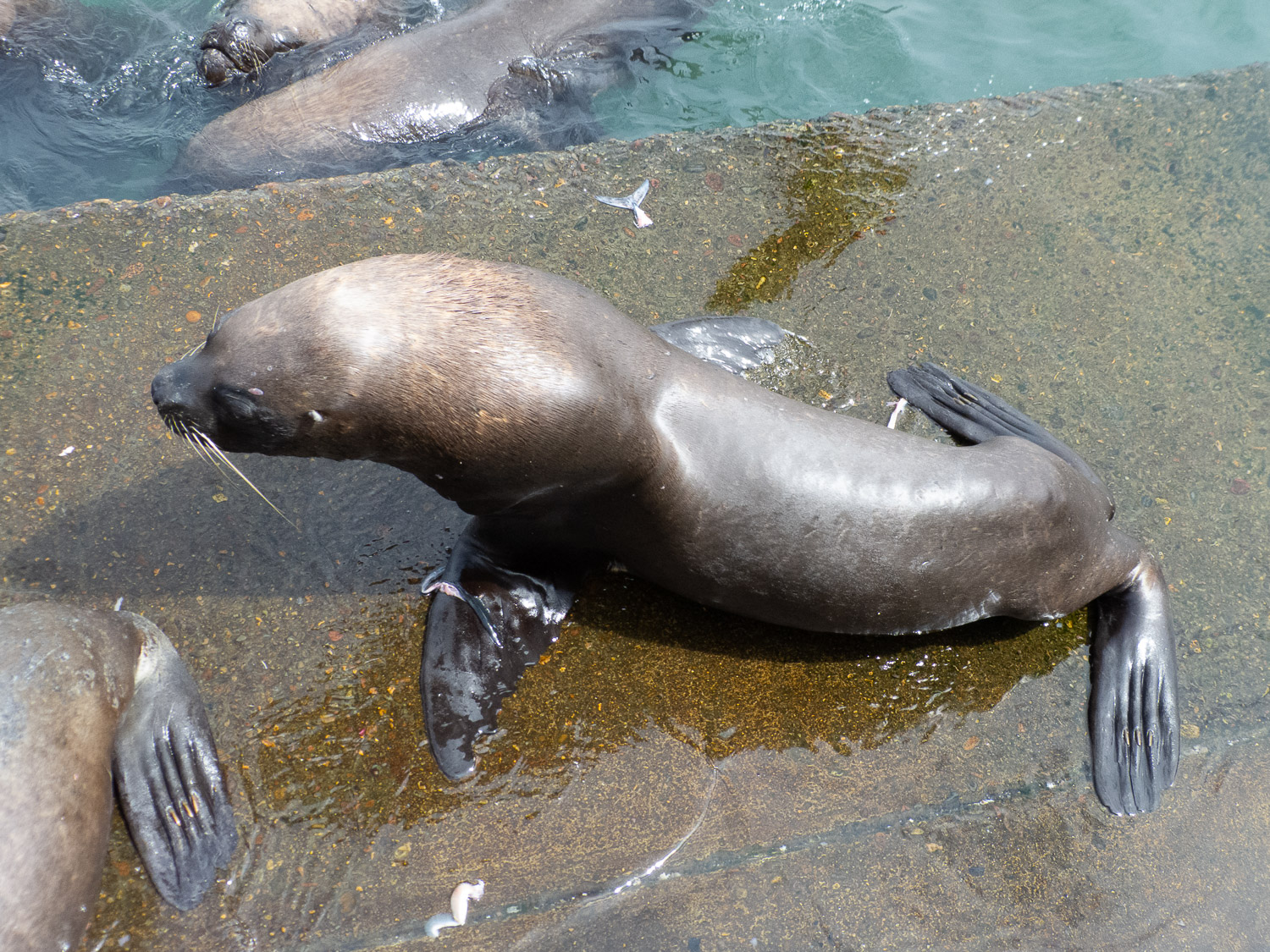
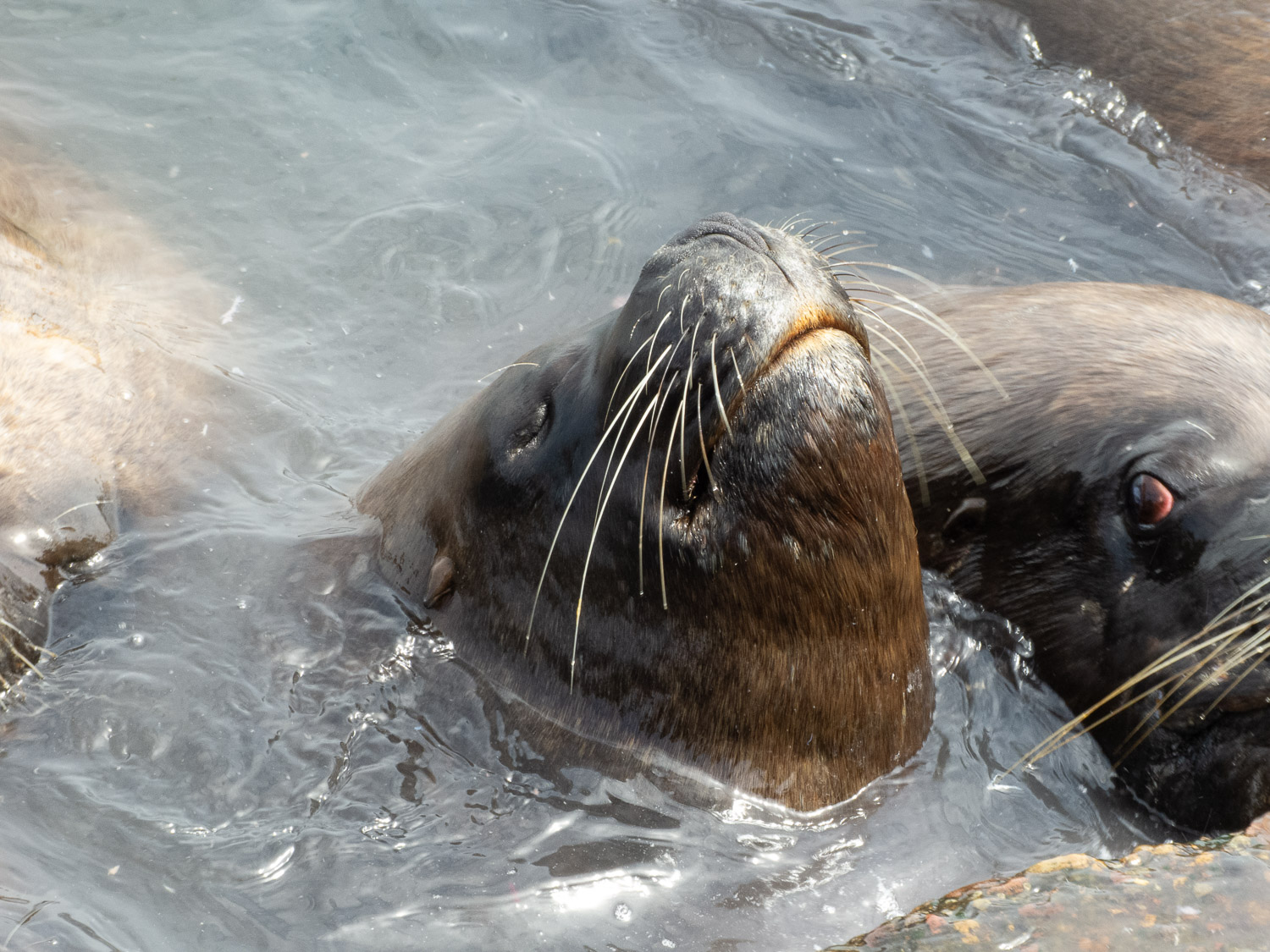
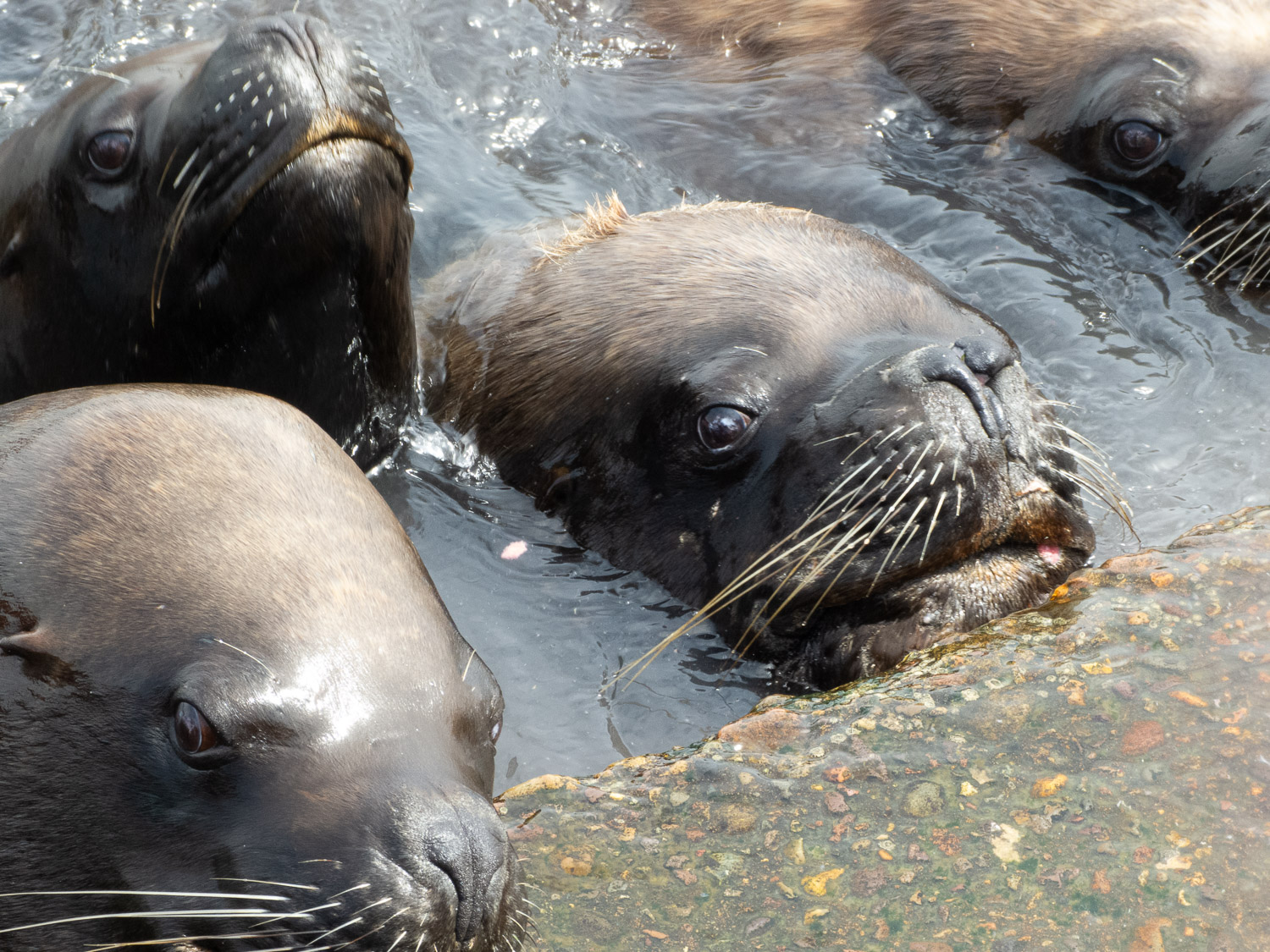
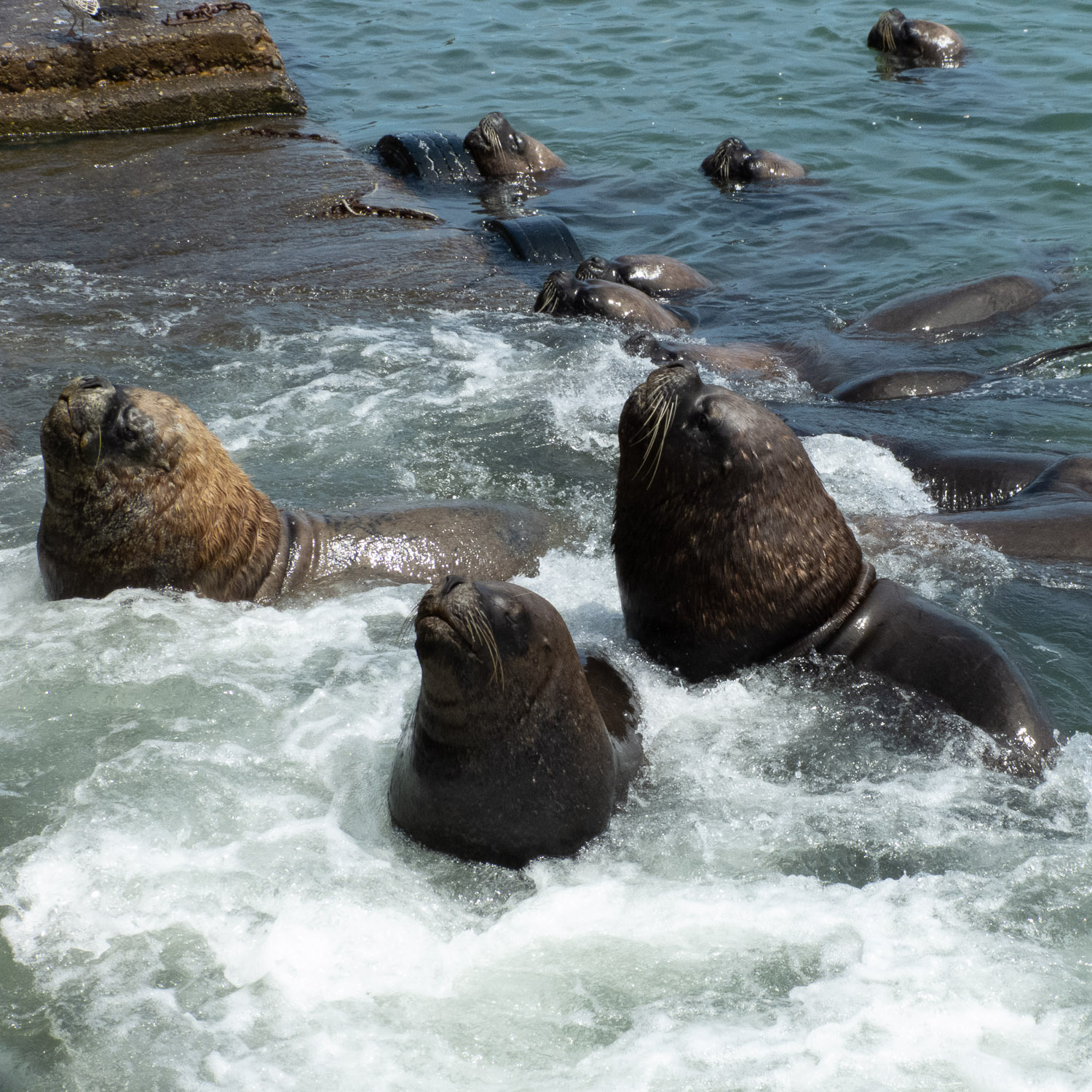
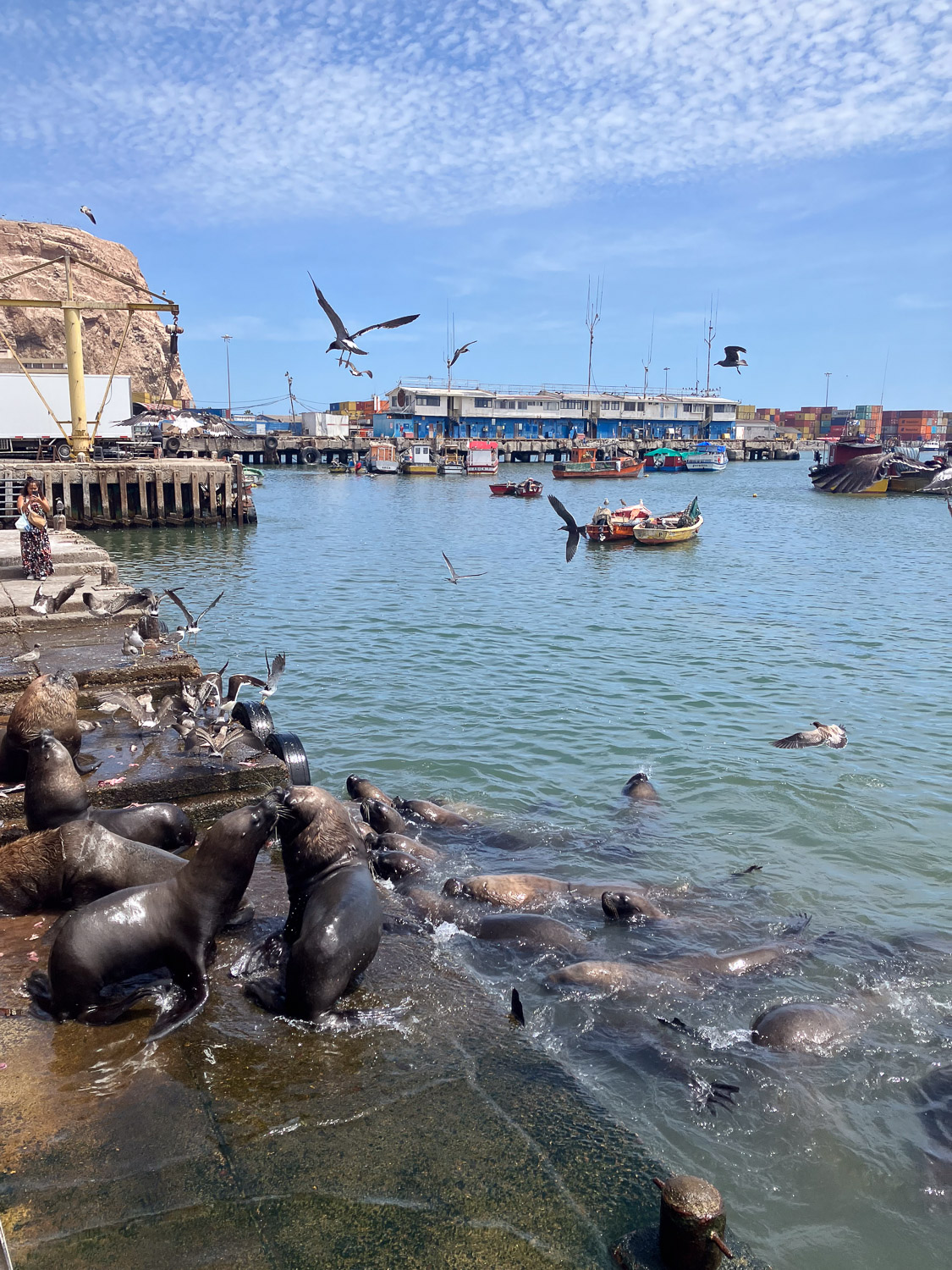
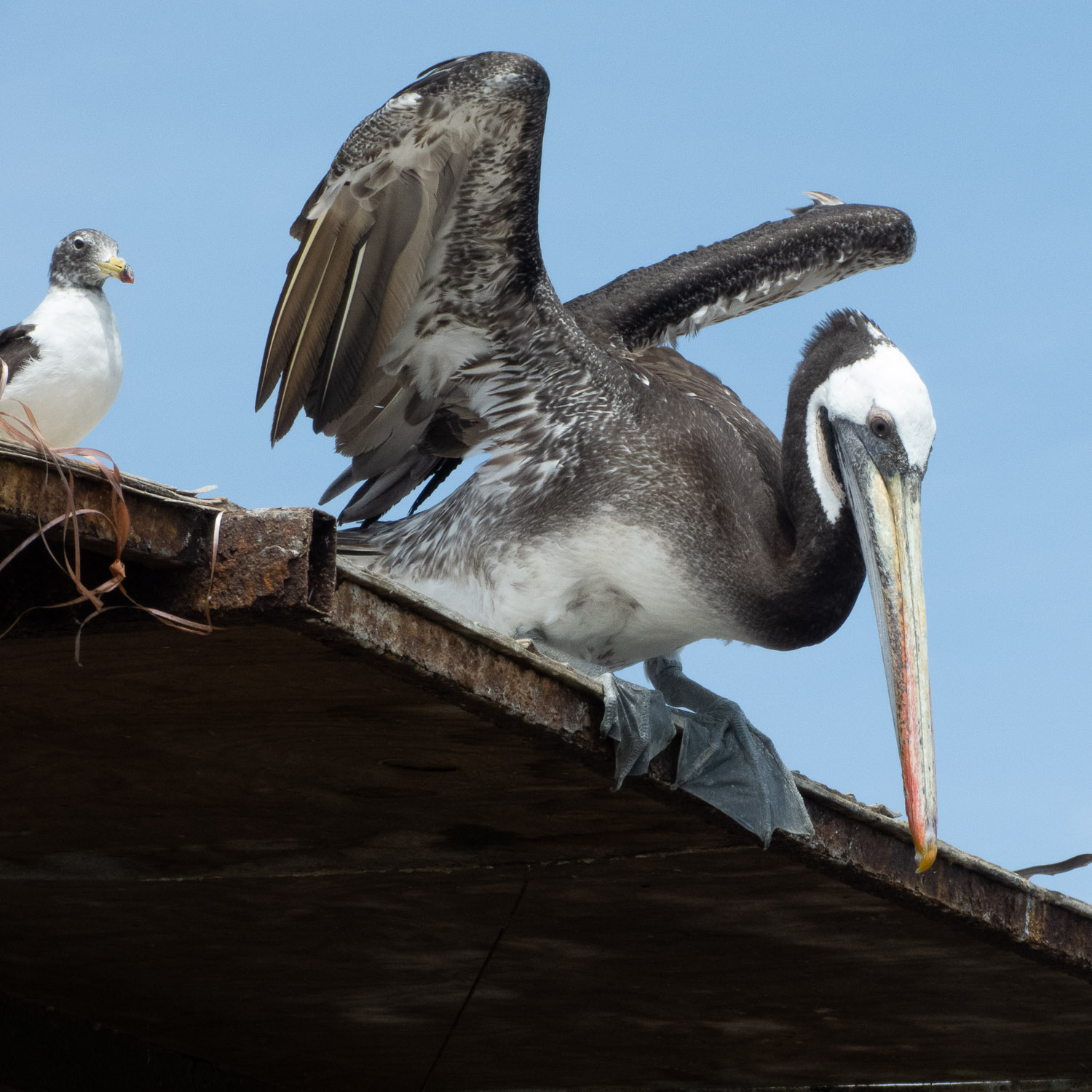
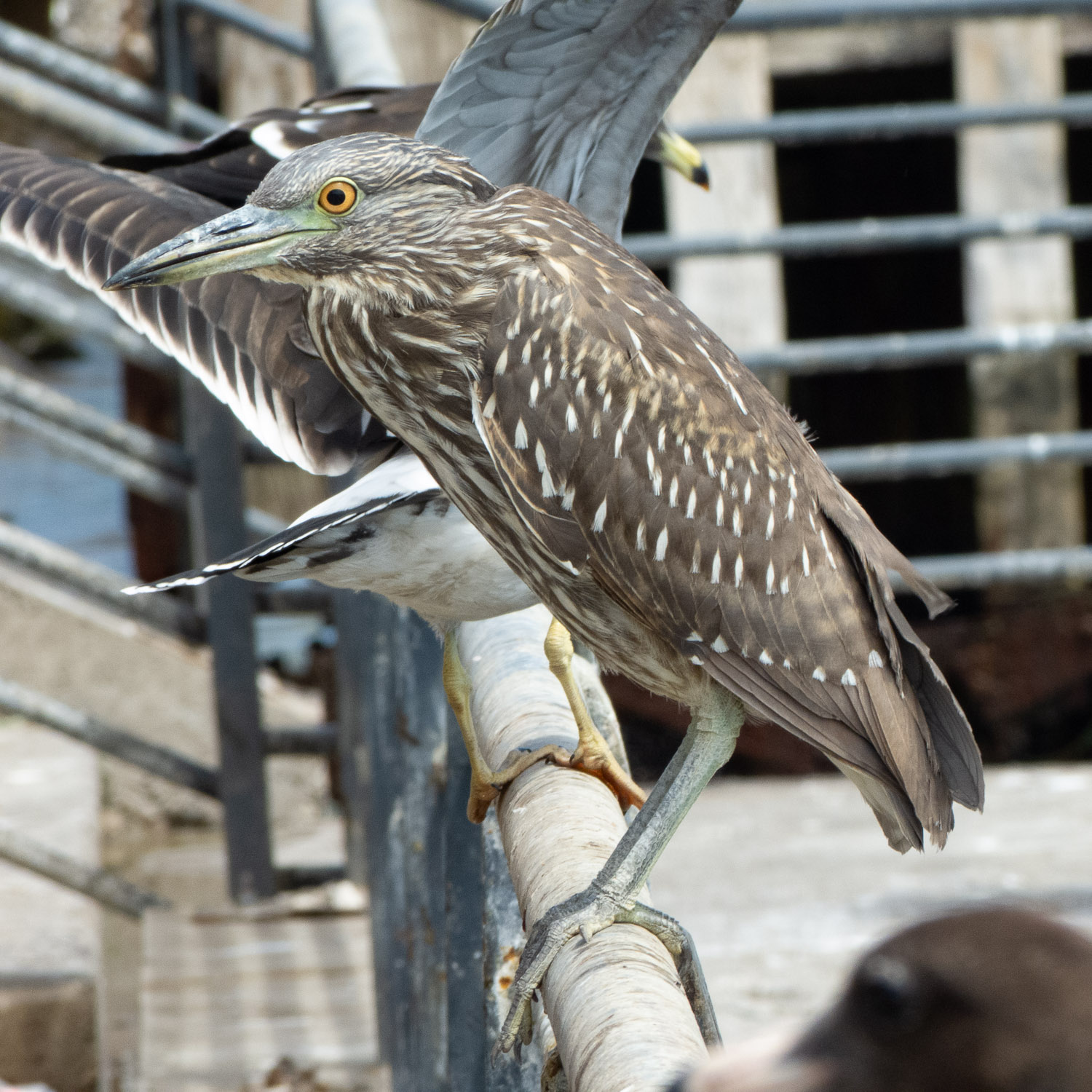
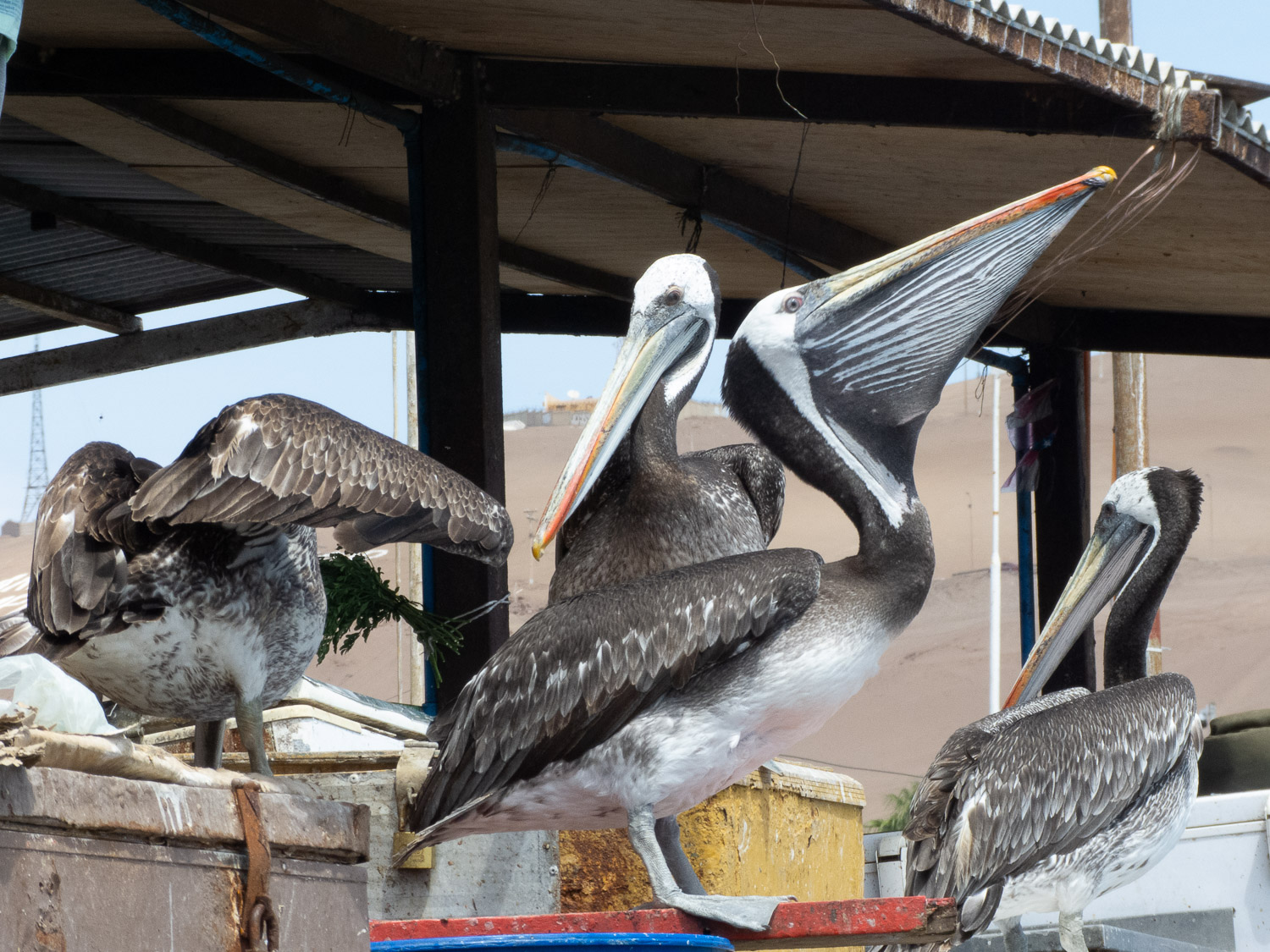
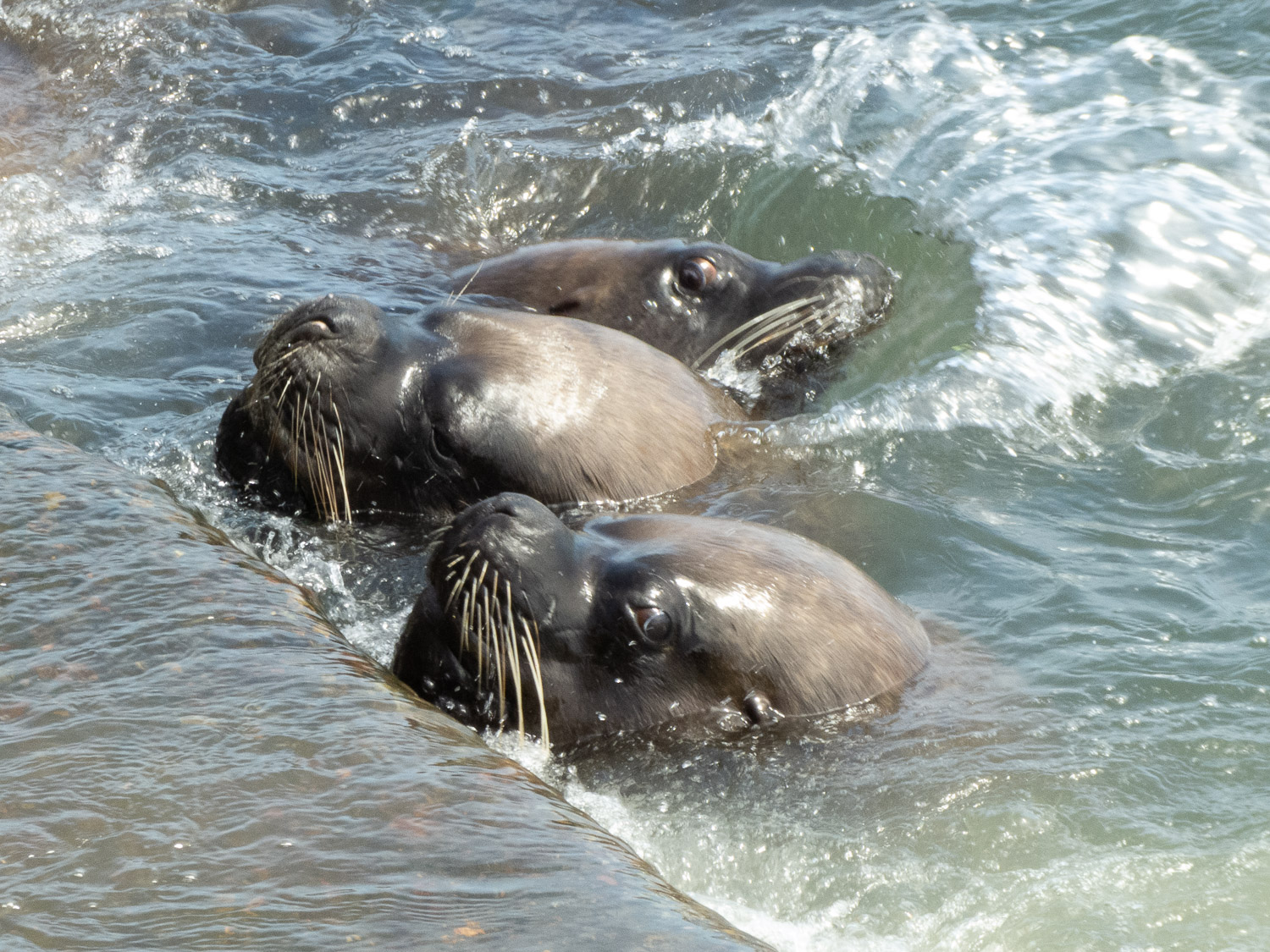
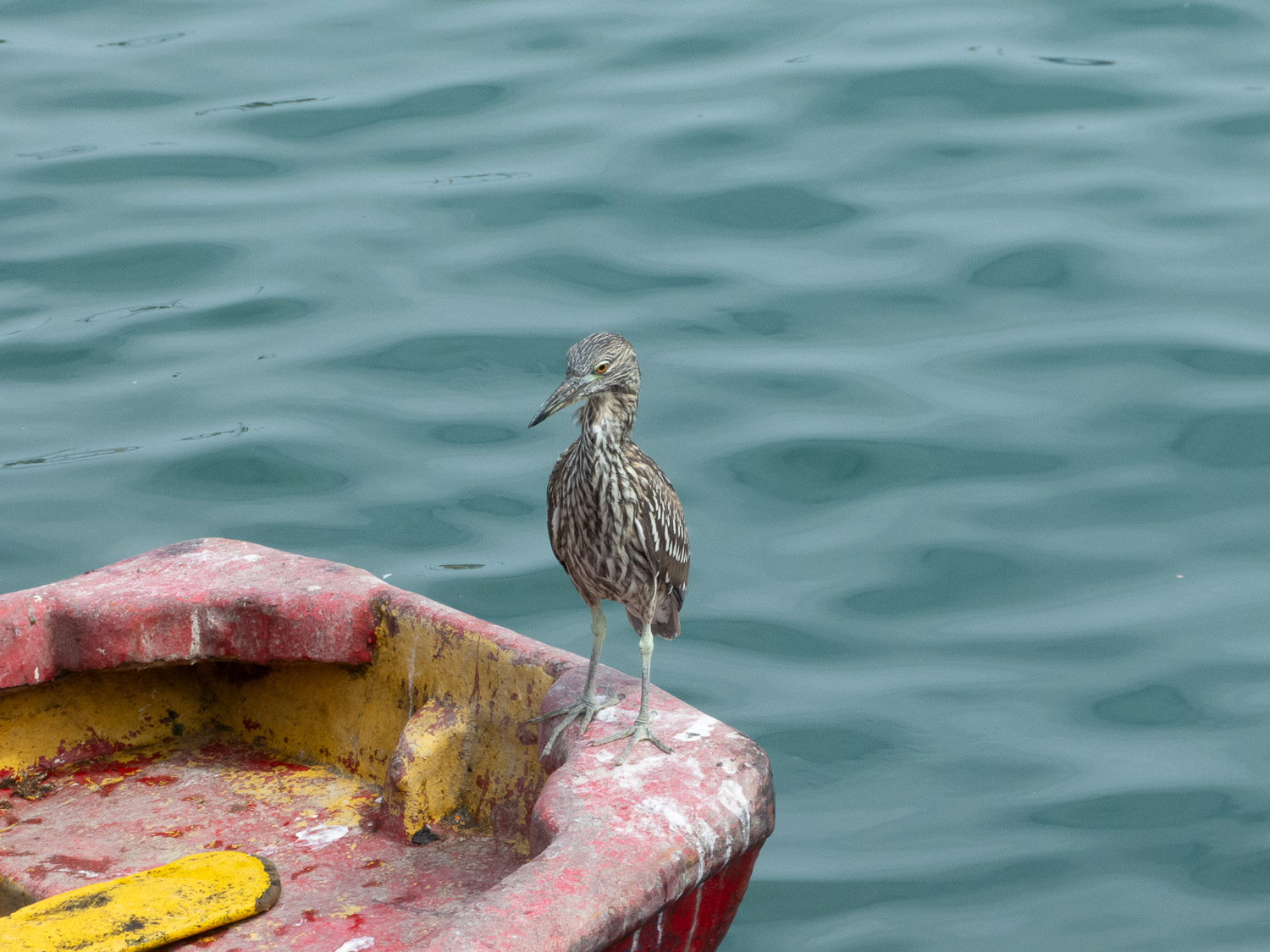
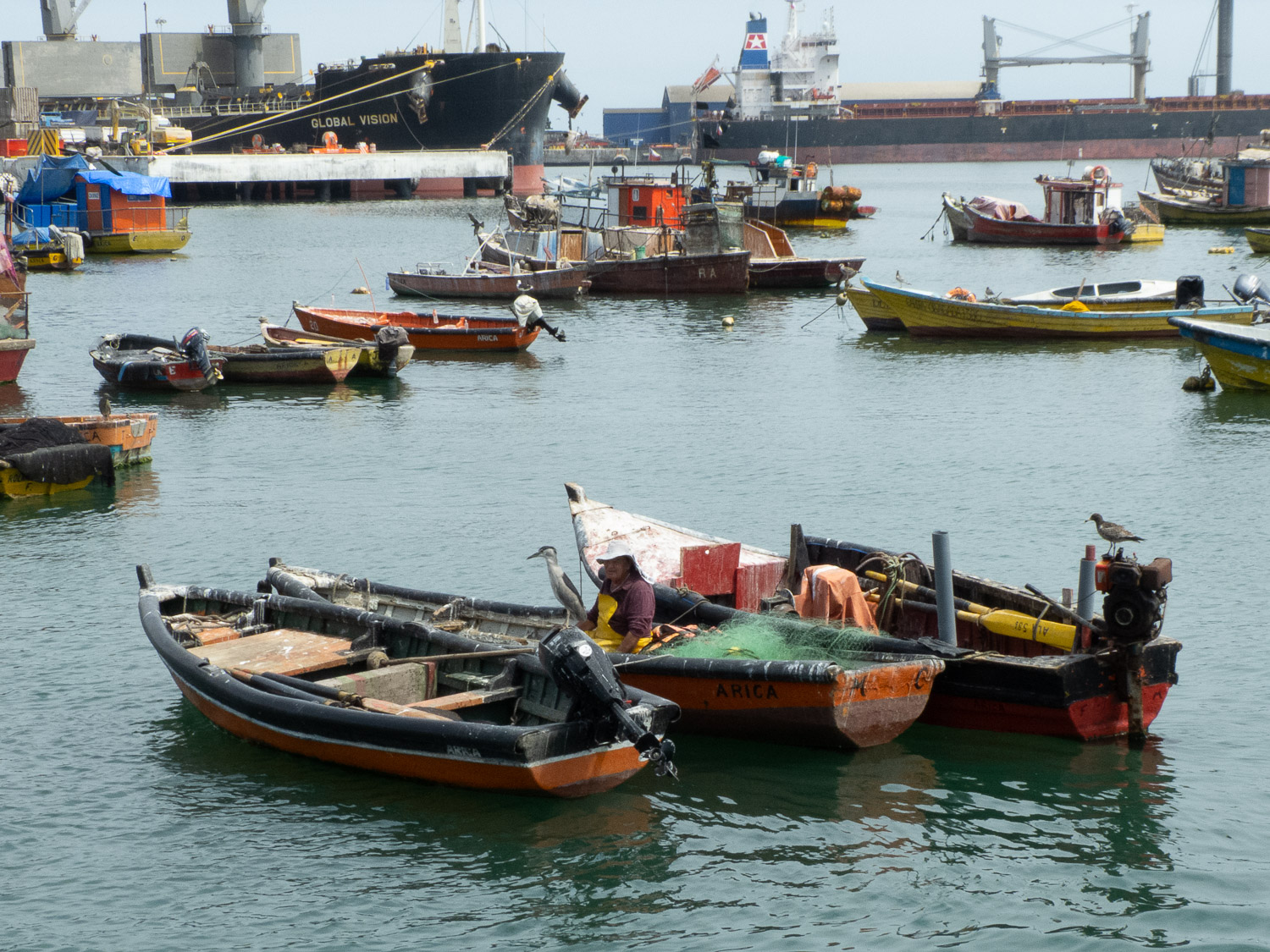
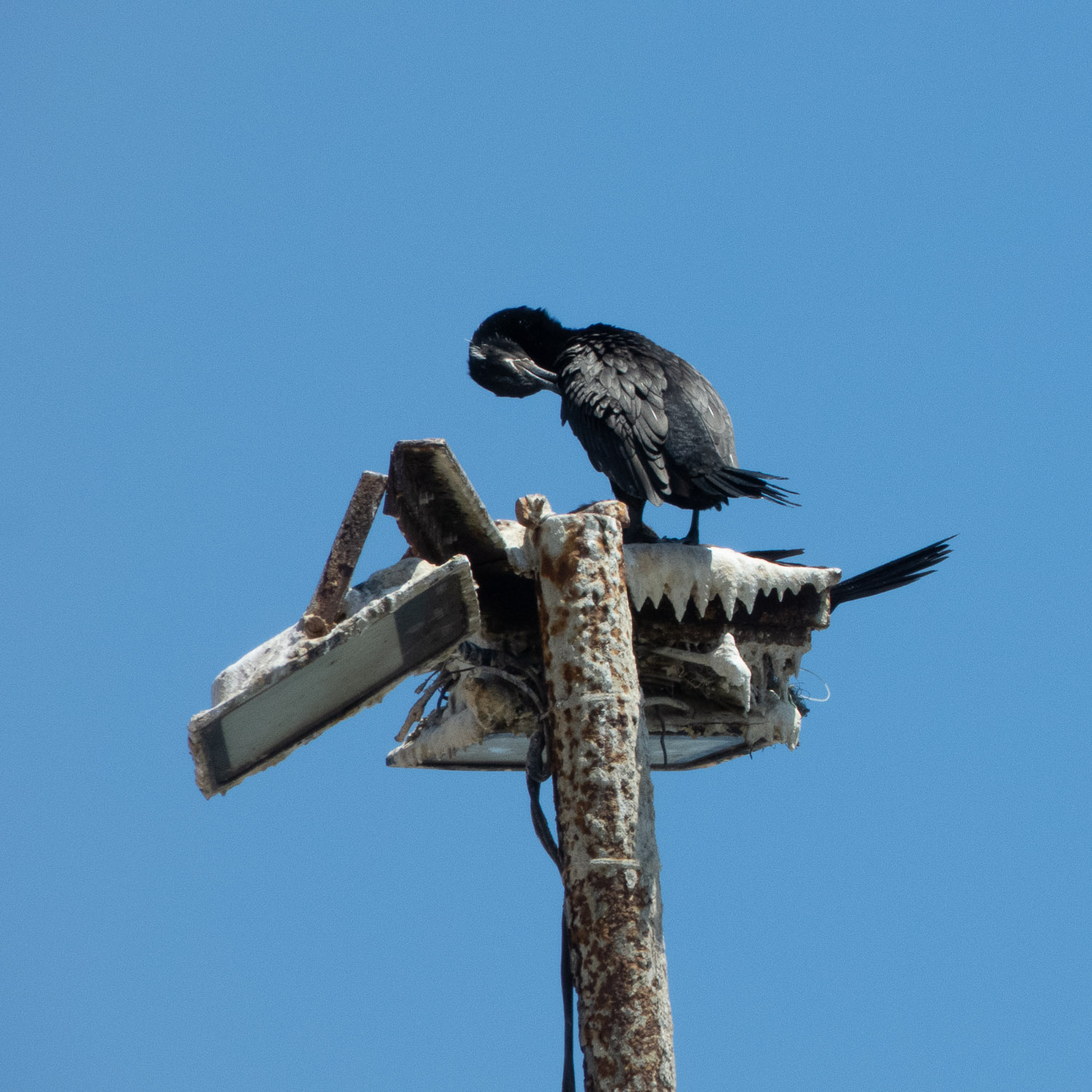
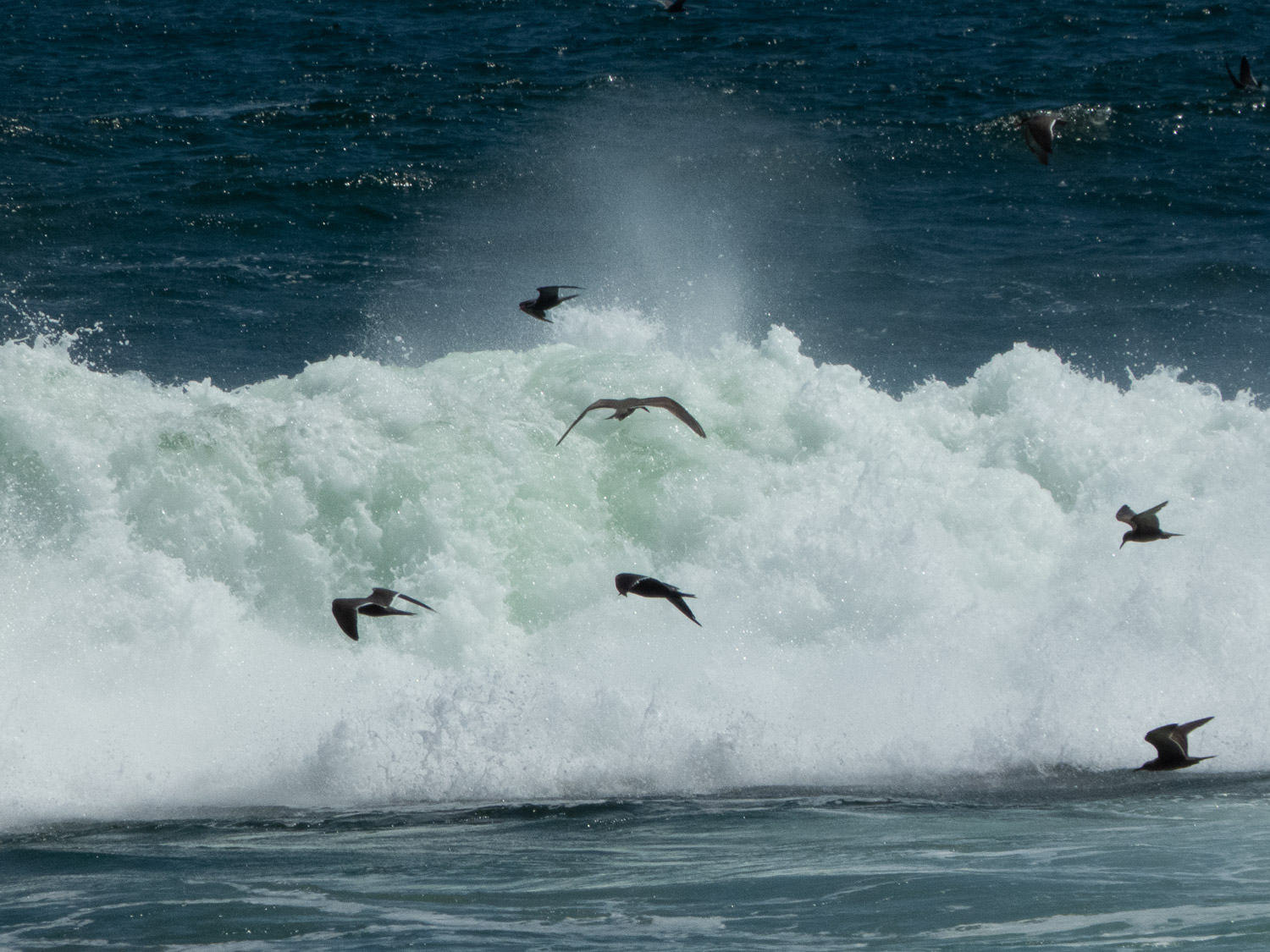
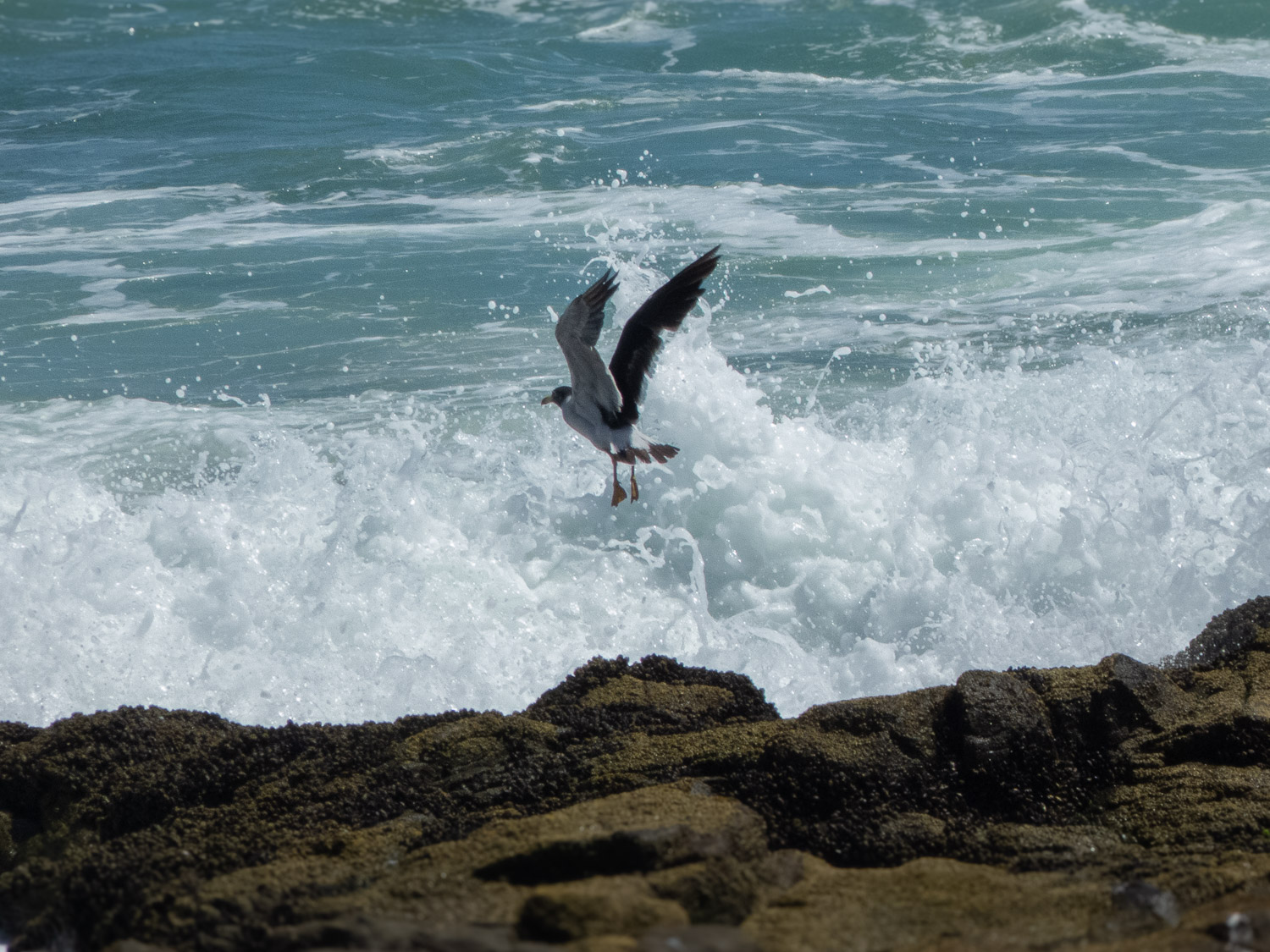
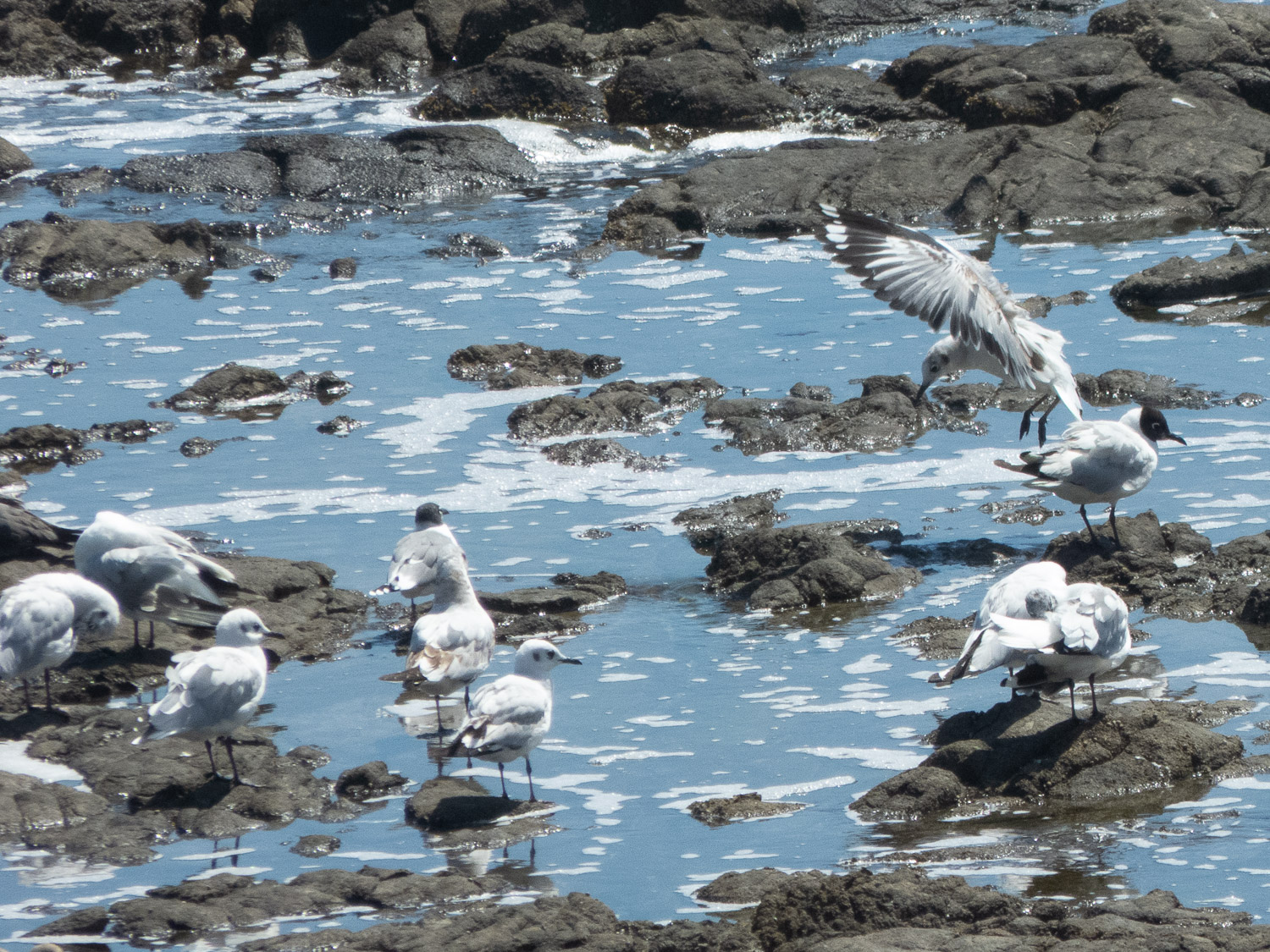
Another Pacific coastal city with a harbour, a fishmarket, a nice restaurant, and lots of sealions and birds. Annette enjoyed this so much that we went there on two consecutive days.
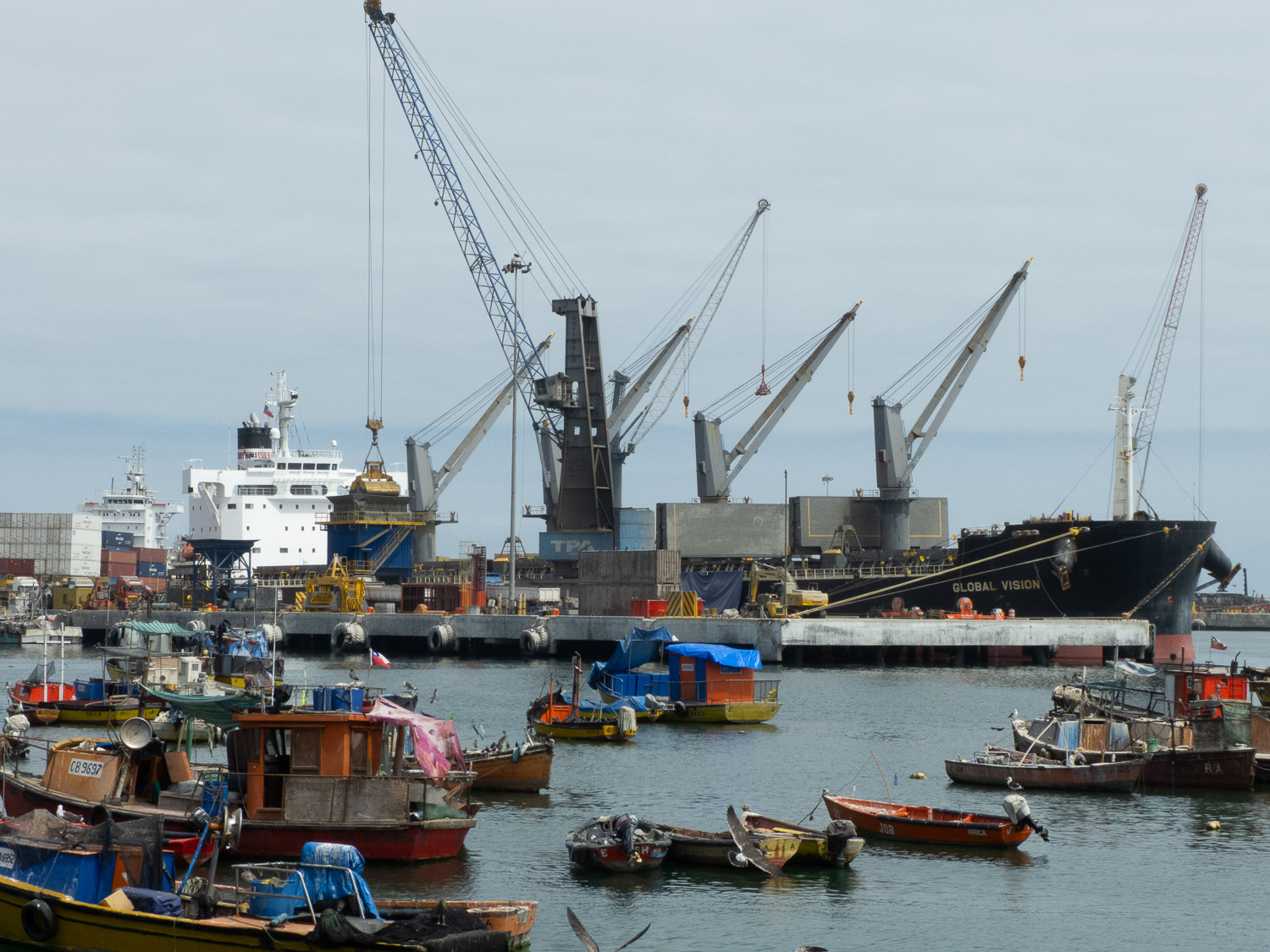
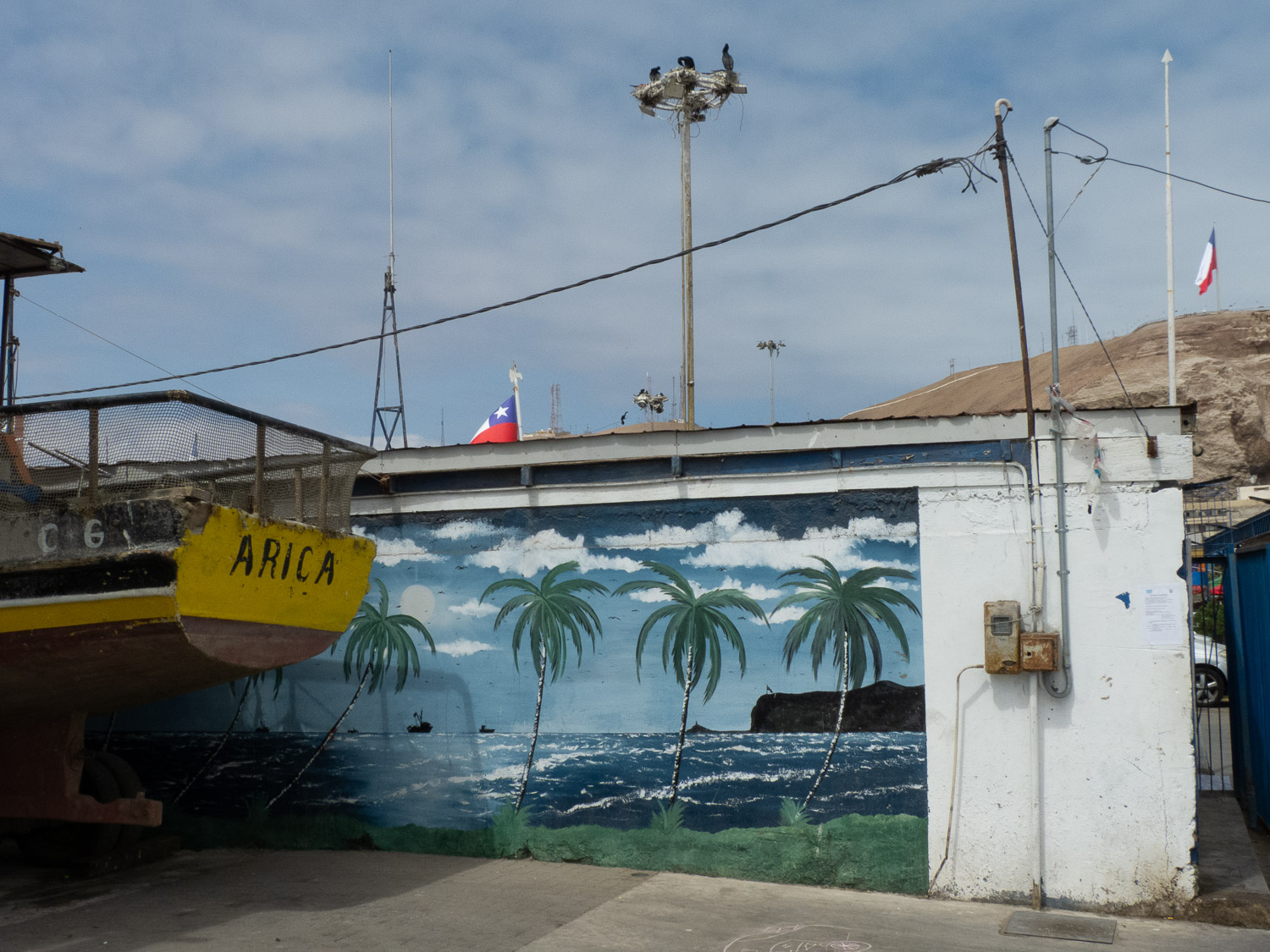
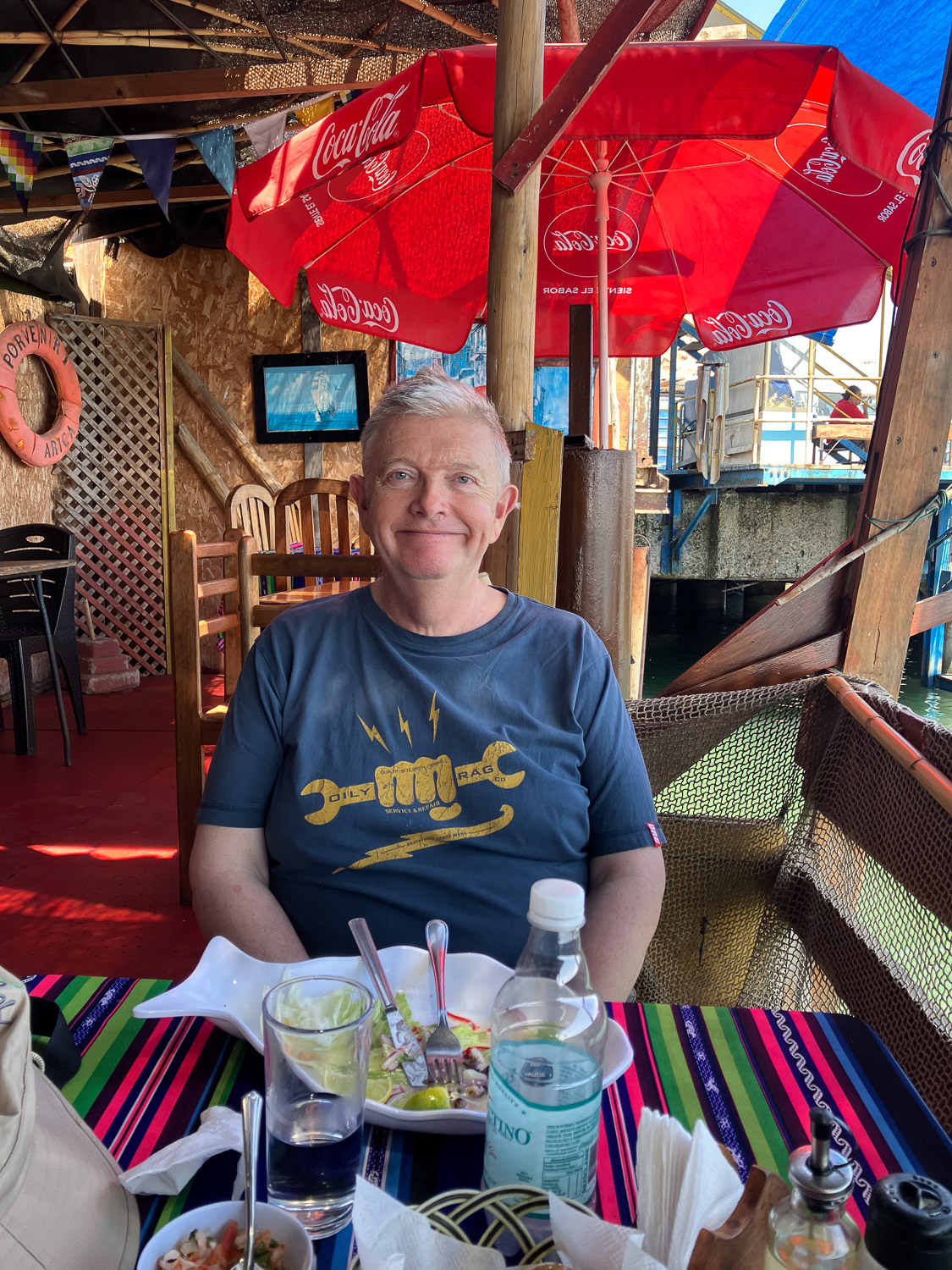
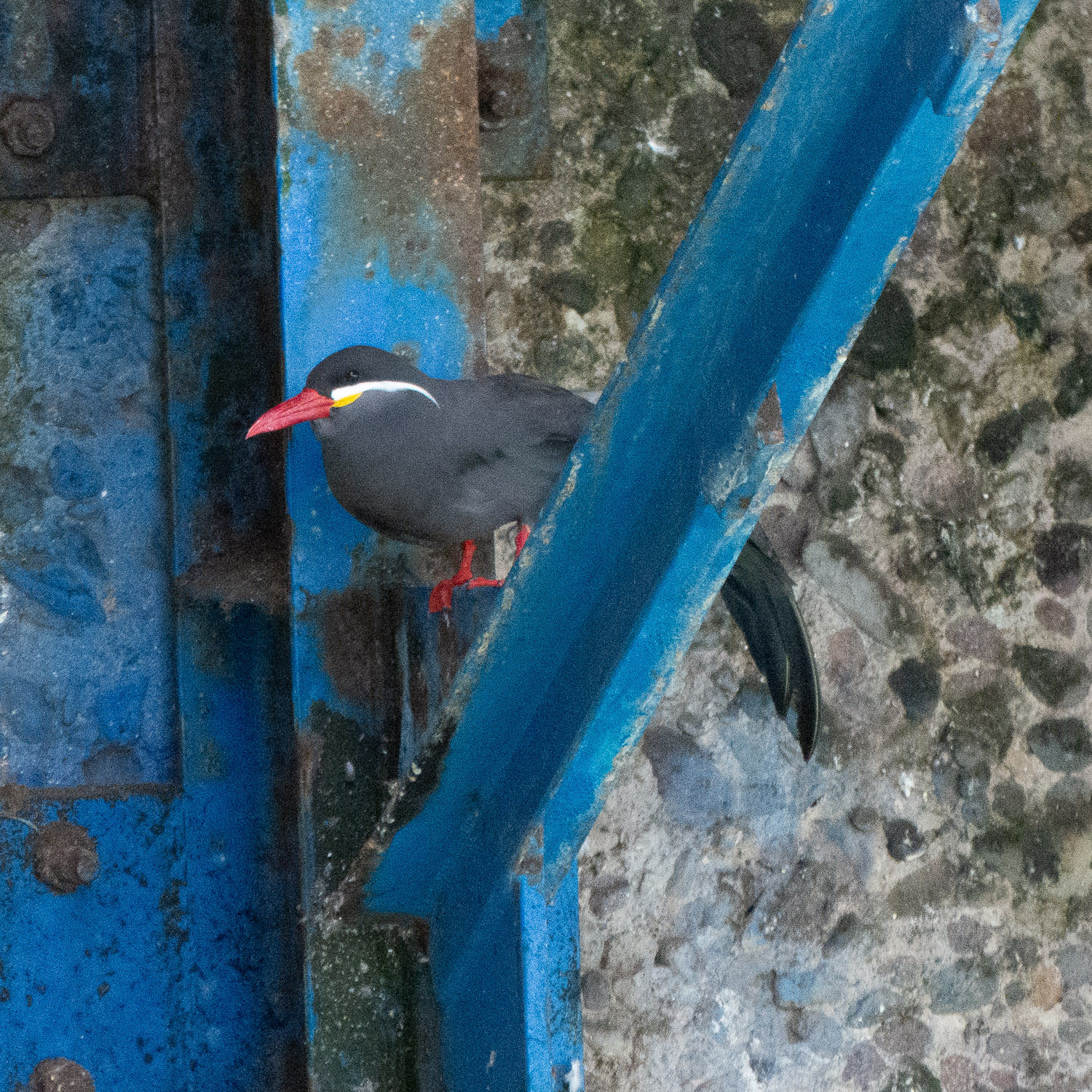
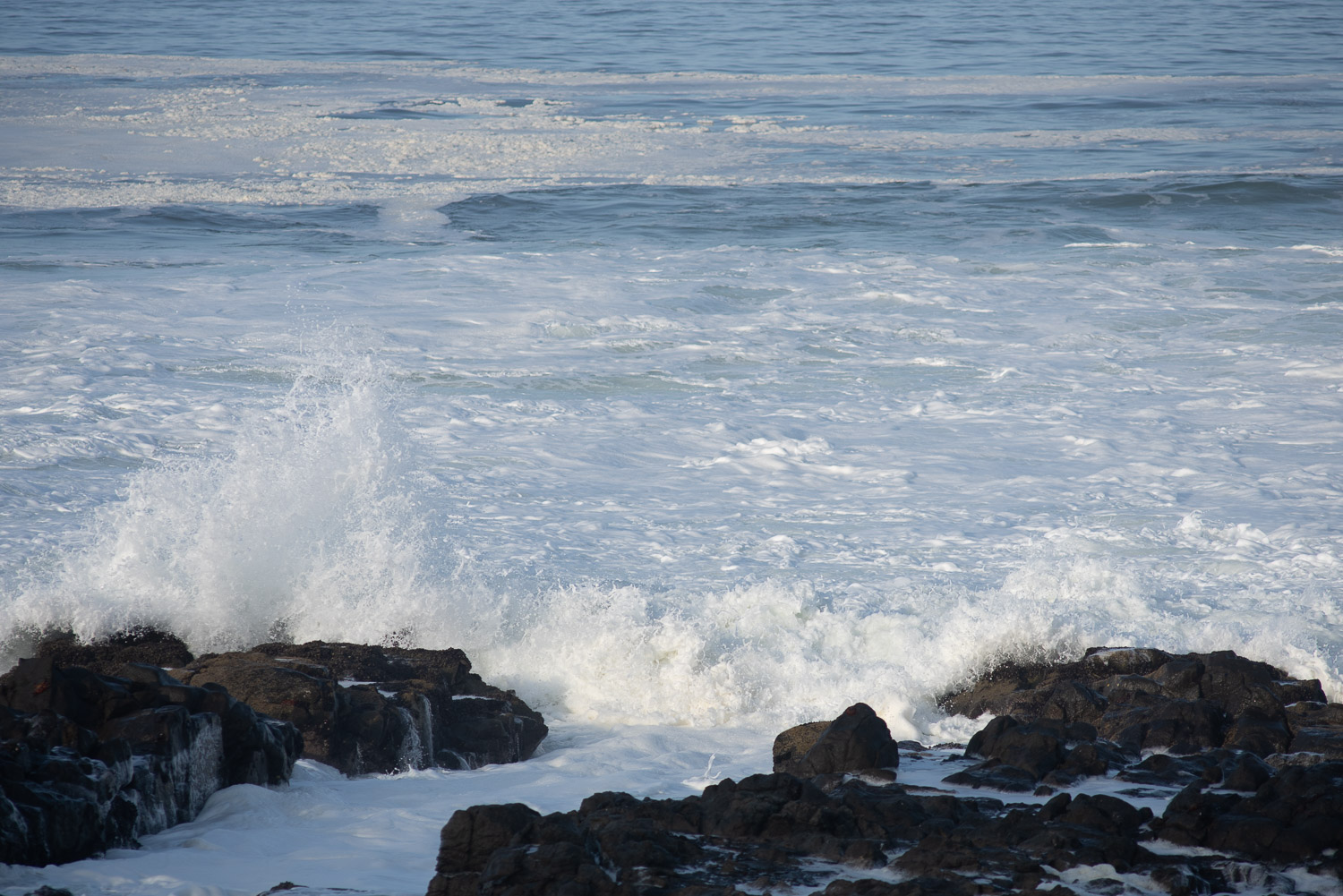
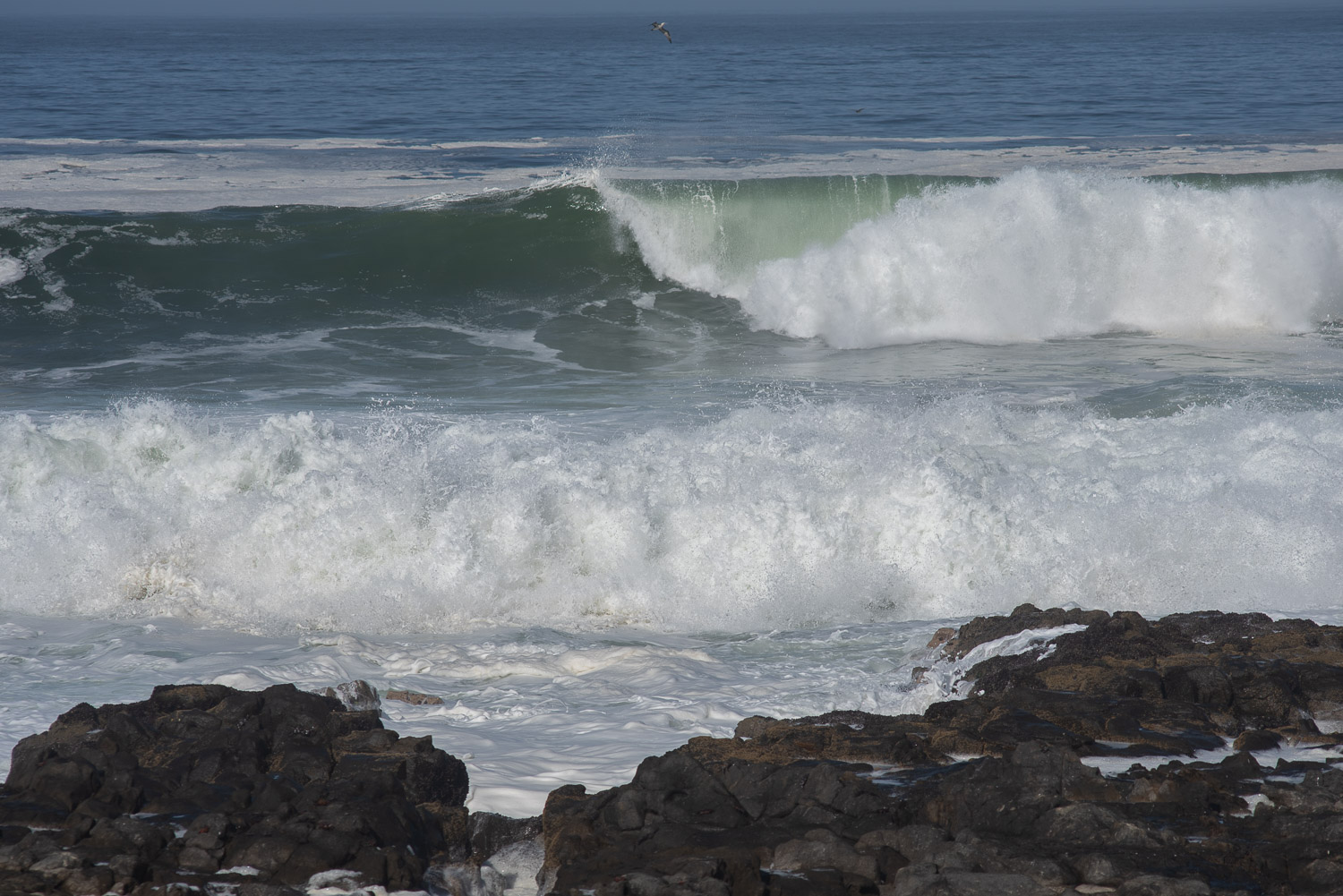
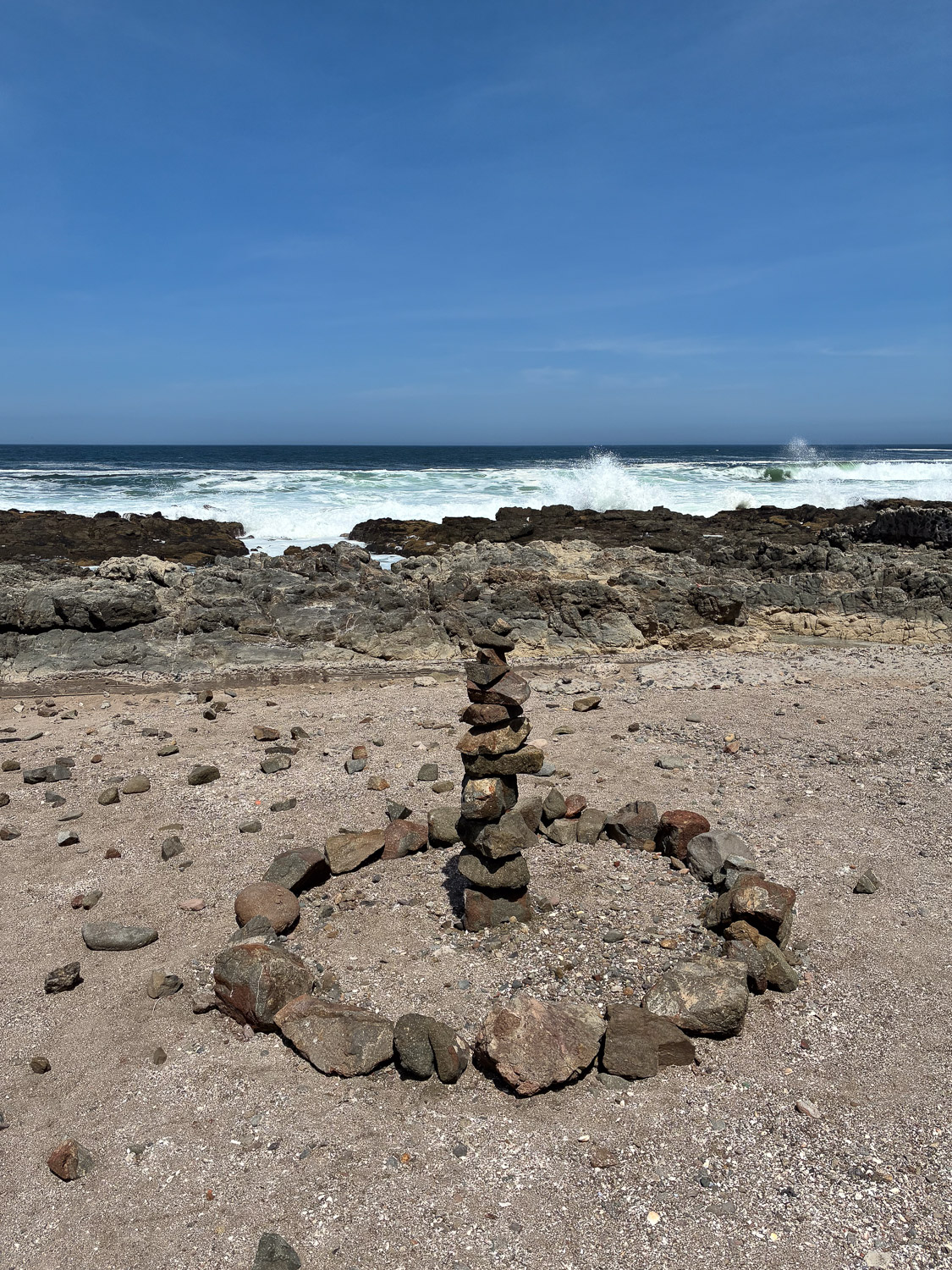
On our last day, we had some pretty big waves right by the hotel. David starting saying things like ‘How tsunami-proof do you think this hotel is?’
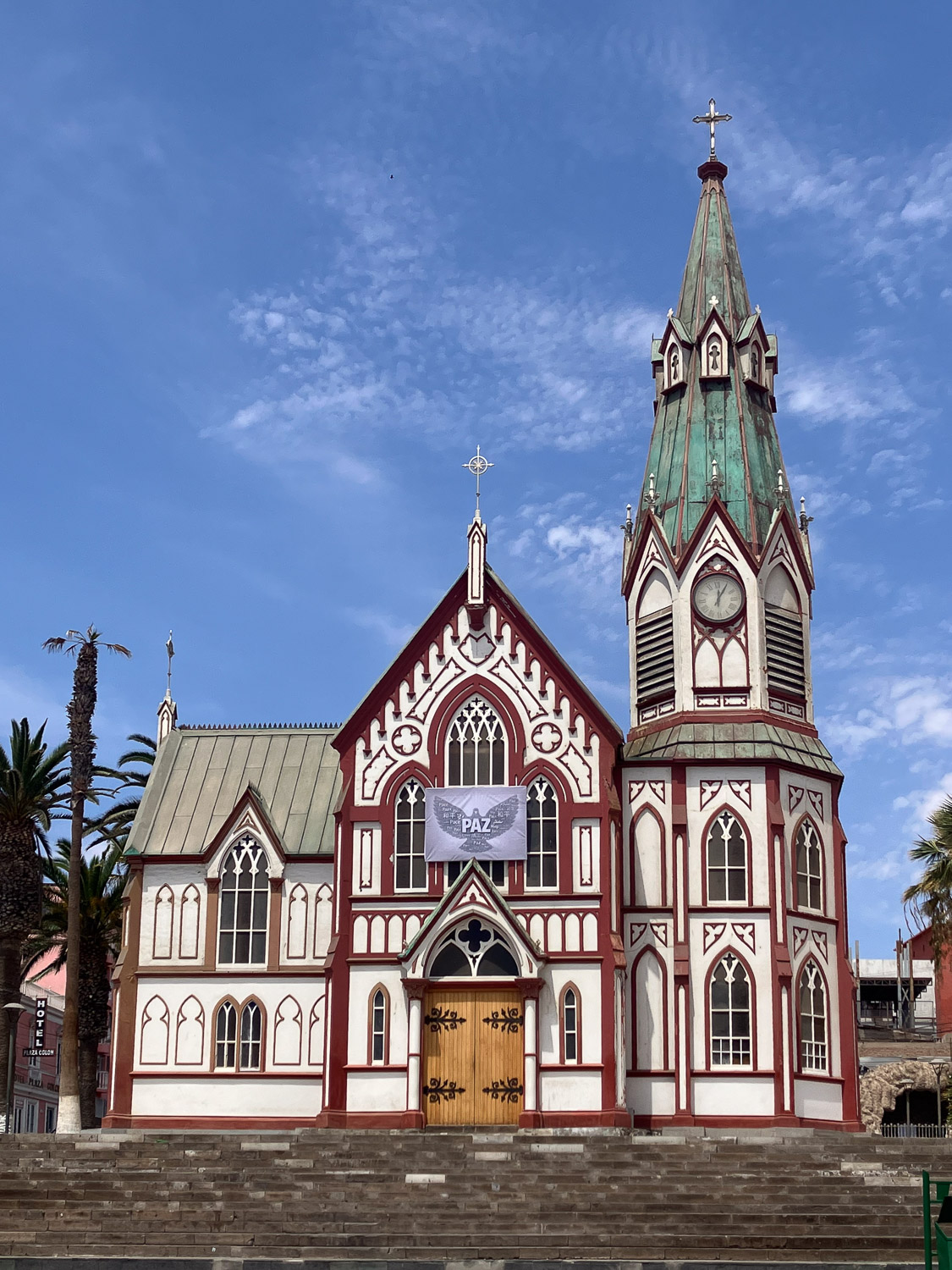
A flat-packed cathedral! This was commissioned from the workshops of Gustave Eiffel and shipped to Arica in 1875 (when the city was still part of Peru).
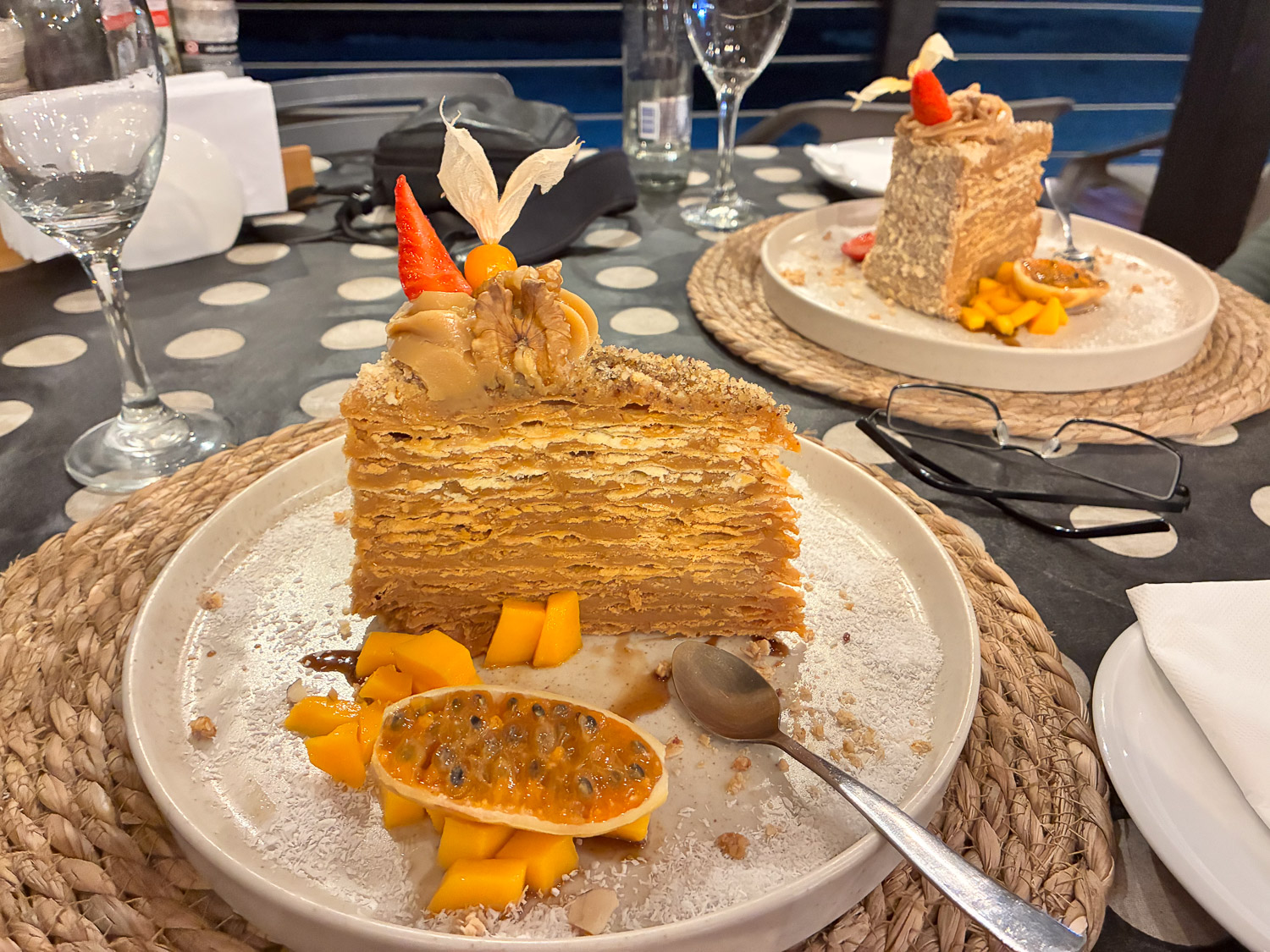
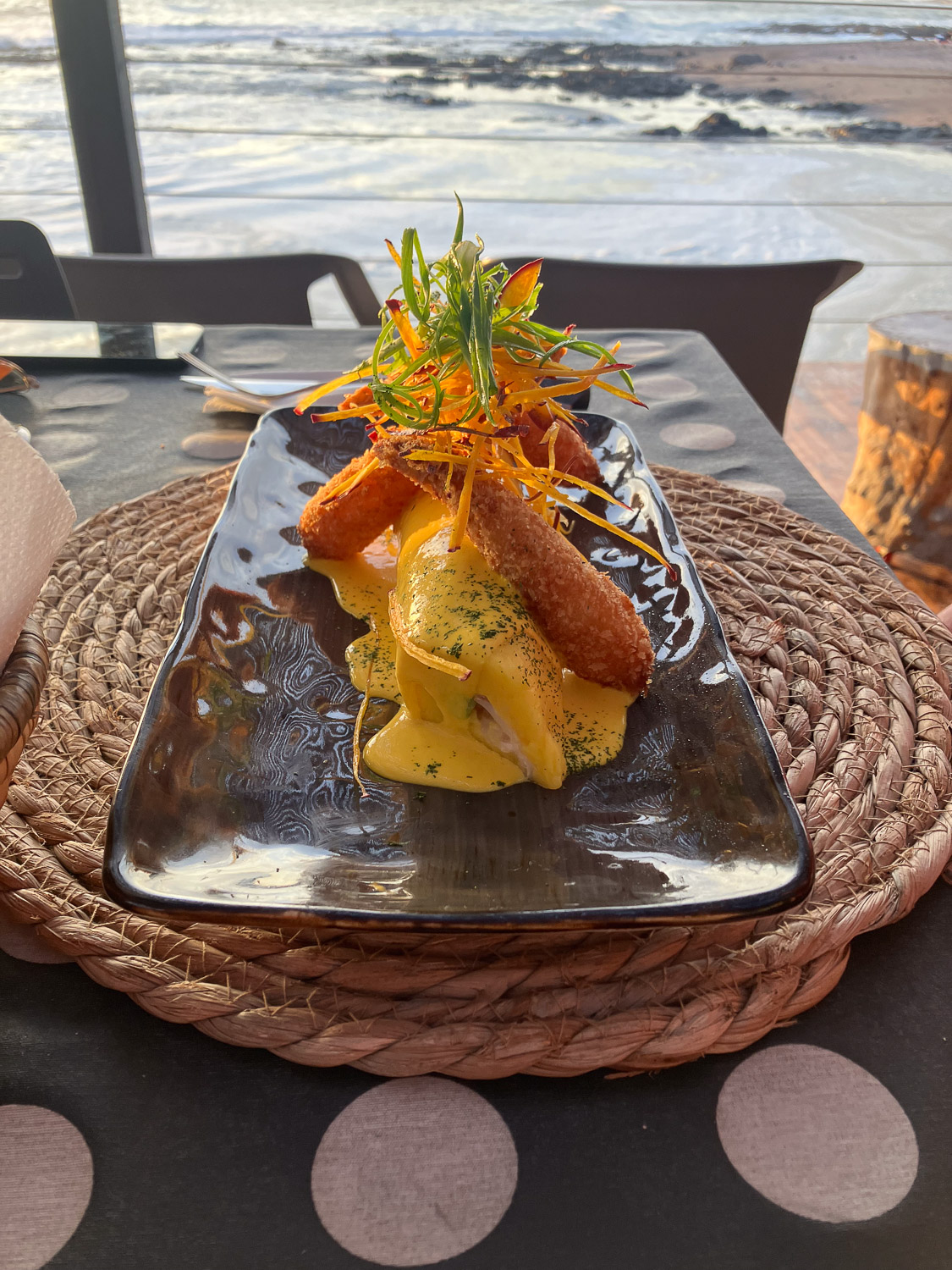
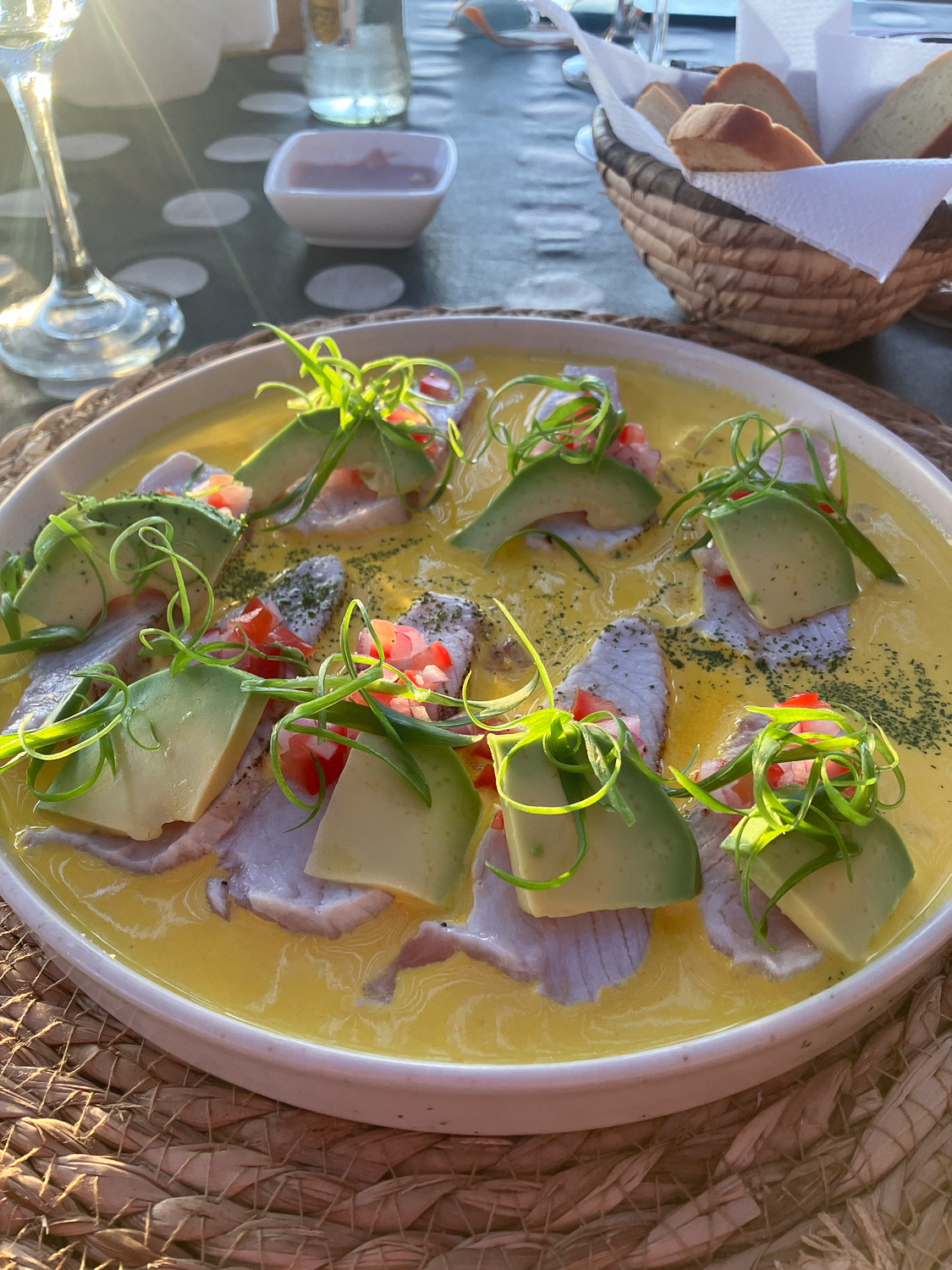
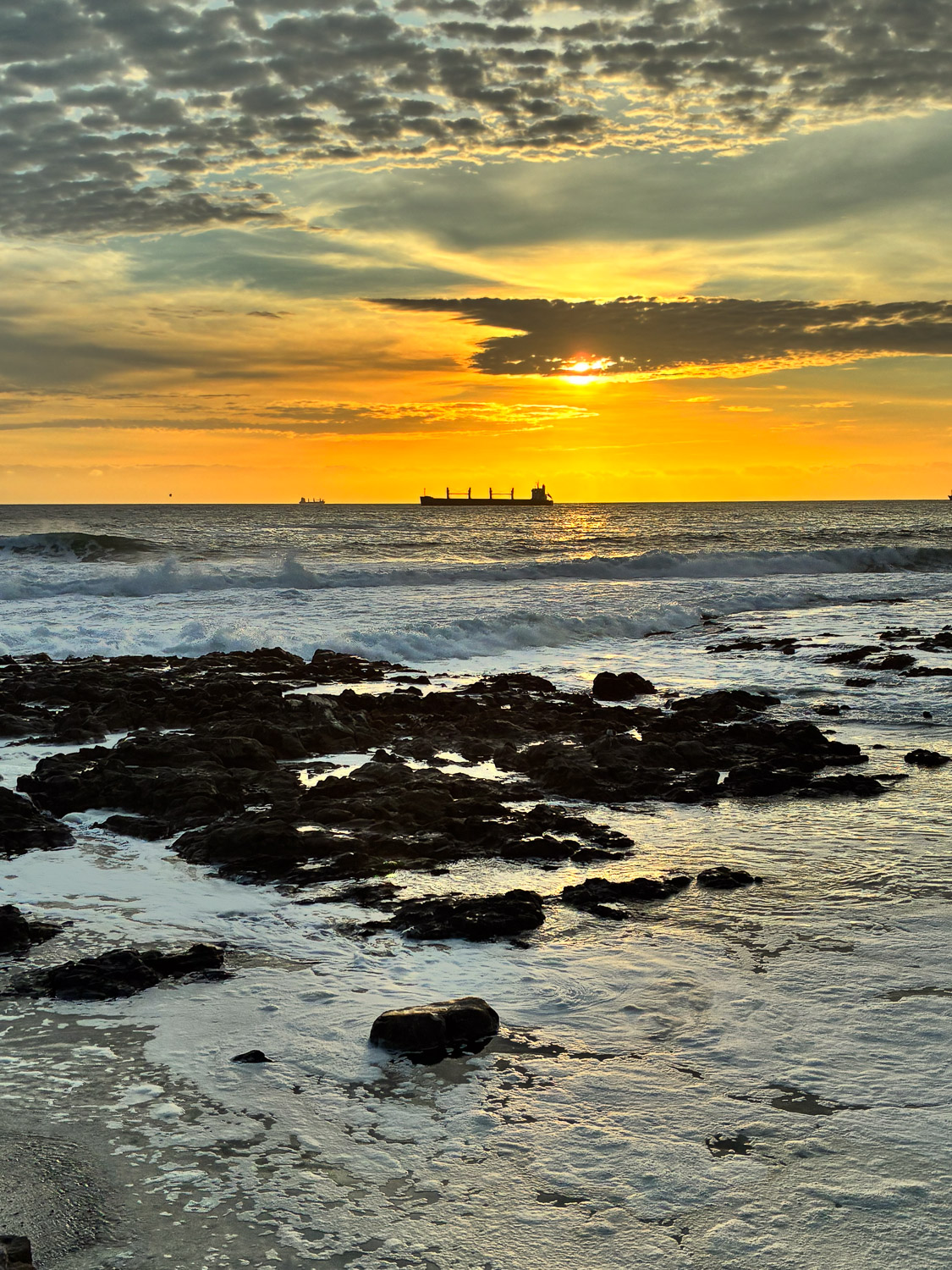
Dinner at the Apecheta. Stunning sunsets and excellent food (with a Japanese influence), but the service was a bit erratic; we formed the impression that one poor over-worked waiter/cook was dealing with everything. One had to pre-order meals in the morning for a specfic time and that system was reasonably efficient; however, we found out that if we wanted a pre-dinner pisco, we had to go down at least 90 minutes before dinner for the the drink to materialise at the appropriate time. There was also some initial confusion as to whether drinks had to be ordered from reception or from the overworked chap (the latter, it turned out). The first evening, Annette went to reception and asked if we could have two pisco sours. The receptionist said ‘Of course’, so she thought she had placed an order. In fact, the receptionist was just reassuring her that such a thing was theoretically possible / permissible, but was not taking any steps to bring the piscos into existence. Still, we loved the hotel – one of the most vibrant memories from the trip.
Clos Apalta
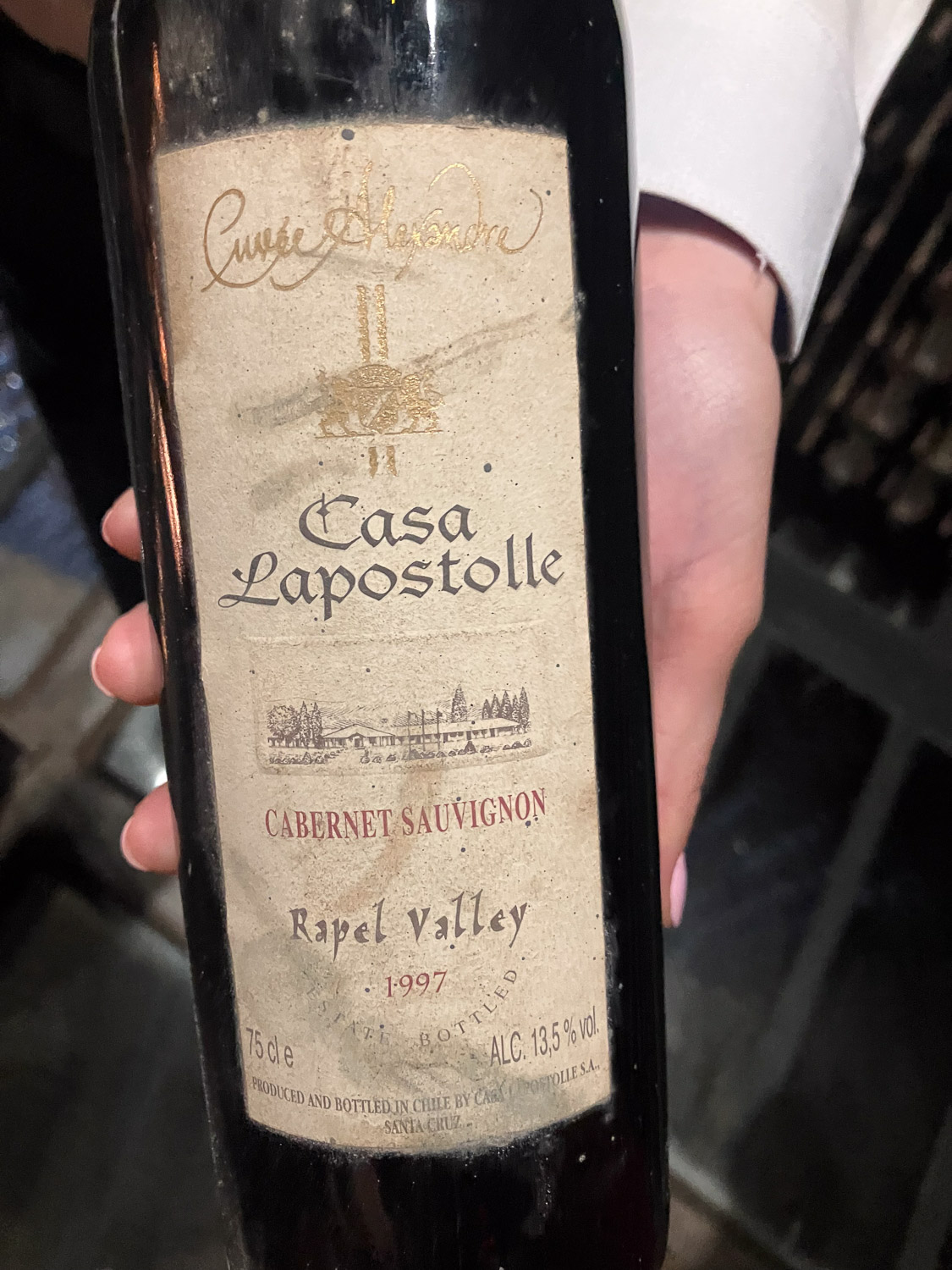
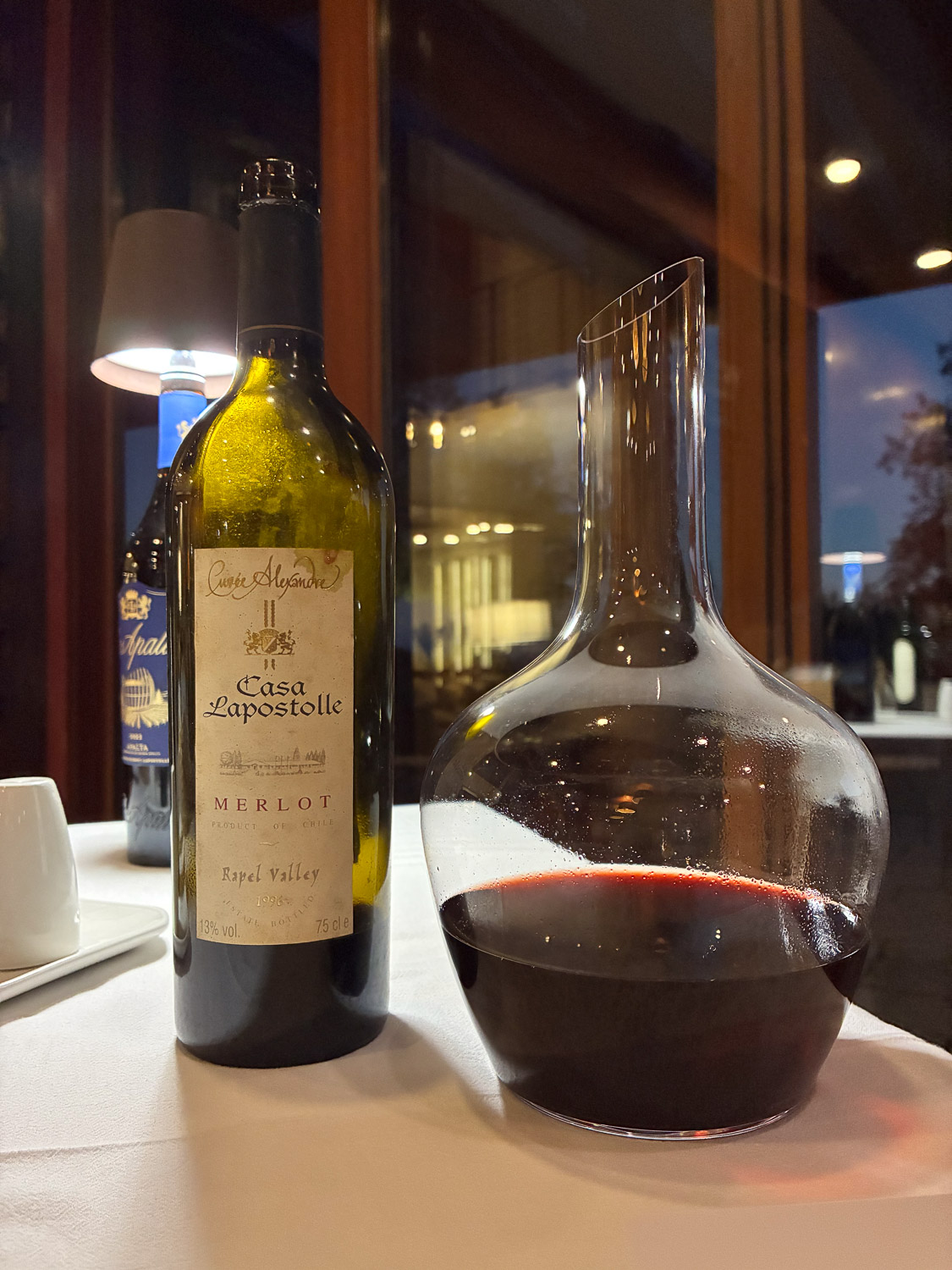
After a brutally early flight from Arica back to Santiago, we had a ca. three-hour transfer to the very luxurious Clos Apalta winery in the Colchagua Valley. The winery was founded by a member of the family who had owned Grand Marnier and the place has a very French feel, right down to the name and the styling of the labels on the wine bottles.
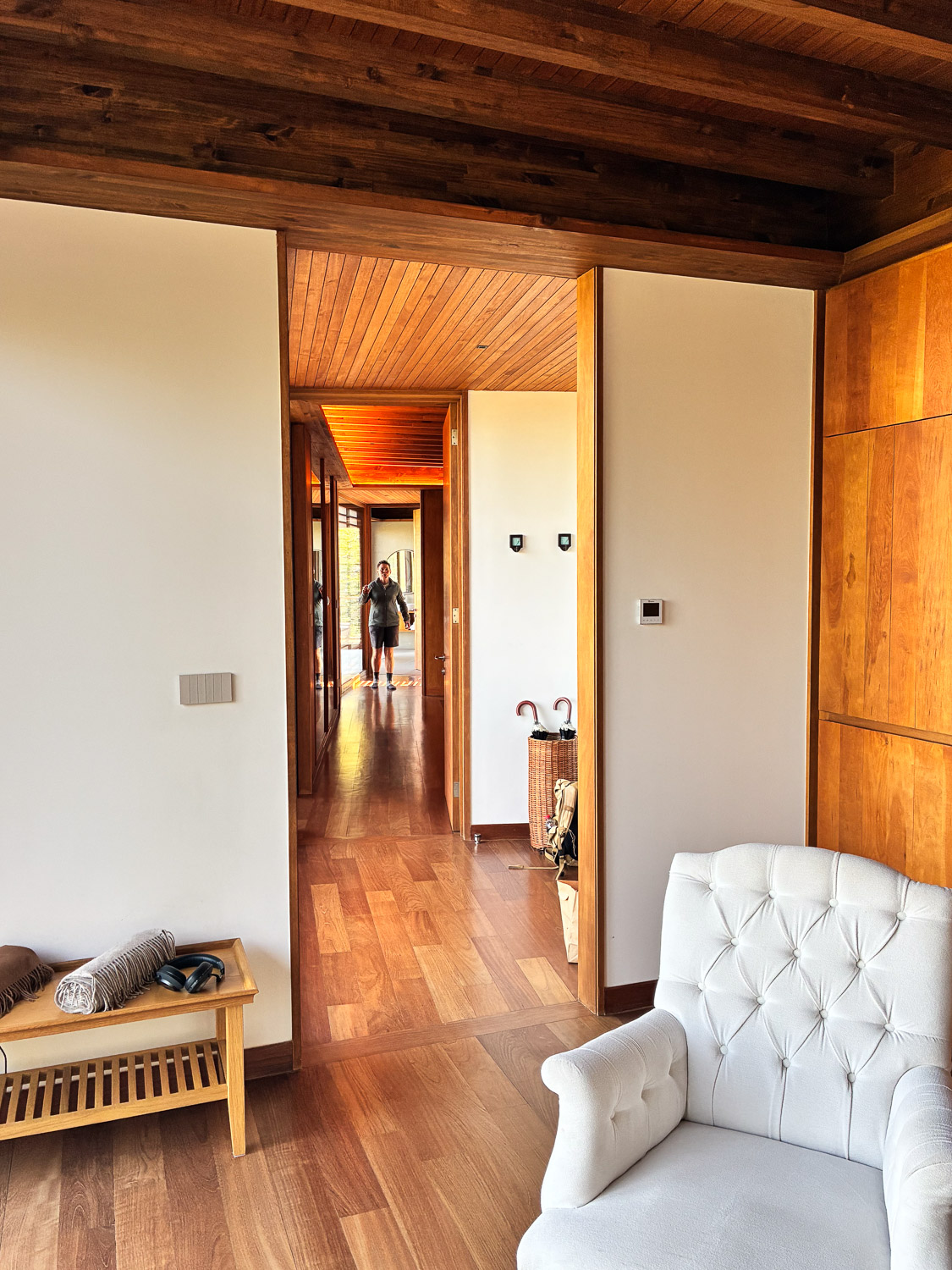
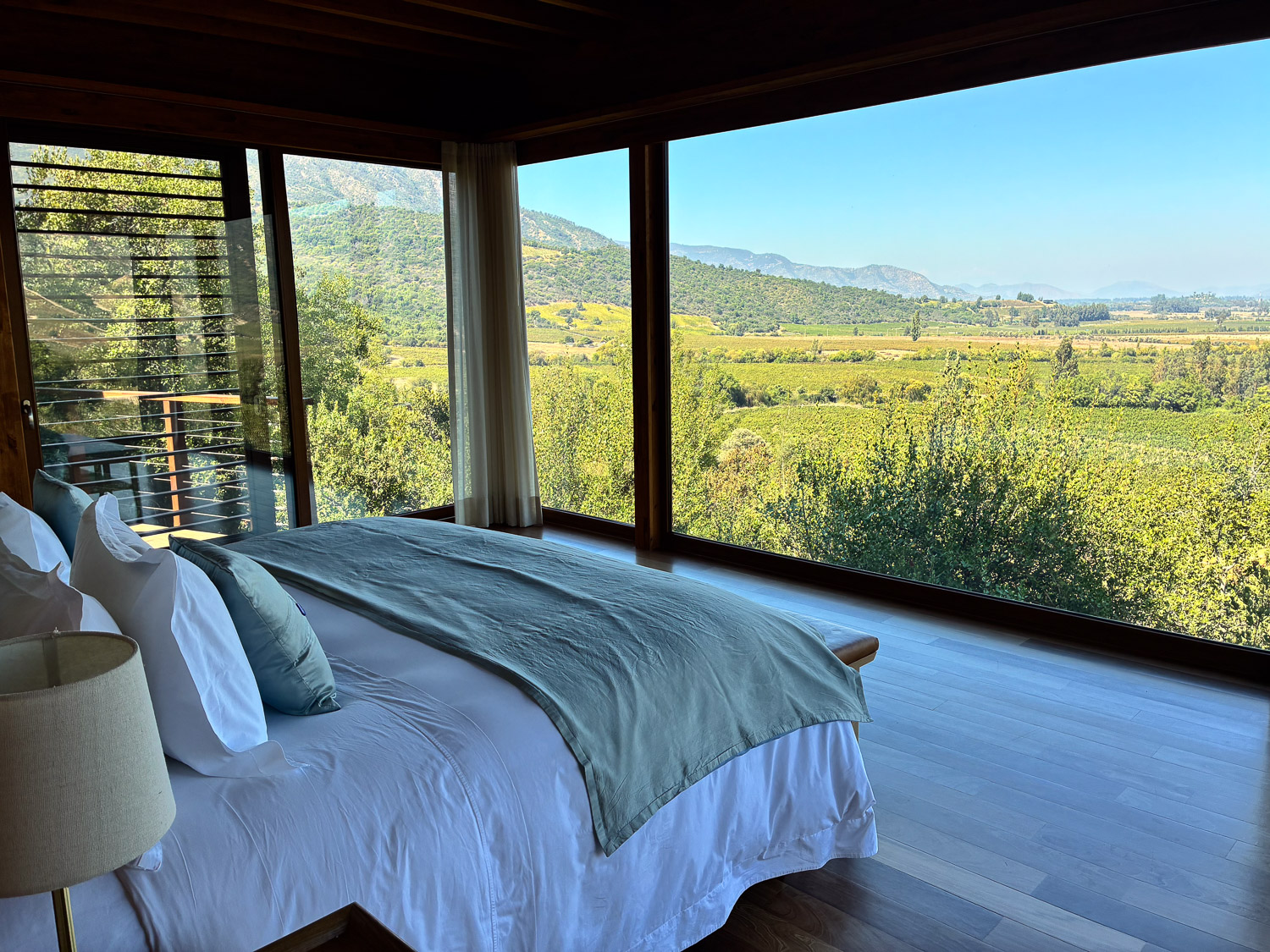
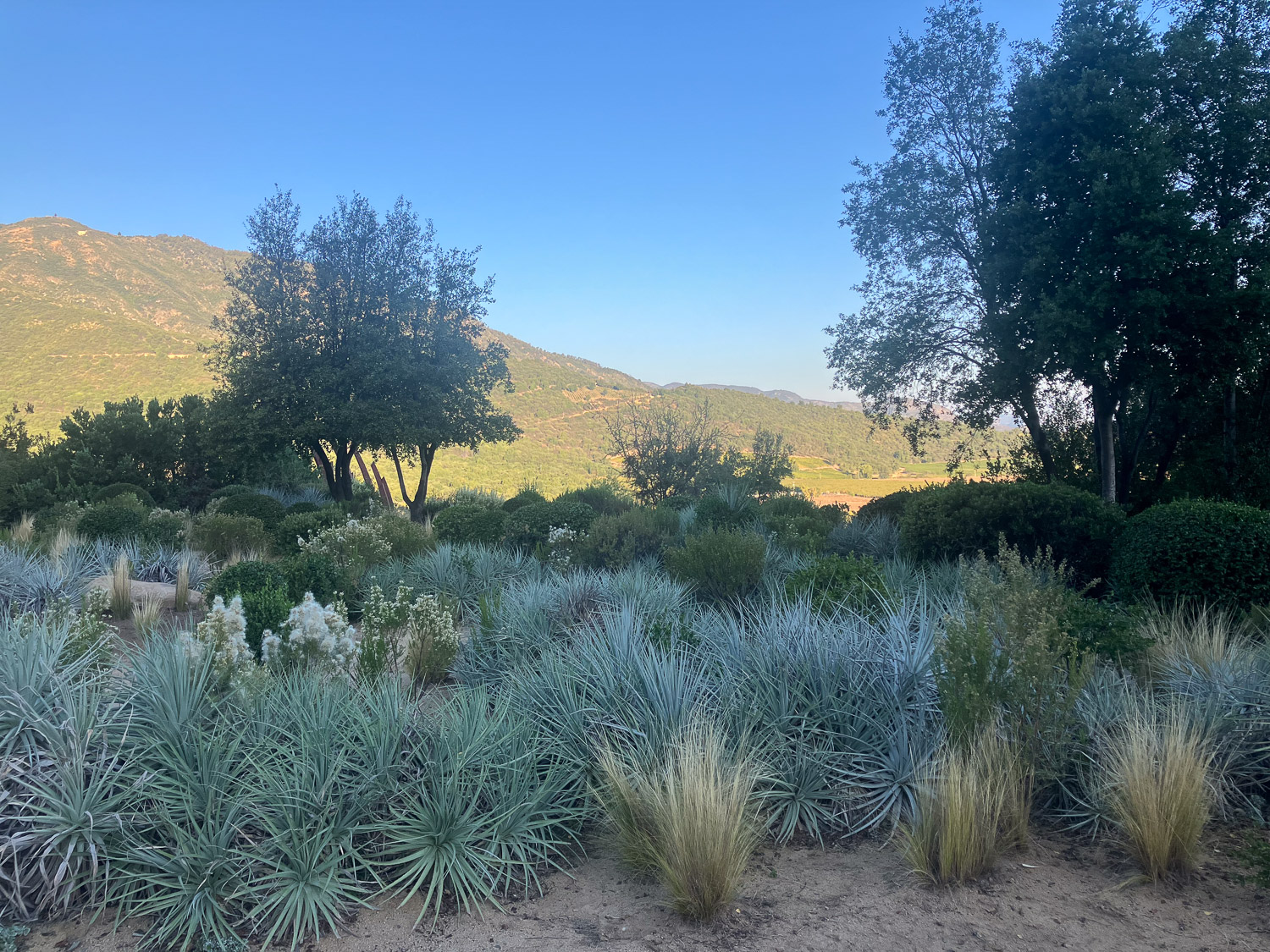
Here we stayed for two nights in a huge ‘casita’ on the hillside. The views were amazing and there was a big deck where Annette could do her pilates next to the plunge pool.
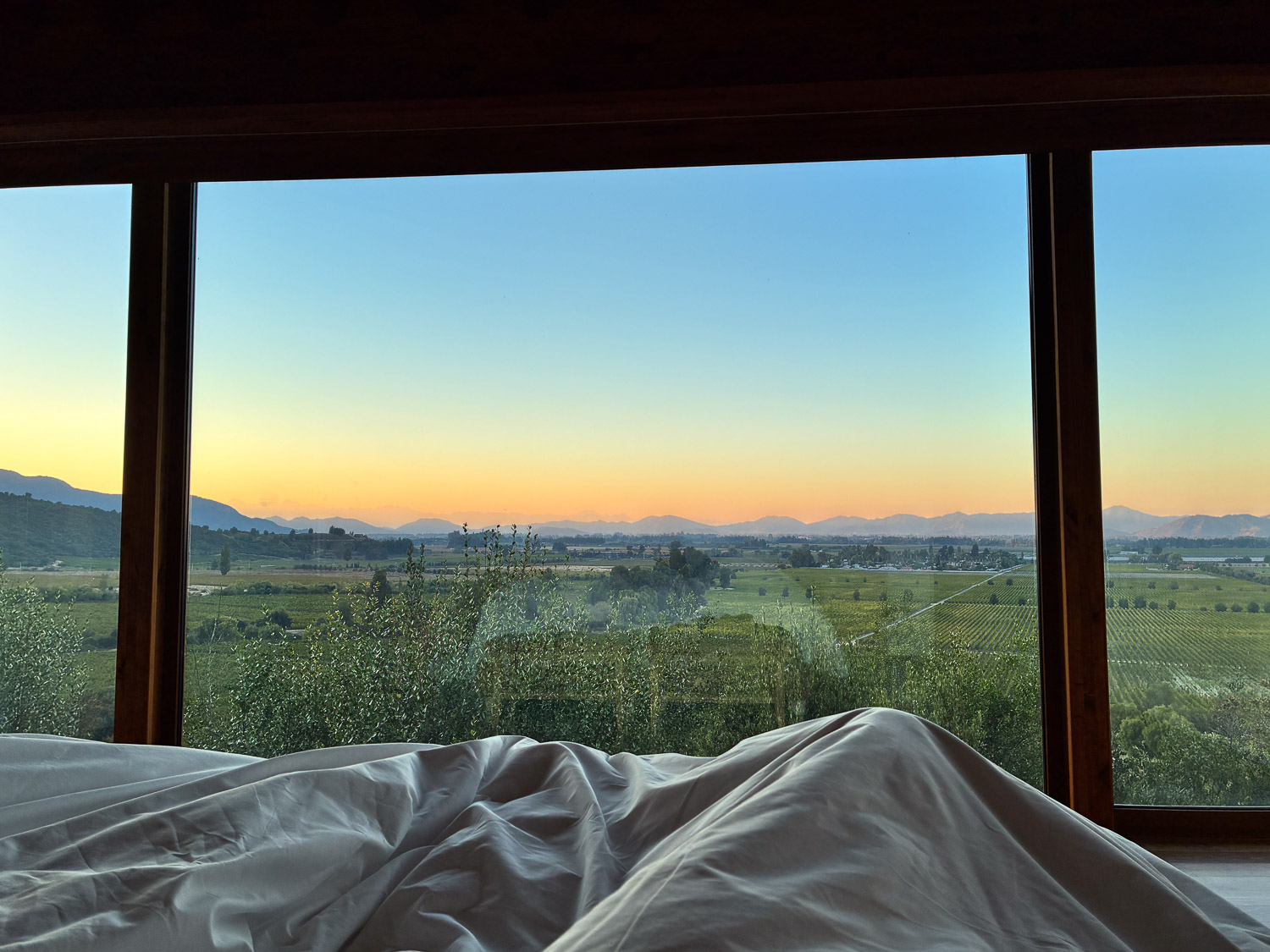
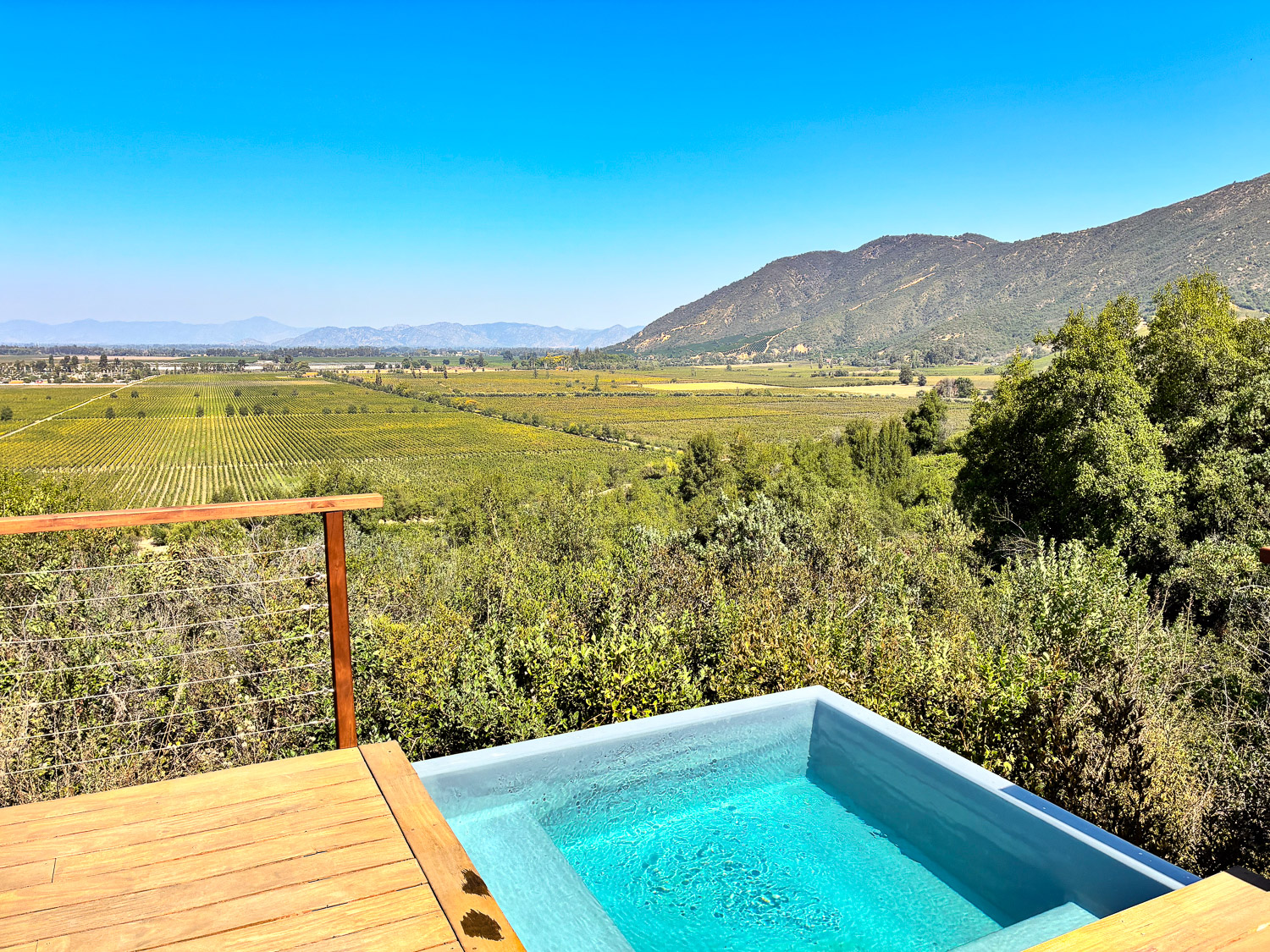
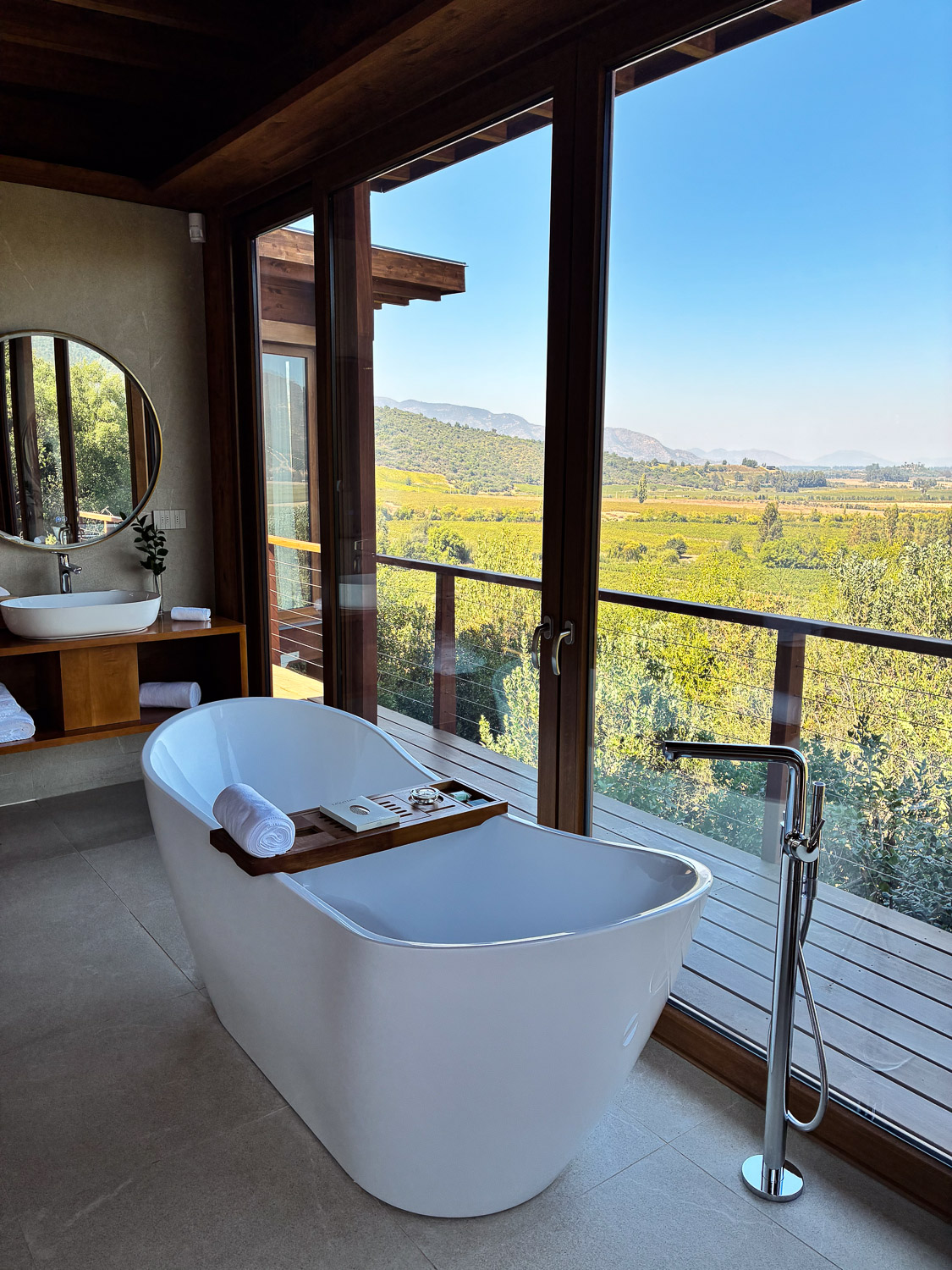
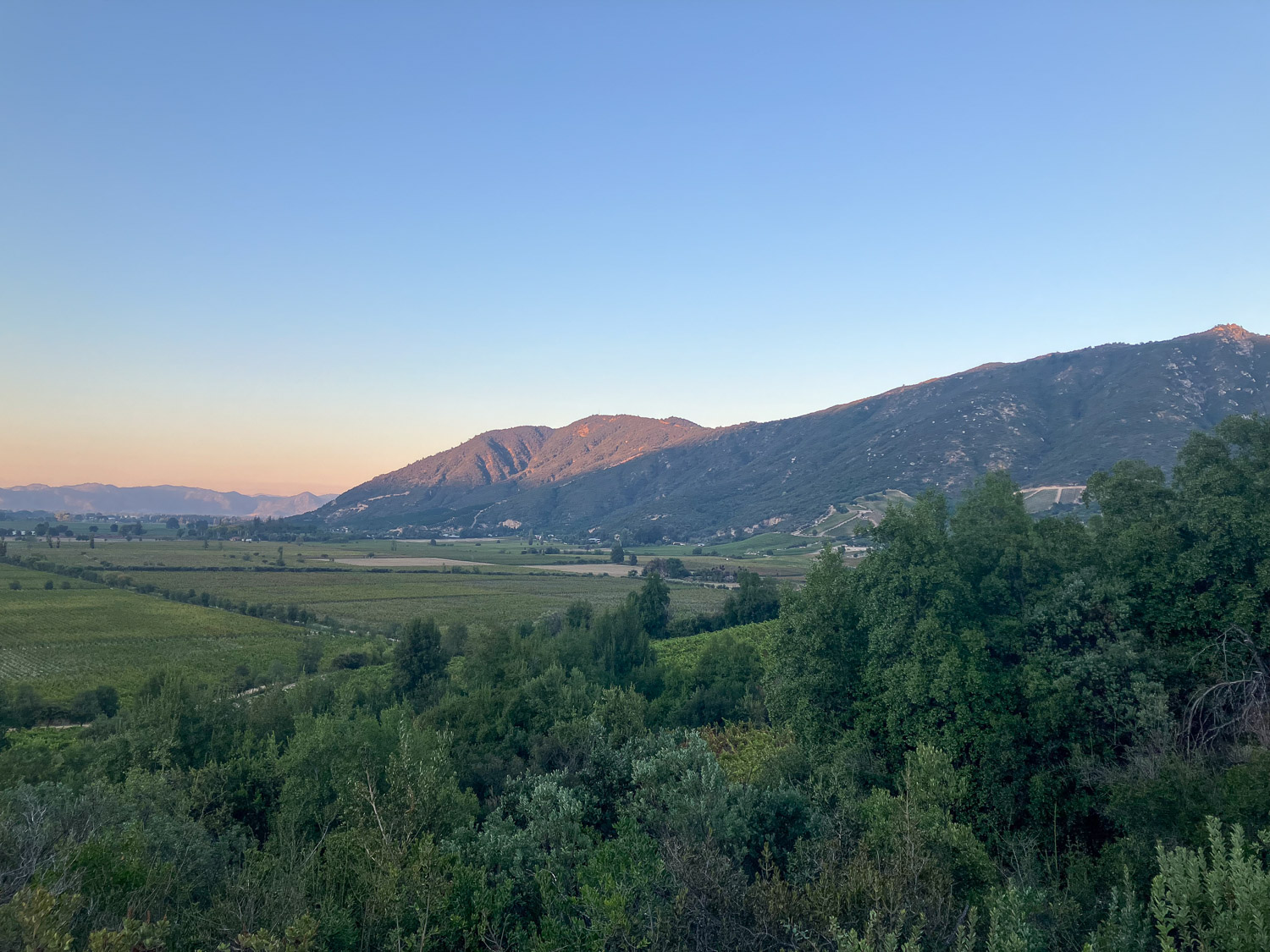
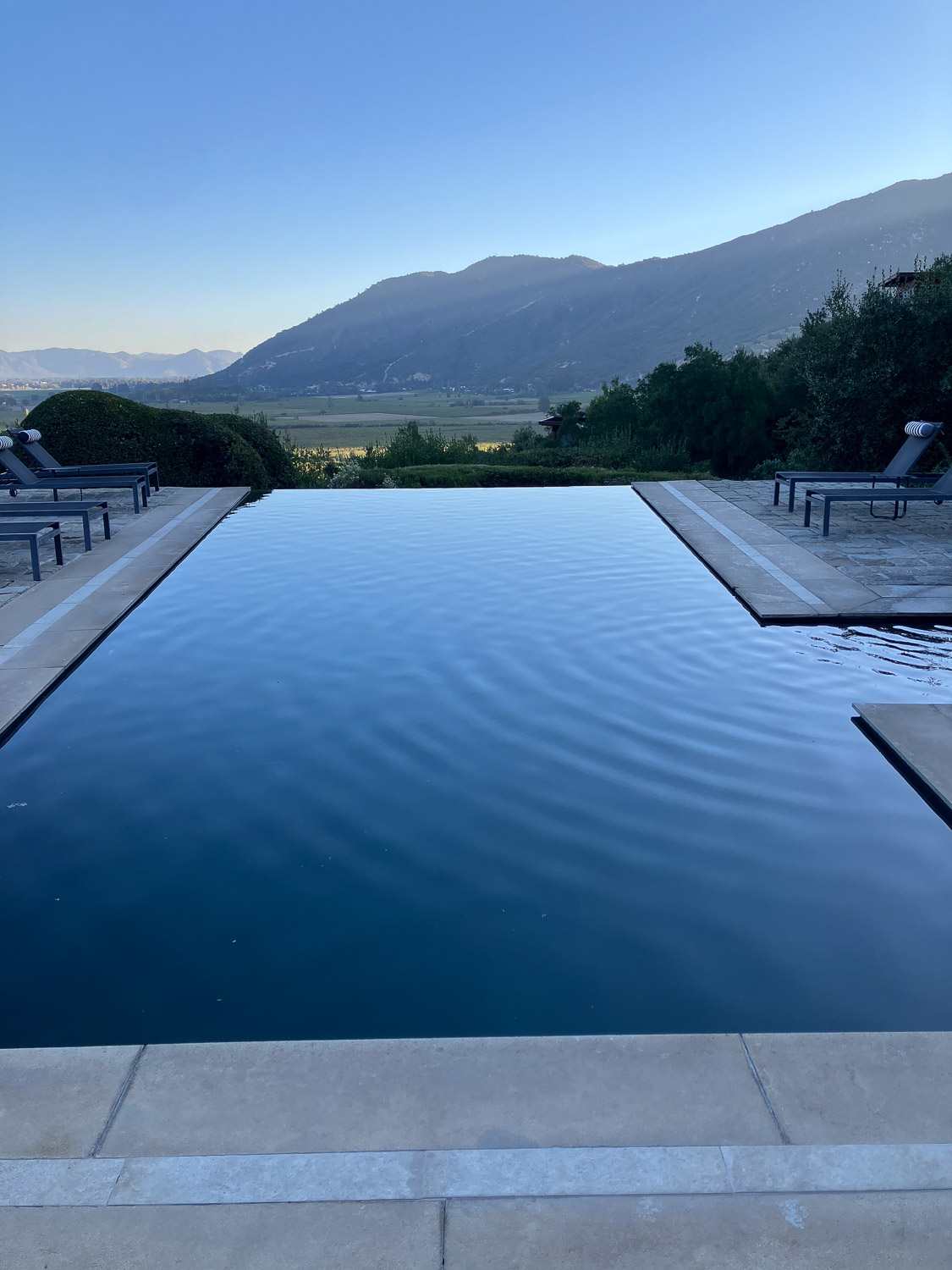
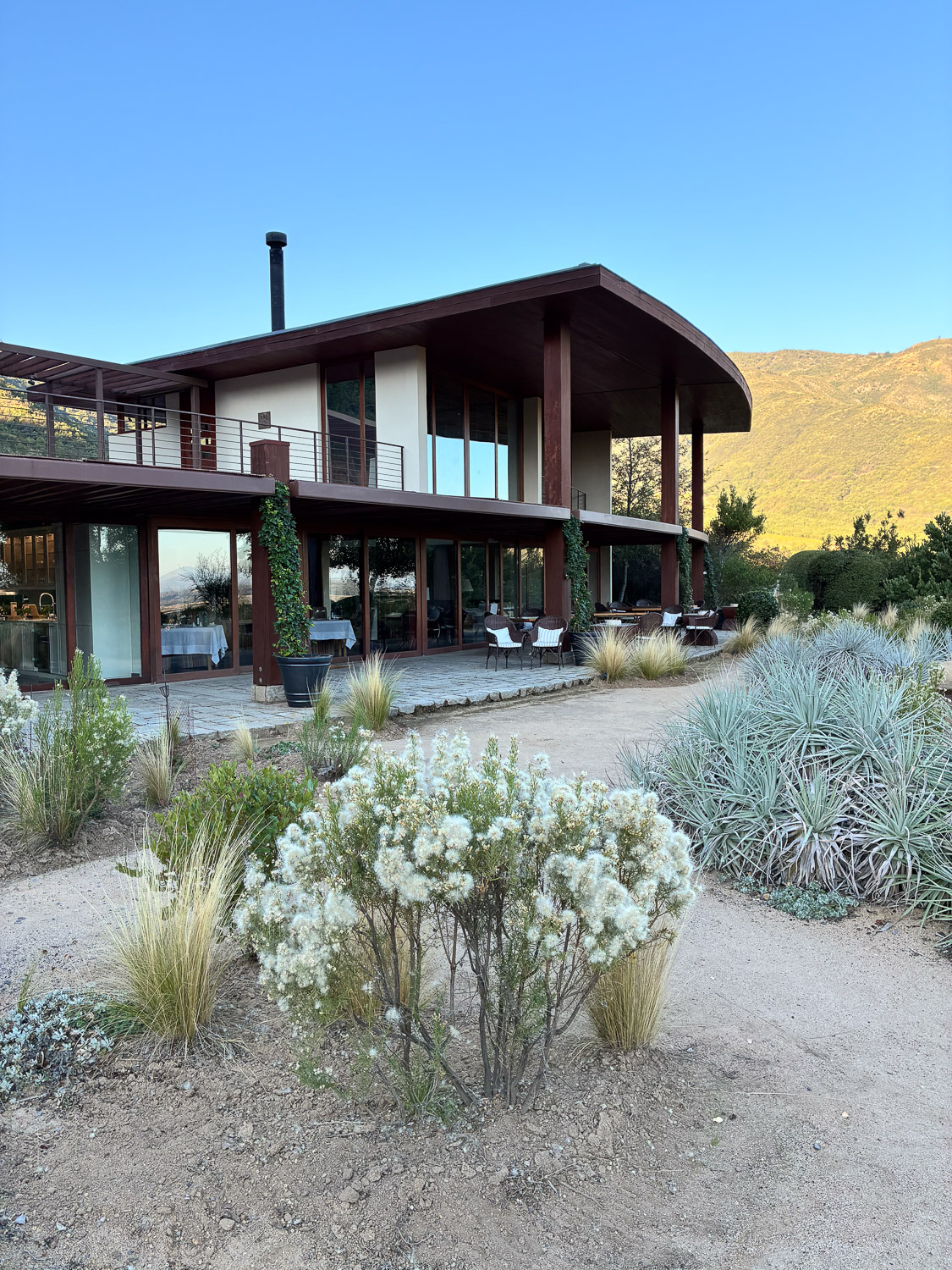
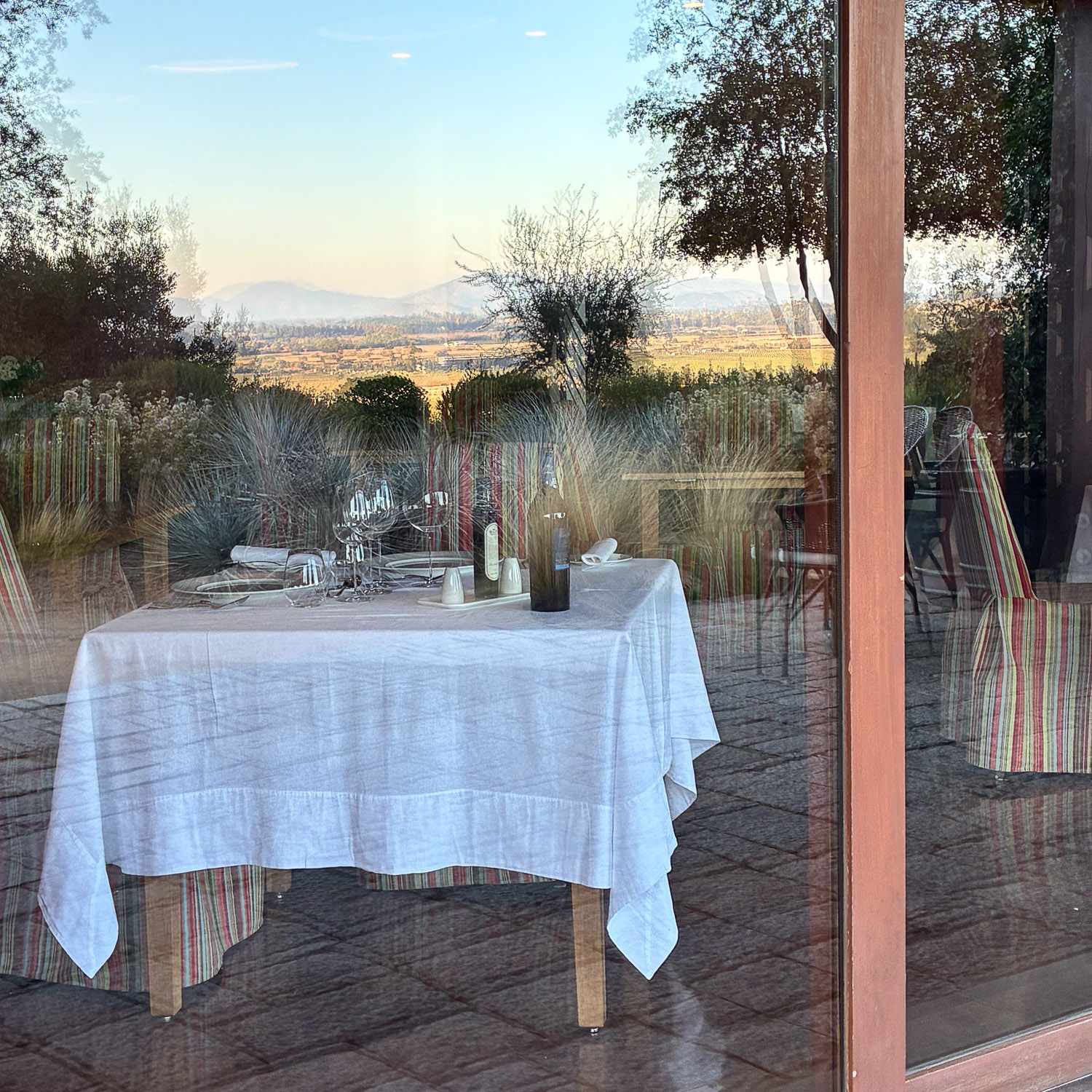
The main building with the restaurant and a very enticing pool that we actually never got round to trying.
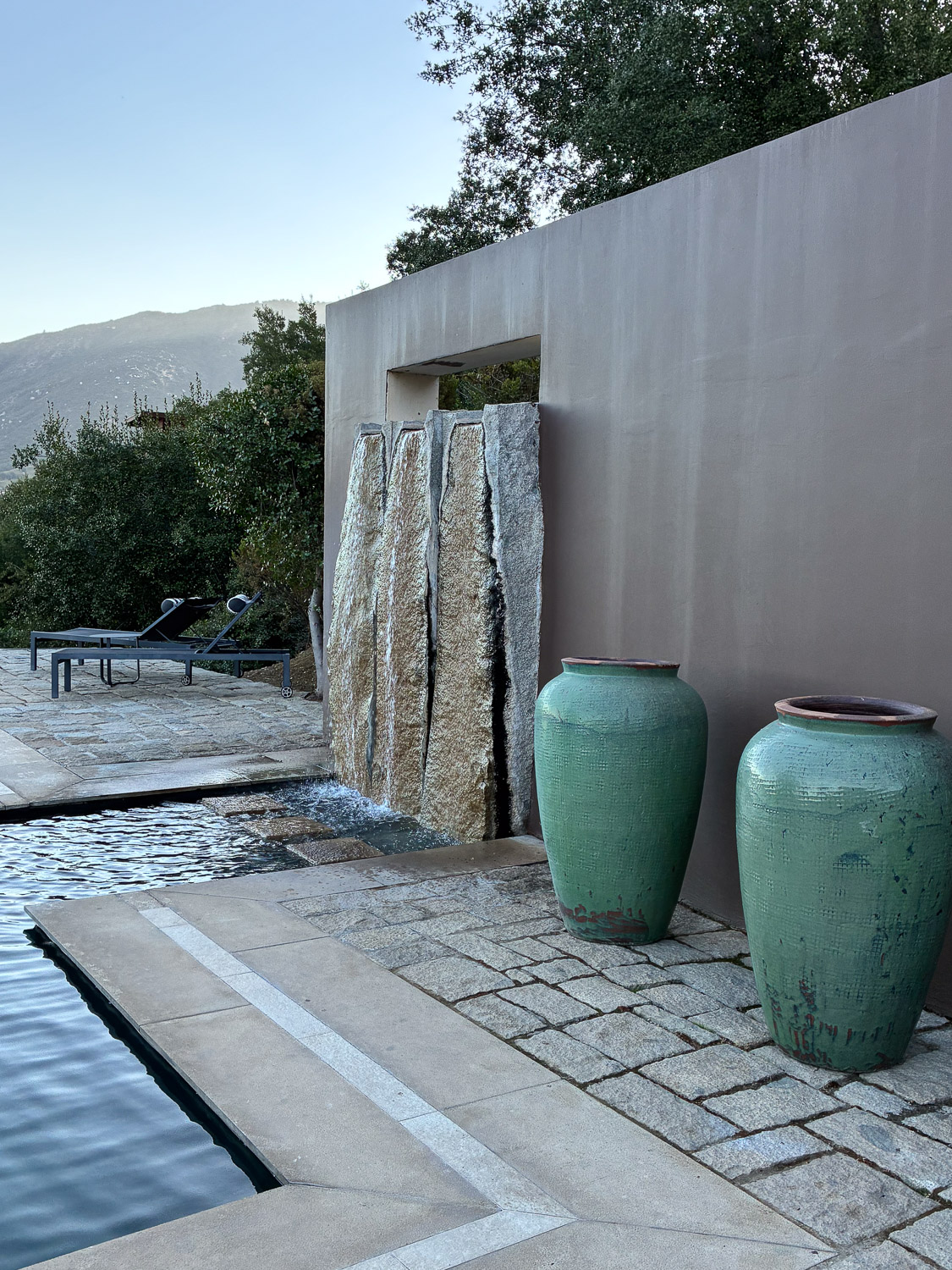
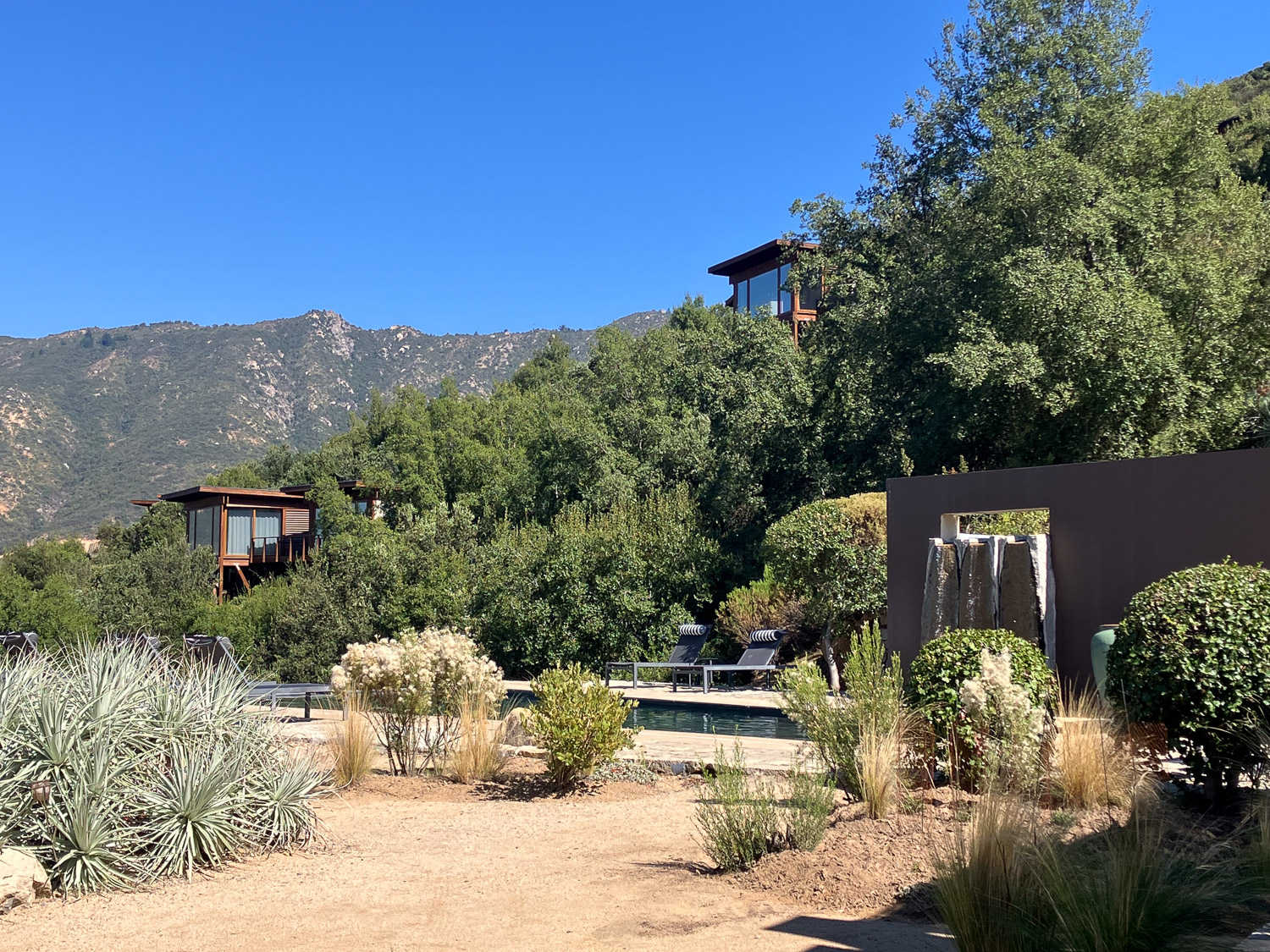
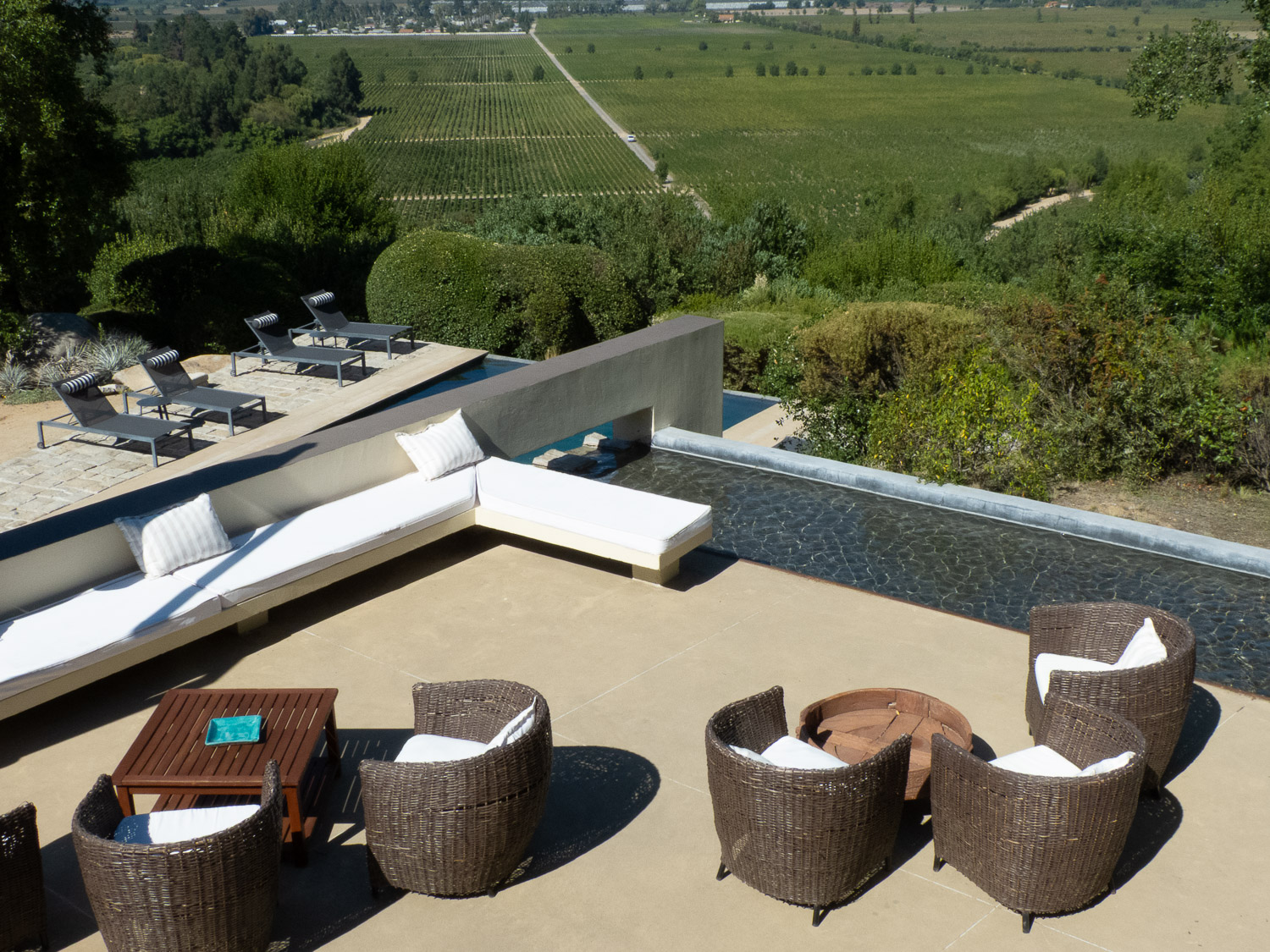
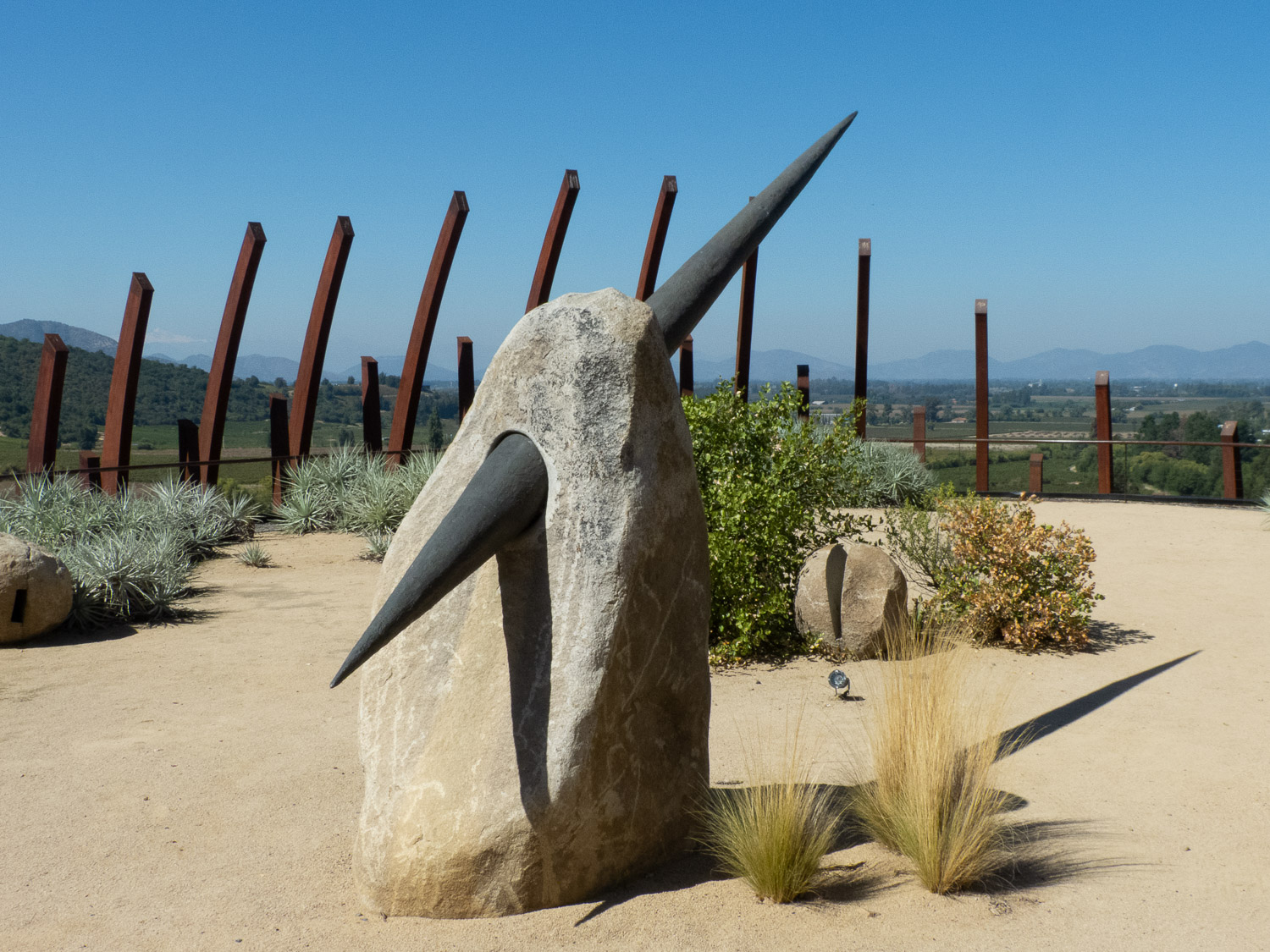
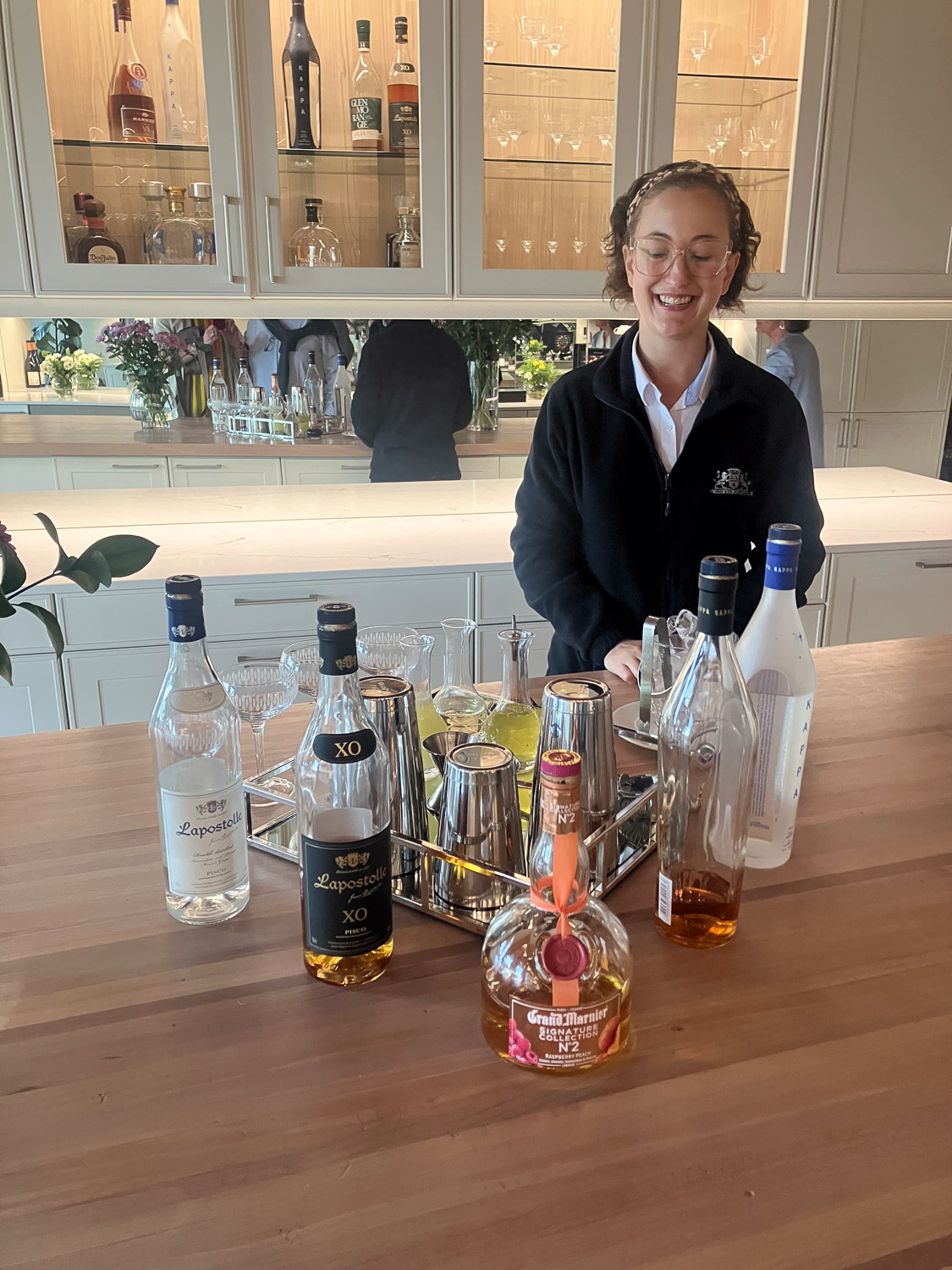
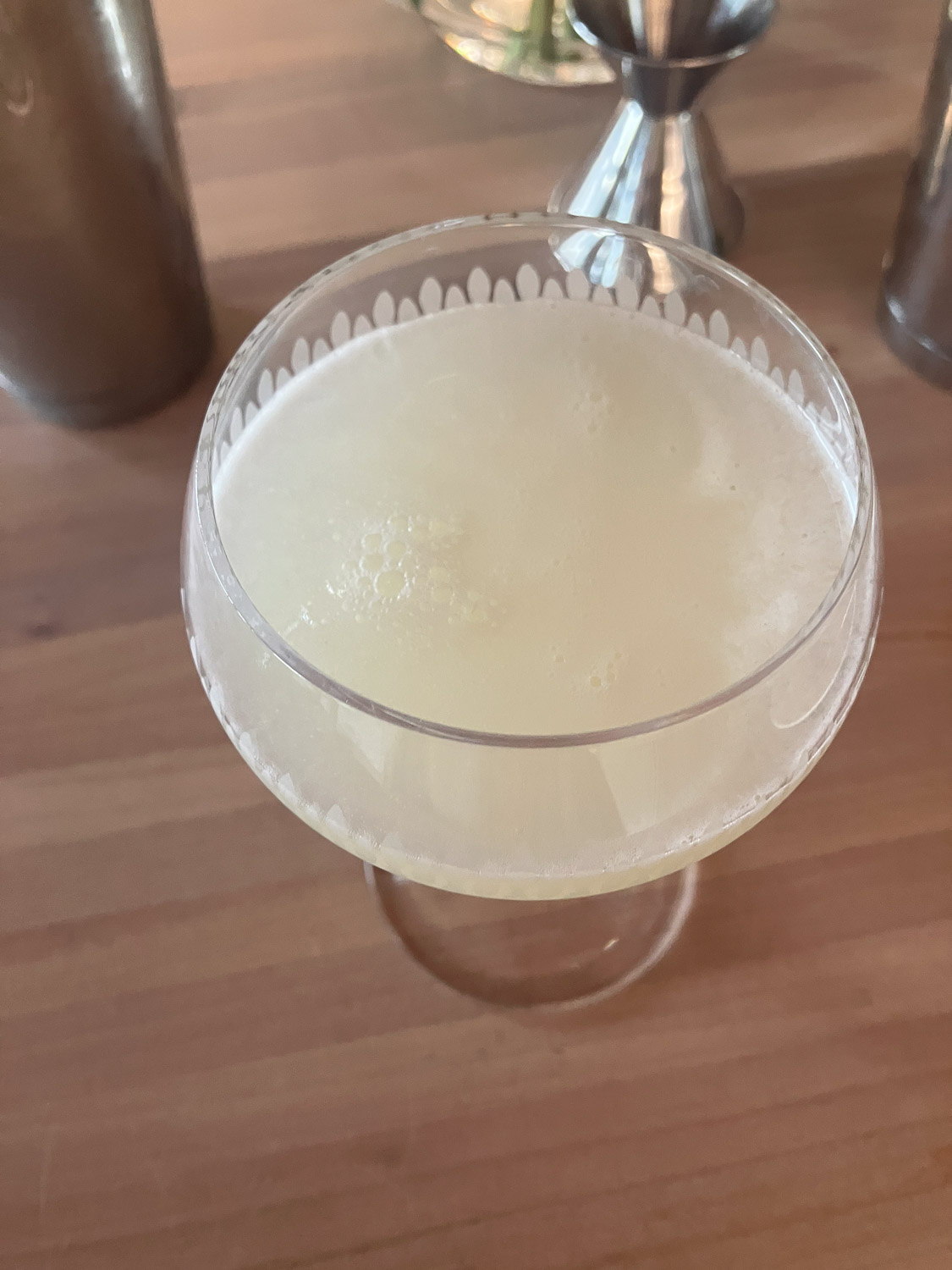
We had a lesson in how to make Pisco Sours (not actually with Grand Marnier…) The bottle of Grand Marnier standing out is rare because it has a peach flavour, rather than orange.
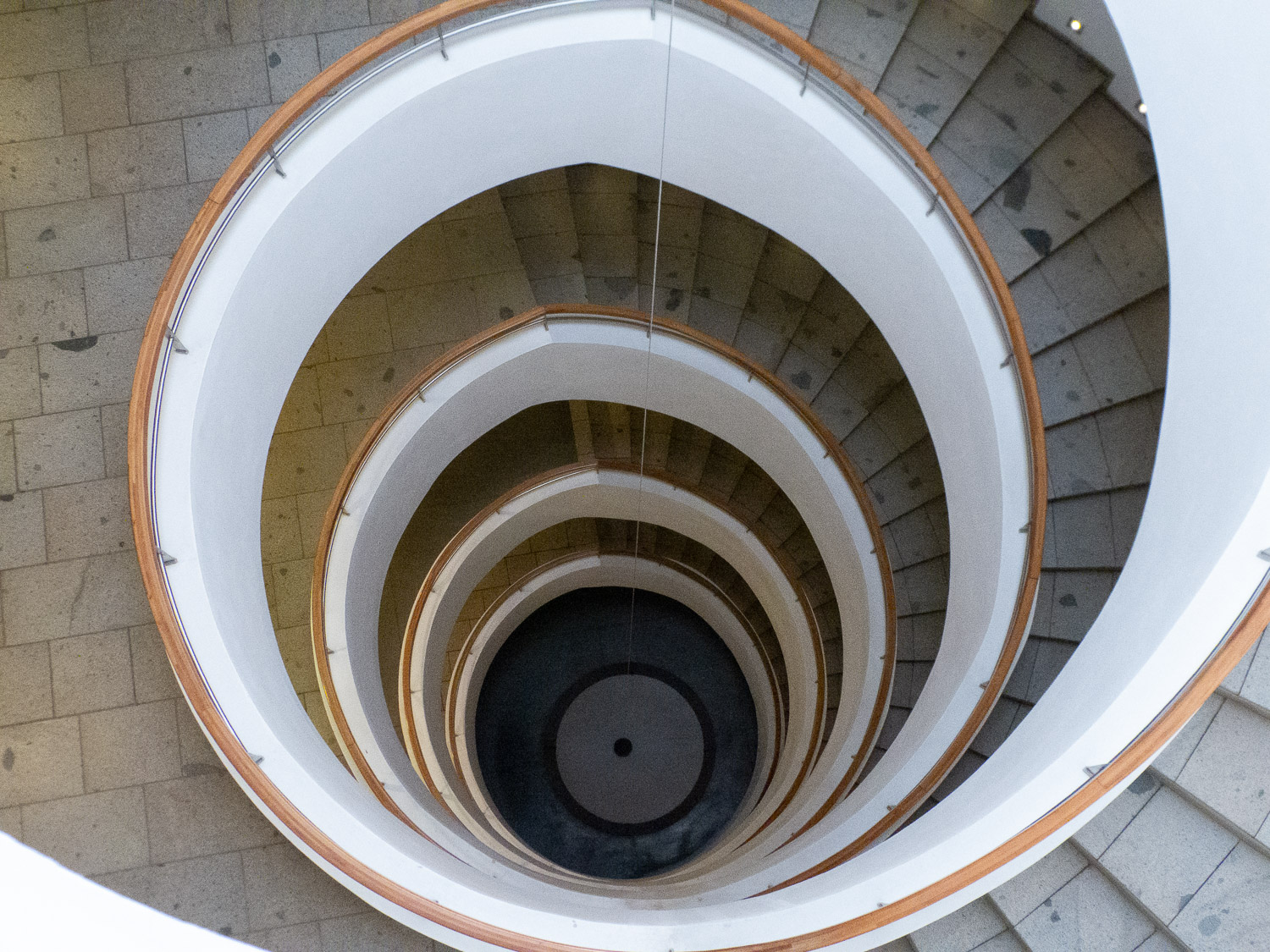
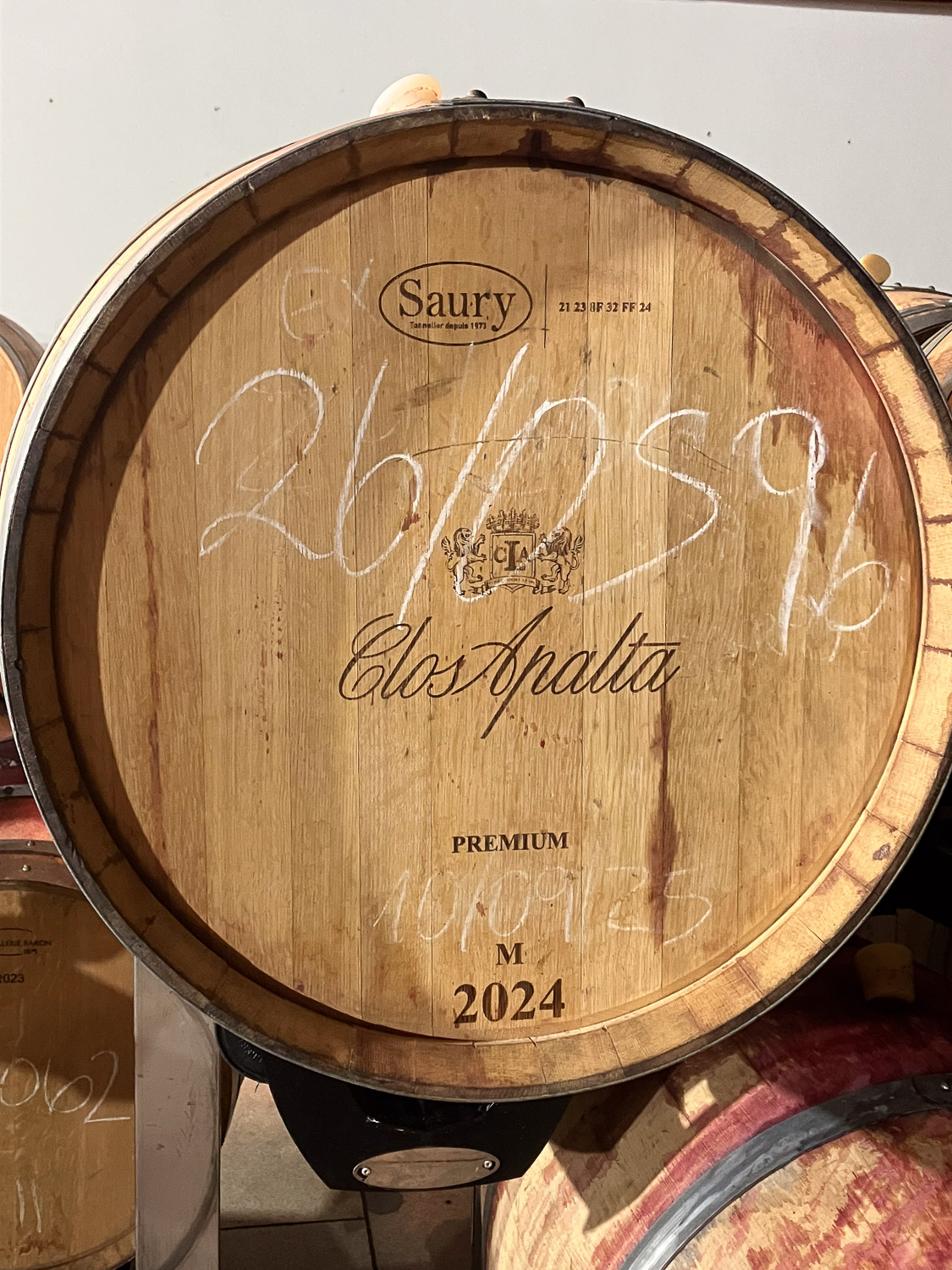
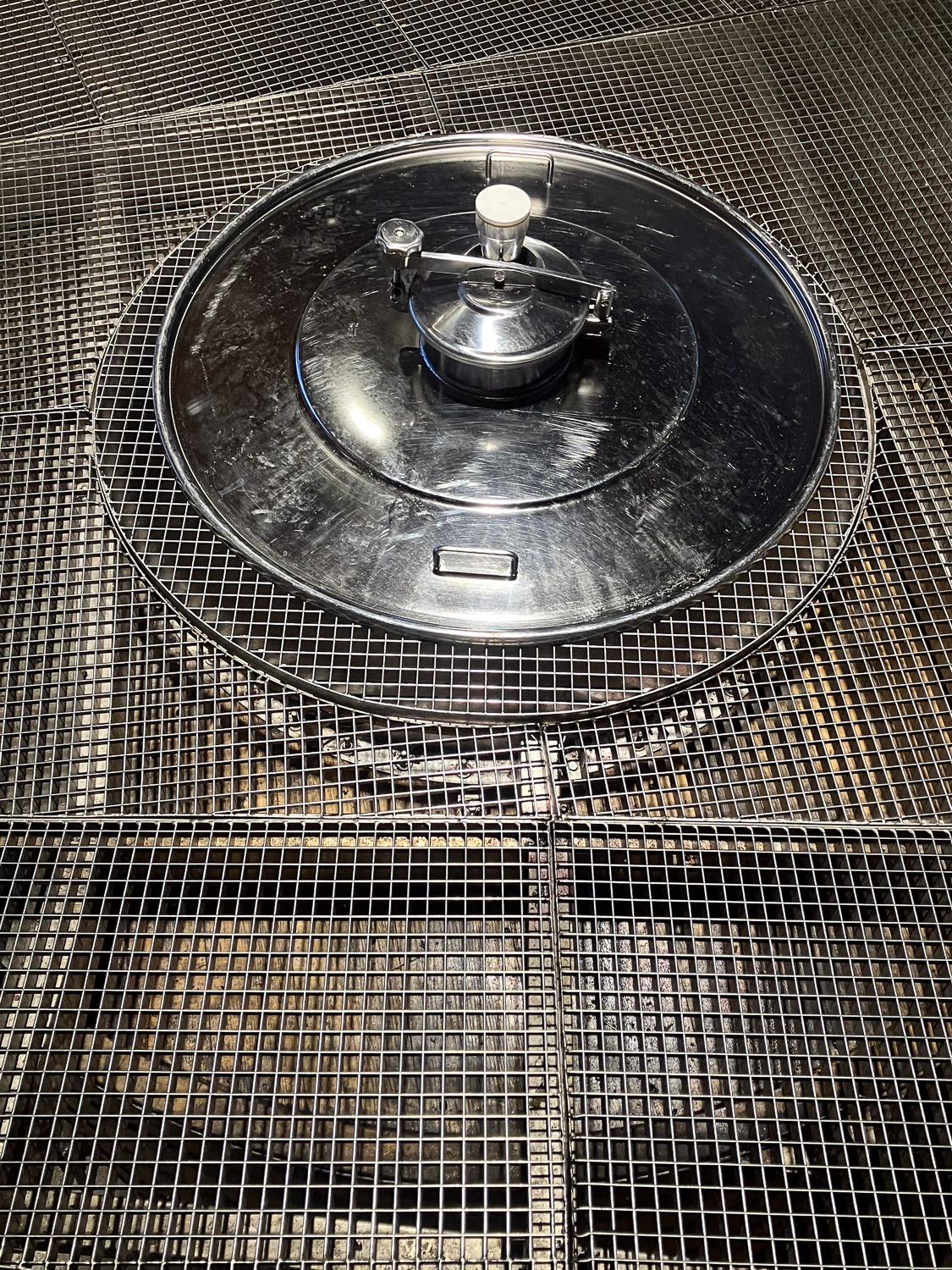
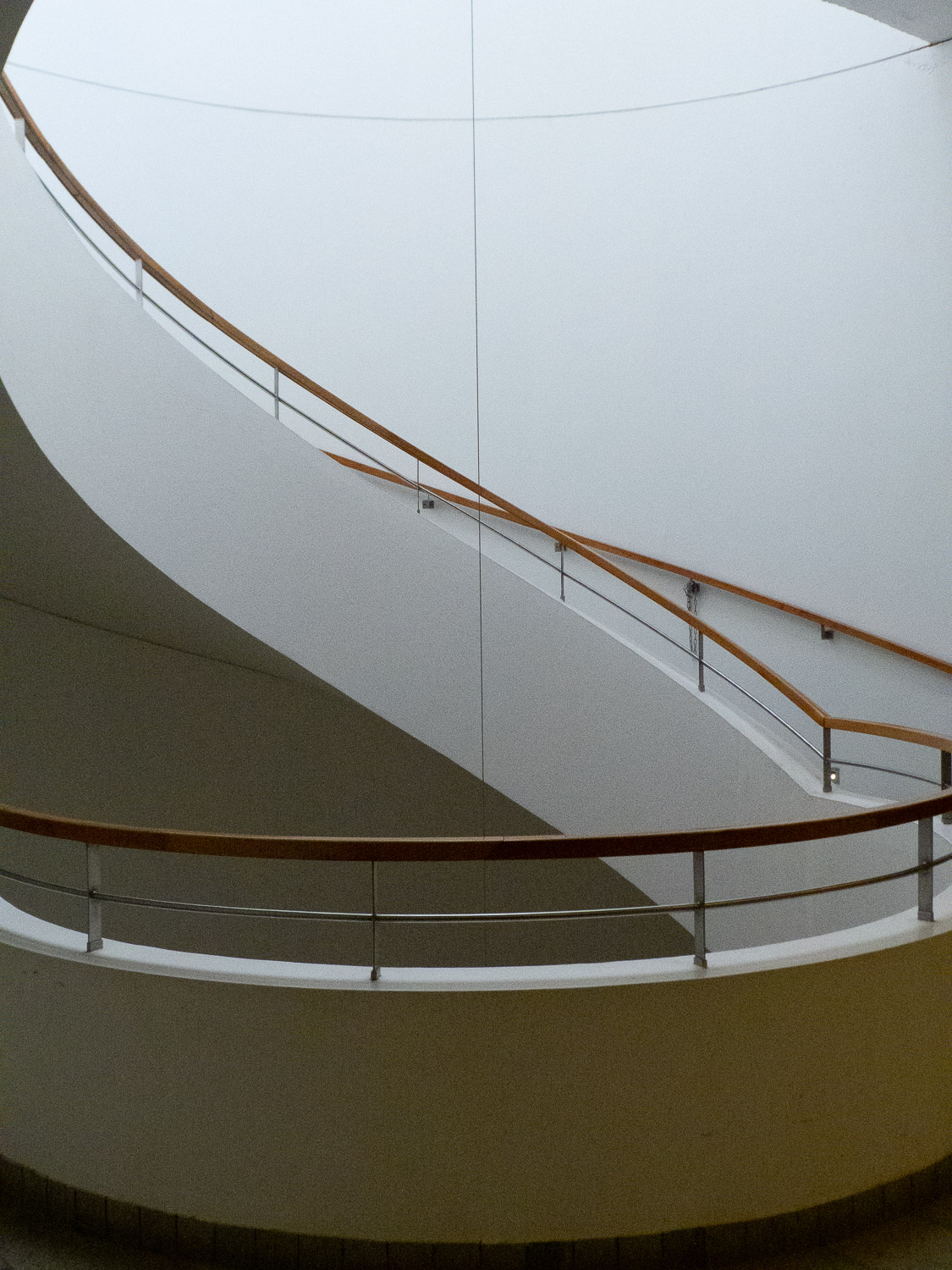
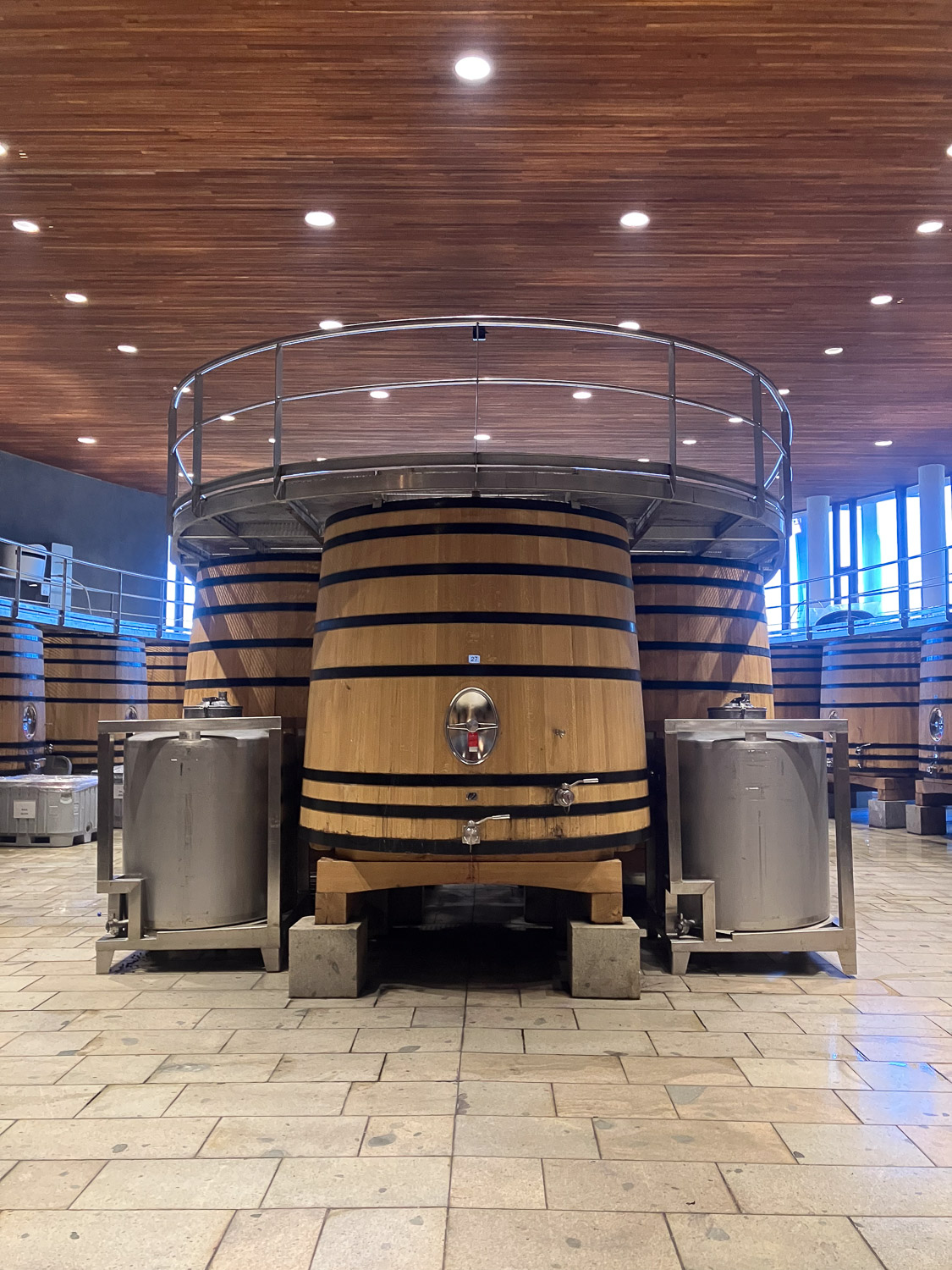
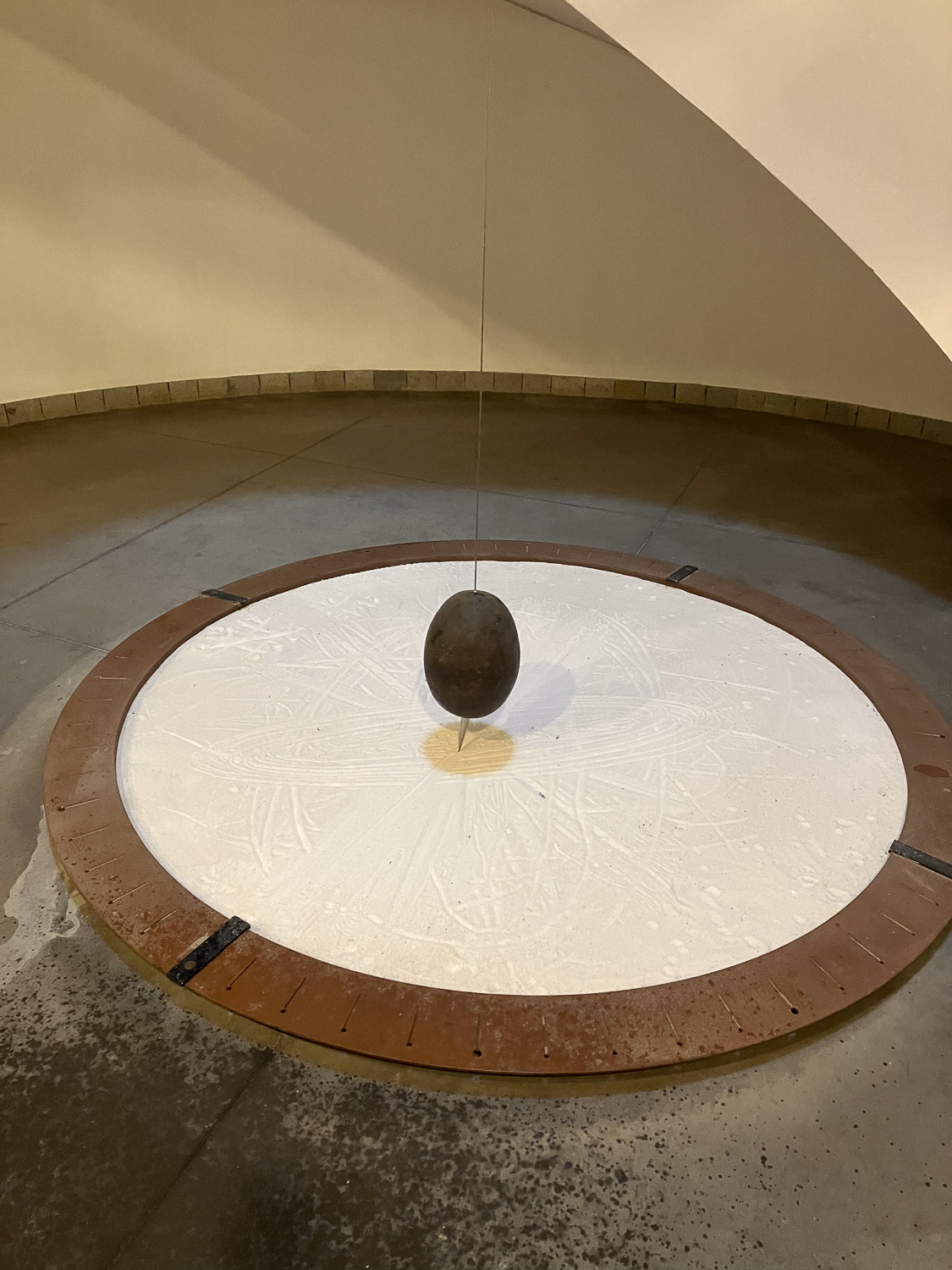
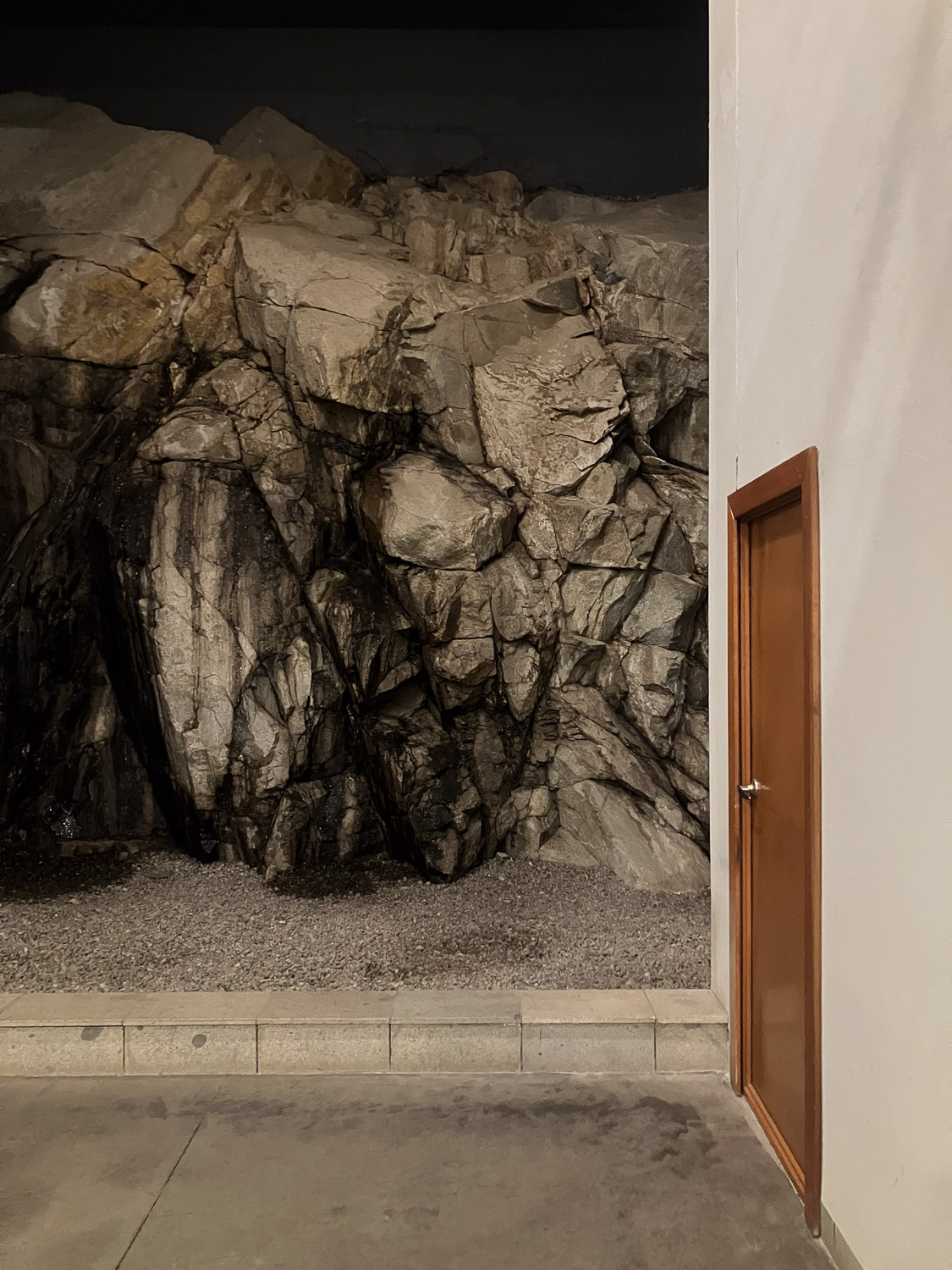
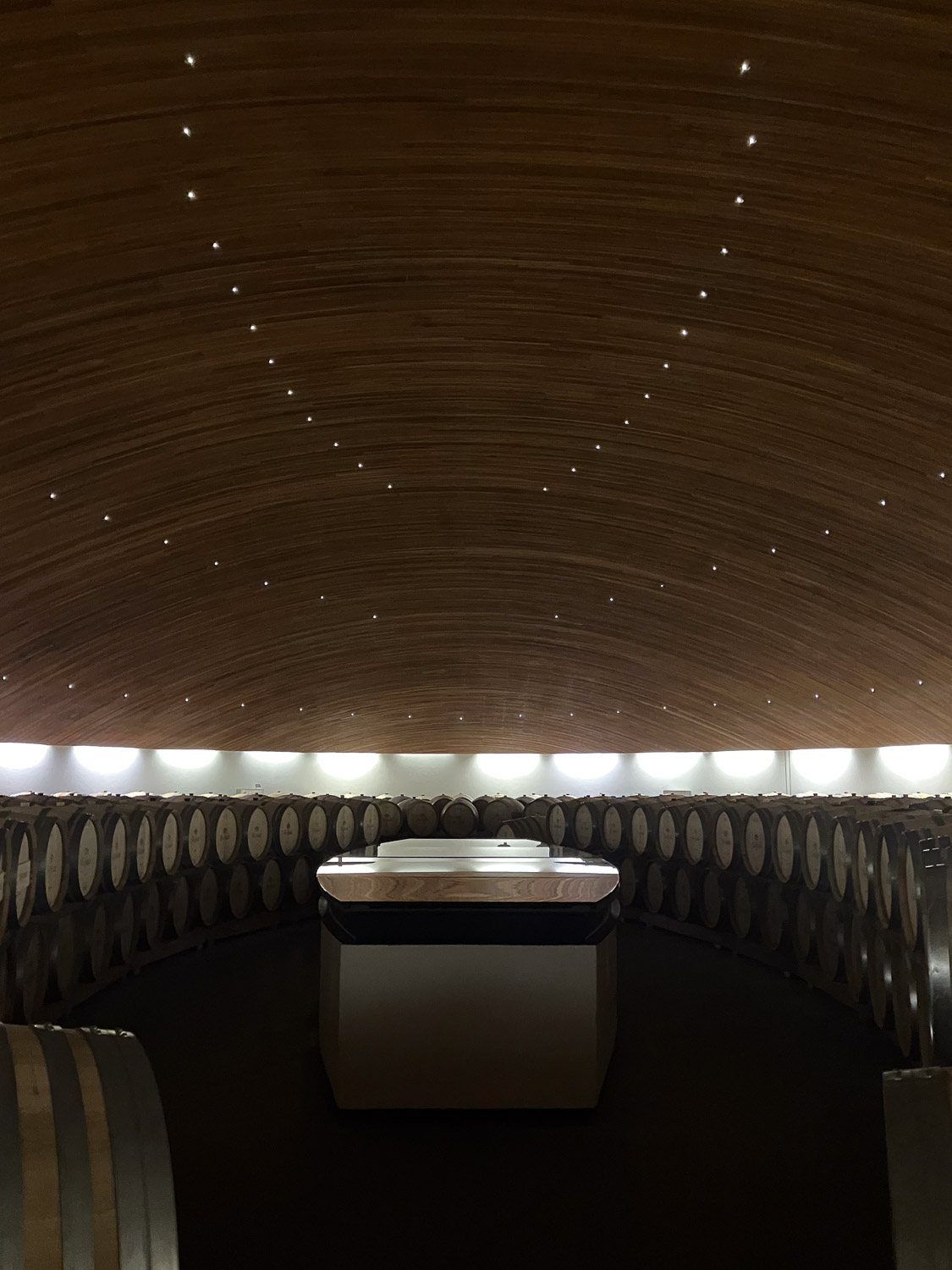
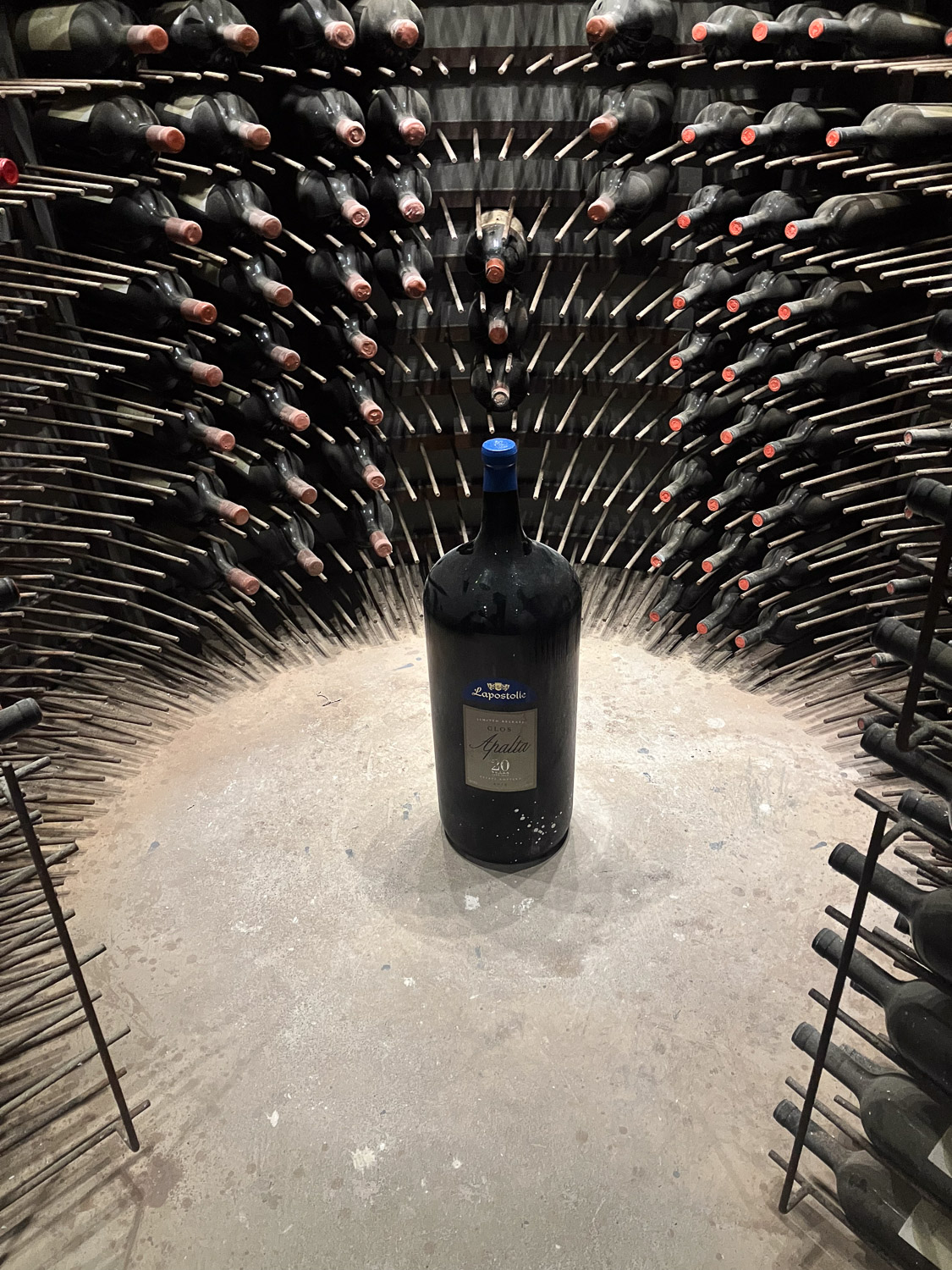
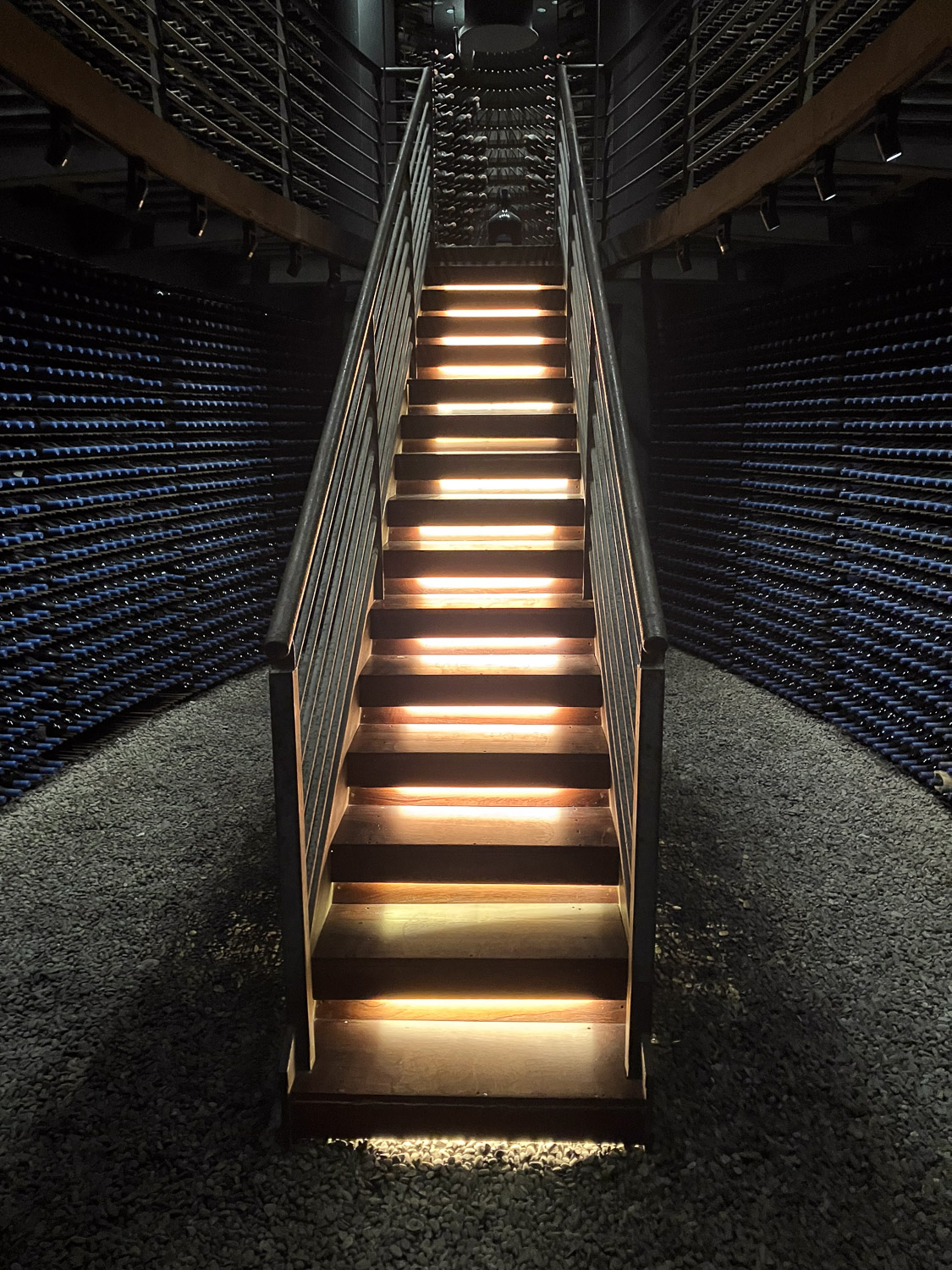
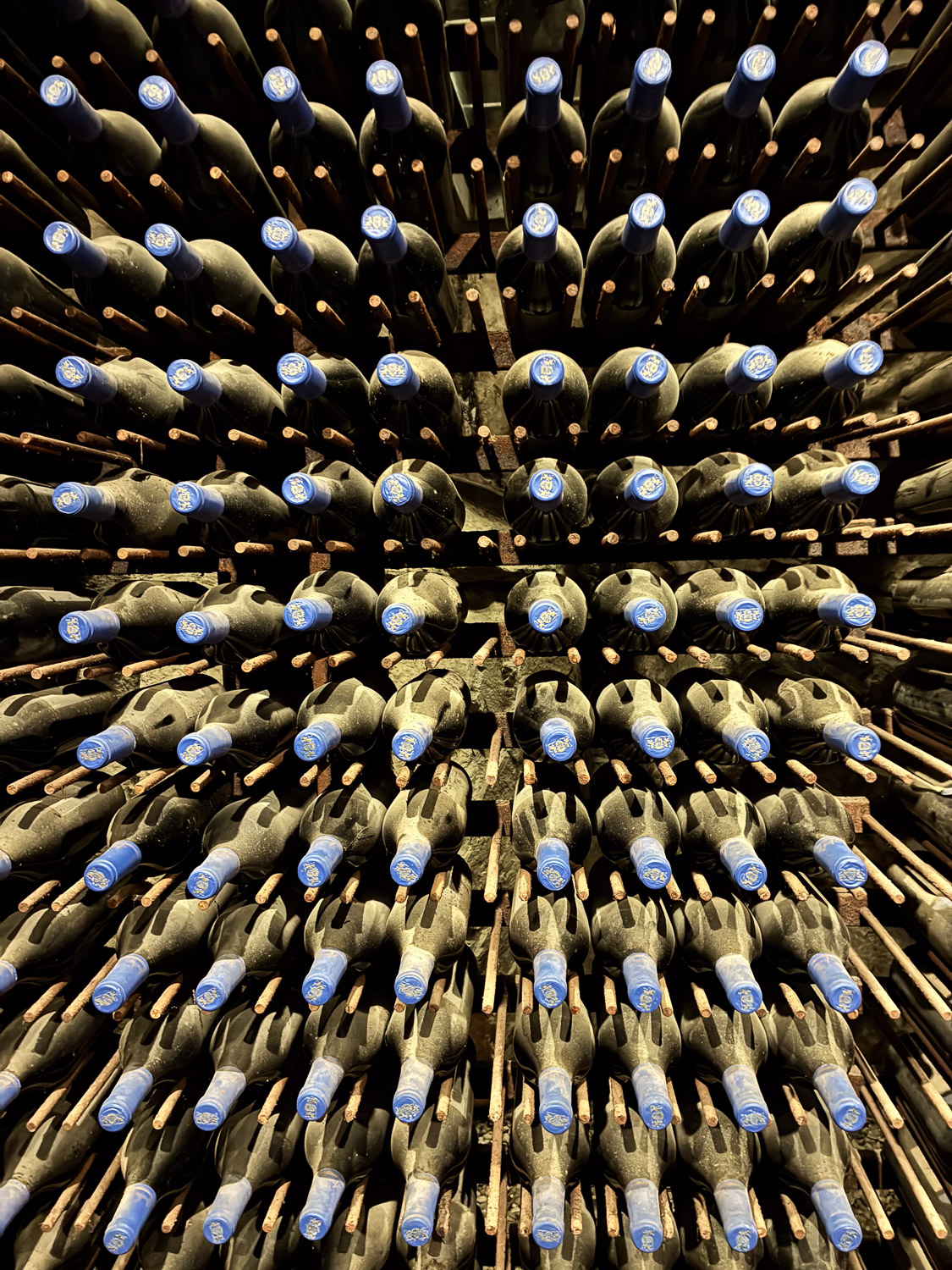
The winery is extraordinarily elegant and hewn into granite. You go further and further down, and just when you think you have reached the bottom, there turns out to be another stairway further down to the family’s private collection.
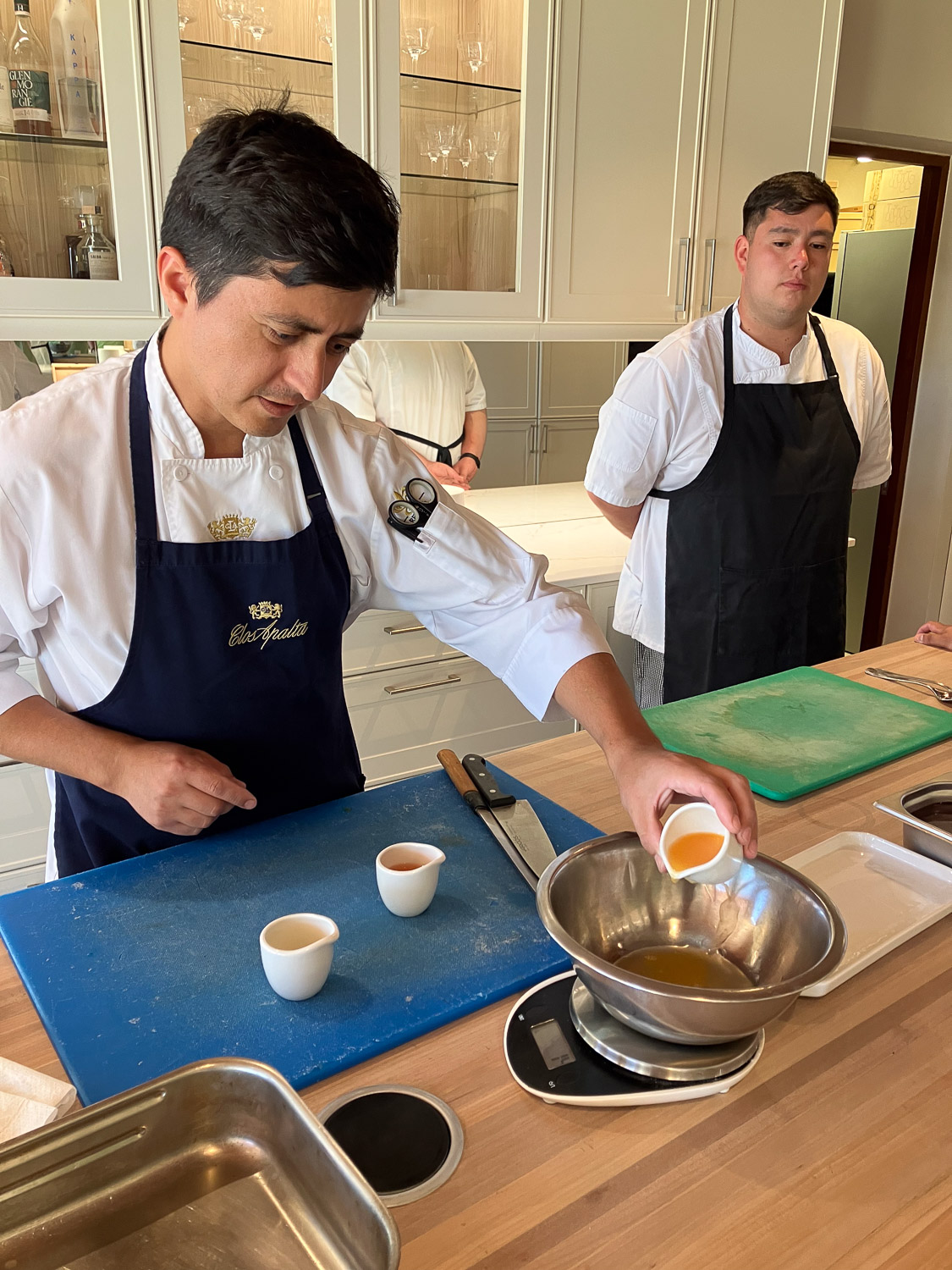
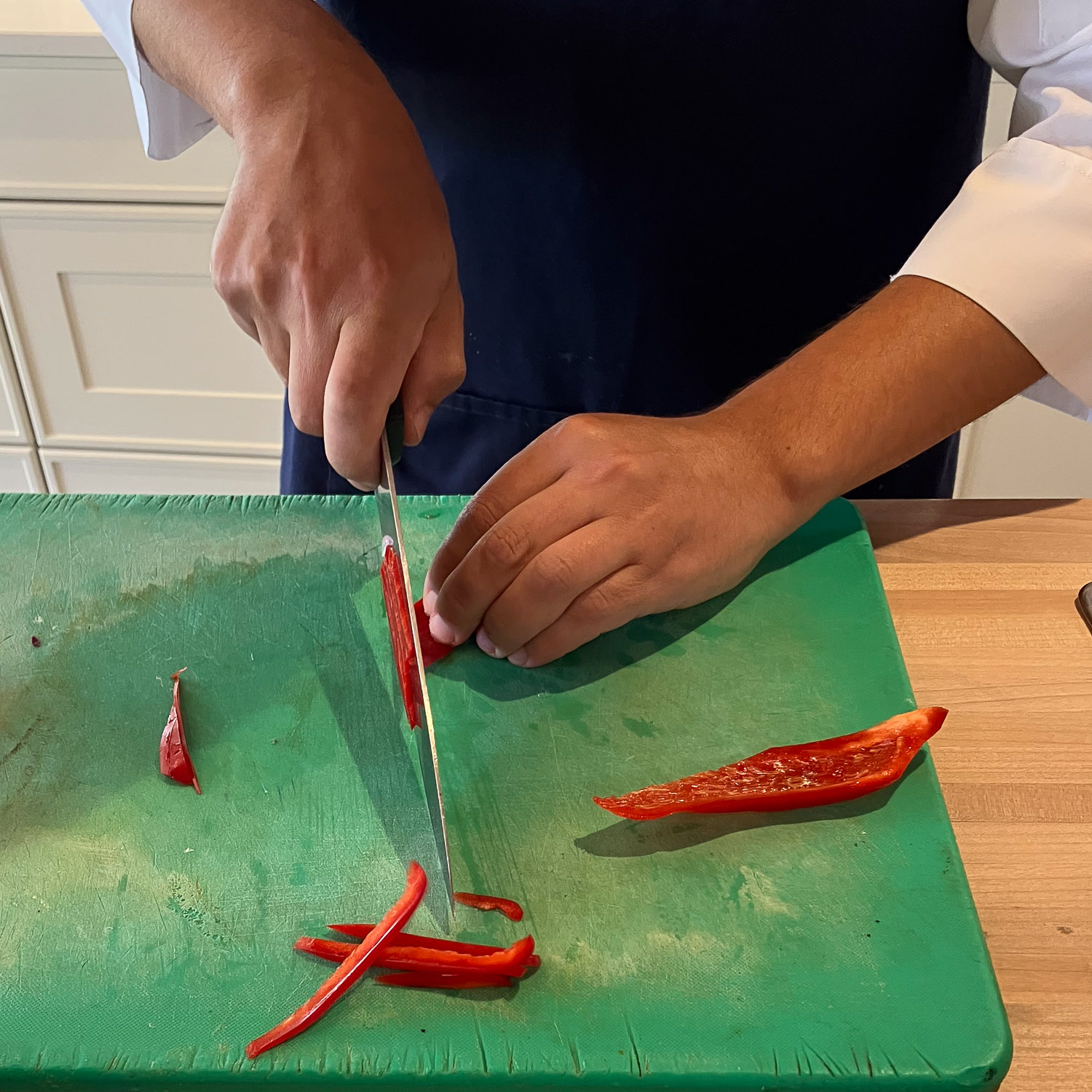
We also had a lesson in how to make ceviche.
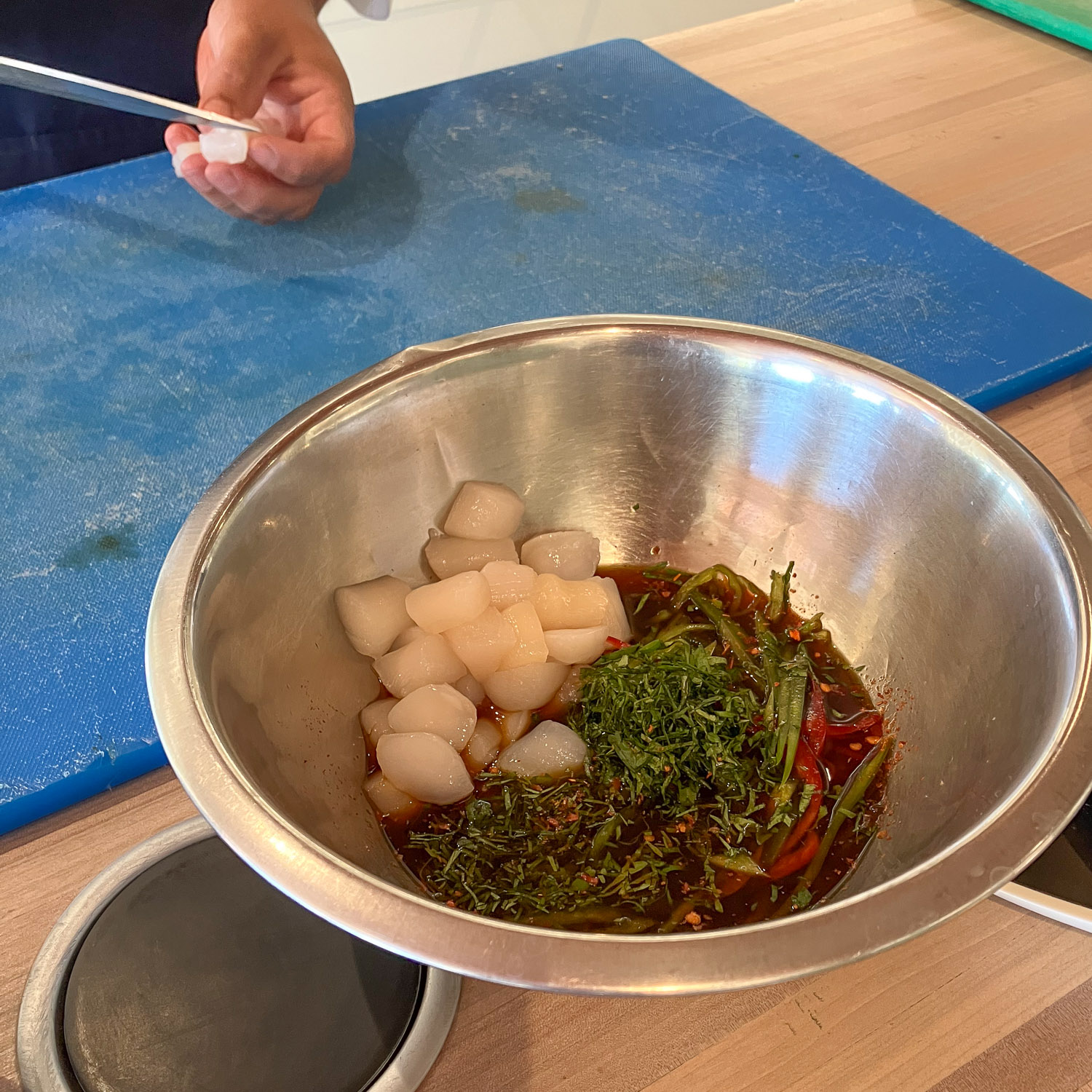
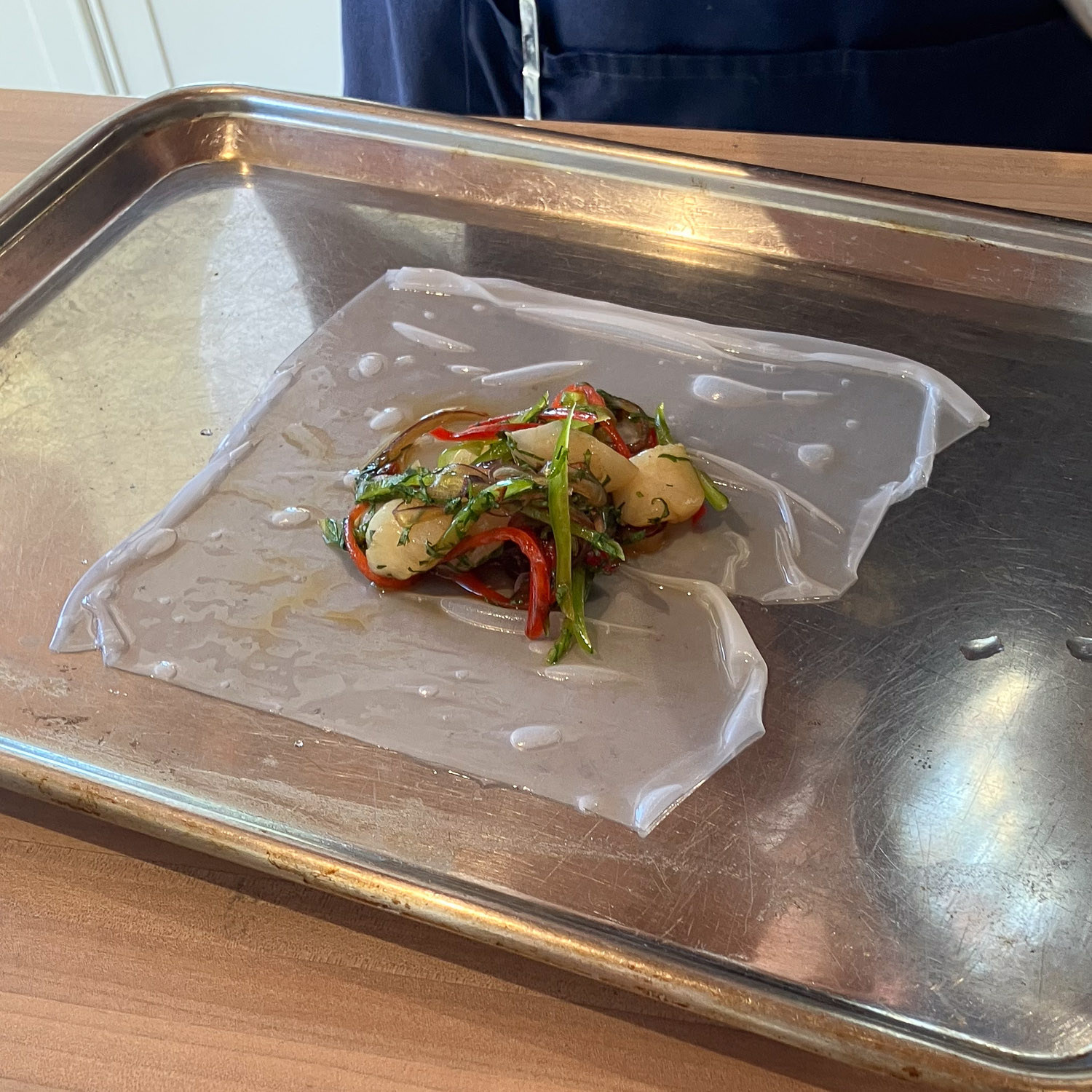
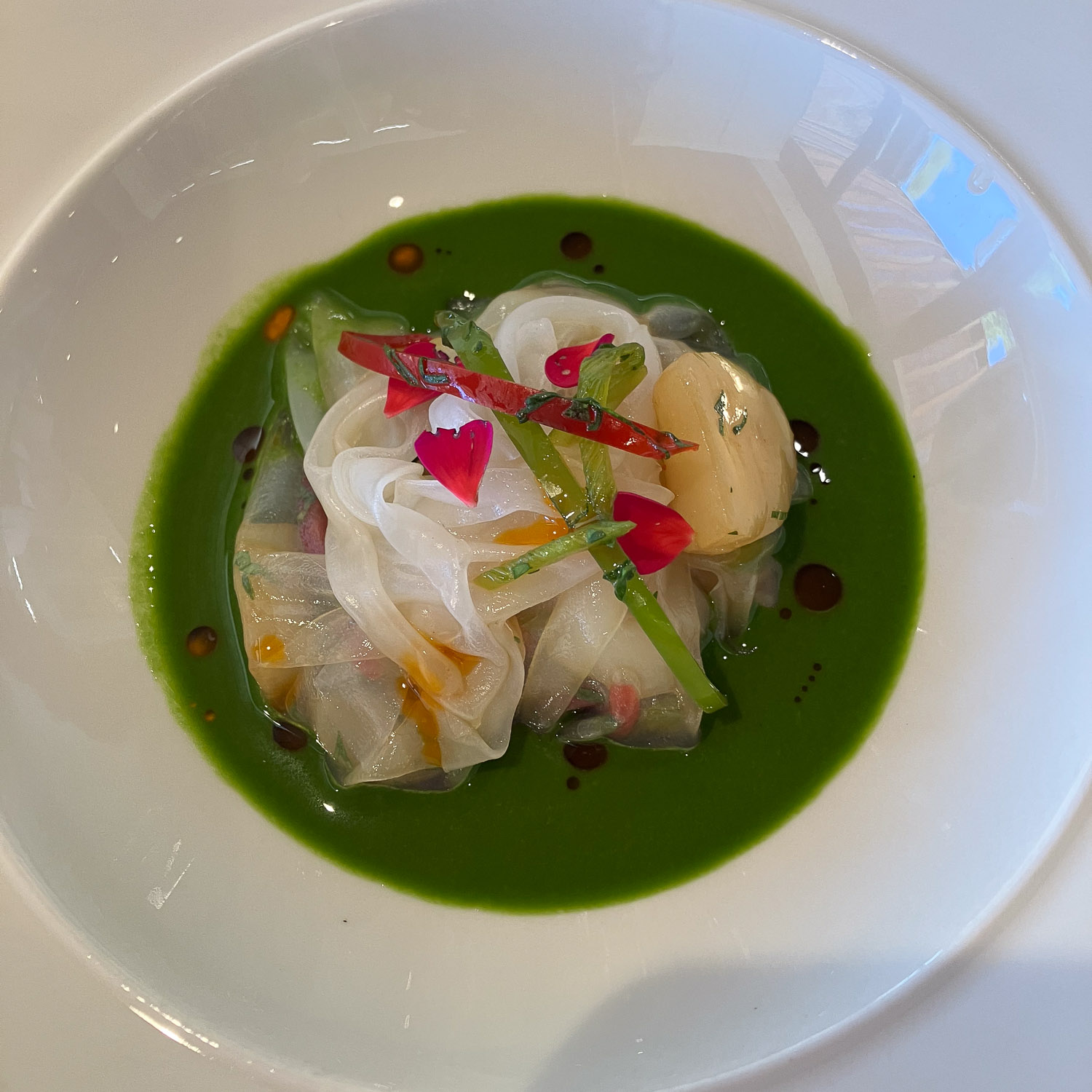
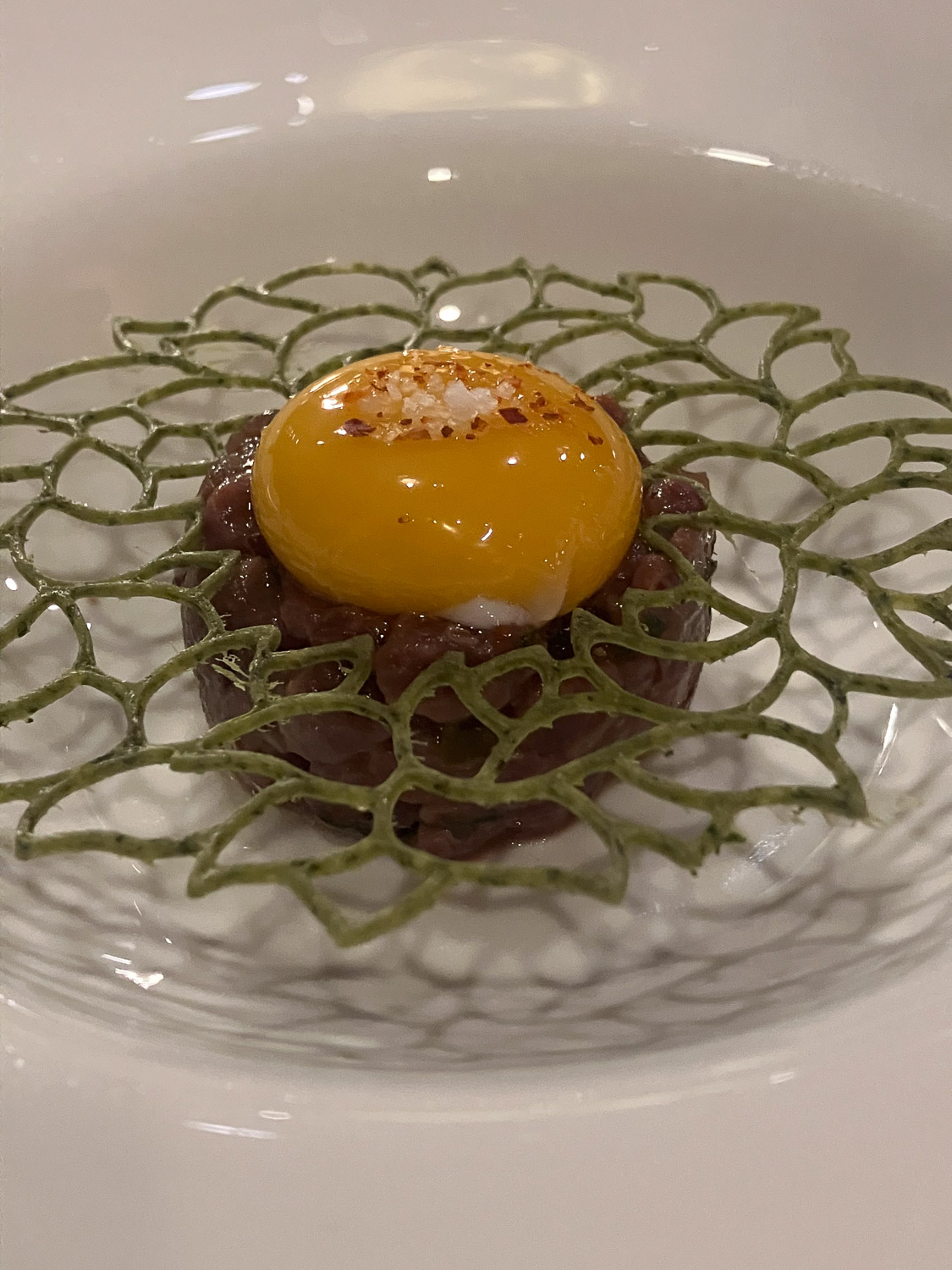
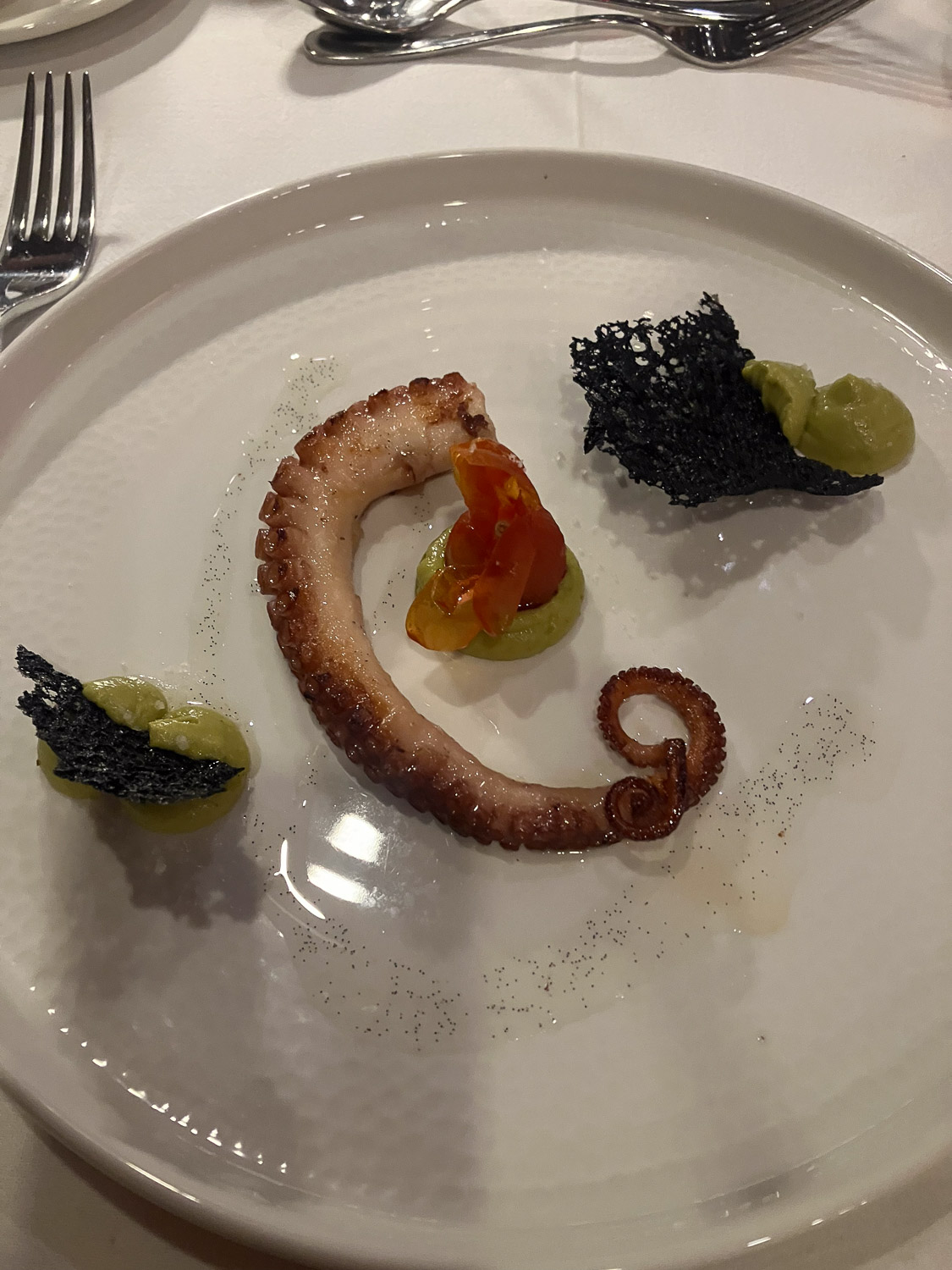
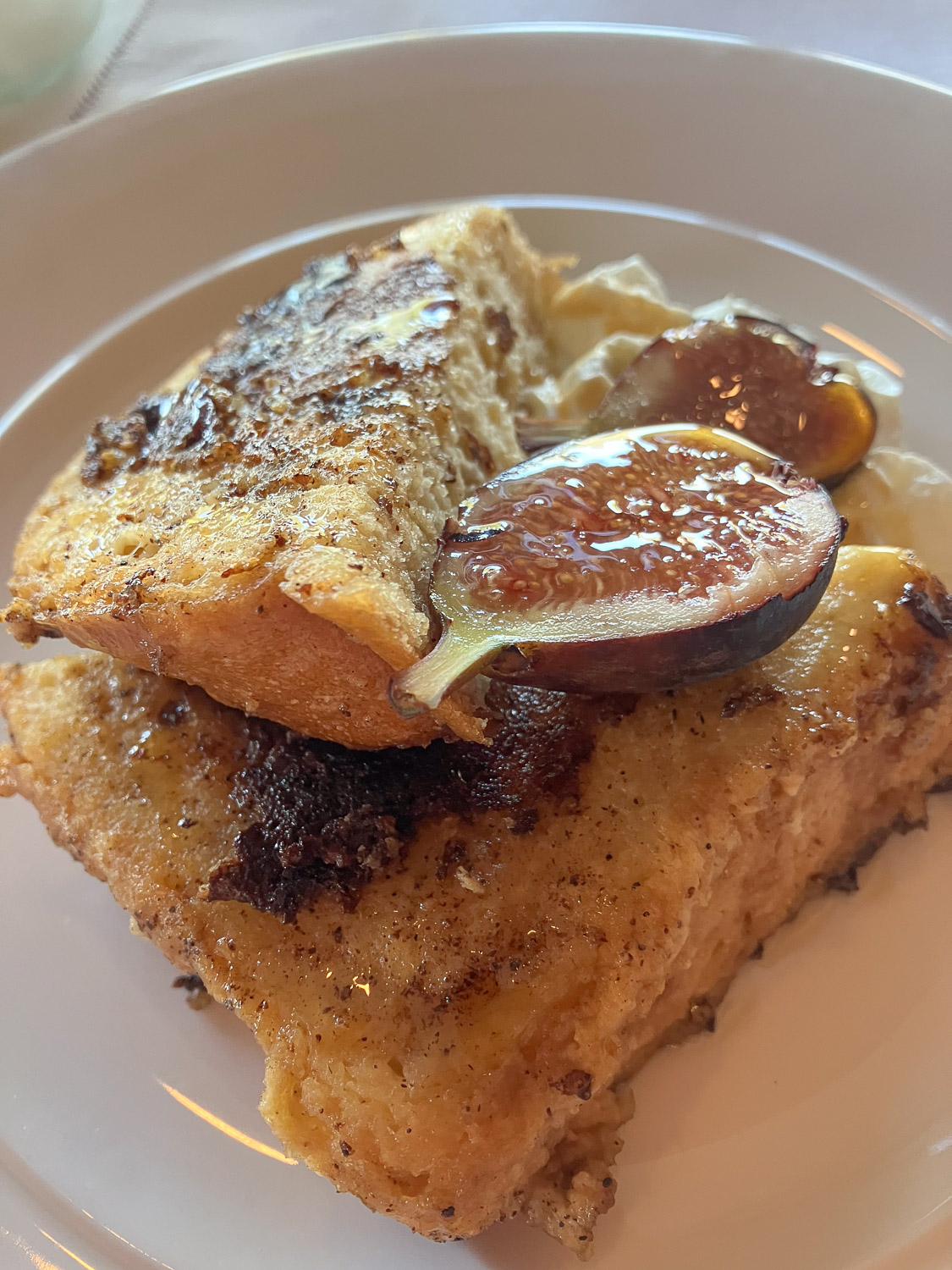
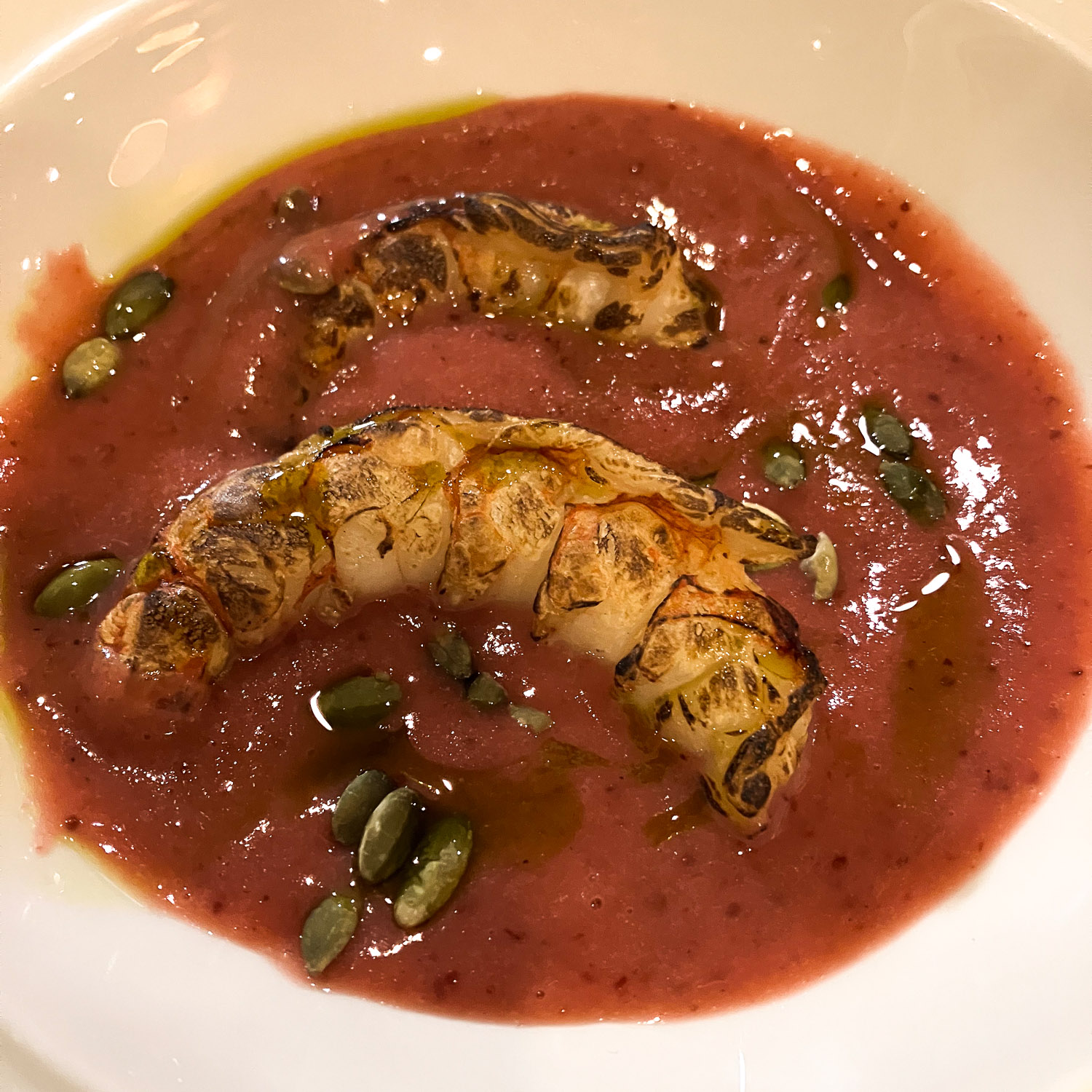
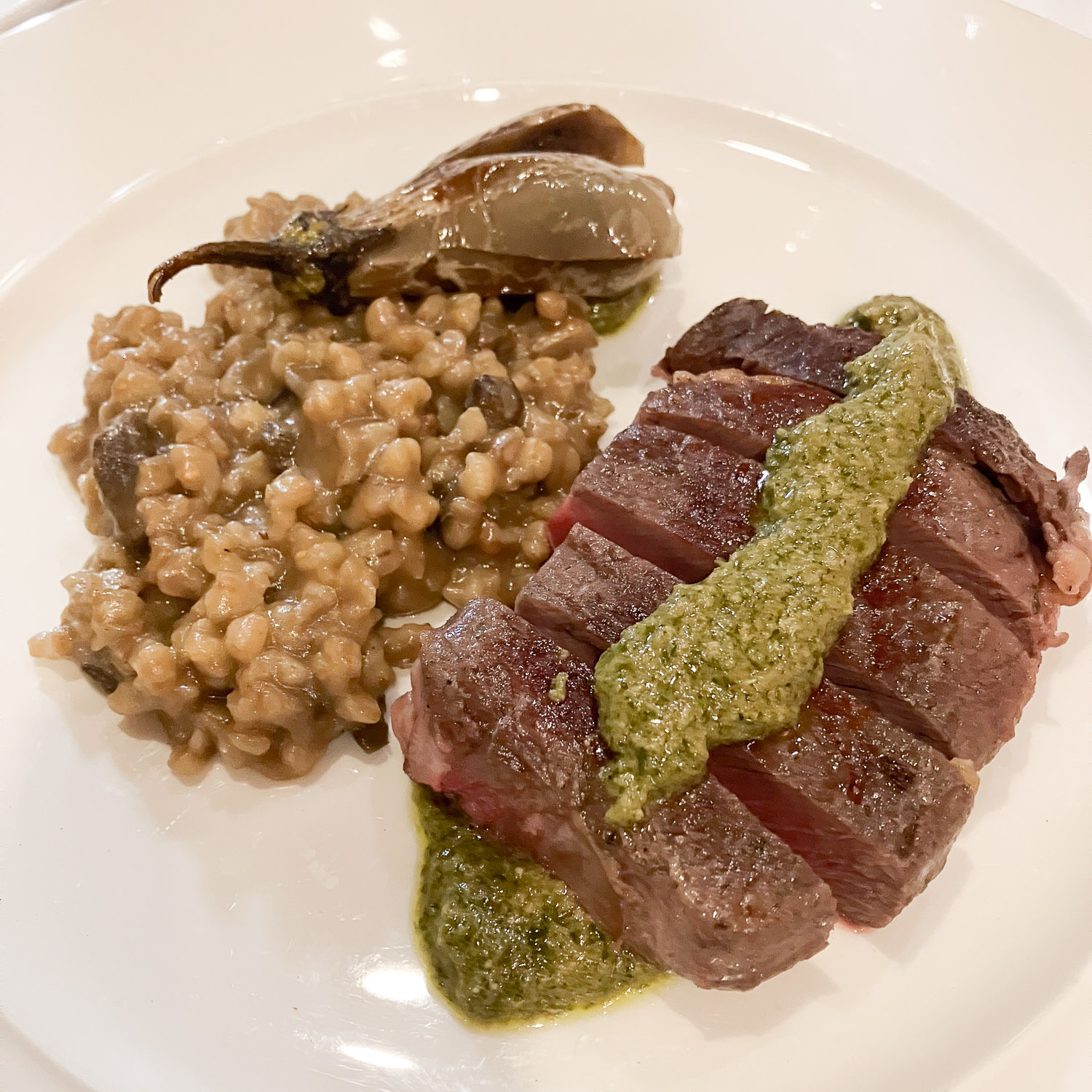
The food was as elegant as the rest of the resort. The prawns in strawberry sauce (below to the right) were particularly memorable.
Santiago
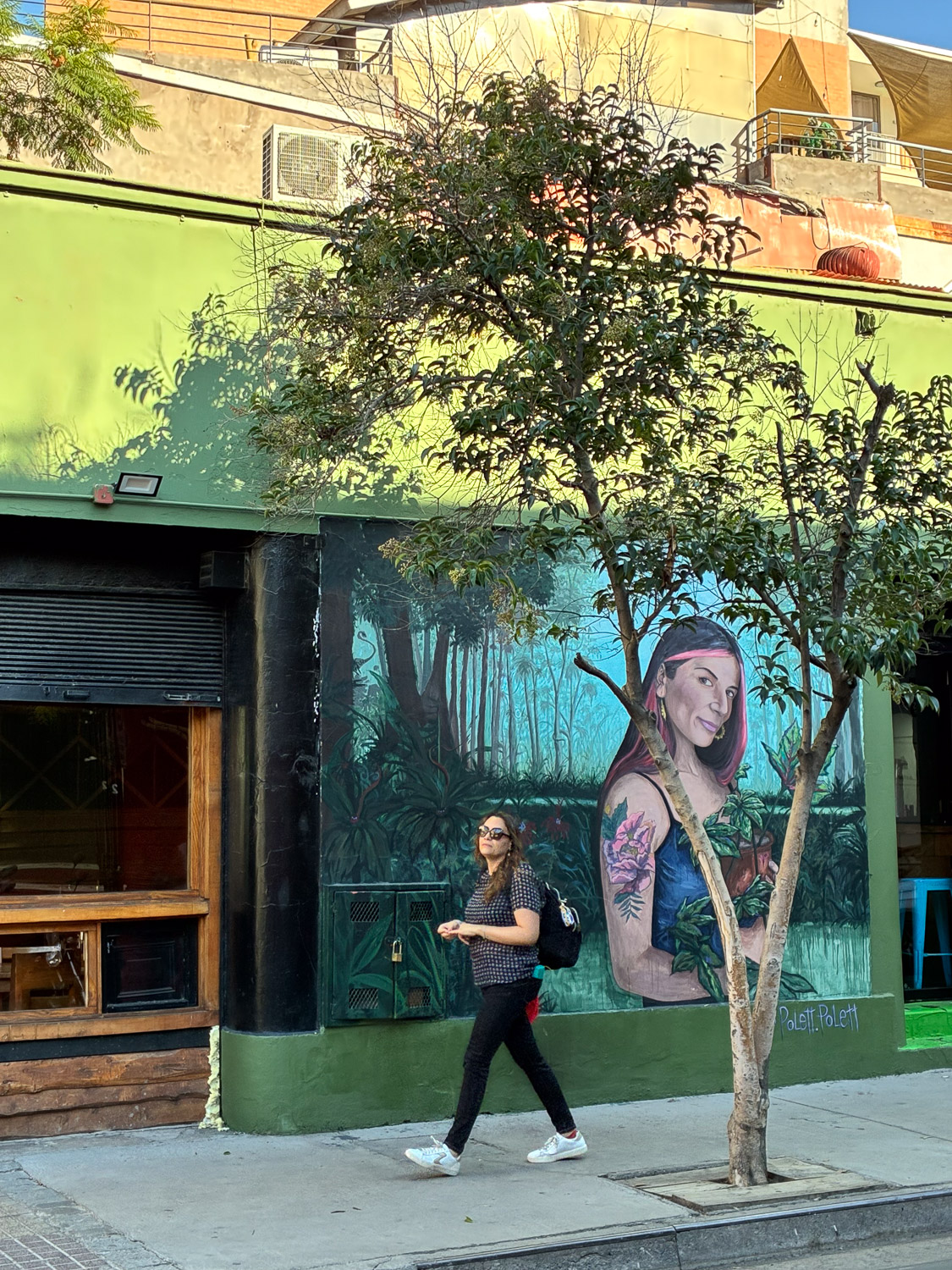
We had one night in Santiago before our flight home. By the time that we got there from Clos Apalta, there was only really time to wander around the Lastarria neighbourhood near our hotel (the Magnolia).
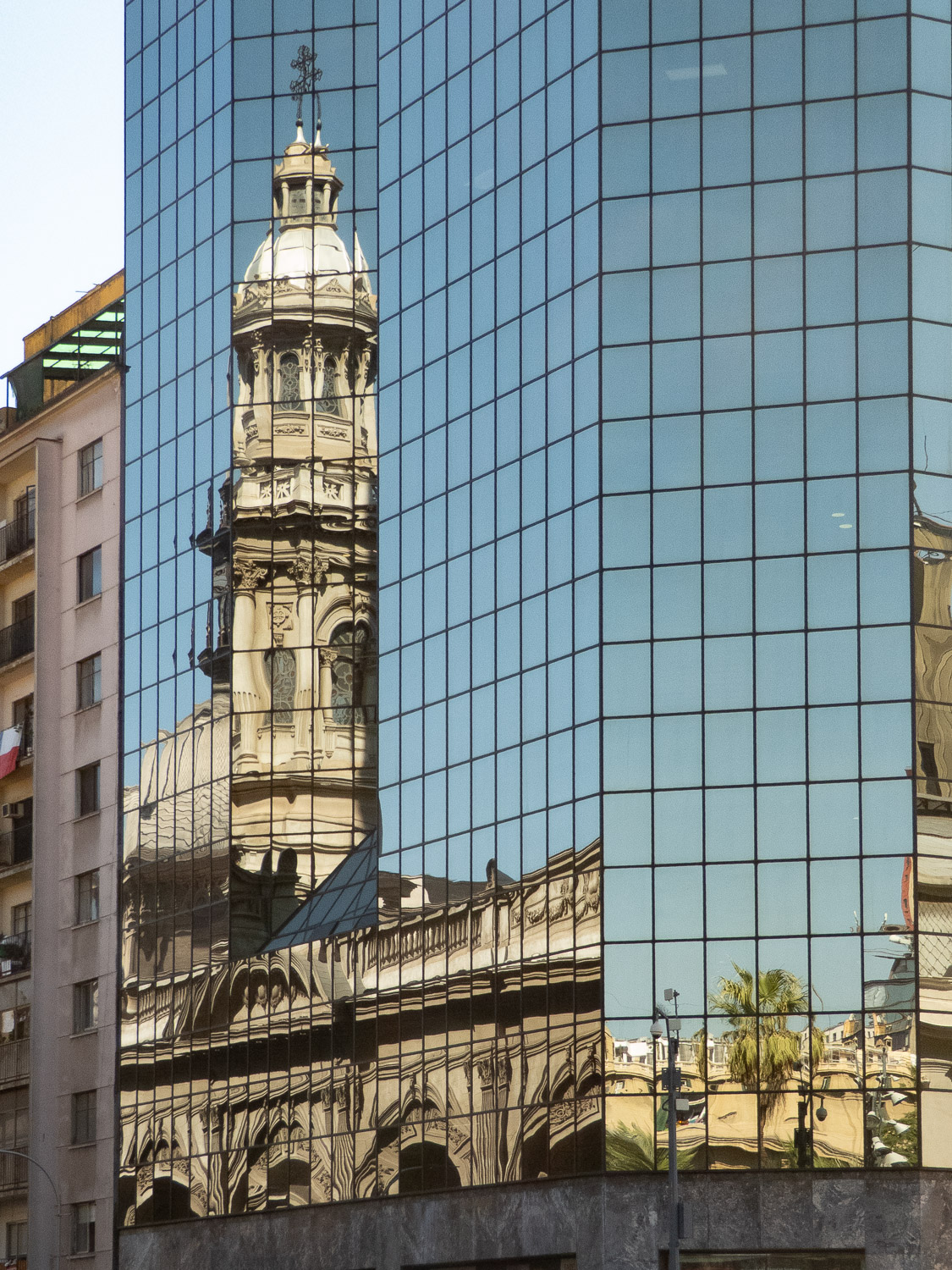
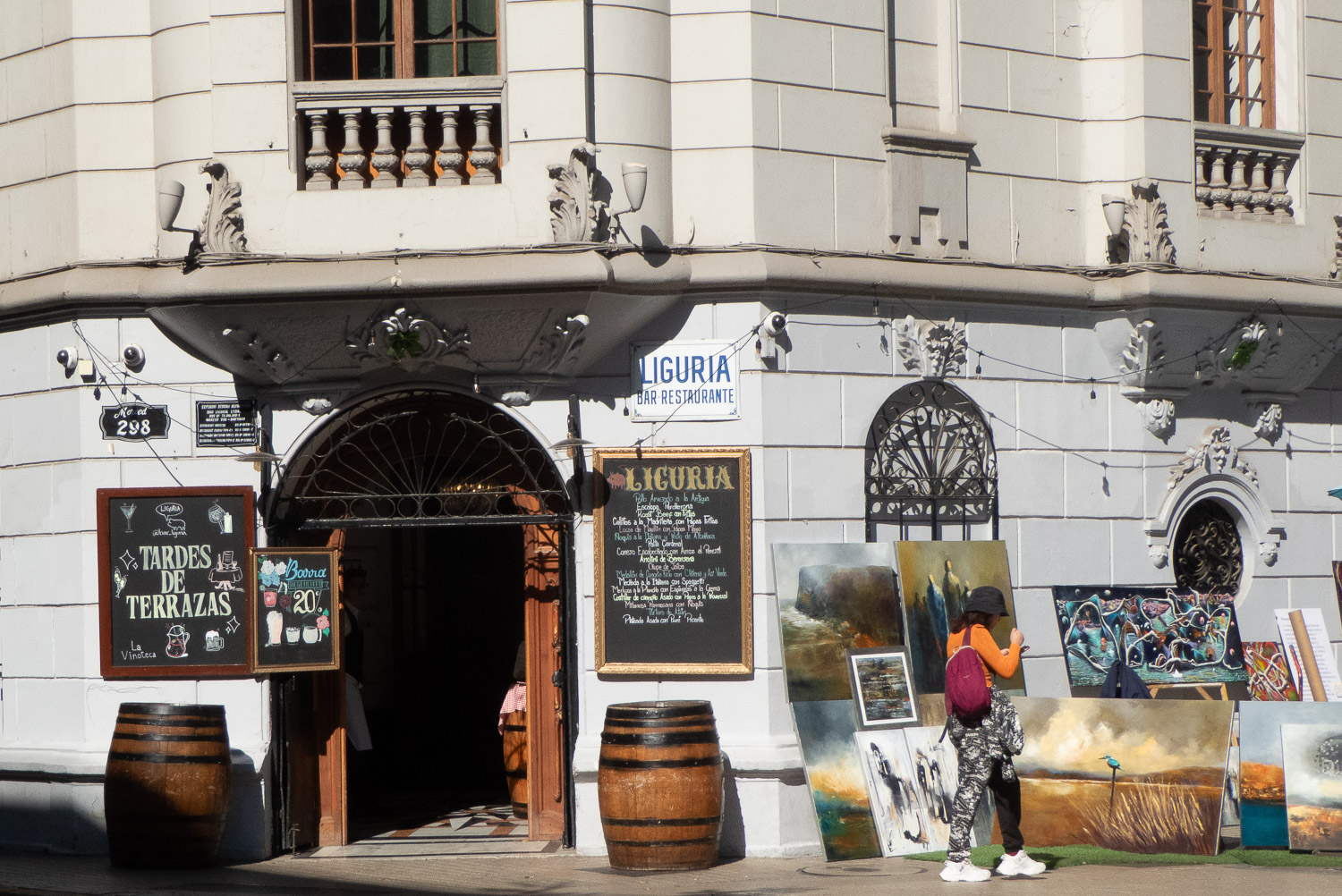
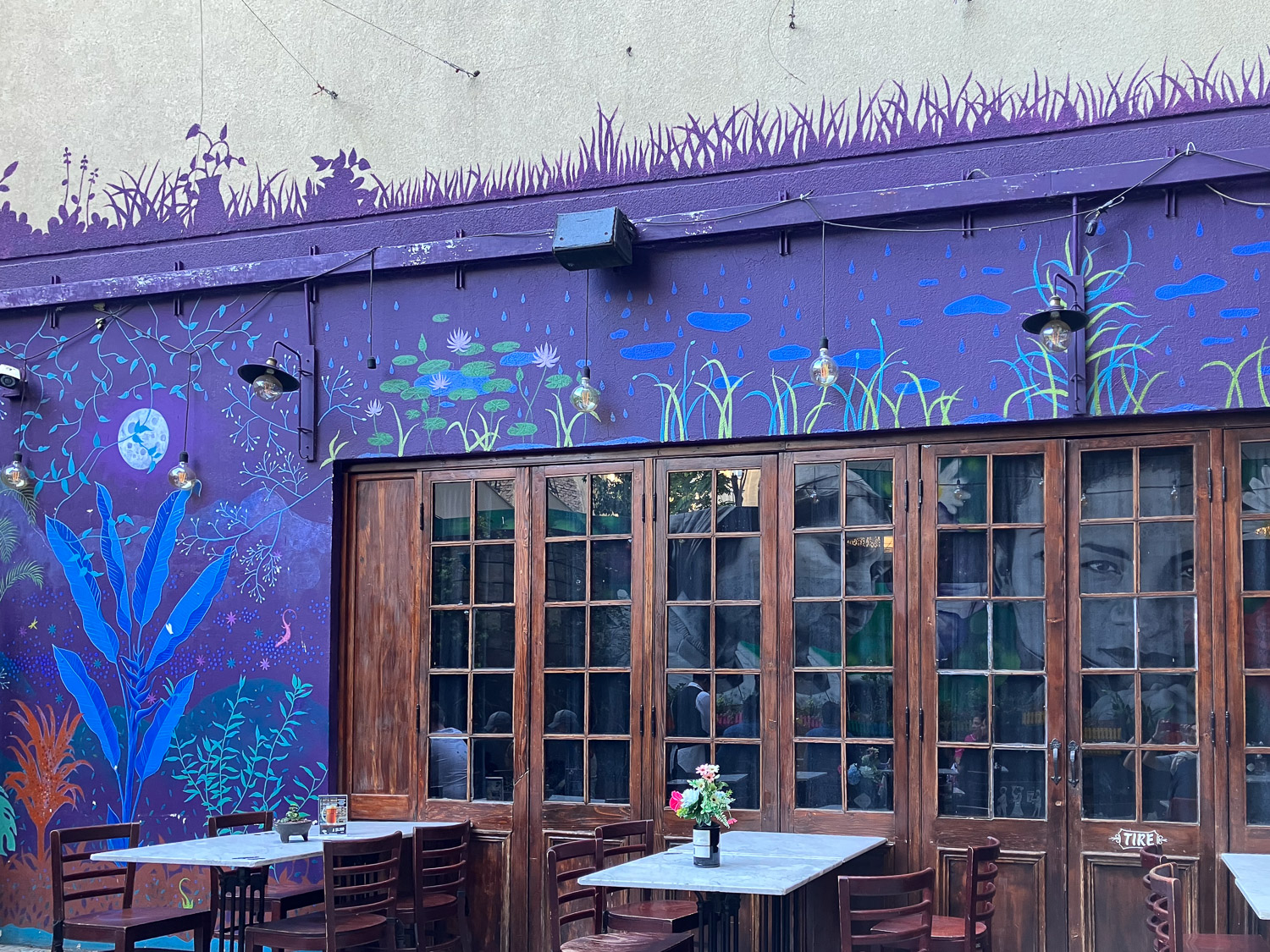
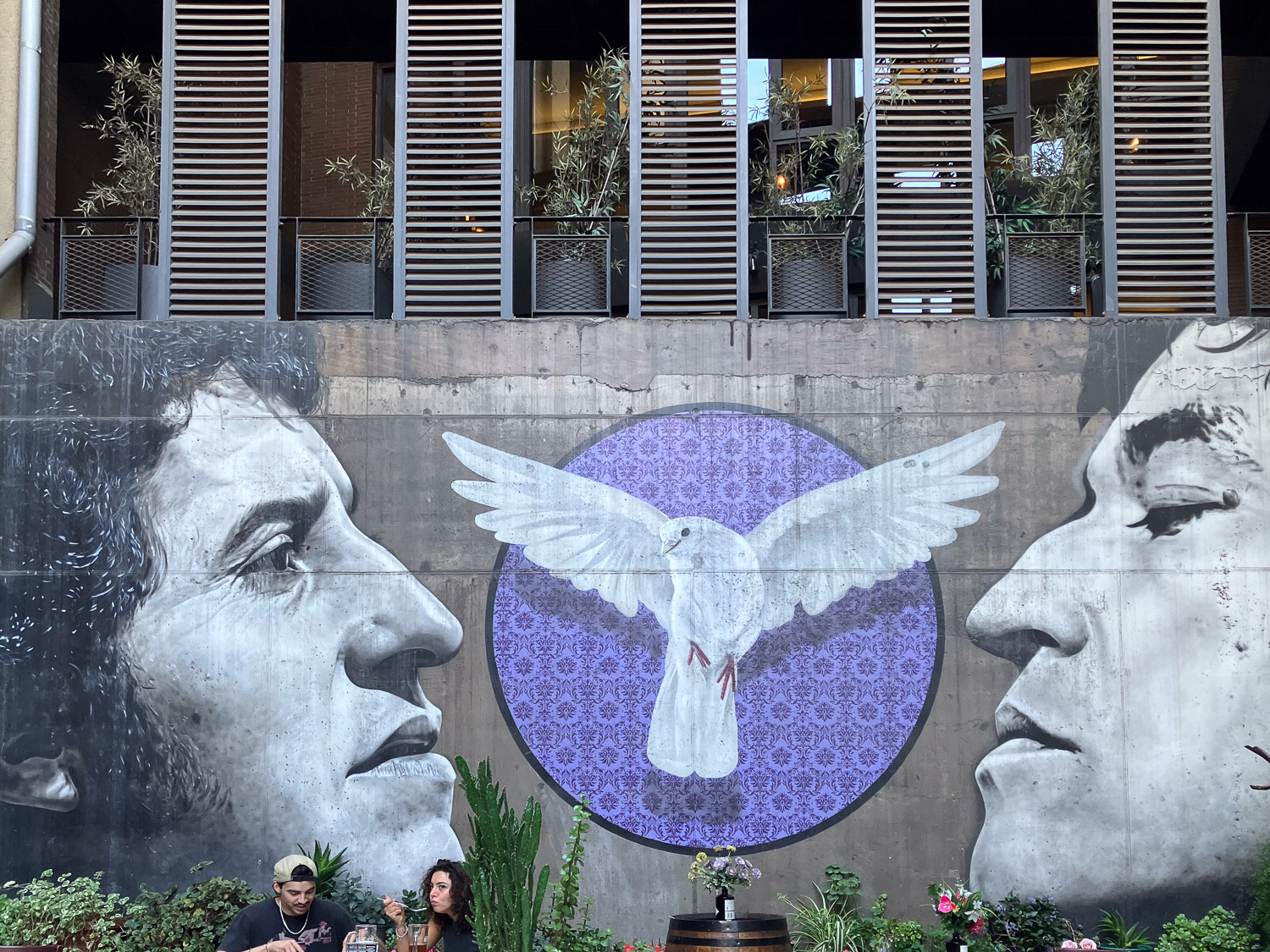
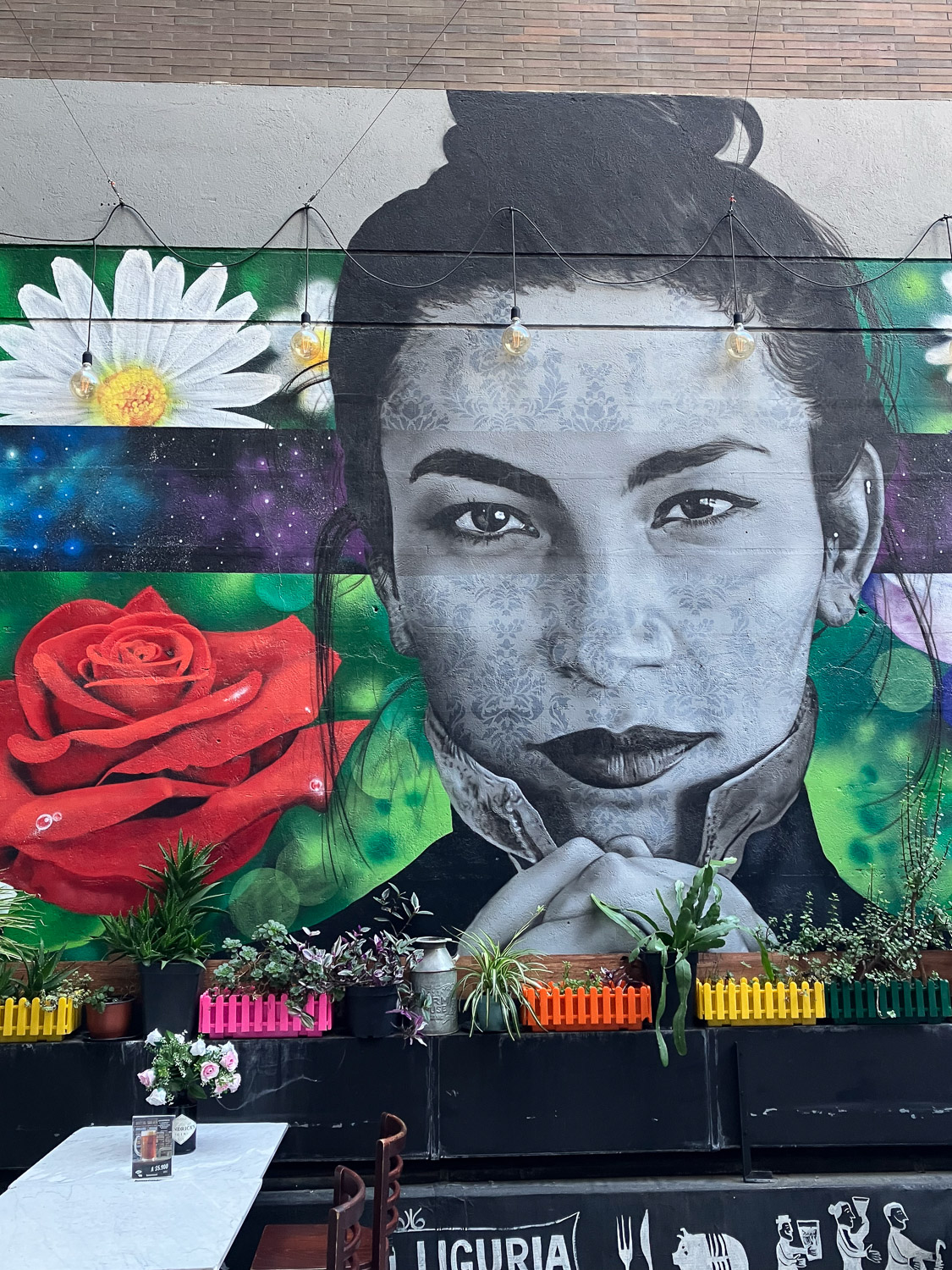
Coffee on the terrace at the Bar Ligurias
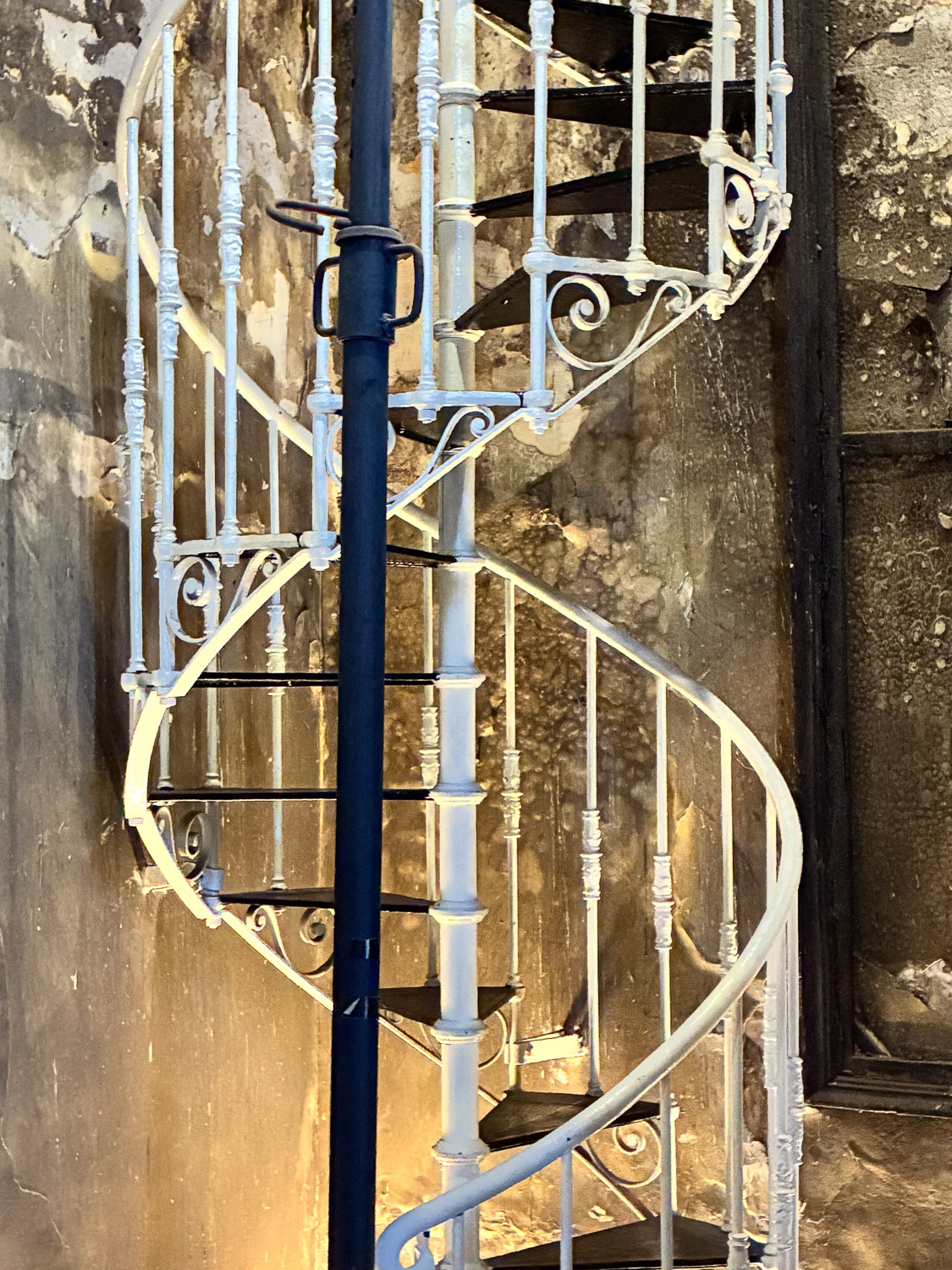
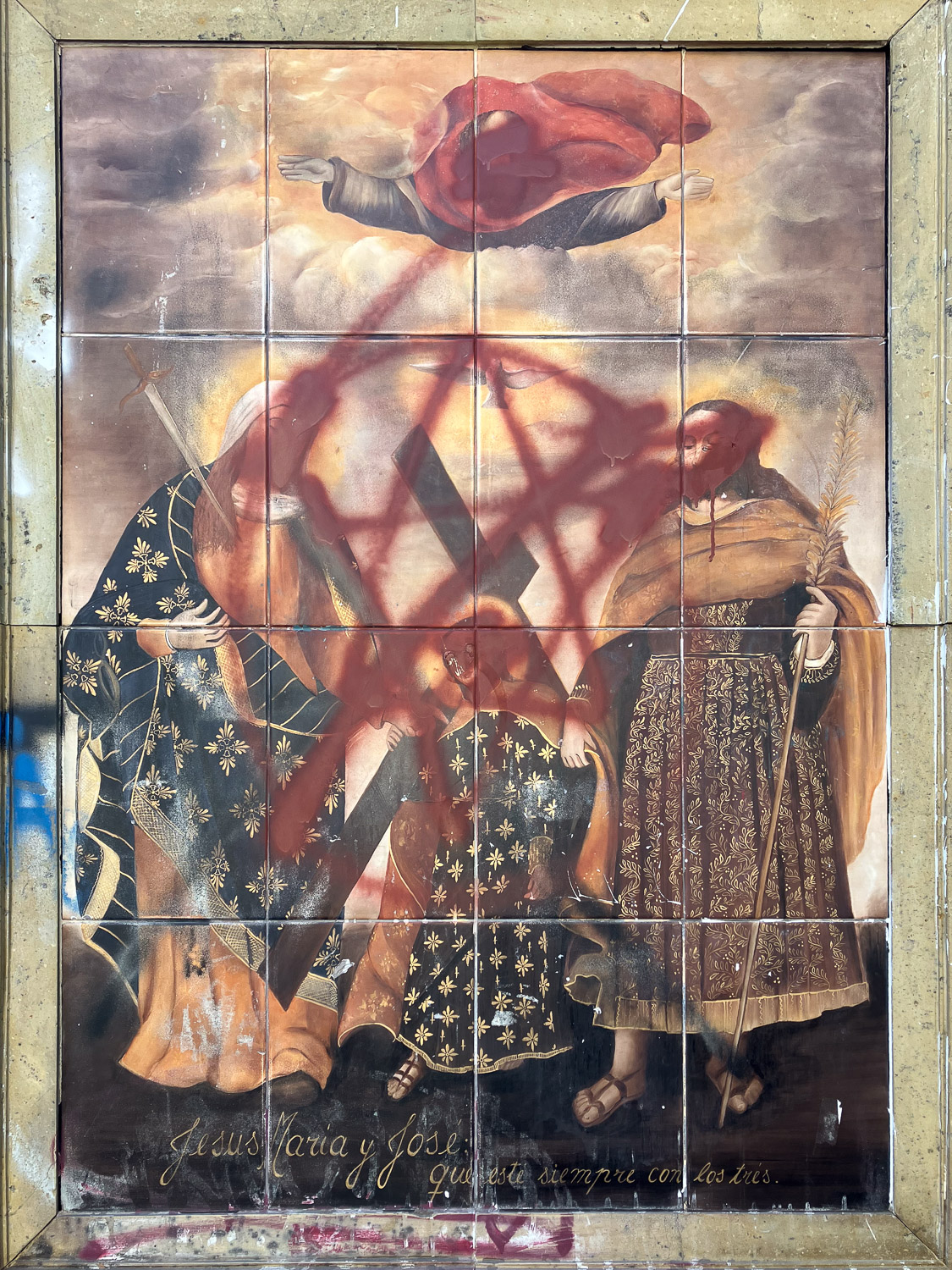
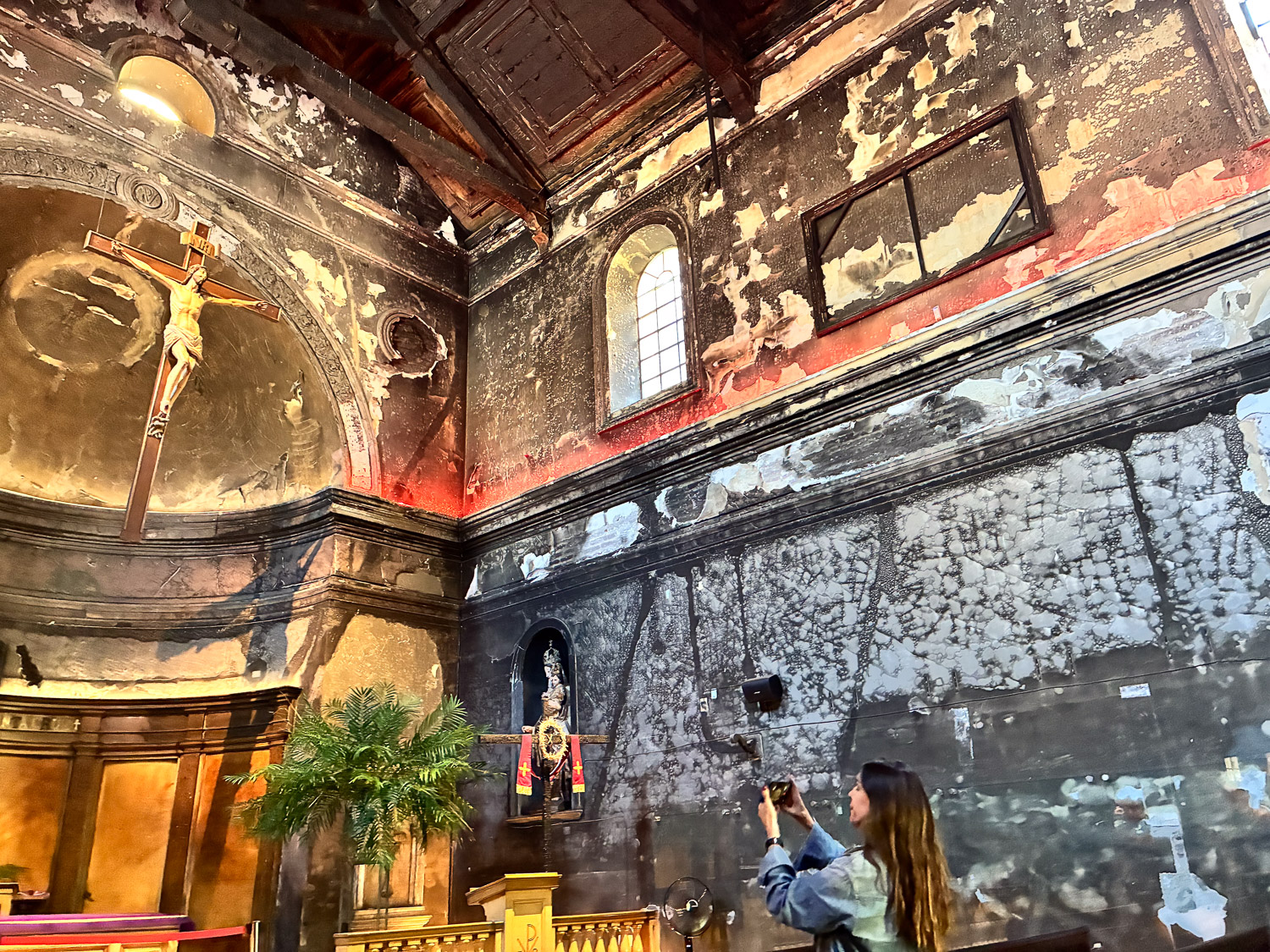
The ‘Burned Church’ is quite striking. This is the Iglesia de la Vera Cruz (built in the 1850s) which was torched during civil unrest in 2019. It is still functioning as a religious space and has deliberately been left unrestored (to reflect both the vulnerability and the resilience of the chuch).
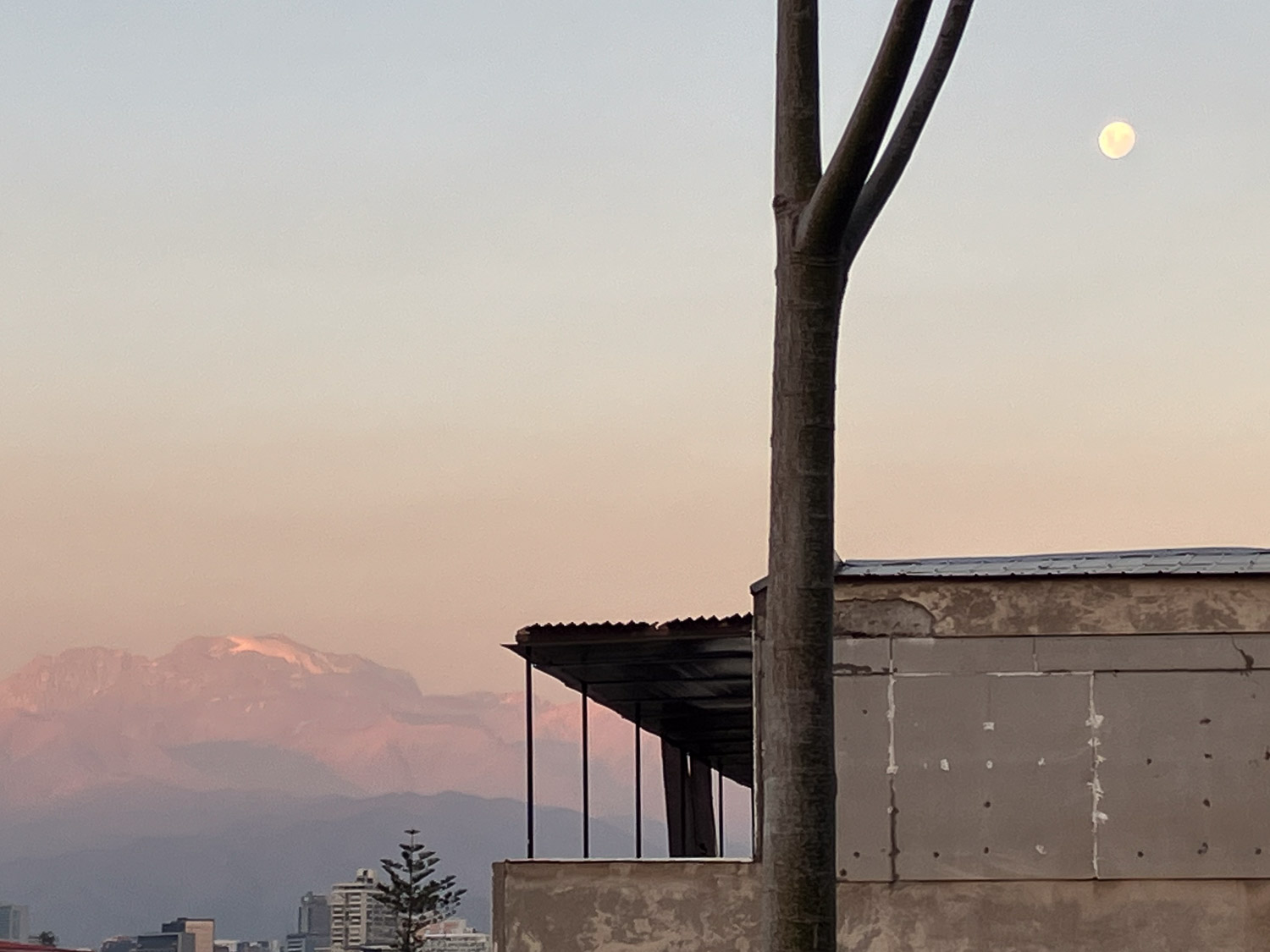
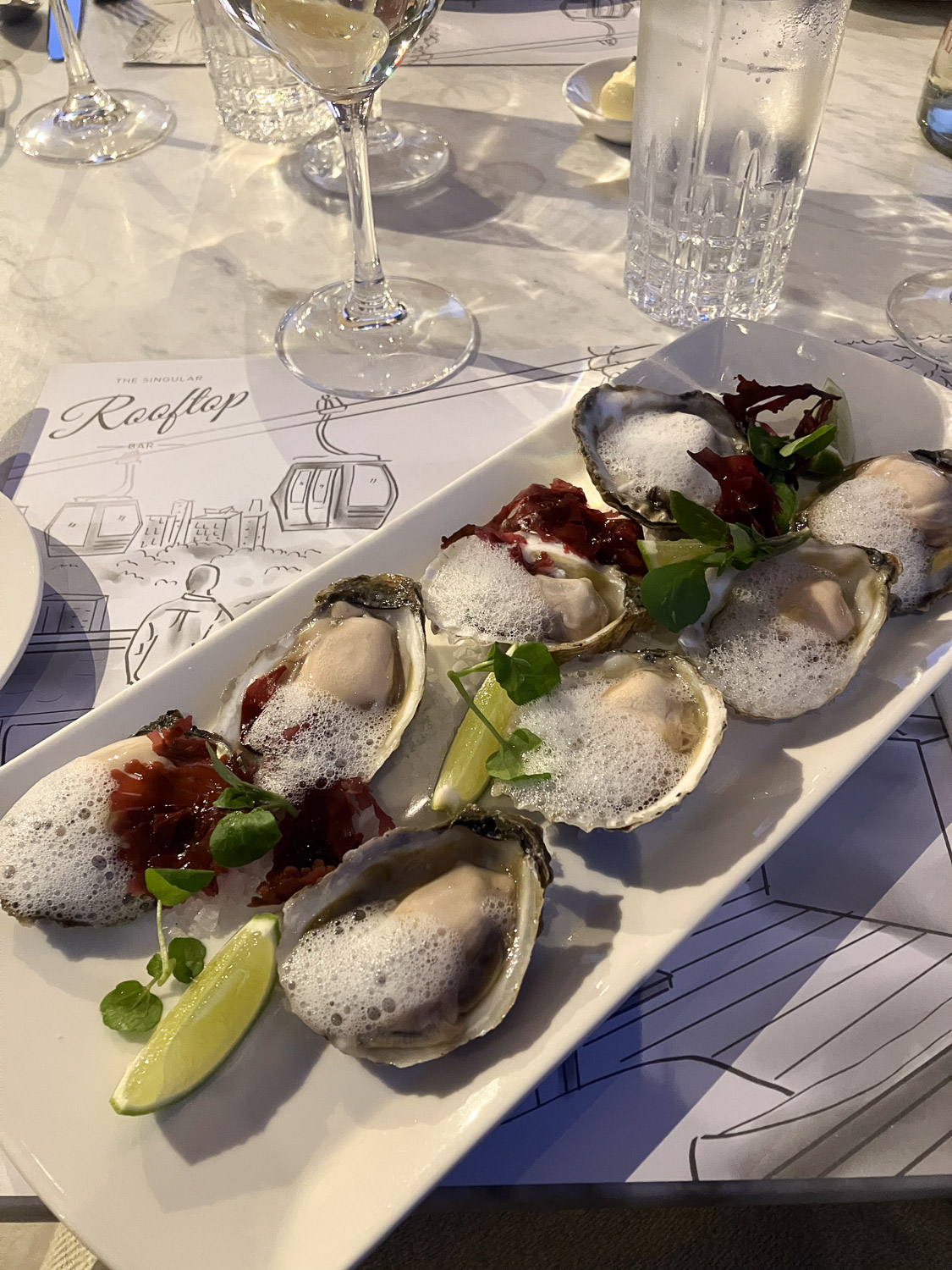
Last dinner in Chile. This is on the rooftop of The Singular Hotel, with a great moon and views of the Andes. The oysters are from Chiloe, where we want to go on our next trip to Chile.
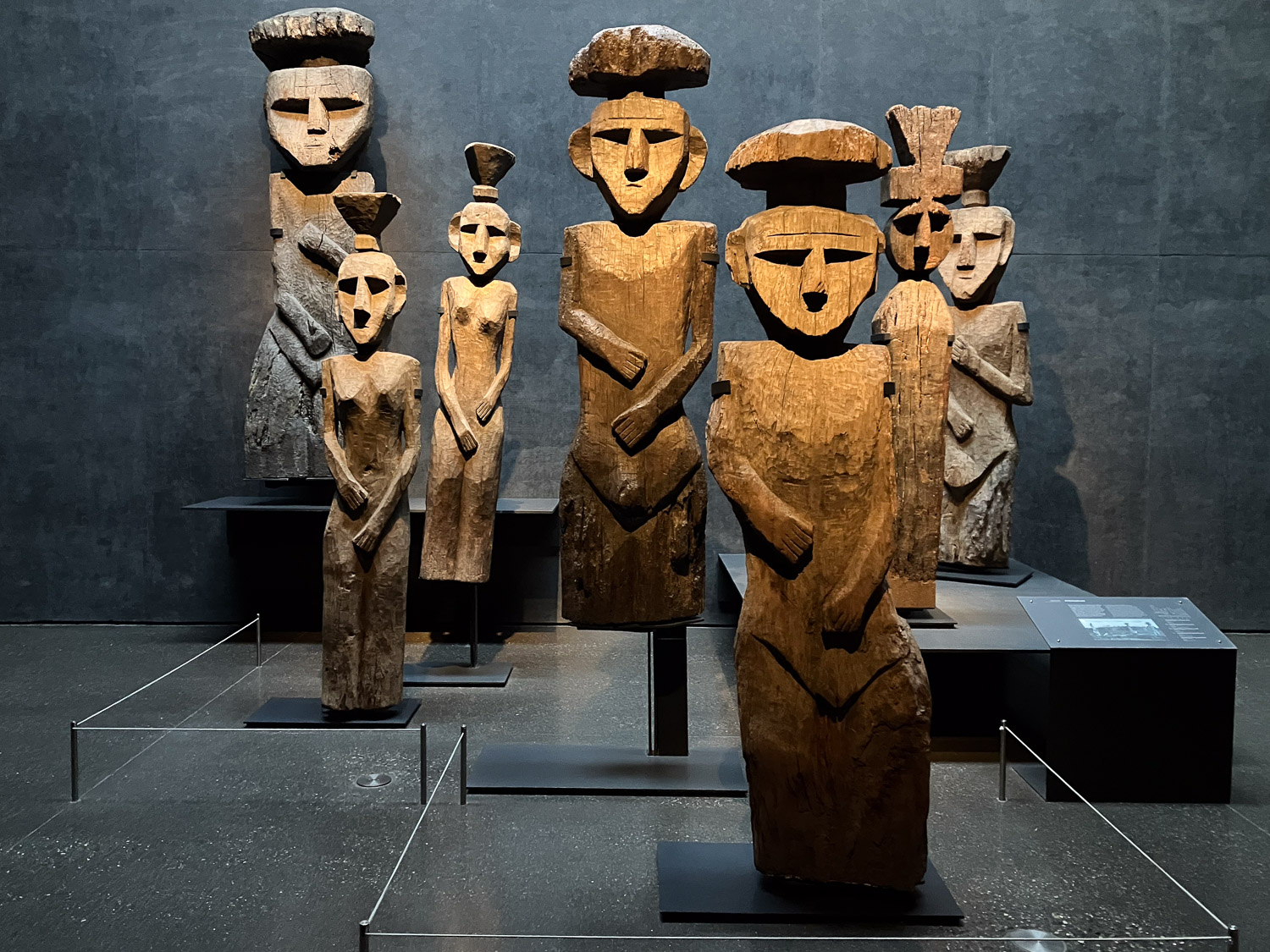
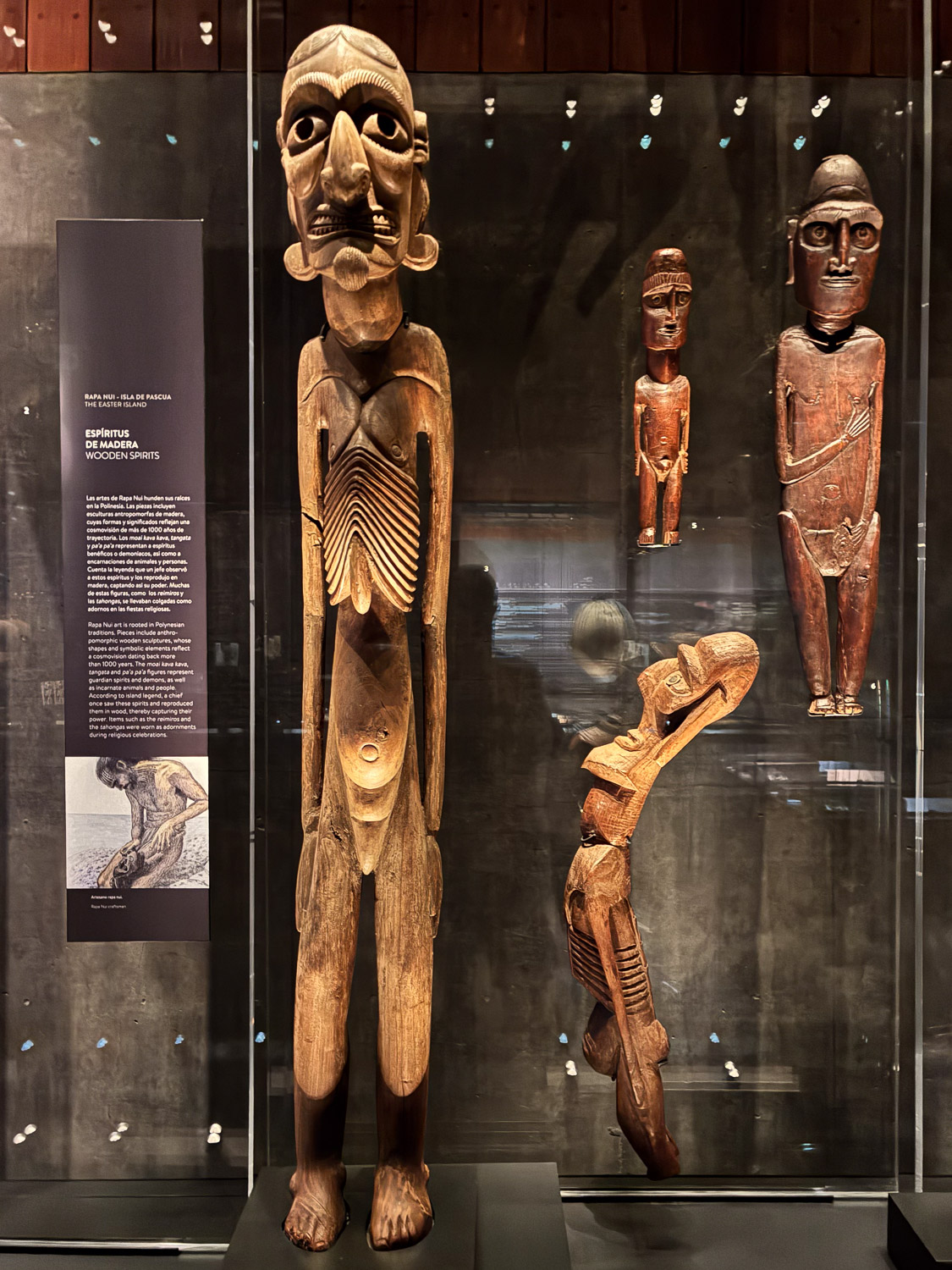
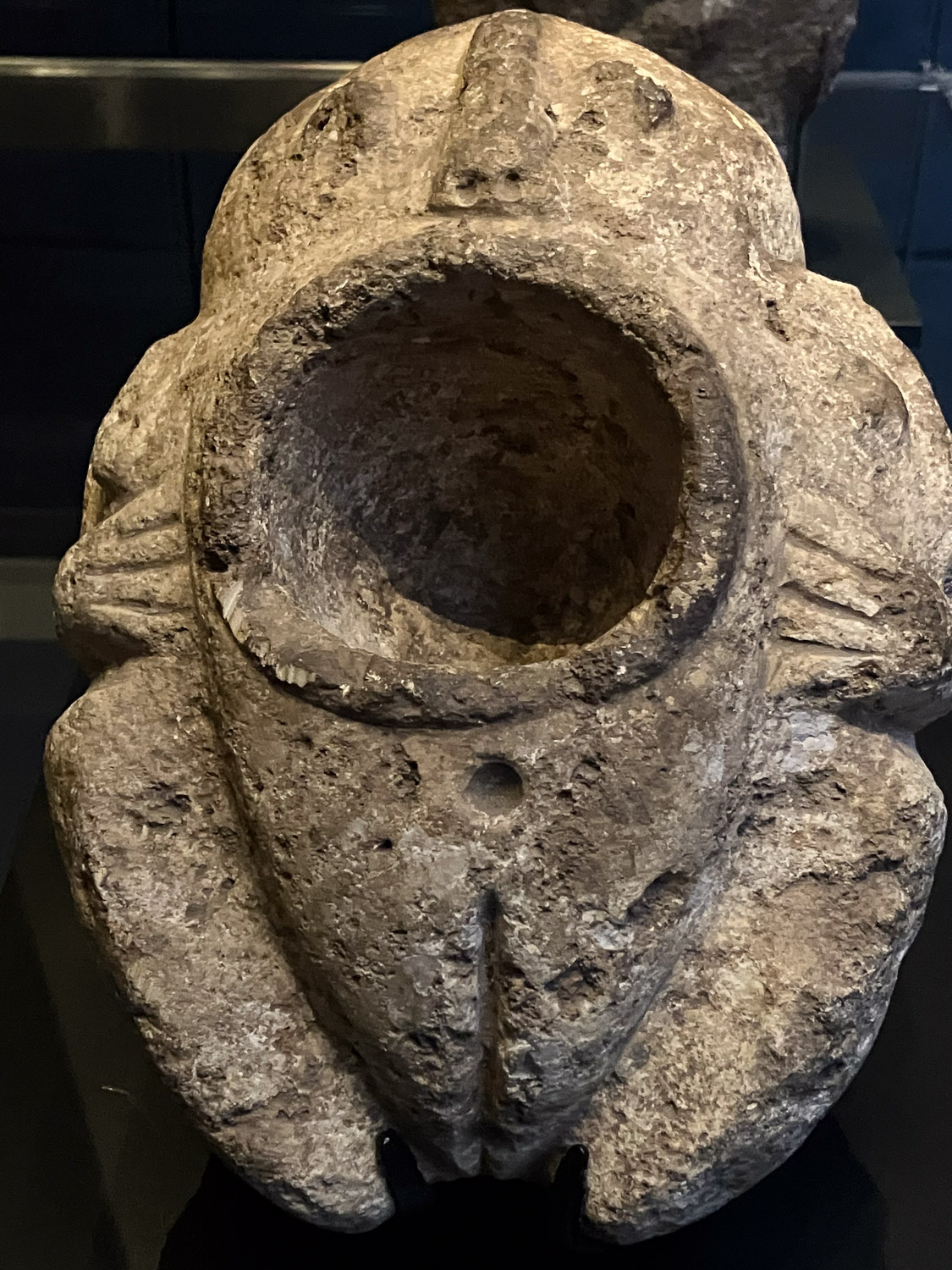
We just managed to fit in the fantastic Museum of Pre-Columbian Art before our transfer to the airport. Of the Chilean artefacts, David’s favourites were the carvings from Easter Island (first two pictures below) – so that will also have to be factored into our next trip. Annette liked the mortar with the female sexual features (a bit like a sheela na gig) in the third picture, and we both enjoyed seeing the Chinchorro mummy (fourth picture) from the region that we had just visited. We were also intrigued to learn about Mapuche views of the afterlife. Chiefs and great warriors were sent to the East after death, to roam among the volcanoes, but everyone else went to the West “to eat bitter potatoes beyond the sea.”
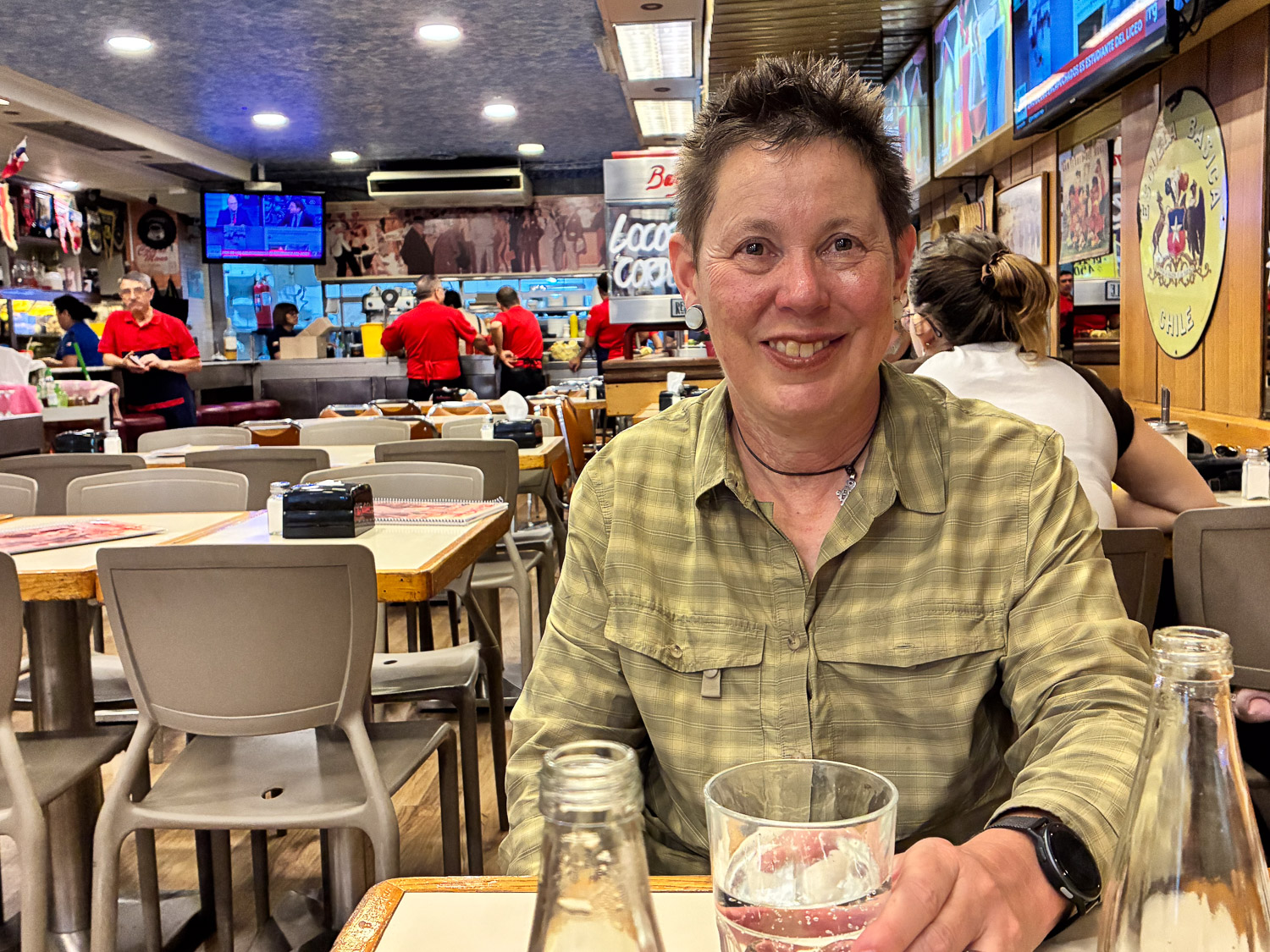
A final empañada before going to the airport – at least it is not a bitter potato. Annette is looking quite tired here, but nothing like as tired as we would both be by the time we got home!
 Peregrinamur